Noah Parker
Learning a new skill can significantly benefit mental health by providing a sense of accomplishment, boosting self-confidence, and fostering personal growth. Engaging in the process of acquiring a new ability, whether it’s a creative hobby, a professional skill, or a physical activity, stimulates the brain, promoting neural plasticity and cognitive function. This mental engagement can reduce symptoms of anxiety and depression by shifting focus away from stressors and encouraging mindfulness. Additionally, mastering a new skill often involves setting and achieving goals, which enhances motivation and a sense of purpose. Socially, learning something new can create opportunities for connection, whether through classes, online communities, or shared interests, combating feelings of isolation. Overall, the act of learning not only enriches one’s life but also serves as a powerful tool for improving mental well-being and resilience.
| Characteristics | Values |
|---|---|
| Cognitive Stimulation | Enhances brain function, improves memory, and delays age-related cognitive decline. |
| Stress Reduction | Acts as a distraction from worries, reduces cortisol levels, and promotes relaxation. |
| Sense of Achievement | Boosts self-esteem and confidence through goal accomplishment. |
| Social Connection | Provides opportunities for interaction, reduces loneliness, and builds community. |
| Purpose and Meaning | Gives a sense of direction, fulfillment, and engagement in life. |
| Neuroplasticity | Encourages the brain to form new neural connections, improving adaptability. |
| Mood Enhancement | Increases production of neurotransmitters like dopamine, reducing symptoms of depression. |
| Resilience Building | Develops problem-solving skills and coping mechanisms for challenges. |
| Time Management | Promotes structured routines, reducing feelings of aimlessness or overwhelm. |
| Lifelong Learning Mindset | Fosters curiosity and a growth mindset, positively impacting overall mental well-being. |
Explore related products

$11.1 $19.99


What You'll Learn
- Boosts Confidence: Mastering skills increases self-esteem and belief in one’s abilities, reducing self-doubt
- Reduces Stress: Focused learning distracts from worries, promoting relaxation and mental calmness
- Enhances Brain Function: Learning stimulates neural connections, improving memory and cognitive abilities
- Provides Purpose: Acquiring skills gives a sense of direction and fulfillment, combating aimlessness
- Fosters Social Connections: Sharing or learning skills with others builds community and reduces loneliness

Boosts Confidence: Mastering skills increases self-esteem and belief in one’s abilities, reducing self-doubt
Learning a new skill is a powerful antidote to self-doubt. Every small victory along the way—whether it’s mastering a chord on the guitar, completing a coding challenge, or baking a perfect loaf of bread—builds a foundation of evidence that you are capable. This cumulative proof of competence gradually reshapes your self-perception, replacing "I can’t" with "I can." Research in psychology shows that self-efficacy, the belief in one’s ability to succeed, is a key predictor of mental well-being. Each skill mastered becomes a tangible reminder of your potential, silencing the inner critic that thrives on uncertainty.
Consider the process of learning a new language. Initially, stumbling over basic phrases can feel discouraging, but as vocabulary grows and conversations become smoother, confidence naturally follows. Studies indicate that even 15 minutes of daily practice can yield noticeable progress within three months, providing a steady stream of achievements to bolster self-esteem. This principle applies across domains: whether it’s painting, programming, or pottery, the act of improving reinforces the idea that growth is possible, and challenges are surmountable.
However, it’s crucial to approach skill-building with patience and self-compassion. Setting unrealistic expectations—like mastering a skill in a week—can backfire, fueling frustration instead of confidence. Break the learning process into manageable steps, celebrating each milestone no matter how small. For instance, if you’re learning to draw, focus on mastering one technique at a time, such as shading or perspective, rather than aiming for a finished masterpiece immediately. This incremental approach ensures steady progress and sustains motivation.
The confidence gained from mastering a skill often spills over into other areas of life. For example, someone who learns to manage a budget effectively may feel more empowered to tackle workplace negotiations or personal conflicts. This phenomenon, known as the "spillover effect," highlights how skill-building is not just about the skill itself but about cultivating a mindset of resilience and capability. By consistently challenging yourself to learn and grow, you reinforce the belief that you can handle whatever life throws your way.
Incorporating skill-building into your routine doesn’t require a massive time commitment. Dedicate 30 minutes a day to your chosen activity, and track your progress in a journal to visualize your growth. Pair this with positive self-talk, acknowledging your efforts rather than fixating on perfection. Over time, this practice transforms not just your abilities but your entire outlook, turning self-doubt into self-assurance. The journey of mastering a skill is as much about discovering your strength as it is about acquiring a new competence.
Comic Books and Cartoons: Unlocking Mental Health Benefits Through Art
You may want to see also
Explore related products


Reduces Stress: Focused learning distracts from worries, promoting relaxation and mental calmness
Learning a new skill acts as a mental sanctuary, diverting attention from stressors and fostering a state of flow. When engrossed in a task that demands focus, such as mastering a musical instrument or coding, the brain shifts its resources to the present moment. This cognitive engagement reduces rumination on past regrets or future anxieties, effectively breaking the cycle of worry. For instance, a study published in the *Journal of Occupational Health Psychology* found that employees who engaged in skill-building activities during breaks reported lower stress levels compared to those who scrolled through social media. The key lies in choosing activities that require concentration but remain enjoyable, ensuring the mind stays occupied without feeling overwhelmed.
To harness this stress-reducing benefit, start with short, structured sessions of 20–30 minutes daily. For adults aged 18–65, this "focus window" aligns with the brain’s natural attention span, maximizing engagement without burnout. For example, learning a new language through apps like Duolingo or practicing mindfulness-based skills like knitting can serve as effective distractions. Pairing these activities with deep breathing exercises amplifies relaxation, as the combination of focused learning and controlled breathing activates the parasympathetic nervous system, promoting calmness. Avoid multitasking during these sessions, as dividing attention diminishes the stress-relieving effect.
A comparative analysis reveals that focused learning outperforms passive distractions like watching TV in reducing stress. While passive activities may provide temporary relief, they often fail to engage the brain deeply enough to disrupt worry patterns. In contrast, active learning triggers the release of dopamine, a neurotransmitter associated with pleasure and reward, further enhancing relaxation. For instance, a 2019 study in *Frontiers in Psychology* showed that participants who engaged in creative tasks like painting or writing experienced a 27% decrease in cortisol levels, a primary stress hormone, compared to those who watched entertainment content. This highlights the importance of choosing activities that require mental effort but remain intrinsically rewarding.
Practical tips for integrating focused learning into daily life include setting a dedicated "learning hour" in the evening, when stress levels often peak. Keep the environment free of distractions—silence notifications, use noise-canceling headphones, and create a workspace that fosters concentration. For older adults, activities like gardening or learning digital skills not only reduce stress but also combat cognitive decline. For younger individuals, gamified learning platforms like Khan Academy or coding tutorials on Codecademy can make the process engaging and accessible. The goal is to create a mental escape that is both productive and calming, turning stress reduction into a skill itself.
Supporting Immigrant Youth: Social Work Strategies for Mental Disability Care
You may want to see also
Explore related products


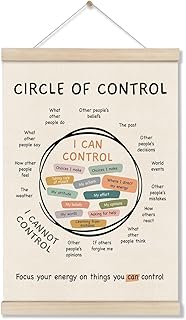

Enhances Brain Function: Learning stimulates neural connections, improving memory and cognitive abilities
Learning a new skill is like taking your brain to the gym—it strengthens neural pathways and builds new connections, much like physical exercise builds muscle. When you engage in activities that require focus and problem-solving, such as mastering a musical instrument or coding, your brain’s plasticity is activated. This process, known as neuroplasticity, allows neurons to reorganize and form new synapses, enhancing memory and cognitive abilities. Studies show that adults who consistently learn new skills have a 30% lower risk of cognitive decline compared to those who don’t. For instance, learning a language has been linked to improved multitasking and decision-making skills, as it engages multiple brain regions simultaneously.
To maximize these benefits, aim for at least 30 minutes of focused learning daily. This doesn’t mean cramming information but engaging in deliberate practice—breaking tasks into manageable chunks and repeating them until mastery. For example, if you’re learning to paint, start with basic techniques like shading and gradually move to complex compositions. Consistency is key; irregular practice yields minimal neural growth. Additionally, combine different types of learning to stimulate diverse brain areas. Pairing a creative skill like writing with a logical one like chess can create a more robust cognitive network.
One caution: avoid overloading your brain with too many new skills at once. While variety is beneficial, juggling multiple complex tasks can lead to cognitive fatigue, diminishing the quality of learning. Instead, prioritize depth over breadth. Focus on one or two skills at a time, allowing your brain to fully adapt and integrate new knowledge. For older adults, this approach is particularly important, as the brain’s plasticity naturally slows with age. However, research confirms that even individuals in their 70s and 80s can experience significant cognitive improvements through consistent learning.
A practical tip is to incorporate learning into daily routines. For instance, use language-learning apps during your commute or practice mindfulness techniques while waiting in line. These micro-learning moments accumulate over time, fostering continuous neural growth. Pairing learning with physical activity, such as listening to educational podcasts while jogging, can further amplify benefits by increasing blood flow to the brain. Ultimately, the goal is to make learning a lifelong habit, ensuring your brain remains sharp, adaptable, and resilient.
Effective Strategies to Help Others: A Comprehensive Guide to Support
You may want to see also
Explore related products



Provides Purpose: Acquiring skills gives a sense of direction and fulfillment, combating aimlessness
Learning a new skill acts as a compass for those navigating the fog of aimlessness. When daily routines lack structure or long-term goals feel distant, the process of acquiring a skill—whether it’s coding, painting, or gardening—provides immediate direction. Each lesson, practice session, or milestone becomes a step toward mastery, anchoring the mind in a tangible progression. This sense of movement, no matter how small, counteracts the paralysis of uncertainty, offering a clear path forward in a world that often feels directionless.
Consider the case of a 35-year-old professional who, after a career setback, felt adrift. By dedicating 30 minutes daily to learning Spanish, they not only gained linguistic proficiency but also a renewed sense of purpose. The structured nature of language learning—vocabulary drills, grammar exercises, and conversational practice—provided a framework for their days. Psychologists note that such structured engagement triggers the brain’s reward system, releasing dopamine with each achievement, which reinforces motivation and combats feelings of aimlessness.
However, not all skills are created equal in their ability to provide purpose. The key lies in choosing a skill that aligns with intrinsic interests or long-term aspirations. For instance, a teenager passionate about environmentalism might find purpose in learning urban farming techniques, while a retiree could discover fulfillment in mastering woodworking. The skill itself becomes a vehicle for self-expression and contribution, transforming aimlessness into a journey of meaning.
Practical tips can maximize this benefit. Start with a skill that offers immediate feedback—cooking a new dish, for example, provides instant gratification. Break the learning process into manageable steps, such as dedicating 15 minutes daily to practice, and track progress visually with a journal or app. For those struggling with motivation, pairing skill acquisition with a social element—joining a class or online community—can amplify the sense of purpose by fostering accountability and connection.
Ultimately, the act of learning a new skill is a declaration of agency in a life that often feels passive. It shifts the focus from what’s lacking to what’s possible, from aimlessness to intention. By providing a sense of direction and fulfillment, skill acquisition becomes more than a hobby or resume booster—it’s a tool for mental resilience, a way to reclaim purpose one lesson at a time.
Yoga and Mental Health: Unlocking Inner Peace and Emotional Balance
You may want to see also
Explore related products


Fosters Social Connections: Sharing or learning skills with others builds community and reduces loneliness
Human beings are inherently social creatures, and our mental well-being is deeply intertwined with the quality of our relationships. Learning a new skill provides a unique opportunity to foster social connections, as it often involves engaging with others who share similar interests. Whether it's joining a cooking class, participating in a community garden, or attending a language exchange event, these activities create a natural environment for social interaction. Research shows that group activities can increase oxytocin levels, often referred to as the "love hormone," which promotes feelings of trust and bonding. By sharing the experience of learning something new, individuals can form meaningful connections that extend beyond the activity itself, creating a support network that contributes to improved mental health.
Consider the process of learning a skill like pottery. In a typical ceramics class, participants work alongside each other, sharing tools, techniques, and encouragement. This collaborative environment not only enhances the learning experience but also reduces feelings of isolation. For instance, a study published in the *Journal of Health Psychology* found that adults who engaged in group-based creative activities reported lower levels of loneliness and higher levels of life satisfaction compared to those who pursued solitary hobbies. The act of creating something tangible, combined with the social interaction, provides a dual benefit: it stimulates the mind and nurtures the soul through connection.
To maximize the social benefits of skill-building, it’s essential to choose activities that align with your interests and involve group participation. For example, if you’re passionate about fitness, joining a dance class or a hiking group can provide both physical and social rewards. For older adults, who are at a higher risk of loneliness, activities like knitting circles or book clubs offer a structured way to connect with peers. Even digital platforms can facilitate social connections; online courses with discussion forums or virtual workshops allow individuals to engage with others globally. The key is consistency—aim to participate in group activities at least once a week to maintain and strengthen these social bonds.
However, it’s important to approach these interactions with realistic expectations. Not every social encounter will lead to a deep friendship, and that’s okay. The goal is to create opportunities for connection, not to force relationships. Start small by initiating conversations during breaks or offering to help a fellow learner. Over time, these micro-interactions can evolve into more meaningful relationships. For introverts or those with social anxiety, setting achievable goals, such as speaking to one new person per session, can make the experience less daunting. Remember, the act of learning together inherently creates a shared purpose, making it easier to connect with others.
In conclusion, learning a new skill is not just an individual endeavor but a powerful tool for building community. By engaging in group activities, we tap into a collective energy that enhances our mental well-being and combats loneliness. Whether through hands-on workshops, community events, or online platforms, the process of sharing knowledge and experiences fosters a sense of belonging. As you embark on your next learning journey, consider the social dimension—it may just be the key to unlocking not only a new skill but also a richer, more connected life.
Vegan Diet and Mental Health: Unlocking Cognitive Benefits and Emotional Well-being
You may want to see also
Frequently asked questions
Learning a new skill boosts mental health by increasing self-confidence, providing a sense of accomplishment, and reducing stress. It also promotes neuroplasticity, which enhances brain function and cognitive abilities.
Yes, learning a new skill can help alleviate symptoms of anxiety and depression by shifting focus away from negative thoughts, fostering a sense of purpose, and encouraging social interaction, especially in group settings.
Skills that promote mindfulness (e.g., meditation, yoga), creativity (e.g., painting, writing), or physical activity (e.g., dancing, sports) are particularly beneficial for mental health, as they reduce stress, improve mood, and enhance overall well-being.