Noah Parker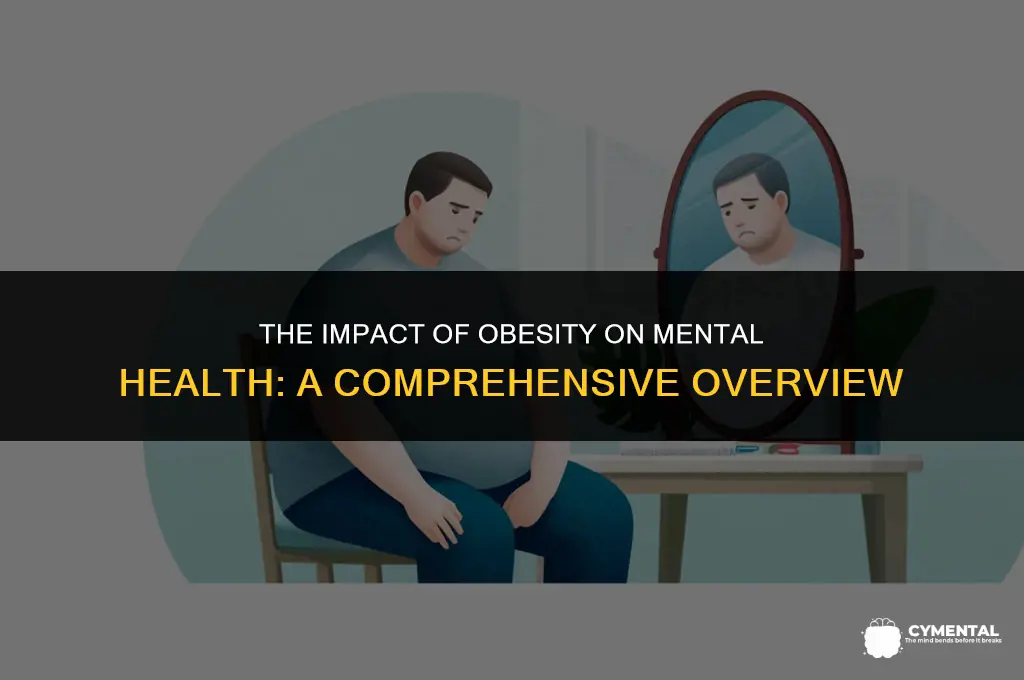
Obesity is a complex condition that can have far-reaching effects on an individual's overall well-being, including their mental health. Research has shown that obesity is often linked to a higher risk of developing mental health disorders such as depression, anxiety, and bipolar disorder. The relationship between obesity and mental health is bidirectional, meaning that obesity can contribute to the development of mental health issues, and conversely, mental health issues can also contribute to the development of obesity. Understanding this connection is crucial for developing effective treatment strategies that address both the physical and psychological aspects of obesity.
| Characteristics | Values |
|---|---|
| Increased Risk of Depression | Obesity is linked to a higher likelihood of developing depression due to various biological and psychological factors. |
| Anxiety Disorders | Individuals with obesity may experience heightened anxiety, which can be both a cause and a consequence of obesity. |
| Low Self-Esteem | Negative body image and societal stigma associated with obesity can lead to low self-esteem and poor self-image. |
| Social Isolation | Fear of judgment and discrimination may cause individuals with obesity to withdraw from social interactions, leading to isolation. |
| Cognitive Impairment | Obesity has been associated with cognitive decline and an increased risk of developing dementia later in life. |
| Emotional Distress | The stress of managing obesity and its related health issues can lead to emotional distress and a reduced quality of life. |
| Sleep Disorders | Obesity is a risk factor for sleep apnea and other sleep disorders, which can further exacerbate mental health issues. |
| Substance Abuse | Some individuals may turn to food or other substances as a coping mechanism for emotional distress related to obesity. |
| Reduced Resilience | The chronic stress of obesity can diminish an individual's ability to cope with life's challenges, reducing overall resilience. |
| Impact on Brain Chemistry | Obesity can affect the production and regulation of neurotransmitters, such as serotonin and dopamine, which play a crucial role in mental health. |
Explore related products




What You'll Learn
- Increased Risk of Depression: Obesity is linked to higher rates of depression due to social stigma and physiological factors
- Anxiety Disorders: Excessive body weight can contribute to the development of anxiety disorders, impacting overall mental well-being
- Low Self-Esteem: Obesity often leads to negative body image and low self-esteem, affecting social interactions and confidence
- Cognitive Decline: Research suggests that obesity may be associated with cognitive decline and an increased risk of dementia
- Eating Disorders: Obesity can be a risk factor for developing eating disorders, such as binge eating disorder, due to complex psychological factors

Increased Risk of Depression: Obesity is linked to higher rates of depression due to social stigma and physiological factors
Obesity is a significant risk factor for depression, a connection that is multifaceted and deeply rooted in both social and physiological realms. The social stigma associated with obesity can lead to feelings of isolation, low self-esteem, and a diminished sense of self-worth, all of which are potent contributors to the development of depression. Individuals struggling with obesity may face discrimination, ridicule, and marginalization, which can erode their mental resilience and increase their vulnerability to depressive disorders.
Physiologically, obesity is linked to chronic inflammation, which can impact brain function and contribute to the development of depression. The increased levels of inflammatory markers in the body can interfere with the normal functioning of neurotransmitters, such as serotonin and dopamine, which play crucial roles in regulating mood. Furthermore, obesity is often associated with other health conditions, such as diabetes and cardiovascular disease, which can also exacerbate depressive symptoms.
The relationship between obesity and depression is bidirectional, meaning that depression can also contribute to the development or worsening of obesity. Individuals with depression may experience changes in appetite, sleep disturbances, and reduced motivation to engage in physical activity, all of which can lead to weight gain and further exacerbate obesity. This cyclical relationship underscores the importance of addressing both obesity and depression simultaneously in order to achieve optimal health outcomes.
In terms of practical implications, healthcare providers should be aware of the increased risk of depression in patients with obesity and should consider screening for depressive symptoms as part of routine care. Lifestyle interventions aimed at promoting weight loss and improving overall health can also have a positive impact on mental health, reducing the risk of depression. Additionally, public health campaigns should focus on reducing the social stigma associated with obesity, promoting a more inclusive and supportive environment for individuals struggling with weight issues.
Ultimately, understanding the complex interplay between obesity and depression is crucial for developing effective treatment strategies and improving the overall well-being of affected individuals. By addressing both the social and physiological factors contributing to this relationship, we can work towards reducing the burden of these conditions and enhancing the quality of life for those impacted.
The Impact of Mental and Emotional Illnesses on Social Well-being
You may want to see also
Explore related products


Anxiety Disorders: Excessive body weight can contribute to the development of anxiety disorders, impacting overall mental well-being
Excessive body weight can significantly contribute to the development of anxiety disorders, impacting overall mental well-being. Research has shown that individuals who are obese are more likely to experience symptoms of anxiety, such as excessive worry, fear, and avoidance behaviors. This increased risk of anxiety disorders can be attributed to several factors, including the psychological impact of body image issues, the physical effects of obesity on the body's stress response system, and the social stigma associated with being overweight.
One of the key ways in which obesity can contribute to anxiety disorders is through the development of negative body image. Individuals who are obese may feel self-conscious about their appearance, leading to feelings of shame, guilt, and low self-esteem. These negative emotions can fuel anxiety symptoms, making it difficult for individuals to cope with everyday stressors. Furthermore, the physical effects of obesity on the body's stress response system can exacerbate anxiety symptoms. Obesity has been linked to increased levels of cortisol, a hormone that plays a key role in the body's stress response. Elevated cortisol levels can lead to feelings of anxiety and tension, making it more challenging for individuals to manage their emotions effectively.
In addition to the psychological and physical impacts of obesity on anxiety disorders, social stigma can also play a significant role. Individuals who are obese may experience discrimination and prejudice from others, leading to feelings of isolation and rejection. These negative social experiences can contribute to the development of anxiety disorders, as individuals may become increasingly fearful of social situations and interactions.
To address the link between obesity and anxiety disorders, it is important to take a comprehensive approach that addresses both the physical and psychological aspects of obesity. This may include lifestyle changes, such as adopting a healthy diet and exercise routine, as well as seeking support from mental health professionals to address underlying emotional issues. By addressing the root causes of obesity and anxiety, individuals can improve their overall mental well-being and quality of life.
Exploring the Dark Side: Factors Undermining Youth Mental Health
You may want to see also
Explore related products


Low Self-Esteem: Obesity often leads to negative body image and low self-esteem, affecting social interactions and confidence
Obesity can have a profound impact on an individual's mental health, particularly in the realm of self-esteem and body image. Research indicates that people struggling with obesity often experience negative body image, which can lead to low self-esteem. This, in turn, can affect various aspects of their lives, including social interactions and overall confidence.
One of the key ways in which obesity affects self-esteem is through societal stigma and discrimination. Individuals with obesity may face negative stereotypes and biases, which can contribute to feelings of shame and inadequacy. This can be particularly damaging in social settings, where individuals may feel self-conscious about their appearance and avoid certain situations or activities as a result.
Moreover, the physical limitations associated with obesity can also impact self-esteem. Difficulty engaging in physical activities or maintaining a certain level of fitness can lead to feelings of frustration and disappointment. This can further exacerbate negative body image and contribute to a cycle of low self-esteem.
It's important to note that the relationship between obesity and self-esteem is complex and multifaceted. While obesity can certainly contribute to low self-esteem, it's not the sole factor. Other elements, such as personal history, cultural background, and individual personality traits, can also play a role.
Addressing the issue of low self-esteem in the context of obesity requires a comprehensive approach. This may include promoting body positivity and self-acceptance, challenging societal stereotypes, and providing support for physical activity and healthy lifestyle choices. By fostering a more inclusive and supportive environment, we can help individuals with obesity to build resilience and improve their mental health outcomes.
The Impact of Social Media on Teen Mental Health
You may want to see also
Explore related products

$9.99 $16.99


$16.72 $19.95


Cognitive Decline: Research suggests that obesity may be associated with cognitive decline and an increased risk of dementia
Recent studies have uncovered a concerning link between obesity and cognitive decline, suggesting that excess body weight may have detrimental effects on brain function and health. This association is particularly alarming given the rising prevalence of obesity worldwide. Researchers have found that individuals with obesity are at a higher risk of developing dementia and other cognitive impairments, which can significantly impact their quality of life and independence.
One possible explanation for this link is the presence of chronic inflammation in obese individuals. Inflammation is known to play a role in the development of cognitive decline and dementia, and obesity is a well-established risk factor for chronic inflammation. Additionally, obesity is often associated with other health conditions, such as type 2 diabetes and cardiovascular disease, which have also been linked to cognitive decline.
The impact of obesity on cognitive function is not limited to older adults. Studies have shown that even in younger individuals, obesity can lead to impairments in memory, attention, and executive function. These findings suggest that the effects of obesity on the brain may begin early in life and could have long-term consequences for cognitive health.
While the exact mechanisms underlying the relationship between obesity and cognitive decline are still being investigated, there is growing evidence to support the idea that lifestyle interventions, such as weight loss and exercise, may help to mitigate these risks. By addressing obesity through healthy lifestyle choices, individuals may be able to reduce their risk of cognitive decline and improve their overall brain health.
In conclusion, the link between obesity and cognitive decline is a complex and multifaceted issue that requires further research and attention. However, the available evidence suggests that maintaining a healthy weight and lifestyle may be crucial for preserving cognitive function and reducing the risk of dementia and other cognitive impairments.
Understanding Affect: The Emotional Core of Mental Health
You may want to see also
Explore related products


Eating Disorders: Obesity can be a risk factor for developing eating disorders, such as binge eating disorder, due to complex psychological factors
Obesity is often associated with a range of mental health issues, and one of the most significant is the development of eating disorders. Binge eating disorder (BED), in particular, is a condition that can be closely linked to obesity due to the complex psychological factors involved. Individuals with obesity may experience feelings of shame, guilt, and low self-esteem, which can contribute to the development of BED as a coping mechanism.
Research has shown that people with obesity are more likely to engage in binge eating behaviors, characterized by consuming large amounts of food in a short period while feeling a lack of control. This behavior can be a way to deal with emotional distress, stress, or negative body image. Over time, binge eating can lead to further weight gain, creating a vicious cycle that exacerbates both the physical and psychological aspects of obesity.
The psychological factors contributing to the link between obesity and eating disorders are multifaceted. Societal pressures to conform to certain body ideals can lead to body dissatisfaction, which is a common trigger for disordered eating behaviors. Additionally, individuals with obesity may face discrimination and stigma, further impacting their mental health and potentially driving them to seek comfort in food.
It is crucial to address the psychological aspects of obesity when treating eating disorders. Cognitive-behavioral therapy (CBT) and other forms of psychotherapy can be effective in helping individuals with obesity and BED to understand and manage their emotions, develop healthier coping mechanisms, and improve their body image. Furthermore, a holistic approach to treatment that includes nutritional counseling, physical activity, and social support can help individuals break the cycle of binge eating and achieve better overall health.
In conclusion, the relationship between obesity and eating disorders is complex and deeply rooted in psychological factors. By understanding and addressing these underlying issues, it is possible to provide more effective treatment and support for individuals struggling with obesity and related eating disorders.
The Unseen Impact: How Injuries Shape Athletes' Mental Health
You may want to see also
Frequently asked questions
Obesity can have a significant impact on mental health, increasing the risk of depression, anxiety, and other mental health disorders. The social stigma associated with obesity can lead to feelings of isolation and low self-esteem, while the physical health complications can contribute to psychological distress.
Obesity can lead to depression through a variety of mechanisms, including the release of inflammatory cytokines, which can affect mood regulation; the disruption of sleep patterns, which can contribute to feelings of fatigue and hopelessness; and the social stigma and discrimination that individuals with obesity may experience, leading to feelings of isolation and worthlessness.
Yes, weight loss can improve mental health outcomes for individuals with obesity. Losing weight can lead to improvements in mood, reduced symptoms of anxiety and depression, and increased self-esteem. Additionally, weight loss can improve physical health, which can also have a positive impact on mental health.