Harper Lewis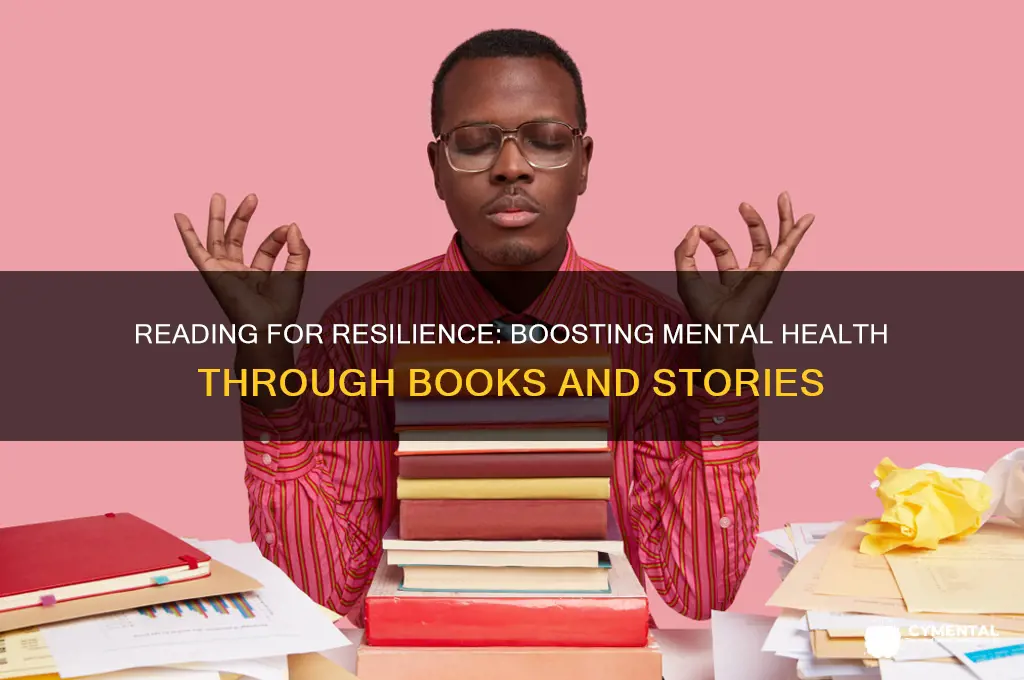
Reading is a powerful tool for enhancing mental health, offering a multitude of benefits that contribute to emotional well-being and cognitive resilience. Engaging with books, articles, or other written materials provides an escape from daily stressors, allowing individuals to immerse themselves in different worlds and perspectives, which can reduce anxiety and promote relaxation. Additionally, reading stimulates the brain, improving focus, memory, and critical thinking skills, while also fostering empathy by encouraging readers to understand and connect with characters' experiences. Whether it’s fiction, non-fiction, or poetry, the act of reading can serve as a form of self-care, helping to combat feelings of loneliness, depression, and overwhelm by providing comfort, knowledge, and a sense of purpose. By nurturing the mind and soul, reading becomes a valuable practice for maintaining and improving mental health in an increasingly fast-paced world.
Explore related products

$16.98 $30


What You'll Learn
- Stress Reduction: Reading lowers cortisol, promoting relaxation and reducing anxiety levels effectively
- Cognitive Stimulation: Enhances brain function, memory, and focus through mental engagement
- Emotional Empathy: Fiction fosters understanding of others’ feelings and perspectives
- Mood Improvement: Escapism in books boosts happiness and reduces depressive symptoms
- Mindfulness Practice: Reading encourages present-moment awareness, calming the mind

Stress Reduction: Reading lowers cortisol, promoting relaxation and reducing anxiety levels effectively
Reading for just six minutes a day can significantly lower stress levels, according to a study by the University of Sussex. This simple act reduces cortisol, the body’s primary stress hormone, more effectively than other relaxation methods like listening to music or drinking tea. By immersing yourself in a book, you shift your focus away from stressors, allowing your mind to enter a state of calm. For maximum benefit, choose a quiet space, set a timer, and commit to this daily practice. Consistency is key—make it a non-negotiable part of your routine, whether in the morning to start your day grounded or before bed to unwind.
The science behind reading’s stress-reducing power lies in its ability to engage the brain in a focused, yet relaxing activity. When you read, your brain enters a state similar to meditation, slowing down racing thoughts and lowering heart rate. Fiction, in particular, has been shown to transport readers into another world, providing an escape from immediate worries. Non-fiction, especially self-help or mindfulness-focused texts, can offer practical strategies for managing stress. Experiment with genres to discover what works best for you—whether it’s a gripping novel, a poetry collection, or a guided meditation book.
To amplify reading’s stress-reduction benefits, pair it with intentional practices. Create a soothing environment by dimming lights, using a comfortable chair, or adding calming scents like lavender. Avoid screens before reading to prevent additional mental strain. If you struggle to focus, start with shorter sessions and gradually increase duration. For parents, reading aloud to children not only reduces stress for the reader but also fosters a calming atmosphere for the family. Remember, the goal isn’t to finish a book quickly but to engage deeply, allowing the words to anchor you in the present moment.
While reading is a powerful tool, it’s not a standalone solution for chronic stress or anxiety disorders. If stress persists despite consistent reading, consider combining it with other strategies like exercise, therapy, or mindfulness practices. Reading can, however, serve as a complementary technique, offering immediate relief and long-term mental resilience. For those with busy schedules, audiobooks provide an alternative way to reap the benefits while multitasking. Ultimately, reading’s ability to lower cortisol and promote relaxation makes it an accessible, effective, and enjoyable way to manage stress in a fast-paced world.
Compassionate Care: How Churches Can Support Mental Health Struggles
You may want to see also
Explore related products




Cognitive Stimulation: Enhances brain function, memory, and focus through mental engagement
Reading is a powerful tool for cognitive stimulation, offering a unique blend of mental engagement that enhances brain function, memory, and focus. Unlike passive activities, reading requires active participation, forcing the brain to decode symbols, construct meaning, and visualize narratives. This process activates multiple regions of the brain, including the temporal, parietal, and occipital lobes, fostering neural connectivity and plasticity. Studies show that regular readers exhibit greater cognitive reserve, which can delay the onset of age-related cognitive decline. For instance, a 2013 study published in *Neurology* found that mentally stimulating activities like reading can slow memory decline by 32% in older adults.
To maximize cognitive benefits, consider the *dosage* of reading. Aim for at least 20–30 minutes daily, as consistency is key to building neural pathways. For children and adolescents, reading aloud or engaging with interactive texts can enhance phonemic awareness and comprehension. Adults can benefit from diverse genres—fiction for creativity, non-fiction for critical thinking, and poetry for linguistic agility. Pairing reading with note-taking or discussion groups amplifies its cognitive impact by reinforcing memory retention and encouraging deeper analysis.
However, not all reading is created equal. Mindless scrolling through social media or skimming superficial content yields minimal cognitive gains. Instead, opt for material that challenges your thinking, introduces new vocabulary, or requires sustained attention. For example, tackling a complex novel or a technical article forces the brain to work harder, strengthening focus and problem-solving skills. Audiobooks, while convenient, may not provide the same level of cognitive engagement as visual reading, as the brain processes spoken language differently.
A cautionary note: overloading the brain with dense material without breaks can lead to mental fatigue, diminishing the benefits of cognitive stimulation. Incorporate the Pomodoro Technique—read for 25 minutes, then take a 5-minute break—to maintain focus and prevent burnout. Additionally, avoid multitasking while reading, as dividing attention reduces comprehension and memory encoding.
In conclusion, reading is a scientifically backed method to sharpen cognitive abilities across all ages. By selecting challenging material, maintaining a consistent routine, and practicing mindful engagement, you can harness its full potential to enhance brain function, memory, and focus. Think of reading not just as a leisure activity, but as a daily workout for your mind.
Effective Strategies to Support and Empower Individuals in Need
You may want to see also
Explore related products


Emotional Empathy: Fiction fosters understanding of others’ feelings and perspectives
Reading fiction is a powerful tool for developing emotional empathy, the ability to understand and share the feelings of others. Unlike non-fiction, which often presents facts and arguments, fiction immerses readers in the inner lives of characters, allowing them to experience emotions vicariously. This process, known as narrative transportation, activates the same neural pathways involved in real-life empathy, effectively training the brain to recognize and respond to emotional cues. Studies show that individuals who read fiction regularly score higher on empathy assessments, demonstrating a stronger ability to perceive and interpret others’ emotions.
To harness this benefit, consider incorporating diverse genres and perspectives into your reading routine. For instance, literary fiction often delves into complex emotional landscapes, while young adult novels frequently explore themes of identity and belonging. Aim for 30 minutes of fiction reading daily, as consistency is key to building empathy over time. For parents, reading aloud to children aged 6–12 with books featuring emotionally nuanced characters can foster early empathy development. Pairing reading with reflective practices, such as journaling about characters’ feelings or discussing their motivations with others, amplifies the empathetic impact.
However, not all fiction is created equal in this regard. Character-driven narratives—those focused on internal growth and relationships—tend to be more effective than plot-driven stories. For example, novels like *To Kill a Mockingbird* or *The Kite Runner* offer deep insights into characters’ struggles, encouraging readers to step into their shoes. Conversely, fast-paced thrillers or action-heavy plots may provide less opportunity for emotional connection. Be mindful of your selections and prioritize stories that challenge your worldview or introduce unfamiliar experiences.
A practical tip for maximizing empathy through reading is to engage actively with the text. Ask yourself questions like, “How would I feel in this character’s situation?” or “What motivates their actions?” This critical engagement deepens your emotional investment and strengthens the empathetic response. Additionally, joining a book club or online discussion group can provide a social context for exploring characters’ emotions, further enhancing your understanding of others’ perspectives.
In conclusion, fiction serves as an empathy-building workout for the mind, offering a safe space to explore and practice emotional understanding. By choosing the right books, reading consistently, and engaging thoughtfully, you can cultivate a deeper connection to the human experience. This not only enriches your mental health but also equips you to navigate real-life relationships with greater compassion and insight.
Nutritional Supplements: Potential Benefits for Mentally Retarded Children Explored
You may want to see also
Explore related products


$8.47 $19.99


Mood Improvement: Escapism in books boosts happiness and reduces depressive symptoms
Books offer a unique form of escapism, transporting readers to different worlds, lives, and perspectives. This mental escape acts as a powerful tool for mood improvement, providing a temporary reprieve from the stresses and anxieties of daily life. Research suggests that losing oneself in a story can significantly reduce depressive symptoms by shifting focus away from negative thoughts and emotions. For instance, a study published in the *Journal of Applied Social Psychology* found that just 30 minutes of reading fiction can lower stress levels by up to 68%, comparable to the effects of listening to music or taking a walk. This makes reading an accessible and effective strategy for those seeking immediate emotional relief.
Consider the act of immersion in a novel as a form of mental vacation. When you engage with a compelling narrative, your brain prioritizes the story over real-world worries, effectively hitting a "pause" button on stress. This phenomenon is particularly beneficial for individuals experiencing mild to moderate depression, as it disrupts the cycle of rumination—a common contributor to depressive episodes. For example, young adults aged 18–25, who are often under significant academic or career pressure, may find that dedicating 20–30 minutes daily to reading fiction can serve as a preventive measure against mood deterioration. Pairing this practice with a cozy environment, like a quiet corner with soft lighting, can enhance the escapist effect.
However, escapism through reading is not a one-size-fits-all solution. While it can boost happiness and reduce depressive symptoms, it’s essential to balance this practice with active problem-solving and social engagement. Over-reliance on escapism may lead to avoidance of underlying issues, particularly in severe cases of mental health disorders. For optimal benefits, combine reading with other mood-enhancing activities, such as journaling or mindfulness exercises. For instance, after finishing a chapter, reflect on how the characters’ experiences relate to your own emotions, fostering self-awareness alongside escapism.
To maximize the mood-boosting potential of reading, choose books that align with your emotional needs. If you’re feeling overwhelmed, opt for light-hearted genres like romance or comedy. For those seeking deeper emotional resonance, literary fiction or memoirs can provide catharsis. Additionally, audiobooks offer an alternative for individuals who struggle with focus or fatigue. Practical tips include setting a daily reading goal (e.g., 15–20 pages) and creating a dedicated reading space free from distractions. By integrating escapism through books into your routine, you can harness its power to elevate your mood and foster long-term mental well-being.
Stem Cell Therapy: A Potential Breakthrough for Mental Illness Treatment?
You may want to see also
Explore related products
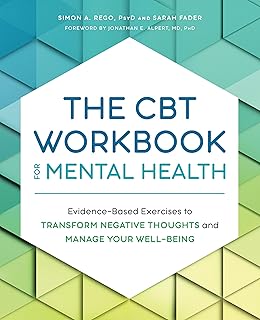


Mindfulness Practice: Reading encourages present-moment awareness, calming the mind
Reading, when approached mindfully, becomes a powerful tool for anchoring the mind in the present moment. Unlike passive scrolling or multitasking, reading demands focused attention—on the words, the narrative, the ideas. This act of sustained concentration naturally quiets mental chatter, pulling you away from worries about the past or anxieties about the future. Research suggests that even 15 minutes of immersive reading can reduce stress levels by up to 68%, comparable to listening to music or taking a walk. The key lies in choosing material that fully engages you, whether it’s a novel, poetry, or a thought-provoking essay, allowing the mind to settle into the rhythm of the text.
To cultivate mindfulness through reading, start by creating a dedicated space free from distractions. Turn off notifications, dim the lights if possible, and sit comfortably. Begin with short sessions—5 to 10 minutes—gradually increasing as your focus strengthens. Notice when your mind wanders (it will) and gently guide it back to the page. Pay attention to the texture of the words, the imagery they evoke, or the emotions they stir. This practice not only enhances comprehension but also trains the mind to remain present, a skill transferable to other areas of life. For children, reading aloud together can foster mindfulness by encouraging active listening and shared focus.
A comparative analysis reveals that mindfulness through reading differs from traditional meditation. While meditation often involves observing the breath or body sensations, reading mindfulness engages the cognitive faculties, blending focus with creativity. For instance, reading fiction activates the brain’s default mode network, fostering empathy and self-reflection, while non-fiction can stimulate critical thinking. Both approaches calm the mind, but reading offers a structured pathway for those who find silent meditation challenging. Combining the two—starting with a brief meditation to center yourself before reading—can amplify the calming effects.
Practical tips can enhance this practice. Choose physical books over digital screens to minimize distractions and eye strain. For those with busy schedules, audiobooks paired with mindful listening can achieve similar benefits. Keep a journal nearby to jot down thoughts or phrases that resonate, grounding you further in the experience. For parents, modeling mindful reading habits can teach children the value of focus and presence. Remember, the goal isn’t to finish a book quickly but to immerse yourself fully in the act of reading, using it as a daily ritual to reset and recharge.
In conclusion, reading as a mindfulness practice is accessible, adaptable, and deeply restorative. By intentionally engaging with text, you train the mind to stay present, reducing stress and fostering clarity. Whether you’re a seasoned reader or just starting, this approach transforms reading from a passive activity into an active tool for mental well-being. Start small, stay consistent, and let the words guide you to a calmer, more centered state of mind.
Empowering Mental Health: Essential Nursing Strategies for Patient Support and Recovery
You may want to see also
Frequently asked questions
Reading acts as a form of escapism, allowing you to focus on the story or information rather than your worries. It lowers cortisol levels, the stress hormone, and promotes relaxation, especially when reading fiction or calming genres.
Yes, reading stimulates the brain’s pleasure centers, releasing dopamine, which enhances mood. Additionally, connecting with characters or themes in a book can foster empathy and provide emotional comfort.
Reading regularly improves concentration and cognitive function by engaging multiple areas of the brain. It strengthens neural pathways, making it easier to process information and maintain mental sharpness.
Reading provides a sense of companionship and perspective, especially through self-help books or relatable stories. It can offer coping strategies, reduce feelings of isolation, and provide a healthy distraction from negative thoughts.