Harper Lewis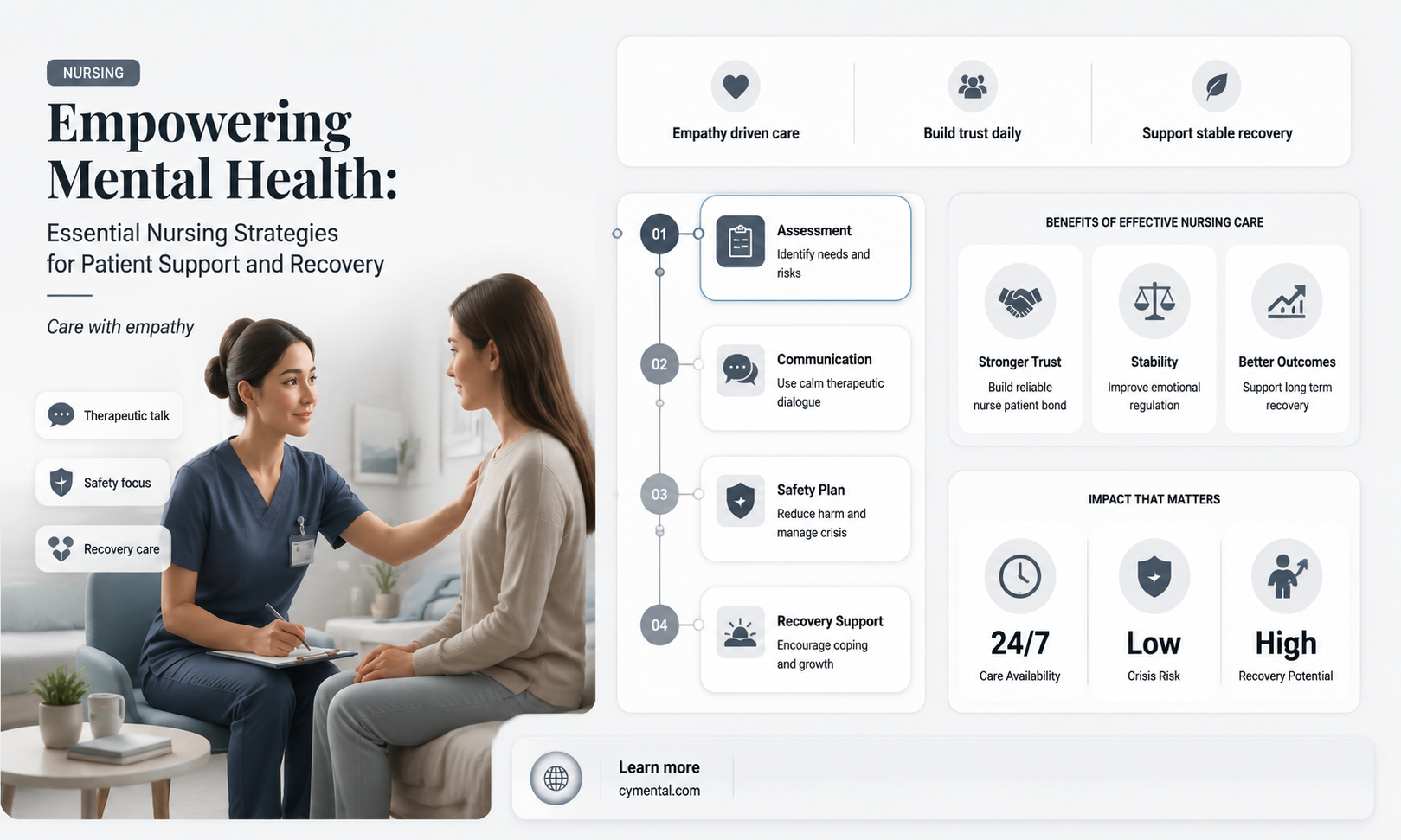
Nurses play a pivotal role in supporting mental health patients by providing compassionate, holistic care that addresses both physical and emotional needs. Through active listening, empathy, and non-judgmental communication, nurses build trust and create a safe environment for patients to express their struggles. They collaborate with interdisciplinary teams to develop personalized care plans, administer medications, and monitor progress while also educating patients about their conditions and coping strategies. Additionally, nurses advocate for mental health awareness, reduce stigma, and ensure continuity of care by connecting patients to community resources. Their unique blend of clinical expertise and emotional support makes them indispensable in helping mental health patients achieve stability, recovery, and improved quality of life.
Explore related products


What You'll Learn
- Active listening and empathy to build trust and rapport with patients
- Educating patients on coping strategies and self-care techniques for daily management
- Collaborating with mental health teams for comprehensive, coordinated patient care plans
- Monitoring medication adherence and side effects to ensure treatment effectiveness
- Creating safe, non-judgmental environments to encourage open communication and recovery

Active listening and empathy to build trust and rapport with patients
Nurses often serve as the primary point of contact for mental health patients, making their communication skills critical to fostering a therapeutic relationship. Active listening, a technique that involves fully concentrating, understanding, and responding thoughtfully to patients, is not just a skill—it’s a cornerstone of effective care. When a nurse leans in, maintains eye contact, and reflects back what a patient has said, it signals genuine engagement. For instance, if a patient expresses anxiety about medication side effects, a nurse might say, “It sounds like you’re worried about how this medication might affect your daily life. Let’s talk about what’s concerning you.” This simple act validates the patient’s feelings and opens the door for deeper dialogue.
Empathy, the ability to understand and share another’s emotions, complements active listening by humanizing the clinical encounter. Mental health patients often struggle with feelings of isolation or shame, and empathetic responses can dismantle these barriers. For example, instead of dismissing a patient’s fear of relapse with a generic reassurance, a nurse might say, “I can imagine how overwhelming that must feel, especially after all the progress you’ve made. Let’s explore ways to manage these feelings together.” Such responses demonstrate emotional attunement, which is particularly vital for patients who may have experienced judgment or misunderstanding in the past.
Building trust and rapport through these techniques requires intentionality and practice. Nurses should be mindful of nonverbal cues, such as nodding, open body language, and a calm tone, which reinforce verbal empathy. Additionally, avoiding interruptions and allowing patients to express themselves fully, even if their thoughts seem disjointed, fosters a sense of safety. A practical tip is to use the “30-second rule”: wait at least 30 seconds after a patient finishes speaking before responding, ensuring they feel fully heard. This pause also allows nurses to formulate thoughtful, patient-centered responses.
However, active listening and empathy are not without challenges. Nurses must balance emotional engagement with professional boundaries, ensuring they remain supportive without becoming overly involved. For instance, while it’s important to acknowledge a patient’s distress, nurses should avoid making promises they cannot keep, such as guaranteeing outcomes. Instead, they can offer realistic support, like, “I’m here to help you through this, step by step.” This approach maintains trust while preserving the nurse’s role as a guide rather than a confidant.
Ultimately, active listening and empathy are transformative tools in mental health nursing. They shift the dynamic from a transactional exchange of information to a collaborative partnership. Patients who feel heard and understood are more likely to adhere to treatment plans, share critical insights, and view their nurse as an ally in their recovery. By mastering these skills, nurses not only improve individual patient outcomes but also contribute to a more compassionate and effective mental health care system.
Naturopathic Approaches to Mental Health: Effective Support or Alternative?
You may want to see also
Explore related products


Educating patients on coping strategies and self-care techniques for daily management
Nurses play a pivotal role in equipping mental health patients with the tools they need to navigate daily challenges. One of the most effective ways they achieve this is by educating patients on coping strategies and self-care techniques tailored to their unique needs. This proactive approach empowers individuals to manage their symptoms, reduce stress, and improve their overall quality of life. By integrating these practices into daily routines, patients can build resilience and foster long-term mental well-being.
Consider the case of a 28-year-old patient diagnosed with generalized anxiety disorder. A nurse might introduce progressive muscle relaxation, a technique involving tensing and releasing different muscle groups to alleviate physical tension. The nurse could instruct the patient to practice this for 10–15 minutes daily, starting with the feet and working up to the face. Pairing this with deep breathing exercises—inhaling for 4 seconds, holding for 4 seconds, and exhaling for 6 seconds—can further enhance relaxation. Over time, the patient learns to recognize early signs of anxiety and apply these techniques to interrupt escalating symptoms.
While teaching coping strategies, nurses must also emphasize self-care as a foundational element of daily management. This includes practical advice such as maintaining a consistent sleep schedule, prioritizing nutritious meals, and engaging in regular physical activity. For instance, a nurse might recommend 30 minutes of moderate exercise, like walking or yoga, three times a week for patients experiencing depression. Additionally, encouraging activities that promote mindfulness, such as journaling or meditation, can help patients process emotions and reduce rumination. Tailoring these suggestions to the patient’s lifestyle ensures they are realistic and sustainable.
However, nurses must be mindful of potential challenges. Not all strategies work for everyone, and some patients may struggle with consistency. For example, a teenager with ADHD might find structured routines overwhelming. In such cases, nurses can suggest smaller, achievable goals, like setting a timer for 5 minutes of mindfulness daily or using apps that provide guided self-care prompts. It’s also crucial to address barriers like lack of motivation or access to resources, offering alternatives or connecting patients with community support services.
Ultimately, educating patients on coping strategies and self-care techniques is a collaborative process that requires patience, creativity, and adaptability. Nurses act as both teachers and advocates, helping patients discover what works best for them. By fostering a sense of autonomy and confidence, nurses enable individuals to take charge of their mental health, transforming daily management from a daunting task into a manageable, even empowering, practice. This approach not only alleviates immediate symptoms but also builds a foundation for lasting recovery and resilience.
Accessing Mental Health Support: Affordable Options for the Uninsured
You may want to see also
Explore related products


Collaborating with mental health teams for comprehensive, coordinated patient care plans
Nurses play a pivotal role in bridging the gap between mental health patients and specialized care teams, ensuring that treatment plans are holistic, evidence-based, and tailored to individual needs. Effective collaboration begins with recognizing the nurse’s unique position as the patient’s primary point of contact, often observing subtle changes in behavior or symptoms that multidisciplinary teams might miss. For instance, a nurse might notice a patient’s increased agitation during medication adjustments, prompting a timely intervention from the psychiatrist or therapist. This proactive approach not only prevents crises but also fosters trust, a cornerstone of successful mental health care.
To operationalize collaboration, nurses should establish clear communication channels with mental health teams, including psychiatrists, psychologists, social workers, and occupational therapists. Regular interdisciplinary meetings, whether in-person or via secure digital platforms, ensure all team members are aligned on treatment goals and progress. For example, a nurse managing a patient with schizophrenia can share observations about medication side effects (e.g., akathisia from antipsychotics) during these meetings, enabling the psychiatrist to adjust dosages—say, reducing haloperidol from 10 mg to 5 mg daily—while the occupational therapist focuses on coping strategies. Such coordinated efforts minimize treatment fragmentation and maximize outcomes.
However, collaboration is not without challenges. Nurses must navigate differing professional cultures, conflicting priorities, and time constraints. To overcome these barriers, they should advocate for shared care plans that delineate roles and responsibilities, ensuring no aspect of patient care falls through the cracks. For instance, a nurse might take the lead on monitoring a depressed adolescent’s adherence to fluoxetine (20 mg daily) while the therapist addresses suicidal ideation. Additionally, leveraging technology—such as shared electronic health records or care coordination apps—can streamline information exchange and reduce redundancy.
Ultimately, the nurse’s ability to collaborate effectively with mental health teams hinges on their commitment to patient-centered care and continuous learning. By staying informed about evidence-based practices, such as the use of cognitive-behavioral therapy for anxiety disorders or the benefits of peer support groups, nurses can contribute meaningfully to care planning discussions. Equally important is their role in educating patients and families about treatment options, empowering them to participate actively in their care. In this way, nurses not only facilitate seamless collaboration but also act as catalysts for transformative mental health outcomes.
Mental Imagery: Accelerating Recovery and Performance for Injured Athletes
You may want to see also
Explore related products


Monitoring medication adherence and side effects to ensure treatment effectiveness
Medication non-adherence in mental health patients can range from 30% to 50%, often undermining treatment outcomes. Nurses play a pivotal role in bridging this gap by systematically monitoring adherence and addressing barriers. For instance, a patient prescribed 20 mg of fluoxetine daily might skip doses due to forgetfulness or fear of side effects. Nurses can implement strategies like pill organizers, mobile reminders, or weekly check-ins to improve consistency. By tracking adherence through self-reports, prescription refill records, or blood level monitoring for drugs like lithium, nurses ensure patients stay on course.
Side effects, such as weight gain from olanzapine or insomnia from SSRIs, can deter patients from continuing medication. Nurses must proactively educate patients about potential side effects and their management. For example, if a patient on 10 mg of escitalopram reports nausea, a nurse might suggest taking the medication with food or adjusting the dosage after consulting the prescriber. Documenting side effects in detail—frequency, severity, and impact on daily life—helps in tailoring interventions. This approach not only fosters trust but also empowers patients to communicate openly about their experiences.
Adolescents and elderly patients face unique challenges in medication adherence. Teens might resist antipsychotics like risperidone due to stigma, while older adults may struggle with complex regimens or cognitive decline. Nurses can adapt their approach by involving caregivers, simplifying instructions, or using visual aids. For a 70-year-old patient on multiple medications, a nurse might create a color-coded chart to reduce confusion. By recognizing these age-specific hurdles, nurses can provide targeted support that enhances adherence and minimizes risks.
Effective monitoring requires a balance between vigilance and empathy. Nurses should avoid accusatory tones when discussing missed doses, instead framing conversations around problem-solving. For instance, instead of asking, "Why didn’t you take your medication?" a nurse might say, "Let’s explore ways to make this routine easier for you." Collaboration with pharmacists and psychiatrists ensures a holistic approach, particularly when adjusting dosages or switching medications. Ultimately, nurses’ meticulous monitoring transforms medication management from a clinical task into a patient-centered partnership, driving better mental health outcomes.
Supporting Your Partner: Strategies to Combat Mental Exhaustion Together
You may want to see also
Explore related products




Creating safe, non-judgmental environments to encourage open communication and recovery
Nurses play a pivotal role in fostering environments where mental health patients feel safe to express themselves without fear of judgment. This begins with active listening, a skill that goes beyond hearing words to understanding the emotions and experiences behind them. For instance, when a patient shares feelings of anxiety, a nurse might reflect back, "It sounds like this situation has been overwhelming for you," validating the patient’s experience and signaling empathy. Such validation builds trust, a cornerstone of open communication, and encourages patients to share more freely, which is essential for accurate assessment and effective treatment planning.
Creating a non-judgmental space also involves mindful language and body language. Nurses should avoid phrases that minimize a patient’s struggles, such as "Just stay positive" or "It could be worse." Instead, use neutral, supportive statements like, "I’m here to help you through this." Nonverbal cues, such as maintaining eye contact, nodding, and adopting an open posture, further reinforce acceptance. For example, sitting at eye level with a patient rather than standing above them can reduce feelings of intimidation and promote equality in the interaction. These subtle adjustments can transform a clinical encounter into a collaborative conversation.
Practical strategies for fostering safety include establishing clear boundaries and confidentiality protocols. Patients need to know their disclosures will remain private, except in cases of immediate harm. Nurses can explicitly state, "What we discuss here stays between us, unless there’s a concern for your safety or someone else’s." Additionally, creating a calm, clutter-free physical environment can reduce sensory overload, which is particularly important for patients with conditions like PTSD or severe anxiety. Soft lighting, comfortable seating, and minimal noise can make a significant difference in how secure a patient feels during interactions.
Finally, nurses must model patience and flexibility, recognizing that recovery is not linear. Some patients may take weeks or months to open up fully, and that’s okay. For example, a nurse working with a teenager experiencing depression might start with small, non-intrusive questions like, "How was your day today?" and gradually build toward deeper conversations. By respecting the patient’s pace, nurses demonstrate that the therapeutic relationship is built on their terms, not forced. This approach not only encourages communication but also empowers patients to take an active role in their recovery journey.
Aromatherapy Diffusers: Enhancing Mental Well-being and Reducing Stress Naturally
You may want to see also
Frequently asked questions
Nurses can build trust by using active listening, maintaining eye contact, and speaking in a calm, non-judgmental tone. Validating patients' feelings and showing empathy helps establish a safe and supportive environment.
Nurses are responsible for administering medications, monitoring side effects, and educating patients about their prescriptions. They also collaborate with healthcare teams to ensure treatment plans are effective and adjusted as needed.
Nurses can de-escalate crises by remaining calm, offering reassurance, and using therapeutic communication techniques. They assess the patient's safety, provide immediate interventions, and connect them with appropriate resources or emergency care if necessary.
Nurses can encourage self-care by teaching coping skills, promoting healthy routines, and helping patients set achievable goals. They also empower patients by involving them in their care plans and fostering a sense of autonomy and hope.