Noah Parker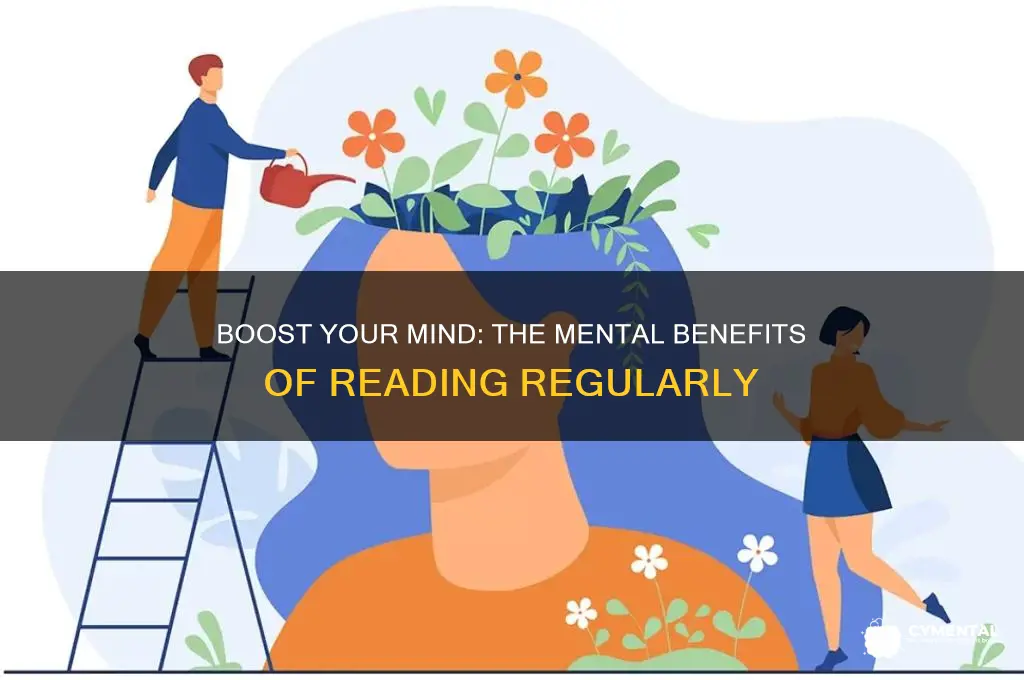
Reading is a powerful tool for mental well-being, offering numerous benefits that extend beyond mere entertainment or knowledge acquisition. Engaging with books, articles, or other written materials stimulates cognitive function, enhancing memory, focus, and critical thinking skills. It serves as a form of mental exercise, keeping the brain active and potentially slowing cognitive decline. Moreover, reading can reduce stress and promote relaxation by transporting readers to different worlds or providing valuable insights and perspectives, fostering empathy and emotional intelligence. Whether it’s escaping into a novel, learning from a self-help book, or exploring new ideas, reading nurtures mental resilience and emotional balance, making it an essential practice for a healthy mind.
| Characteristics | Values |
|---|---|
| Cognitive Stimulation | Reading engages multiple brain regions, improving memory, focus, and critical thinking. It slows cognitive decline and reduces the risk of dementia by 30% (source: Journal of Neurology, Neurosurgery & Psychiatry). |
| Stress Reduction | Reading for just 6 minutes can reduce stress levels by up to 68%, lowering heart rate and easing muscle tension (source: University of Sussex study). |
| Emotional Intelligence | Exposure to fictional characters enhances empathy and social skills, allowing readers to better understand others' perspectives (source: Science journal). |
| Improved Sleep | Reading before bed, especially physical books, promotes better sleep by reducing exposure to blue light and calming the mind (source: Mayo Clinic). |
| Vocabulary Expansion | Regular readers have a larger vocabulary, which correlates with higher academic and professional success (source: American Psychological Association). |
| Enhanced Creativity | Reading diverse genres stimulates imagination and innovative thinking, fostering problem-solving skills (source: Psychology of Aesthetics, Creativity, and the Arts). |
| Mental Escape | Books provide a healthy distraction from daily stressors, offering a mental break and reducing anxiety (source: Harvard Health Publishing). |
| Better Concentration | Reading long-form content trains the brain to sustain attention, counteracting the effects of digital multitasking (source: PLoS ONE). |
| Mood Enhancement | Engaging with uplifting or relatable stories can boost mood and reduce symptoms of depression (source: Mental Health Foundation). |
| Lifelong Learning | Reading encourages a growth mindset, fostering curiosity and a desire for continuous learning (source: National Institute on Aging). |
Explore related products

$16.98 $30


What You'll Learn
- Stress Reduction: Reading lowers cortisol levels, promoting relaxation and reducing anxiety effectively
- Cognitive Stimulation: Engages the brain, enhancing memory, focus, and problem-solving skills
- Emotional Intelligence: Exposes readers to diverse perspectives, improving empathy and understanding
- Mental Escape: Provides a break from reality, reducing mental fatigue and burnout
- Improved Sleep: Reading before bed relaxes the mind, aiding in better sleep quality

Stress Reduction: Reading lowers cortisol levels, promoting relaxation and reducing anxiety effectively
Reading for just six minutes a day can significantly lower stress levels, according to a study by the University of Sussex. This simple act reduces cortisol, the body’s primary stress hormone, more effectively than listening to music or going for a walk. The immersive nature of reading distracts the mind from stressors, transporting it to a different world or engaging it in problem-solving, which fosters a state of relaxation. For maximum benefit, choose material that fully captures your attention—whether a novel, short story, or even a well-crafted essay—and dedicate a consistent time slot daily, ideally before bed or during a midday break.
The mechanism behind reading’s stress-reducing power lies in its ability to slow down mental activity. When absorbed in a book, heart rate decreases, and muscles relax, mirroring the effects of meditation. A study published in *Psychosomatic Medicine* found that reading slowed heart rate more than any other leisure activity tested. To enhance this effect, create a calming environment: dim the lights, sit in a comfortable chair, and silence notifications. Pairing reading with herbal tea or soft background music can further amplify relaxation, making it a multi-sensory stress-relief ritual.
Not all reading material yields the same results. Complex narratives or self-help books that require active engagement may reduce stress by redirecting focus, but overly intense or disturbing content can have the opposite effect. Opt for genres like literary fiction, light-hearted memoirs, or nature writing, which are proven to lower anxiety. For those short on time, even skimming through a magazine article or poetry can provide a quick cortisol dip. The key is consistency—make reading a daily habit, even if only for a few minutes, to maintain a steady state of calm.
Children and teenagers, who often face academic and social pressures, can particularly benefit from reading as a stress-reduction tool. A study in the *Journal of Developmental & Behavioral Pediatrics* found that reading for pleasure improved emotional resilience in adolescents. Parents and educators can encourage this by creating “reading nooks”—cozy spaces stocked with age-appropriate books—and modeling the behavior themselves. For younger children, interactive read-aloud sessions with calming stories can lower cortisol levels while fostering a love for reading.
Incorporating reading into a stress-management routine is both accessible and cost-effective. Unlike other relaxation methods, it requires minimal equipment—just a book or device—and can be done anywhere. For those with insomnia or nighttime anxiety, reading before bed not only reduces cortisol but also improves sleep quality by easing the transition to restfulness. However, avoid screens with blue light, as they counteract the calming effects; opt for physical books or e-readers with warm light settings. By treating reading as a therapeutic practice, individuals can harness its power to combat stress and cultivate mental well-being.
Empowering Inclusion: Practical Ways to Support Mental and Physical Disabilities
You may want to see also
Explore related products



Cognitive Stimulation: Engages the brain, enhancing memory, focus, and problem-solving skills
Reading is an active process that demands engagement, and this very act of immersion is a powerful workout for your brain. When you read, you're not just absorbing information; you're exercising multiple cognitive functions simultaneously. Imagine your brain as a muscle; reading is the equivalent of a full-body workout, targeting various mental skills.
The Science Behind the Stimulation:
Neuroscientific research reveals that reading is a complex cognitive activity. It activates multiple brain regions, including the visual cortex for processing written words, the temporal lobe for language comprehension, and the frontal lobe for critical thinking and analysis. This simultaneous engagement of diverse brain areas strengthens neural connections and promotes neuroplasticity, the brain's ability to adapt and rewire itself. A study published in the *Journal of Cognitive Neuroscience* found that reading a novel can increase connectivity in the brain, particularly in areas associated with language and sensory motor skills, for up to five days after reading.
Enhancing Memory and Focus:
One of the most significant cognitive benefits of reading is its impact on memory and concentration. When you read a book, you're often required to remember characters, plot points, and various details, especially in complex narratives. This process improves your working memory, the system responsible for temporarily holding and manipulating information. For instance, following a character's journey through a fantasy world with intricate rules and histories can significantly challenge and improve your memory retention. Additionally, reading encourages sustained attention, a critical skill in an era of constant digital distractions. A study by the *University of Sussex* found that reading for just six minutes can reduce stress levels by up to 68%, promoting better focus and concentration.
Problem-Solving and Critical Thinking:
Reading, especially diverse genres and complex literature, enhances problem-solving abilities. When you engage with a text, you're often presented with puzzles, mysteries, or moral dilemmas that require analysis and interpretation. For example, reading a detective novel encourages you to piece together clues, make inferences, and predict outcomes, all of which sharpen your analytical skills. Moreover, literature often presents complex characters and situations, prompting readers to consider multiple perspectives and make judgments, thus refining critical thinking abilities. A study published in *Social Science & Medicine* suggested that reading books, particularly fiction, is associated with improved social and emotional skills, which are essential for effective problem-solving in real-life scenarios.
Practical Tips for Optimal Cognitive Benefits:
- Variety is Key: Diversify your reading material to stimulate different cognitive processes. Alternate between fiction and non-fiction, and explore various genres to keep your brain engaged and challenged.
- Set Reading Goals: Aim for a consistent reading habit. Start with achievable goals, such as 20 minutes daily, and gradually increase the duration. Consistency is vital for long-term cognitive benefits.
- Active Reading Techniques: Employ strategies like note-taking, underlining, or summarizing chapters to enhance comprehension and critical thinking. These methods ensure a more interactive reading experience.
- Discuss and Reflect: Join book clubs or online forums to discuss what you've read. Engaging in conversations about a book can deepen your understanding and provide new perspectives, further stimulating your mind.
- Read Aloud: Reading aloud, especially to children, has been shown to improve memory and comprehension. It also helps in developing better pronunciation and communication skills.
Incorporating reading into your daily routine is a simple yet powerful way to keep your brain active and healthy. By engaging with various texts, you're not just escaping into different worlds but also actively improving your cognitive abilities, ensuring your mind remains sharp and agile.
CBD and Mental Health: Exploring Its Potential Benefits and Effects
You may want to see also
Explore related products


Emotional Intelligence: Exposes readers to diverse perspectives, improving empathy and understanding
Reading fiction, in particular, serves as a powerful simulator for the mind, allowing readers to step into the lives of characters from vastly different backgrounds, cultures, and experiences. This immersion in diverse narratives has been shown to enhance emotional intelligence by activating the brain’s empathy circuits. A study published in *Science* found that individuals who read literary fiction scored higher on tests measuring empathy and emotional understanding compared to those who read non-fiction or genre fiction. The key lies in the complexity of characters and their motivations, which challenge readers to interpret emotions, predict behaviors, and reflect on their own reactions. For instance, a novel like *To Kill a Mockingbird* forces readers to confront racial prejudice through the eyes of a child, fostering a deeper understanding of systemic injustice and personal bias.
To harness this benefit, consider incorporating a "diverse reading challenge" into your routine. Dedicate one book per month to a genre, author, or perspective outside your usual preferences. For example, if you typically read thrillers, try a memoir from a marginalized community or a historical novel set in a culture unfamiliar to you. Pair this with reflective journaling: after finishing a book, jot down how the characters’ experiences made you feel, what assumptions you questioned, and how your perspective shifted. This practice not only cements emotional insights but also translates them into real-world empathy. Research suggests that consistent exposure to diverse narratives over 6–12 months can lead to measurable improvements in interpersonal skills and conflict resolution abilities.
However, not all reading material yields the same results. While self-help books or plot-driven stories may entertain, they often lack the nuanced character development necessary for emotional growth. Prioritize works that explore internal conflicts, moral dilemmas, or cross-cultural interactions. For younger readers (ages 8–14), series like *The Hate U Give* or *Inside Out and Back Again* introduce themes of identity and resilience in accessible ways. Adults might benefit from classics like *One Hundred Years of Solitude* or contemporary works like *Americanah*, which weave personal stories into broader societal contexts. The goal is to engage with narratives that challenge, not just comfort, your worldview.
A cautionary note: passive reading without active engagement diminishes the impact. Avoid skimming or rushing through complex passages. Instead, slow down during emotionally charged scenes, pausing to analyze why a character acts as they do. For instance, in *The Kite Runner*, Amir’s betrayal of Hassan prompts readers to examine themes of guilt, redemption, and cultural loyalty. Discuss these insights with others—join a book club or online forum to share interpretations. Studies show that communal reflection amplifies the empathy-building effects of reading by 30%, as diverse viewpoints enrich individual understanding.
Incorporating this practice into daily life requires intentionality but yields long-term rewards. Start with 20–30 minutes of focused reading daily, gradually increasing as your stamina improves. For parents, reading aloud to children (ages 5–10) from culturally diverse picture books like *Last Stop on Market Street* or *The Day You Begin* lays the foundation for empathy early. Employers can encourage workplace book clubs centered on themes like inclusion or leadership, fostering emotional intelligence in professional settings. Ultimately, reading’s ability to expand emotional horizons is not just a byproduct of the activity—it’s a skill cultivated through deliberate, diverse, and reflective engagement with the written word.
Mental Health: The Key to a Fulfilling and Balanced Life
You may want to see also
Explore related products


$7.84 $14.99



Mental Escape: Provides a break from reality, reducing mental fatigue and burnout
Reading offers a sanctuary from the relentless demands of daily life, acting as a mental escape that reduces fatigue and prevents burnout. When you immerse yourself in a book, your brain shifts focus from stressors to the narrative, triggering a state of flow. This cognitive detachment mirrors the effects of meditation, lowering cortisol levels by up to 68%, according to a University of Sussex study. Even 6 minutes of reading daily can induce relaxation comparable to that of listening to music, making it an accessible tool for mental rejuvenation.
To maximize this benefit, choose books that transport you to different worlds or perspectives. Fiction, particularly genres like fantasy or historical fiction, excels at this by creating immersive environments that fully engage your imagination. Non-fiction, such as travelogues or memoirs, can also provide escape by offering vicarious experiences. Pairing reading with a quiet, tech-free environment amplifies its restorative effects, allowing your mind to fully disconnect from digital distractions.
However, not all reading serves as an escape. Self-help or heavy informational texts may engage your problem-solving brain, potentially increasing stress. Instead, opt for light, engaging material during high-pressure periods. Audiobooks are another effective option, especially for those who struggle to sit still; they allow you to "escape" while multitasking, like during a commute or household chores. The key is to prioritize enjoyment over productivity, letting the story or subject matter carry you away.
Incorporating this practice into your routine requires intentionality. Schedule 15–30 minutes daily, ideally during peak stress times like mornings or evenings. Keep a dedicated "escape" book on hand, separate from work-related or educational reading. For parents or caregivers, modeling this behavior encourages children to view reading as a tool for mental health, fostering lifelong habits. Over time, this consistent mental break can improve focus, mood, and resilience, proving that sometimes, the best way to face reality is to step away from it.
Unaddressed Mental Health: Societal Consequences of Avoiding Psychological Support
You may want to see also
Explore related products


Improved Sleep: Reading before bed relaxes the mind, aiding in better sleep quality
Reading before bed isn’t just a quaint habit—it’s a scientifically backed strategy for improving sleep quality. Studies show that dedicating 20–30 minutes to reading each night can significantly reduce cortisol levels, the stress hormone that often keeps us awake. Unlike screens, which emit blue light and stimulate the brain, physical books or e-readers with warm light settings signal to your body that it’s time to wind down. This simple ritual creates a mental buffer between the chaos of the day and the calm of sleep, making it easier to transition into a restful state.
Consider the mechanics: reading engages your mind in a focused yet gentle way, diverting attention from racing thoughts or worries. It’s a form of cognitive distraction that doesn’t require intense mental effort, allowing your brain to relax without shutting down completely. For maximum benefit, choose material that’s absorbing but not overly stimulating—a light novel, poetry, or a self-help book works better than a thriller or complex nonfiction. Pair this with a dimly lit room and a comfortable position to amplify the soothing effect.
Age plays a role here too. For children and teenagers, bedtime reading not only improves sleep but also fosters a lifelong habit of unwinding without screens. Adults, particularly those with insomnia or anxiety, can use this practice as a natural sleep aid. A 2019 study published in *Sleep Medicine Reviews* found that participants who read before bed reported falling asleep faster and experiencing deeper sleep cycles compared to those who scrolled through their phones. The key is consistency—make it a nightly ritual, even on weekends, to reinforce your body’s sleep-wake cycle.
Practical tips can enhance this routine. Keep your reading material within arm’s reach to avoid disrupting your comfort once you’re settled. If you use an e-reader, switch to night mode or invest in a device with a warm light filter. Avoid heavy or emotionally charged content, as it can have the opposite effect, keeping your mind alert. Instead, opt for something enjoyable but not overly engaging—think of it as a mental lullaby. Over time, your brain will associate reading with relaxation, making it a powerful tool for combating sleep disturbances.
Incorporating this habit into your nightly routine isn’t just about better sleep—it’s about reclaiming a moment of calm in an overstimulated world. By dedicating a small portion of your evening to reading, you’re not only nurturing your mental health but also setting the stage for a more restorative night’s rest. It’s a small change with profound ripple effects, proving that sometimes the simplest practices yield the greatest benefits.
Physical Activity Benefits for Mental Disabilities: Enhancing Well-Being and Quality of Life
You may want to see also
Frequently asked questions
Reading reduces stress, anxiety, and depression by providing an escape from daily pressures, stimulating relaxation, and fostering emotional resilience through empathy and perspective-taking.
Yes, reading improves memory, critical thinking, and problem-solving skills by engaging multiple brain regions, strengthening neural connections, and promoting mental agility.
Absolutely, reading fiction, in particular, enhances emotional intelligence by allowing readers to experience and understand diverse emotions and perspectives, fostering empathy and social awareness.
Reading before bed, especially physical books, reduces screen exposure and promotes relaxation, helping to regulate sleep patterns and improve overall sleep quality.