Caleb Wright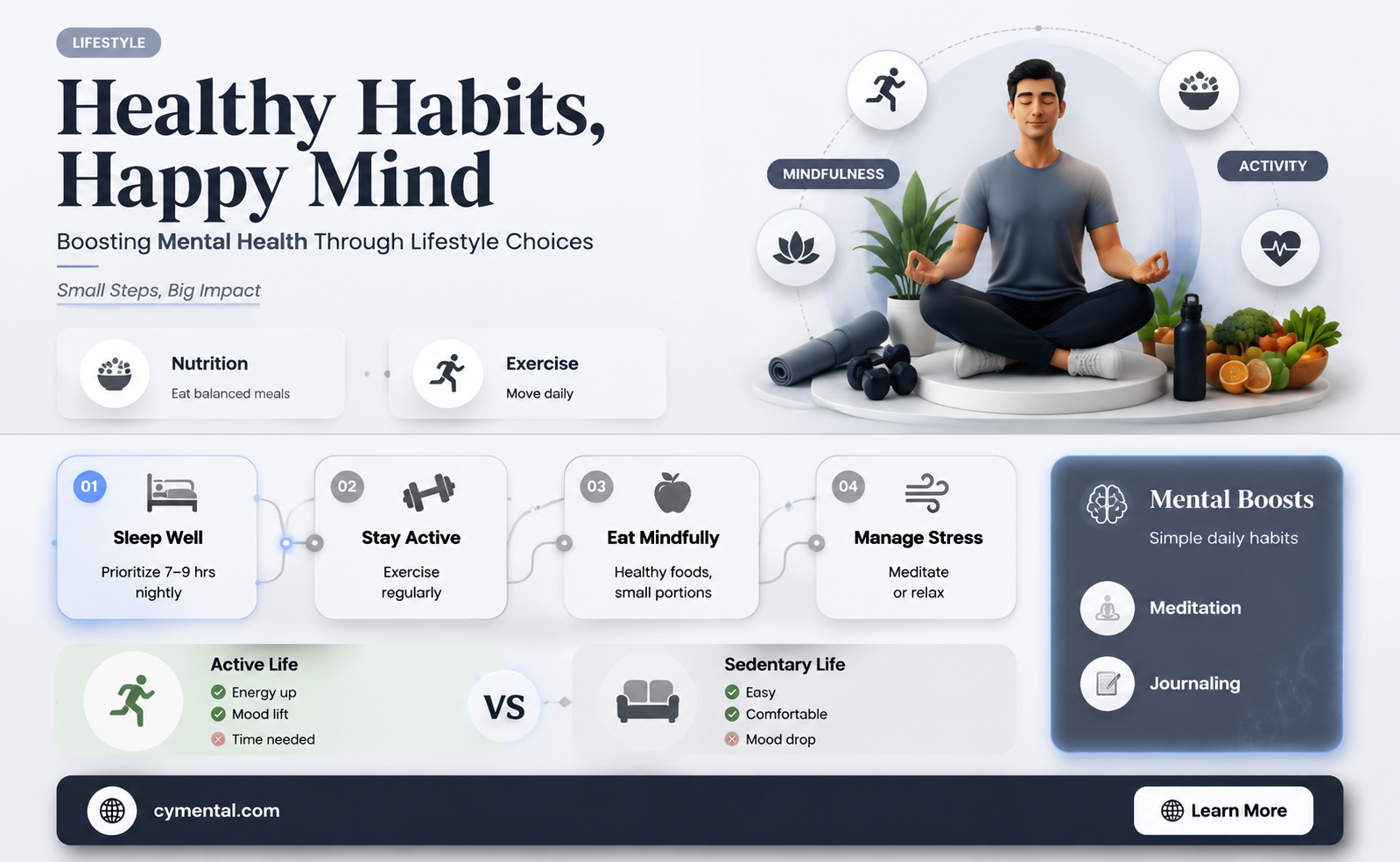
Adopting a healthy lifestyle can significantly enhance mental health by fostering a strong mind-body connection. Regular physical activity, such as exercise, boosts endorphin production, reducing stress and anxiety while improving mood. A balanced diet rich in nutrients supports brain function and stabilizes emotions, while adequate sleep ensures cognitive clarity and emotional resilience. Mindfulness practices, like meditation, promote relaxation and reduce symptoms of depression. Additionally, limiting alcohol and avoiding smoking protect against mental health deterioration. Social connections and meaningful relationships, nurtured through a healthy lifestyle, provide emotional support and reduce feelings of isolation. Together, these habits create a foundation for improved mental well-being, empowering individuals to manage challenges and cultivate a positive outlook on life.
Explore related products

$9.79 $17.99


What You'll Learn
- Regular Exercise: Boosts mood, reduces stress, and improves overall mental well-being through endorphin release
- Balanced Diet: Nutrient-rich foods support brain function, stabilize emotions, and enhance cognitive clarity
- Quality Sleep: Adequate rest improves emotional resilience, memory, and reduces anxiety and depression risks
- Mindfulness Practices: Meditation and deep breathing reduce stress, increase focus, and promote emotional balance
- Social Connections: Strong relationships provide support, reduce loneliness, and foster a sense of belonging

Regular Exercise: Boosts mood, reduces stress, and improves overall mental well-being through endorphin release
Physical activity isn't just about building muscle or shedding pounds. It's a powerful tool for rewiring your brain chemistry. When you engage in regular exercise, your body releases endorphins, often referred to as "feel-good" hormones. These natural chemicals act as natural painkillers and mood elevators, creating a sense of euphoria and well-being. Think of it as a natural antidepressant, one that doesn't come with a prescription and has countless additional health benefits.
Studies show that even moderate exercise, like a brisk 30-minute walk most days of the week, can significantly reduce symptoms of anxiety and depression. For those struggling with stress, exercise provides a healthy outlet, allowing you to channel your worries into physical exertion and emerge feeling calmer and more focused.
Imagine this: you've had a stressful day at work, deadlines looming and emails piling up. Instead of reaching for a sugary snack or zoning out in front of the TV, you lace up your sneakers and head out for a run. As your heart rate increases, so does your endorphin production. Suddenly, the weight of the day starts to lift. Your mind clears, and you return home feeling refreshed, energized, and better equipped to tackle those challenges. This isn't just anecdotal; it's backed by science.
Incorporating regular exercise into your routine doesn't have to mean grueling gym sessions. Find activities you enjoy, whether it's dancing, swimming, cycling, or even a vigorous game of frisbee with your dog. Aim for at least 150 minutes of moderate-intensity aerobic activity or 75 minutes of vigorous activity per week, as recommended by most health organizations. Remember, consistency is key. Even short bursts of activity throughout the day can accumulate significant benefits.
Start small, listen to your body, and gradually increase the intensity and duration of your workouts. Soon, you'll notice not only physical changes but also a noticeable improvement in your mood, stress levels, and overall mental clarity. Regular exercise isn't just about looking good; it's about feeling good, from the inside out.
Supporting Teens: Practical Strategies for Navigating Mental Health Challenges
You may want to see also
Explore related products



Balanced Diet: Nutrient-rich foods support brain function, stabilize emotions, and enhance cognitive clarity
The brain, a voracious energy consumer, demands a constant supply of nutrients to function optimally. A balanced diet, rich in essential vitamins, minerals, and healthy fats, acts as its premium fuel. Think of it as high-octane gasoline for a race car – the right fuel ensures peak performance, preventing sputters and stalls.
Nutrient deficiencies, on the other hand, can lead to cognitive fog, mood swings, and increased vulnerability to mental health issues like depression and anxiety.
Omega-3 fatty acids, found abundantly in fatty fish like salmon and sardines, are prime examples of brain-boosting nutrients. Studies suggest a daily intake of 250-500 mg of EPA and DHA, the active forms of omega-3s, can improve mood, memory, and focus. Similarly, complex carbohydrates found in whole grains provide a steady stream of glucose, the brain's primary energy source, preventing energy crashes and irritability.
B vitamins, particularly folate and B12, are crucial for neurotransmitter production, the brain's chemical messengers. Deficiencies can lead to fatigue, depression, and cognitive decline. Leafy greens, legumes, and fortified cereals are excellent sources.
While specific nutrients are vital, the synergy of a balanced diet is key. A diet rich in fruits, vegetables, whole grains, lean protein, and healthy fats provides a symphony of nutrients that work together to support brain health. Imagine a well-rehearsed orchestra – each instrument plays a unique role, but it's the harmonious blend that creates the beautiful music.
Similarly, a balanced diet orchestrates optimal brain function, emotional stability, and cognitive clarity.
Practical implementation is key. Start by incorporating more whole, unprocessed foods into your daily meals. Aim for a colorful plate, ensuring a variety of fruits and vegetables. Choose whole grains over refined carbohydrates. Include sources of lean protein like fish, poultry, beans, and nuts. Limit processed foods, sugary drinks, and excessive saturated fats, as they can have detrimental effects on brain health. Remember, small, sustainable changes are more effective than drastic overhauls. Think of it as a marathon, not a sprint, towards a healthier, happier mind.
Happiness Boosts Mental Health: Doctors Reveal Surprising Benefits
You may want to see also
Explore related products




Quality Sleep: Adequate rest improves emotional resilience, memory, and reduces anxiety and depression risks
Sleep is the cornerstone of mental fortitude. During deep sleep, the brain clears waste products like beta-amyloid plaques, which are linked to depression and anxiety when accumulated. A study in *Nature Communications* found that individuals with sleep disturbances had a 30% higher likelihood of developing mood disorders. Conversely, 7-9 hours of uninterrupted sleep per night strengthens emotional resilience by regulating the amygdala, the brain’s emotional hub, and enhancing prefrontal cortex function, which governs rational decision-making.
To harness these benefits, prioritize sleep hygiene. Establish a consistent sleep schedule, even on weekends, to synchronize your circadian rhythm. Limit exposure to blue light from screens at least one hour before bed, as it suppresses melatonin production. Instead, engage in calming activities like reading or meditation. For those struggling with insomnia, cognitive-behavioral therapy for insomnia (CBT-I) has proven effective, with 70-80% of patients experiencing long-term improvement. Avoid caffeine after 2 PM and create a sleep-conducive environment—cool, dark, and quiet.
Consider the comparative impact of sleep on memory consolidation. During REM sleep, the brain transfers information from short-term to long-term memory, a process critical for learning and problem-solving. A study in *Science* revealed that participants who slept after learning retained 85% of new information, compared to 60% for those who stayed awake. For students or professionals, this underscores the importance of prioritizing sleep during exam periods or high-stakes projects.
However, achieving quality sleep isn’t always straightforward. Stress, irregular work schedules, and medical conditions like sleep apnea can disrupt rest. For shift workers, gradual adjustments to sleep timing and strategic napping (20-30 minutes) can mitigate risks. Parents of young children, who often experience fragmented sleep, should aim for “sleep banking”—accumulating extra sleep hours on days when schedules permit. Even small improvements, like reducing sleep debt by 1-2 hours nightly, can yield noticeable mental health benefits within weeks.
In conclusion, quality sleep is not a luxury but a necessity for mental health. By understanding its biological mechanisms and implementing practical strategies, individuals can build emotional resilience, enhance memory, and reduce the risk of anxiety and depression. Start tonight—your brain will thank you tomorrow.
Clean Spaces, Clear Minds: How Room Organization Impacts Mental Health
You may want to see also
Explore related products


$9.99 $17.99


Mindfulness Practices: Meditation and deep breathing reduce stress, increase focus, and promote emotional balance
Stress, a silent saboteur of mental well-being, often feels like an inescapable companion in our fast-paced lives. Enter mindfulness practices, specifically meditation and deep breathing, which act as powerful antidotes to this pervasive issue. Research shows that just 10 minutes of daily meditation can significantly reduce cortisol levels, the hormone associated with stress. Similarly, deep breathing exercises, such as diaphragmatic breathing, activate the body’s relaxation response, calming the nervous system in as little as 5 minutes. These practices aren’t just temporary fixes; they rewire the brain over time, enhancing its ability to manage stress and fostering resilience.
To integrate these practices into your routine, start small. Beginners can begin with guided meditation apps like Headspace or Calm, which offer sessions as short as 3 minutes. For deep breathing, try the 4-7-8 technique: inhale for 4 seconds, hold for 7, and exhale for 8. Consistency is key; aim to practice at the same time daily, whether it’s first thing in the morning or before bed. Even children and teenagers can benefit—simplified mindfulness exercises in schools have been shown to improve focus and emotional regulation in students as young as 8 years old.
While the benefits are clear, it’s important to approach mindfulness with realistic expectations. Meditation isn’t about emptying the mind but observing thoughts without judgment. If you find your mind wandering, gently redirect your focus to your breath—this act of refocusing is where the real practice lies. Deep breathing, too, requires patience; it may feel unnatural at first, but with repetition, it becomes second nature. Avoid comparing your progress to others; mindfulness is a deeply personal journey.
The science behind these practices is compelling. Studies using MRI scans reveal that regular meditation increases gray matter in the prefrontal cortex, the brain region responsible for focus and emotional regulation. Deep breathing, meanwhile, shifts the body from a sympathetic (fight-or-flight) state to a parasympathetic (rest-and-digest) state, lowering heart rate and blood pressure. Together, these practices create a foundation for emotional balance, enabling individuals to respond to life’s challenges with clarity rather than reactivity.
Incorporating mindfulness into daily life doesn’t require a monastic commitment. Simple acts like mindful walking—paying attention to each step and your surroundings—or mindful eating—savoring each bite without distractions—can amplify the benefits. For those with busy schedules, even a minute of deep breathing during a work break can reset the mind. The goal isn’t perfection but progress, one breath or moment of awareness at a time. By embracing these practices, you’re not just managing stress—you’re cultivating a mindset that nurtures mental health from the inside out.
Supporting Your Child’s Mental Health: Practical Steps for Parents
You may want to see also
Explore related products


Social Connections: Strong relationships provide support, reduce loneliness, and foster a sense of belonging
Human beings are inherently social creatures, and our mental health thrives when we cultivate meaningful connections with others. Strong relationships act as a buffer against life's stressors, providing a safety net of emotional support and practical help. When we feel understood, valued, and accepted by those around us, our sense of self-worth and resilience grows. This, in turn, can reduce the risk of developing mental health issues such as depression and anxiety.
Consider the impact of loneliness on mental health. Studies show that chronic loneliness can be as detrimental to health as smoking 15 cigarettes a day. It increases the likelihood of developing mental health problems, including depression, anxiety, and even cognitive decline in older adults. Conversely, individuals with strong social connections tend to have lower levels of stress hormones, such as cortisol, and higher levels of oxytocin, often referred to as the "love hormone," which promotes feelings of trust and bonding. For example, spending just 30 minutes a day engaging in meaningful conversation with a friend or loved one can significantly boost mood and reduce feelings of isolation.
To build and maintain strong relationships, it’s essential to prioritize quality over quantity. Focus on nurturing a few close connections rather than spreading yourself too thin across many superficial ones. Practical steps include scheduling regular check-ins, whether in person or via video call, and actively listening when others share their thoughts and feelings. For those aged 65 and older, community groups or volunteer work can be particularly beneficial, as they provide opportunities to meet people with similar interests and contribute to a sense of purpose. Younger adults might benefit from joining clubs, sports teams, or online communities that align with their passions.
However, fostering strong relationships isn’t without its challenges. Miscommunication, conflict, and differing expectations can strain even the closest bonds. To navigate these hurdles, practice empathy and open communication. If a relationship feels one-sided or draining, it’s okay to set boundaries or seek professional guidance. Couples therapy, for instance, can help partners improve communication and resolve conflicts constructively. Similarly, group therapy or support groups can provide a safe space to connect with others facing similar challenges, reducing feelings of isolation.
In conclusion, strong social connections are a cornerstone of mental well-being. They provide emotional support, reduce loneliness, and foster a sense of belonging, all of which are vital for maintaining good mental health. By investing time and effort into building and nurturing relationships, we not only enhance our own mental resilience but also contribute to the well-being of those around us. Start small—reach out to someone today, whether it’s a friend, family member, or even a neighbor. The impact of a single conversation might be more profound than you realize.
Music Therapy: How Learning an Instrument Boosts Mental Well-Being
You may want to see also
Frequently asked questions
Regular exercise releases endorphins, which reduce stress and improve mood. It also promotes better sleep, boosts self-esteem, and reduces symptoms of anxiety and depression by increasing brain chemicals like serotonin and dopamine.
Yes, a balanced diet rich in nutrients like omega-3 fatty acids, vitamins, and minerals supports brain health. Foods like fruits, vegetables, whole grains, and lean proteins can stabilize mood, reduce inflammation, and lower the risk of mental health disorders.
Adequate sleep allows the brain to process emotions, consolidate memories, and recover from daily stress. Poor sleep is linked to increased irritability, anxiety, and depression, while consistent sleep improves emotional resilience and cognitive function.
Social connections reduce feelings of loneliness and provide emotional support, which are crucial for mental well-being. A healthy lifestyle, including regular exercise and shared activities, can create opportunities for social interaction, fostering stronger relationships and a sense of belonging.