Ava Ramirez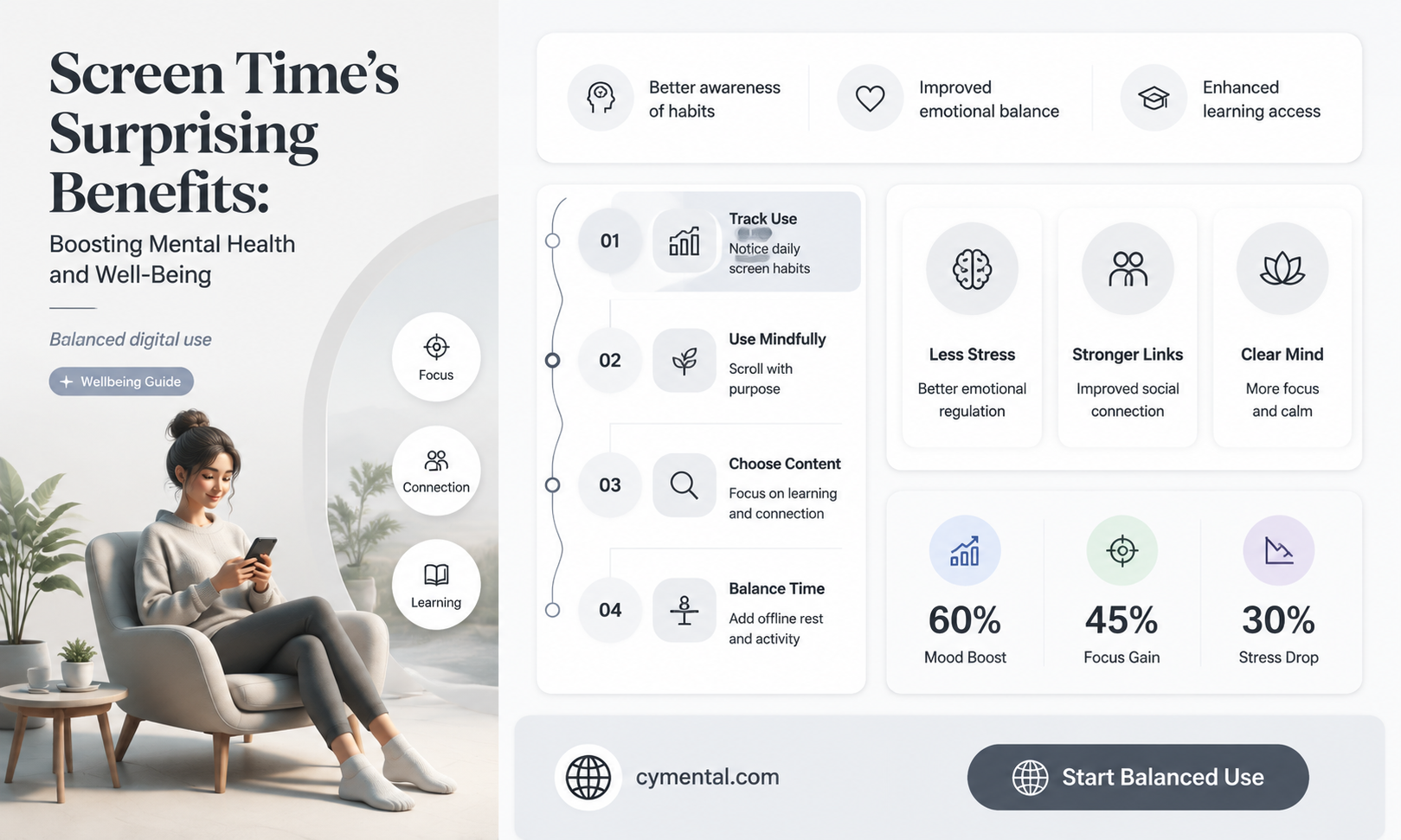
While excessive screen time is often associated with negative effects on mental health, when used mindfully, it can actually be a valuable tool for supporting well-being. Screen time can provide access to mental health resources, such as therapy apps, meditation guides, and online support groups, making professional help and self-care practices more accessible. It also facilitates social connections, allowing individuals to maintain relationships and combat loneliness through video calls, social media, and online communities. Additionally, educational content and creative outlets available on screens can foster learning, personal growth, and stress relief. By setting boundaries and choosing content intentionally, screen time can be harnessed to positively impact mental health.
| Characteristics | Values |
|---|---|
| Social Connection | Screen time can facilitate connections via social media, video calls, and messaging, reducing feelings of loneliness and isolation. |
| Access to Mental Health Resources | Provides access to therapy apps (e.g., BetterHelp, Calm), mental health forums, and online support groups. |
| Educational Content | Offers access to mental health education, self-help videos, and mindfulness apps, promoting self-awareness and coping skills. |
| Stress Relief | Engaging with relaxing content (e.g., nature videos, games) can reduce stress and anxiety. |
| Community Building | Online communities for specific mental health issues (e.g., Reddit, Facebook groups) provide peer support and shared experiences. |
| Tracking Mental Health | Apps like Moodpath and Daylio help users track moods and identify patterns, aiding in early intervention. |
| Creative Outlets | Platforms like TikTok, Instagram, and YouTube allow users to express themselves creatively, boosting self-esteem. |
| Teletherapy Access | Virtual therapy sessions make mental health care more accessible, especially in remote areas. |
| Mindfulness and Meditation | Apps like Headspace and Insight Timer offer guided meditations to improve mental well-being. |
| Skill Development | Online courses and tutorials can enhance skills, providing a sense of accomplishment and purpose. |
| Distraction from Negative Thoughts | Engaging content can serve as a healthy distraction from rumination and negative thought patterns. |
| Personalized Content | Algorithms tailor content to individual preferences, offering comfort and relevance. |
| Gamification of Mental Health | Games and apps (e.g., SuperBetter) use gamification to make mental health practices engaging and rewarding. |
| Crisis Support | Hotlines and crisis text lines (e.g., Crisis Text Line) provide immediate support during emergencies. |
| Flexibility and Convenience | Screen time allows users to access mental health tools anytime, anywhere, fitting into busy schedules. |
Explore related products

$14.95 $14.95


What You'll Learn
- Mindfulness Apps: Guided meditation and relaxation tools reduce stress and improve focus effectively
- Social Connection: Virtual interactions combat loneliness, fostering support and community engagement
- Educational Content: Learning new skills boosts confidence and provides a sense of accomplishment
- Creative Outlets: Digital art, writing, or music apps encourage self-expression and emotional release
- Therapy Access: Online counseling platforms offer convenient mental health support and resources

Mindfulness Apps: Guided meditation and relaxation tools reduce stress and improve focus effectively
In a world where stress and distractions are constant companions, mindfulness apps offer a digital sanctuary. These tools, designed to guide users through meditation and relaxation techniques, have become a cornerstone for those seeking mental clarity and emotional balance. By leveraging the very screens often blamed for distraction, these apps transform devices into instruments of calm, proving that screen time can indeed be therapeutic.
Consider the mechanics: mindfulness apps typically feature guided sessions ranging from 5 to 30 minutes, tailored to address specific needs like anxiety reduction, sleep improvement, or focus enhancement. For instance, apps like Headspace and Calm use evidence-based practices, such as mindfulness meditation and body scan techniques, to help users manage stress. Studies suggest that consistent use—even just 10 minutes daily—can lead to measurable improvements in focus and emotional regulation. For younger users, apps like Smiling Mind offer age-appropriate content, ensuring that children as young as 7 can benefit from these practices.
However, the effectiveness of mindfulness apps hinges on intentional use. Simply downloading an app isn’t enough; users must commit to regular practice. Start small: integrate a 5-minute session into your morning routine or use a guided meditation during your lunch break. Pairing app usage with offline habits, such as deep breathing exercises or journaling, can amplify benefits. Caution against over-reliance: while these tools are powerful, they shouldn’t replace professional mental health support when needed.
The comparative advantage of mindfulness apps lies in their accessibility. Unlike in-person classes, these apps are available anytime, anywhere, making them ideal for busy schedules or those in remote areas. They also offer variety—users can explore different techniques, from loving-kindness meditation to progressive muscle relaxation, until they find what resonates. This flexibility ensures that mindfulness isn’t a one-size-fits-all solution but a customizable practice.
In essence, mindfulness apps redefine screen time as an opportunity for self-care. By combining ancient practices with modern technology, they provide a practical, effective way to combat stress and enhance focus. The key is consistency and mindfulness in how we use these tools—not just what they offer. With the right approach, your screen can become a gateway to inner peace, not a source of overwhelm.
Can You Admit Yourself to Mental Health Treatment? A Guide
You may want to see also
Explore related products


Social Connection: Virtual interactions combat loneliness, fostering support and community engagement
Loneliness is a silent epidemic, affecting people of all ages and backgrounds. Virtual interactions, once dismissed as superficial, have emerged as a powerful antidote. For older adults, video calls with family can bridge geographical gaps, offering daily check-ins that combat isolation. Teens, often stereotyped as screen-obsessed, find solace in online communities where shared interests foster belonging. Even brief, intentional virtual connections—like a 15-minute group chat or a weekly online book club—can significantly reduce feelings of loneliness. The key lies in quality over quantity: structured, meaningful interactions trump passive scrolling.
Consider the mechanics of virtual bonding. Platforms like Zoom, Discord, and even multiplayer games create spaces where individuals can engage in real-time, face-to-face (or voice-to-voice) conversations. For introverts or those with social anxiety, these environments offer a low-pressure way to practice social skills. Research shows that even emoji-filled messages can convey emotional support, mimicking the nuances of in-person communication. For instance, a study published in *Computers in Human Behavior* found that virtual interactions can activate the same brain regions associated with empathy and connection as physical meetings. The takeaway? Digital tools aren’t just placeholders for real life—they’re legitimate avenues for fostering emotional bonds.
However, not all virtual interactions are created equal. Mindless scrolling through social media feeds can exacerbate loneliness by triggering comparison and FOMO. To maximize the mental health benefits, set boundaries. Limit passive consumption to 30 minutes daily and allocate the rest of your screen time to active engagement. Schedule virtual coffee dates, join online support groups, or participate in live-streamed events. For parents, encourage teens to use screens for collaborative activities like group study sessions or virtual game nights rather than solitary browsing. The goal is to transform screen time from a solitary escape into a tool for connection.
Critics argue that virtual interactions lack the depth of physical presence, but this overlooks their unique advantages. Online communities often provide specialized support that’s hard to find locally. For example, someone battling a rare illness can connect with others worldwide who truly understand their experience. Similarly, marginalized groups—such as LGBTQ+ youth in conservative areas—find safe spaces online to express themselves authentically. These connections aren’t just supplementary; they’re lifelines. By leveraging technology thoughtfully, we can turn screens into bridges, not barriers.
Supporting Mental Health: How Loved Ones Can Make a Difference
You may want to see also
Explore related products


$12.23 $14.39


Educational Content: Learning new skills boosts confidence and provides a sense of accomplishment
Learning a new skill through educational content can be a powerful tool for enhancing mental well-being, particularly by fostering confidence and a sense of accomplishment. Online platforms offer an unprecedented opportunity to access knowledge, from coding tutorials on YouTube to language courses on apps like Duolingo. These resources are often designed to be bite-sized, making it easier to fit learning into daily routines without feeling overwhelmed. For instance, dedicating just 15–30 minutes a day to learning a new skill can lead to measurable progress within weeks, providing a tangible sense of achievement that positively impacts self-esteem.
Consider the analytical perspective: the process of mastering a skill triggers the brain’s reward system, releasing dopamine, a neurotransmitter associated with pleasure and motivation. This biochemical response not only reinforces the learning behavior but also combats feelings of stagnation or inadequacy. For example, a study published in *Psychology Today* found that individuals who engaged in structured online learning reported higher levels of self-efficacy compared to those who did not. The key lies in setting realistic goals—whether it’s completing a module, solving a coding problem, or mastering a new vocabulary set—and celebrating each milestone.
From an instructive standpoint, maximizing the mental health benefits of educational screen time requires intentionality. Start by identifying a skill that aligns with personal interests or long-term goals. For younger learners (ages 10–18), platforms like Khan Academy or Coursera Kids offer age-appropriate content that balances engagement with educational value. Adults might explore specialized courses on LinkedIn Learning or Udemy, focusing on skills that enhance career prospects or hobbies. Pairing learning with accountability, such as joining online communities or sharing progress on social media, can amplify the sense of accomplishment.
A comparative analysis reveals that educational screen time differs from passive consumption, such as scrolling through social media, in its ability to provide active engagement and measurable outcomes. While binge-watching a series might offer temporary distraction, learning a skill demands focus and effort, yielding long-term psychological benefits. For instance, a 2021 survey by the American Psychological Association found that 72% of respondents who engaged in skill-building activities reported improved mood and reduced anxiety, compared to 45% of those who primarily consumed entertainment content. The takeaway? Prioritize content that challenges and educates rather than merely entertains.
Finally, a descriptive approach highlights the transformative potential of educational content. Imagine a 30-year-old professional who, feeling stuck in their career, decides to learn Python through a free online course. Over three months, they progress from basic syntax to building a simple app. Each completed project not only enhances their resume but also instills a renewed sense of purpose and capability. This narrative underscores how screen time, when directed toward learning, can serve as a catalyst for personal growth and mental resilience. By framing educational content as an investment in oneself, individuals can turn screen time into a tool for empowerment rather than escapism.
Fasting for Focus: Enhancing Mental Clarity Through Intermittent Fasting
You may want to see also
Explore related products


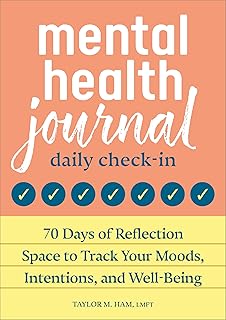


Creative Outlets: Digital art, writing, or music apps encourage self-expression and emotional release
Digital art, writing, and music apps aren’t just tools for passing time—they’re gateways to self-expression that can profoundly benefit mental health. These platforms allow users to transform abstract emotions into tangible creations, whether through a digital painting, a journal entry, or a composed melody. For instance, apps like Procreate or GarageBand offer intuitive interfaces that lower the barrier to creativity, making it accessible even to beginners. This immediacy is key: when frustration or anxiety strikes, opening an app and starting to create can provide an instant outlet for emotional release.
Consider the process of digital art. Unlike traditional mediums, which require setup and cleanup, art apps like Autodesk Sketchbook or Adobe Fresco let users dive straight into creation. This convenience encourages spontaneous expression, particularly for those who struggle with perfectionism. Research suggests that engaging in creative activities reduces cortisol levels, the hormone associated with stress. Spending just 20–30 minutes daily on a digital canvas can serve as a meditative practice, helping to clear the mind and refocus energy.
Writing apps, such as Day One or Scrivener, offer a different kind of release. Journaling has long been recommended by therapists as a way to process emotions, but digital platforms add layers of flexibility. Users can write privately, set reminders to reflect regularly, or even incorporate multimedia elements like photos or voice recordings. For teens and young adults, who often find traditional journaling cumbersome, these apps make the practice more engaging. Studies show that consistent journaling can improve mood and reduce symptoms of depression, particularly when done for 15–20 minutes, 3–4 times a week.
Music apps, meanwhile, tap into the universal language of sound. Platforms like BandLab or HumOn allow users to compose, mix, or even hum melodies that the app transcribes into full arrangements. For those who find words insufficient to express their feelings, music becomes a powerful alternative. A study published in *Psychology of Music* found that creating music, even digitally, can enhance emotional regulation and reduce feelings of loneliness. Beginners can start with simple loops or beats, gradually building complexity as confidence grows.
The key to leveraging these apps for mental health lies in consistency and intention. Treat them not as distractions but as tools for emotional work. For example, set aside a specific time each day—perhaps during a lunch break or before bed—to engage with one app. Avoid multitasking; focus solely on the creative process. For parents or educators, encourage children to use these apps as a way to process their day, especially after stressful events. Pairing creativity with mindfulness—such as taking deep breaths before starting—can amplify the therapeutic effects.
In a world where screen time is often vilified, these apps remind us that technology can be a force for healing. By turning devices into canvases, journals, or studios, users can transform passive consumption into active creation, fostering self-expression and emotional resilience in the process.
Gaming for Mental Health: A New Era Under the Presidency
You may want to see also
Explore related products


Therapy Access: Online counseling platforms offer convenient mental health support and resources
Online counseling platforms have revolutionized the way people access mental health support, breaking down barriers of geography, time, and stigma. For individuals in remote areas, those with mobility challenges, or anyone with a busy schedule, these platforms provide a lifeline to professional therapy that might otherwise be inaccessible. Unlike traditional in-person sessions, online counseling allows users to connect with licensed therapists from the comfort of their own homes, often via video calls, messaging, or even phone calls. This flexibility ensures that mental health care can fit into the rhythm of daily life, making it more likely for individuals to seek and continue treatment.
Consider the case of a working parent juggling a full-time job and childcare responsibilities. Finding time to commute to a therapist’s office might feel impossible, but a 30-minute video session during a lunch break or after the kids are in bed becomes feasible. Platforms like BetterHelp, Talkspace, and Calmerry offer subscription-based models, often with unlimited messaging, ensuring that support is available whenever distress arises. For younger users, especially those in the 18–30 age range who are digital natives, this format feels natural and less intimidating than traditional therapy settings.
However, convenience doesn’t come without considerations. While online counseling is effective for many, it may not suit everyone or every condition. Severe mental health issues, such as acute depression or suicidal ideation, often require in-person care or more intensive treatment. Additionally, the lack of physical presence can sometimes limit non-verbal cues, which therapists rely on during sessions. Users should also ensure their chosen platform complies with privacy regulations, such as HIPAA in the U.S., to protect sensitive information.
To maximize the benefits of online counseling, start by researching platforms to find one that aligns with your needs—whether it’s affordability, specialization (e.g., anxiety, grief, or relationships), or communication preferences. Schedule sessions consistently, treating them with the same priority as in-person appointments. If messaging is an option, use it to jot down thoughts or questions between sessions, keeping the therapeutic process ongoing. Finally, be honest with your therapist about what’s working and what isn’t; collaboration ensures the treatment remains tailored to your progress.
In a world where screen time is often vilified, online counseling platforms demonstrate how technology can be a force for good in mental health. By offering convenience, accessibility, and flexibility, they empower individuals to take proactive steps toward well-being, proving that sometimes, the screen can be a bridge to healing.
Moderate Alcohol Consumption: Boosting Mental Function or Myth?
You may want to see also
Frequently asked questions
Yes, screen time can help mental health by providing access to online therapy, mental health apps, and educational resources that promote self-care and coping strategies.
Social connections via screens, such as video calls or social media, can reduce feelings of loneliness and isolation, fostering a sense of community and emotional support.
Yes, screen time can aid in stress relief through activities like watching calming videos, practicing guided meditation apps, or engaging in hobbies that promote relaxation and mindfulness.