Madison Cole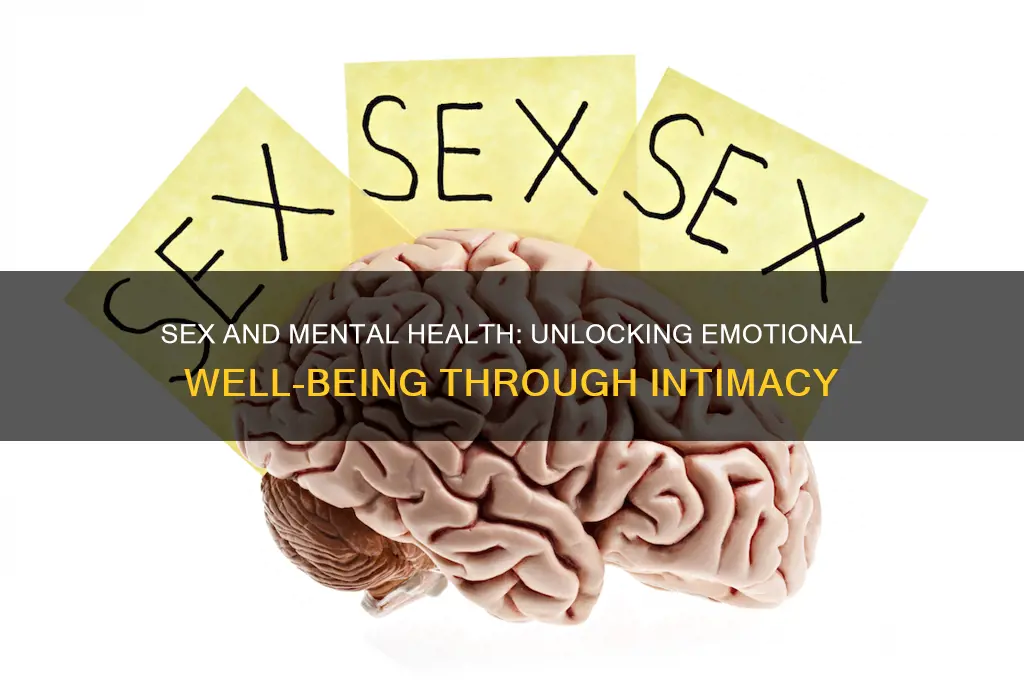
Sex can play a significant role in supporting mental health by releasing neurotransmitters like oxytocin, dopamine, and endorphins, which promote feelings of bonding, pleasure, and stress relief. Engaging in intimate physical activity has been linked to reduced anxiety, improved mood, and enhanced emotional connection with partners. Additionally, sex can boost self-esteem, alleviate symptoms of depression, and improve sleep quality, all of which contribute to overall mental well-being. However, the benefits depend on the context of the relationship and individual experiences, as consensual, positive sexual encounters are key to reaping these mental health advantages.
Explore related products






What You'll Learn
- Stress Reduction: Physical intimacy lowers cortisol, promoting relaxation and reducing anxiety levels effectively
- Emotional Connection: Bonding through sex releases oxytocin, fostering trust and emotional well-being
- Mood Enhancement: Endorphins released during sex combat depression and boost overall happiness
- Improved Sleep: Post-sex hormones like prolactin aid in deeper, more restorative sleep
- Self-Esteem Boost: Positive sexual experiences enhance body image and confidence significantly

Stress Reduction: Physical intimacy lowers cortisol, promoting relaxation and reducing anxiety levels effectively
Physical intimacy acts as a powerful antidote to stress, leveraging the body’s natural chemistry to foster calm. During sexual activity, the brain releases oxytocin, often dubbed the "love hormone," which counteracts cortisol, the primary stress hormone. Studies show that even brief moments of physical connection, such as hugging or kissing, can lower cortisol levels by up to 15%. This hormonal shift creates a physiological relaxation response, reducing muscle tension and slowing heart rate. For individuals grappling with chronic stress, incorporating regular physical intimacy into their routine can serve as a practical, drug-free method to manage anxiety and promote mental well-being.
Consider the mechanics of this process: when cortisol levels drop, the body exits its "fight or flight" mode, allowing the parasympathetic nervous system to take over. This shift encourages deep relaxation, akin to the effects of meditation or mindfulness practices. For instance, a 20-minute session of intimate activity can yield stress-reducing benefits comparable to a 30-minute yoga session. However, unlike structured exercises, physical intimacy often feels more spontaneous and enjoyable, making it easier to integrate into daily life. Couples who prioritize this connection report not only reduced stress but also improved emotional bonding, creating a positive feedback loop for mental health.
To maximize stress reduction through physical intimacy, focus on quality over quantity. A rushed or mechanical approach may not yield the same cortisol-lowering effects as a mindful, present experience. Start by setting aside dedicated time, free from distractions, to engage fully with your partner. Incorporate sensory elements like soft lighting, calming music, or aromatherapy to enhance relaxation. For those without a partner, self-stimulation can also trigger oxytocin release, offering similar stress-relief benefits. The key is consistency; aim for at least two to three sessions per week to maintain cortisol balance and sustain the calming effects.
While physical intimacy is a potent stress reliever, it’s not a one-size-fits-all solution. Factors like age, health, and relationship dynamics can influence its effectiveness. For older adults, gentle intimacy or non-sexual physical touch, such as hand-holding, can still lower cortisol levels. Conversely, individuals with anxiety disorders may initially find intimacy overwhelming; in such cases, start with smaller gestures like cuddling and gradually progress. Always communicate openly with your partner to ensure the experience remains positive and stress-relieving for both parties. When approached thoughtfully, physical intimacy becomes a sustainable tool to combat stress and nurture mental resilience.
English Usage: Perpetuating Colonial Mentality or Fostering Global Communication?
You may want to see also
Explore related products


Emotional Connection: Bonding through sex releases oxytocin, fostering trust and emotional well-being
Sex, particularly when it involves intimacy and emotional engagement, triggers the release of oxytocin, often dubbed the "love hormone." This neurochemical plays a pivotal role in fostering emotional bonds, reducing stress, and enhancing feelings of trust and security. Unlike dopamine, which is linked to pleasure and reward, oxytocin deepens the connection between partners, creating a sense of belonging and emotional well-being. Studies show that higher levels of oxytocin are associated with increased relationship satisfaction and reduced anxiety, making it a key player in mental health through sexual intimacy.
To harness the benefits of oxytocin, focus on creating a safe and emotionally present environment during sex. Prolonged eye contact, gentle touch, and verbal affirmations can amplify its release. For instance, spending 10–15 minutes on foreplay that emphasizes emotional connection—like cuddling, whispering, or sharing vulnerabilities—can significantly boost oxytocin levels. Avoid rushing the experience; the hormone’s effects are cumulative, requiring time and intentionality to manifest fully.
Compare this to casual or purely physical encounters, which may spike dopamine but lack the oxytocin-driven emotional bonding. While dopamine provides immediate pleasure, oxytocin’s long-term impact on mental health is profound, reducing feelings of loneliness and fostering resilience against stressors. For couples, prioritizing emotional intimacy during sex can act as a buffer against depression and anxiety, creating a foundation of trust that extends beyond the bedroom.
Practical tips include incorporating rituals that enhance emotional connection, such as sharing gratitude or discussing fears before or after intimacy. For individuals in long-term relationships, reintroducing novelty—like trying new forms of touch or communication—can reignite oxytocin release. For those with trauma or trust issues, start small: holding hands or hugging for extended periods can gradually rebuild emotional safety. Remember, the goal isn’t just physical release but emotional nourishment, which oxytocin uniquely provides.
In conclusion, sex that prioritizes emotional connection isn’t just about pleasure—it’s a powerful tool for mental health. By understanding and leveraging oxytocin’s role, individuals and couples can cultivate trust, reduce stress, and build a resilient emotional foundation. The key lies in intentionality: slow down, be present, and let vulnerability lead the way.
Physical Pain vs. Mental Anguish: Can One Ease the Other?
You may want to see also
Explore related products




Mood Enhancement: Endorphins released during sex combat depression and boost overall happiness
Sex triggers a cascade of biochemical reactions in the brain, one of the most notable being the release of endorphins. Often referred to as the body’s natural painkillers, endorphins are neurotransmitters that bind to opioid receptors in the nervous system, reducing pain perception and inducing feelings of pleasure and well-being. During sexual activity, particularly at orgasm, endorphin levels surge, creating a euphoric state that can rival the effects of mild opioids. This neurochemical response is a key mechanism behind the mood-enhancing benefits of sex, offering a natural and immediate antidote to stress and low mood.
Consider the practical implications of this endorphin release. For individuals experiencing mild to moderate depression, regular sexual activity can serve as a complementary strategy to traditional treatments like therapy or medication. Studies suggest that even 20–30 minutes of intimate activity can elevate endorphin levels for up to two hours, providing a temporary but significant lift in mood. Pairing sex with mindfulness—focusing on sensory experiences and emotional connection—can amplify its therapeutic effects, as this combination engages both the body’s reward system and the brain’s emotional regulation centers.
However, it’s essential to approach this strategy with nuance. While endorphins are powerful mood modulators, they are not a cure-all for severe mental health conditions. For those with clinical depression or anxiety disorders, sex should be viewed as one tool in a broader toolkit, not a replacement for professional care. Additionally, the quality of the sexual experience matters; consensual, satisfying encounters are more likely to yield positive outcomes than those marked by stress or discomfort. For couples, open communication about desires and boundaries can enhance the emotional and biochemical benefits of intimacy.
To maximize the mood-enhancing potential of sex, consider incorporating it into a routine that prioritizes self-care and stress reduction. For example, engaging in sexual activity in the evening can not only boost endorphins but also improve sleep quality, as the hormone oxytocin, released post-orgasm, promotes relaxation. For solo individuals, masturbation can be equally effective, as it triggers the same neurochemical responses. Regardless of the context, consistency is key; aiming for 2–3 sessions per week can help maintain stable endorphin levels and contribute to long-term emotional resilience.
In summary, the endorphin release during sex offers a tangible, science-backed way to combat depression and elevate happiness. By understanding this mechanism and integrating it thoughtfully into one’s lifestyle, individuals can harness its benefits to support mental well-being. Whether through partnered intimacy or self-pleasure, this natural mood booster is accessible, cost-effective, and free of side effects—making it a valuable addition to anyone’s mental health toolkit.
Embracing Authenticity: How Being Trans Enhances Mental Well-Being
You may want to see also
Explore related products


Improved Sleep: Post-sex hormones like prolactin aid in deeper, more restorative sleep
Sexual activity triggers the release of prolactin, a hormone that plays a pivotal role in regulating sleep patterns. After orgasm, prolactin levels surge, particularly in men, though women also experience this increase. This hormonal spike is associated with feelings of relaxation and drowsiness, acting as a natural sedative. Studies suggest that prolactin promotes deeper sleep cycles, enhancing the restorative phases of sleep where the body repairs tissues and consolidates memories. For individuals struggling with sleep quality, understanding this biological mechanism highlights how sex can serve as a practical, drug-free intervention to improve rest.
Consider the practical implications for those with insomnia or disrupted sleep patterns. Engaging in sexual activity an hour or two before bedtime can harness prolactin’s effects, creating an optimal environment for falling asleep faster and staying asleep longer. Unlike sleep aids, which may carry side effects or dependency risks, sex offers a holistic approach that addresses both physical and psychological barriers to sleep. For couples, this also strengthens emotional bonds, creating a dual benefit of improved mental health and relationship satisfaction.
However, it’s essential to note that the timing and context matter. For maximum benefit, avoid vigorous activity too close to bedtime, as the initial adrenaline rush might counteract prolactin’s effects. Instead, opt for a more relaxed, intimate experience that prioritizes connection over intensity. Additionally, consistency is key; incorporating regular sexual activity into a bedtime routine can train the body to associate these moments with sleep, reinforcing the prolactin response over time.
From a comparative perspective, prolactin’s role in post-sex sleep improvement rivals other natural sleep inducers like melatonin. While melatonin supplements are widely used, they often require precise dosing and may not address underlying stress or anxiety. Sex, on the other hand, combines hormonal benefits with stress reduction, as orgasms release oxytocin and endorphins, further calming the mind. This multi-faceted approach makes sex a more comprehensive solution for those seeking both mental and physical restoration through sleep.
Incorporating this knowledge into daily life requires mindfulness and communication. For individuals or couples, discussing preferences and boundaries ensures the experience remains positive and sleep-enhancing. For older adults or those with health concerns, consulting a healthcare provider can help tailor this approach to specific needs. By leveraging the natural interplay of hormones like prolactin, sex becomes not just an act of intimacy but a strategic tool for achieving deeper, more restorative sleep—a cornerstone of mental well-being.
Dogs and Mental Health: Surprising Statistics on Emotional Support
You may want to see also
Explore related products

$26.31 $34.99


Self-Esteem Boost: Positive sexual experiences enhance body image and confidence significantly
Positive sexual experiences act as a mirror reflecting desirability, acceptance, and pleasure, reshaping how individuals perceive their bodies. When a partner expresses admiration or enjoys physical intimacy, it counters internalized criticisms and societal beauty standards. For instance, a study published in the *Journal of Sex Research* found that individuals who felt desired during sexual encounters reported higher body satisfaction, regardless of their BMI or age. This dynamic isn’t limited to partnered sex; solo exploration can also foster self-acceptance by focusing on sensations rather than appearance. The key lies in the emotional validation that accompanies these experiences, which gradually erodes self-doubt.
To harness this effect, start by setting intentions for intimacy—whether alone or with a partner. Focus on what feels good rather than how you look. For partnered sex, communicate preferences openly to ensure the experience aligns with your comfort and desires. Incorporate non-sexual touch, like cuddling or massage, to reinforce the connection between physical affection and self-worth. For solo exploration, experiment with different sensations and environments to discover what brings you joy. Consistency matters: aim for at least one intentional, positive sexual experience per week to build a foundation of confidence over time.
Critics might argue that tying self-esteem to sexual experiences risks dependency or vulnerability. However, the goal isn’t to make self-worth contingent on sex but to use it as a tool for self-discovery and affirmation. Caution against seeking validation solely from external sources; instead, view positive sexual experiences as a complement to internal growth. For those with trauma or body image disorders, proceed gently—consider working with a therapist to ensure these experiences remain empowering rather than triggering.
The takeaway is clear: positive sexual experiences are a powerful catalyst for improving body image and confidence. By reframing intimacy as a celebration of the self, individuals can dismantle insecurities and embrace their bodies with pride. This isn’t about achieving perfection but about cultivating a mindset of acceptance and pleasure. Whether through partnered connection or solo exploration, the right approach can turn sexual experiences into a source of enduring self-esteem.
Psychotropic Drugs: Effective Treatment for Mental Illness or Overhyped Solution?
You may want to see also
Frequently asked questions
Sex triggers the release of endorphins and oxytocin, which are natural mood enhancers and stress relievers. These hormones help lower cortisol levels, reducing feelings of anxiety and promoting relaxation.
Yes, sexual activity boosts the production of dopamine and serotonin, neurotransmitters linked to happiness and emotional stability. Regular intimacy can enhance overall mood, reduce symptoms of depression, and foster a sense of connection and self-worth.
Consistent sexual activity can strengthen emotional bonds, improve self-esteem, and reduce feelings of loneliness. Over time, it can contribute to better mental resilience, lower stress levels, and a more positive outlook on life.