Madison Cole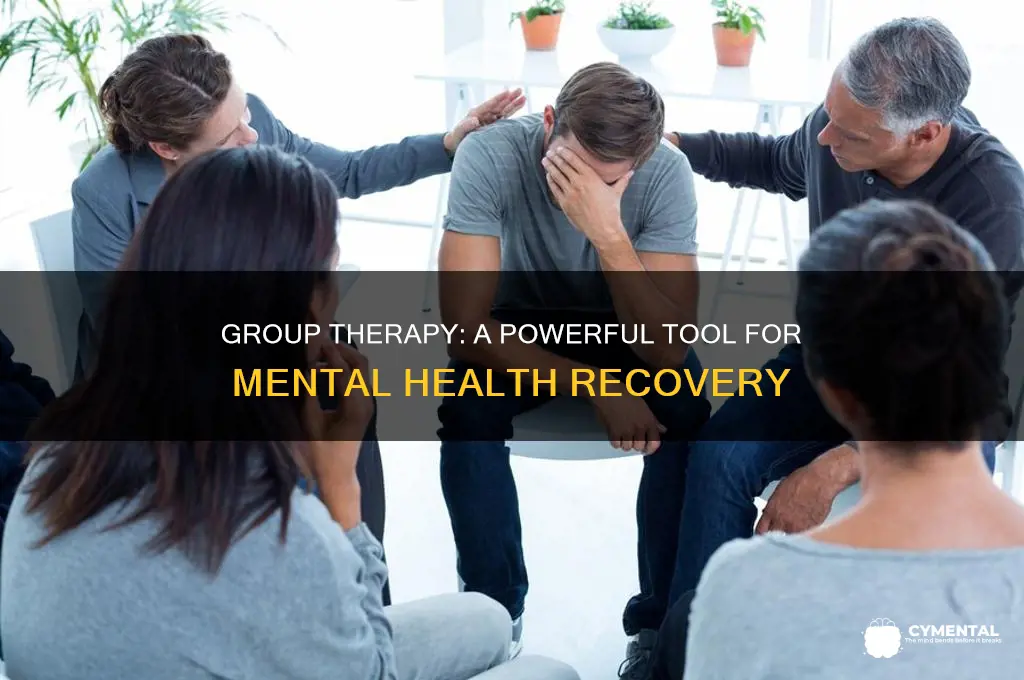
Group therapy can be incredibly beneficial for individuals dealing with mental illness, offering a supportive environment where participants can share experiences, gain insights, and learn coping strategies from others facing similar challenges. The sense of community and understanding fostered in group settings can reduce feelings of isolation, while the structured guidance of a trained therapist helps members navigate their struggles effectively. Additionally, group therapy often provides diverse perspectives, encouraging personal growth and fostering empathy, making it a valuable complement to individual treatment for many mental health conditions.
| Characteristics | Values |
|---|---|
| Social Support | Provides a sense of belonging and reduces feelings of isolation, which are common in mental illness. |
| Shared Experiences | Members can relate to each other's struggles, fostering empathy and understanding. |
| Skill Building | Teaches coping strategies, problem-solving skills, and emotional regulation techniques. |
| Accountability | Encourages members to stay committed to their recovery goals and treatment plans. |
| Normalization | Helps individuals realize they are not alone in their experiences, reducing stigma. |
| Professional Guidance | Many groups are led by trained facilitators who provide expert advice and structure. |
| Cost-Effectiveness | Often more affordable than individual therapy, making mental health support accessible. |
| Consistency | Regular meetings provide a stable routine, which is beneficial for mental health management. |
| Diverse Perspectives | Exposure to different viewpoints can broaden understanding and offer new insights. |
| Empowerment | Encourages self-advocacy and confidence in managing one's mental health. |
| Reduced Symptoms | Studies show group therapy can lead to significant reductions in symptoms of depression, anxiety, and other disorders. |
| Long-Term Benefits | Skills learned in groups can have lasting positive effects on mental health and well-being. |
Explore related products


What You'll Learn
- Peer Support Benefits: Sharing experiences reduces isolation, fosters understanding, and provides emotional validation among group members
- Skill Building Opportunities: Groups teach coping strategies, communication skills, and problem-solving techniques in a safe environment
- Reduced Stigma: Open discussions normalize mental health struggles, challenging societal misconceptions and promoting acceptance
- Accountability & Motivation: Regular group meetings encourage consistency in self-care and treatment adherence for members
- Professional Guidance: Therapist-led groups offer expert insights, structured interventions, and evidence-based practices for recovery

Peer Support Benefits: Sharing experiences reduces isolation, fosters understanding, and provides emotional validation among group members
Sharing personal struggles in a group setting can be a powerful antidote to the silence that often surrounds mental illness. When individuals open up about their experiences, they chip away at the stigma that isolates them. This act of vulnerability creates a ripple effect: one person’s honesty encourages another’s, forming a web of connection where isolation begins to unravel. For instance, a study published in the *Journal of Community Psychology* found that participants in peer support groups reported a 40% reduction in feelings of loneliness after just eight weeks of consistent attendance. This statistic underscores the transformative potential of shared narratives in breaking down the walls of solitude.
Consider the mechanics of how this works. When someone shares their story, they are not just speaking—they are offering a piece of themselves. Listeners, recognizing similar struggles, begin to see their own experiences reflected in others. This mirror effect fosters a deeper understanding that goes beyond empathy; it creates a collective awareness that mental health challenges are not anomalies but shared human experiences. For example, a young adult struggling with anxiety might hear a peer describe their panic attacks and realize their own symptoms are not unique. This recognition can demystify their condition, making it feel less overwhelming and more manageable.
Emotional validation is another critical benefit of peer support groups. In a society where mental health issues are often dismissed or minimized, hearing phrases like “I’ve been there” or “That makes sense” can be profoundly healing. Validation communicates that one’s feelings are legitimate and worthy of acknowledgment. A practical tip for group facilitators is to encourage members to use “I” statements when responding to others, such as “I understand how hard that must be” instead of “You should just think positively.” This approach ensures validation remains personal and non-judgmental.
However, the power of peer support is not without its nuances. While sharing experiences can be therapeutic, it requires a safe and structured environment to be effective. Groups should establish ground rules, such as confidentiality and active listening, to ensure participants feel secure. Additionally, it’s important to balance sharing with actionable strategies. For instance, after discussing challenges, groups can collaboratively brainstorm coping mechanisms or share resources like mindfulness apps or local therapy services. This blend of emotional support and practical advice maximizes the group’s impact.
In conclusion, peer support groups serve as a vital tool in the mental health landscape by reducing isolation, fostering understanding, and providing emotional validation. Through the simple yet profound act of sharing experiences, individuals can transform their struggles into sources of strength and connection. Whether you’re a participant or a facilitator, remember that the power of these groups lies in their ability to turn collective vulnerability into collective resilience. Start small, stay consistent, and watch the ripple effects unfold.
Struggling to Find Adequate Mental Health Support? You're Not Alone
You may want to see also
Explore related products


Skill Building Opportunities: Groups teach coping strategies, communication skills, and problem-solving techniques in a safe environment
Groups provide a unique platform for individuals grappling with mental illness to acquire and refine essential life skills. Unlike one-on-one therapy, which often focuses on introspection and emotional processing, group settings actively foster skill building through shared experiences and structured activities. Members learn coping strategies, such as mindfulness techniques or cognitive reframing, by observing peers and practicing them in real-time. For instance, a study published in the *Journal of Clinical Psychology* found that participants in group therapy for anxiety disorders demonstrated a 40% improvement in coping skills after just 8 weeks of consistent attendance. This hands-on approach accelerates learning, as individuals not only hear about strategies but also see them applied in diverse scenarios.
Communication skills, often impaired by mental health struggles, thrive in the group environment. Members are encouraged to express their thoughts and feelings in a safe, non-judgmental space, which builds confidence and clarity. For example, a common exercise in dialectical behavior therapy (DBT) groups involves role-playing difficult conversations, allowing participants to practice assertiveness and active listening. Research from the *American Psychological Association* highlights that individuals who engage in such group activities report a 35% increase in their ability to communicate effectively within three months. This improvement is particularly vital for those with conditions like depression or social anxiety, where isolation and miscommunication can exacerbate symptoms.
Problem-solving techniques are another critical skill honed in group settings. Through collaborative discussions, members learn to break down complex issues into manageable steps, often drawing on the collective wisdom of the group. For instance, a support group for individuals with bipolar disorder might tackle challenges like managing manic episodes or maintaining medication adherence. A study in *Psychiatric Services* revealed that group participants were 50% more likely to develop actionable problem-solving plans compared to those in individual therapy alone. This structured approach not only empowers individuals but also equips them with tools to navigate future obstacles independently.
The safety of the group environment is paramount to this skill-building process. Facilitated by trained professionals, these spaces ensure that members feel secure enough to take risks, make mistakes, and grow. For younger populations, such as adolescents with ADHD or anxiety, this safety net is particularly crucial. A report from *Child and Adolescent Mental Health* found that teens in group therapy showed a 25% greater improvement in emotional regulation skills compared to those in traditional therapy, largely due to the supportive peer dynamic. This sense of belonging and understanding fosters a willingness to engage, experiment, and ultimately master new skills.
Incorporating skill-building opportunities into group therapy is not just beneficial—it’s transformative. By teaching coping strategies, communication skills, and problem-solving techniques in a safe and collaborative environment, groups offer a holistic approach to mental health recovery. Whether through structured exercises, peer modeling, or professional guidance, these skills become ingrained through practice and repetition. For anyone considering group therapy, the potential for personal growth and practical skill acquisition makes it a powerful tool in the journey toward mental wellness.
Mental Mapping: Boosting Learning, Memory, and Academic Success in School
You may want to see also
Explore related products





Reduced Stigma: Open discussions normalize mental health struggles, challenging societal misconceptions and promoting acceptance
Stigma silences. It turns mental illness into a whispered secret, a burden carried alone. Open discussions within support groups shatter this silence, replacing it with a chorus of shared experiences. Imagine a room where anxiety isn't met with awkward glances, but with nods of recognition. Depression isn't a character flaw, but a shared struggle. This normalization is the first step towards dismantling the walls of stigma.
Groups provide a safe space to say the unsayable. Phrases like "I feel like I'm drowning" or "I can't stop the intrusive thoughts" lose their power to shame when met with understanding, not judgment. This collective vulnerability fosters a sense of "me too," chipping away at the isolating belief that one is fundamentally flawed.
Consider the power of witnessing someone else's journey. A group member sharing their successful coping strategies or their path to recovery offers tangible proof that mental illness isn't a life sentence. It's a powerful antidote to the despairing belief that "things will never get better." This shared hope becomes a catalyst for individual progress, proving that recovery is possible, even probable.
However, reducing stigma isn't just about personal transformation; it's about societal change. As group members re-enter their communities, they carry with them a newfound understanding and empathy. They challenge stereotypes, correct misconceptions, and become advocates for a more compassionate view of mental health. This ripple effect extends far beyond the confines of the group, gradually eroding the societal barriers that perpetuate stigma.
The impact is measurable. Studies show that participation in support groups significantly reduces internalized stigma, leading to increased help-seeking behavior and improved treatment adherence. It's not just about feeling better; it's about living better, free from the shackles of shame and misunderstanding.
Yoga and Mental Health: Unlocking Inner Peace and Resilience
You may want to see also
Explore related products


Accountability & Motivation: Regular group meetings encourage consistency in self-care and treatment adherence for members
Regular group meetings serve as a cornerstone for accountability, transforming vague intentions into actionable habits. When individuals commit to attending sessions, they implicitly agree to a social contract that fosters responsibility. For instance, a study published in the *Journal of Clinical Psychology* found that participants in group therapy were 40% more likely to adhere to their treatment plans compared to those in individual therapy alone. This isn’t merely about showing up; it’s about the unspoken expectation that each member will contribute, share progress, and address setbacks. A missed meeting becomes noticeable, creating a gentle but effective pressure to stay on track. For someone managing depression, this could mean the difference between skipping a medication dose and maintaining a consistent routine.
Consider the mechanics of motivation within these groups. Behavioral science tells us that social reinforcement is a powerful motivator. In a group setting, members often share their successes—whether it’s completing a week of daily journaling or reducing anxiety-induced avoidance behaviors. These shared victories create a ripple effect, inspiring others to strive for similar milestones. For example, a 2019 study on anxiety disorders highlighted that group members who heard peers discuss their progress were twice as likely to engage in recommended self-care practices, such as mindfulness exercises or regular physical activity. The key lies in the collective energy of the group, which can turn abstract goals like “manage stress” into tangible actions like “attend yoga twice a week.”
However, accountability in groups isn’t without its challenges. It requires a delicate balance between support and pressure. Facilitators must ensure that members feel encouraged, not judged, for their lapses. Practical strategies include setting measurable goals—for instance, committing to 15 minutes of meditation daily rather than a vague promise to “meditate more.” Additionally, pairing accountability with compassion is crucial. A member who relapses into harmful coping mechanisms should be met with understanding, not criticism, while still being gently guided back to their treatment plan. This approach ensures that accountability remains a tool for growth, not a source of shame.
To maximize the benefits of group accountability, consider these actionable steps: First, establish clear expectations from the outset. For example, a bipolar disorder support group might require members to track mood fluctuations weekly and share their logs during meetings. Second, incorporate peer-to-peer check-ins, where members pair up to discuss progress between sessions. Third, celebrate small wins publicly—a simple round of applause for someone who attended their first therapy session in months can reinforce positive behavior. Finally, leverage technology by using shared calendars or apps to track collective goals, such as a group aiming to collectively walk 10,000 steps daily for stress reduction.
In conclusion, regular group meetings are more than just a gathering—they are a structured system for fostering accountability and motivation. By combining social reinforcement, measurable goals, and compassionate support, these meetings can significantly enhance self-care and treatment adherence. For individuals navigating mental illness, this structure provides not just a roadmap, but a community invested in their journey. The power of “we” often proves far stronger than the struggle of “I.”
Gym Benefits Beyond Physique: Boosting Mental Health and Well-Being
You may want to see also
Explore related products


Professional Guidance: Therapist-led groups offer expert insights, structured interventions, and evidence-based practices for recovery
Therapist-led groups are not just circles of shared experiences; they are dynamic ecosystems where professional expertise meets collective healing. Unlike peer-only support groups, these sessions are anchored by licensed therapists who bring evidence-based practices, structured interventions, and clinical insights to the table. For instance, Cognitive Behavioral Therapy (CBT) groups, led by trained professionals, have shown significant efficacy in reducing symptoms of anxiety and depression, with studies indicating a 50-70% improvement rate among participants. This structured approach ensures that conversations are not just cathartic but also therapeutic, guiding members toward measurable recovery milestones.
Consider the role of a therapist as both architect and conductor. They design sessions with clear objectives—whether it’s skill-building for emotional regulation or cognitive reframing—and ensure that discussions remain focused and productive. For example, a therapist might introduce a mindfulness exercise at the start of a session, followed by a guided discussion on applying these techniques to real-life stressors. This blend of instruction and interaction creates a safe, goal-oriented environment that fosters both individual growth and group cohesion. Participants aren’t left to navigate their struggles alone; they receive professional feedback in real-time, which can accelerate progress compared to individual therapy alone.
One of the most compelling advantages of therapist-led groups is their ability to tailor evidence-based practices to a collective setting. Dialectical Behavior Therapy (DBT) groups, for instance, teach skills like distress tolerance and interpersonal effectiveness through structured modules, typically delivered over 24 weeks. In a group format, members not only learn from the therapist but also practice these skills with peers, reinforcing their application in social contexts. This dual benefit—expert instruction and peer modeling—amplifies the impact of the therapy, making it particularly effective for conditions like borderline personality disorder or chronic suicidality.
However, the success of these groups hinges on the therapist’s ability to balance structure with flexibility. A skilled facilitator knows when to adhere to the curriculum and when to adapt to the group’s needs. For example, if a member experiences a crisis during a session, the therapist might pivot to a crisis intervention technique, such as grounding exercises, before returning to the planned agenda. This adaptability ensures that the group remains a safe space while still adhering to therapeutic principles.
Practical tips for maximizing the benefits of therapist-led groups include attending consistently (regular participation is key to building trust and momentum), engaging actively in exercises, and applying learned skills outside of sessions. For those considering joining, it’s essential to choose a group aligned with your specific needs—whether it’s trauma-focused, grief-centered, or skill-based. Finally, remember that while the therapist provides the framework, the group’s collective energy and commitment play a pivotal role in transforming insights into lasting change.
Designing Spaces and Experiences to Foster Mental Well-being
You may want to see also
Frequently asked questions
Support groups are highly beneficial for mental illness as they provide a sense of community, reduce feelings of isolation, and offer emotional support from individuals who share similar experiences. They also foster understanding, coping strategies, and encouragement, which can complement professional treatment.
Group therapy can be a valuable addition to individual therapy but is not typically a replacement. It offers unique benefits like peer support and skill-building in social settings, while individual therapy provides personalized, one-on-one care tailored to specific needs.
Online support groups can be equally effective for many individuals, especially those with accessibility barriers or preferences for anonymity. They provide flexibility and a wider reach, though some may find in-person groups more engaging due to face-to-face interaction. Effectiveness often depends on personal comfort and the group's structure.