Madison Cole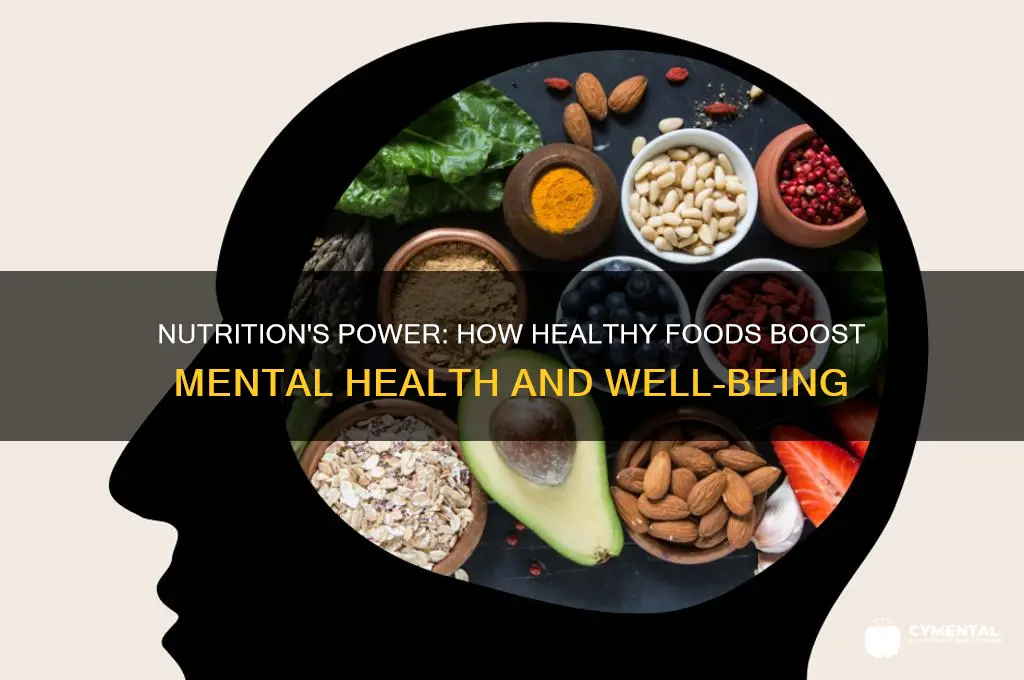
Healthy foods play a pivotal role in supporting mental health by providing essential nutrients that directly influence brain function and emotional well-being. A diet rich in fruits, vegetables, whole grains, lean proteins, and healthy fats can reduce inflammation, balance neurotransmitter levels, and stabilize blood sugar, all of which are critical for managing conditions like depression, anxiety, and stress. For instance, omega-3 fatty acids found in fish and nuts promote cognitive function, while antioxidants in berries and leafy greens combat oxidative stress linked to mood disorders. Additionally, probiotics in fermented foods like yogurt enhance gut health, which is increasingly recognized as a key factor in mental health due to the gut-brain connection. By incorporating nutrient-dense foods into daily meals, individuals can bolster their mental resilience and complement traditional therapies for a holistic approach to mental well-being.
| Characteristics | Values |
|---|---|
| Nutrient Density | Healthy foods rich in vitamins (B, D, E), minerals (magnesium, zinc), and omega-3 fatty acids (EPA, DHA) support brain function and reduce inflammation, linked to improved mood and cognitive health. |
| Gut-Brain Axis | A fiber-rich diet promotes a healthy gut microbiome, which produces neurotransmitters like serotonin (90% is produced in the gut), directly influencing mental health and reducing anxiety/depression. |
| Blood Sugar Regulation | Whole foods with low glycemic index (e.g., whole grains, legumes) stabilize blood sugar levels, preventing mood swings and irritability associated with spikes and crashes. |
| Antioxidant Properties | Foods high in antioxidants (berries, nuts, leafy greens) combat oxidative stress, which is linked to mental health disorders like depression and cognitive decline. |
| Anti-Inflammatory Effects | Diets like the Mediterranean diet reduce systemic inflammation, a key factor in depression, anxiety, and neurodegenerative diseases. |
| Neurotransmitter Support | Foods containing amino acids (e.g., tryptophan in turkey, tyrosine in eggs) are precursors to neurotransmitters like dopamine and serotonin, regulating mood and stress response. |
| Omega-3 Fatty Acids | Found in fatty fish, flaxseeds, and walnuts, omega-3s are crucial for brain structure and function, reducing symptoms of depression and ADHD. |
| Magnesium and Zinc | Magnesium (spinach, almonds) and zinc (pumpkin seeds, chickpeas) deficiencies are linked to anxiety and depression; adequate intake supports emotional regulation. |
| Probiotics and Prebiotics | Fermented foods (yogurt, kimchi) and prebiotic fibers (garlic, bananas) enhance gut health, reducing symptoms of anxiety, depression, and stress. |
| Hydration | Proper hydration (water, herbal teas) improves cognitive function, mood, and reduces fatigue, as dehydration negatively impacts mental clarity and emotional stability. |
| Reduction of Processed Foods | Avoiding processed foods high in sugar, trans fats, and additives reduces inflammation and insulin resistance, both of which are tied to poor mental health outcomes. |
| Long-Term Brain Health | A diet rich in healthy fats, antioxidants, and nutrients (e.g., MIND diet) lowers the risk of Alzheimer’s and cognitive decline in aging populations. |
| Energy and Focus | Complex carbohydrates (oats, quinoa) and protein-rich foods (beans, lean meats) provide sustained energy, improving focus and reducing mental fatigue. |
| Stress Reduction | Foods like dark chocolate (in moderation) and green tea contain compounds (flavonols, L-theanine) that promote relaxation and reduce stress hormone levels. |
| Sleep Quality | Nutrients like magnesium, calcium (dairy, leafy greens), and melatonin-rich foods (cherries, nuts) improve sleep, which is critical for mental health recovery. |
Explore related products



What You'll Learn
- Omega-3s and Mood: Fatty fish, flaxseeds boost serotonin, reduce depression, anxiety symptoms effectively
- Gut-Brain Connection: Probiotics in yogurt, kefir improve gut health, enhance mental well-being
- Antioxidants and Stress: Berries, nuts combat oxidative stress, lower anxiety, improve focus
- Complex Carbs and Serotonin: Whole grains, oats stabilize blood sugar, promote calmness, happiness
- Hydration and Cognition: Water, herbal teas maintain brain function, reduce fatigue, enhance clarity

Omega-3s and Mood: Fatty fish, flaxseeds boost serotonin, reduce depression, anxiety symptoms effectively
Omega-3 fatty acids, found abundantly in fatty fish like salmon, mackerel, and sardines, as well as in flaxseeds and walnuts, play a pivotal role in mental health by directly influencing brain chemistry. These essential fats are precursors to neurotransmitters like serotonin, often dubbed the "feel-good" hormone, which regulates mood, appetite, and sleep. Research consistently shows that populations with higher omega-3 intake report lower rates of depression and anxiety. For instance, a study published in the *Journal of Clinical Psychiatry* found that omega-3 supplementation significantly reduced symptoms of major depressive disorder, particularly in individuals with more severe symptoms. This isn’t just about eating fish; it’s about strategically incorporating these foods to rebalance brain function.
To harness the mood-boosting benefits of omega-3s, aim for at least two servings of fatty fish per week, or consider a high-quality fish oil supplement providing 1,000–2,000 mg of combined EPA and DHA daily. For plant-based sources, ground flaxseeds (1-2 tablespoons daily) or chia seeds (1 tablespoon daily) can be sprinkled over yogurt, oatmeal, or smoothies. However, it’s important to note that plant-based omega-3s (ALA) are less efficiently converted to EPA and DHA, the forms most active in the brain, so pairing them with a supplement might be necessary for optimal results. Consistency is key—these fats don’t work overnight but can yield noticeable improvements in mood and anxiety levels within 8–12 weeks.
While omega-3s are powerful, they aren’t a standalone cure for mental health issues. Their effectiveness is amplified when combined with other lifestyle changes, such as regular exercise, adequate sleep, and stress management techniques like mindfulness or therapy. For example, a diet rich in omega-3s alongside cognitive-behavioral therapy has been shown to be more effective in reducing anxiety symptoms than either intervention alone. Additionally, avoid over-relying on processed foods high in trans fats and sugars, which can counteract the anti-inflammatory benefits of omega-3s and worsen mood disorders.
Practical tips for integrating omega-3s into your routine include meal prepping salmon fillets for the week, keeping a stash of walnuts for snacks, or blending flaxseeds into morning smoothies. For those wary of fishy aftertaste, opt for enteric-coated fish oil capsules or flavored liquid supplements. Pregnant women and children should prioritize omega-3s for brain development, but consult a healthcare provider for appropriate dosages. Ultimately, omega-3s aren’t just a dietary supplement—they’re a foundational element of a brain-healthy diet that can significantly improve mental well-being when used thoughtfully and consistently.
Helping Reluctant Loved Ones: Navigating Involuntary Mental Health Interventions
You may want to see also
Explore related products


Gut-Brain Connection: Probiotics in yogurt, kefir improve gut health, enhance mental well-being
The gut-brain axis is a bidirectional communication network linking emotional and cognitive centers of the brain with intestinal functions. Recent studies reveal that probiotics—live beneficial bacteria found in fermented foods like yogurt and kefir—play a pivotal role in this connection. These microorganisms influence neurotransmitter production, reduce inflammation, and modulate stress responses, directly impacting mental health. For instance, *Lactobacillus* and *Bifidobacterium* strains, commonly found in yogurt, have been shown to decrease anxiety and depression symptoms in clinical trials. Incorporating these foods into your diet isn’t just about digestion; it’s about nurturing a healthier mind.
To harness the gut-brain connection effectively, start by choosing high-quality, live-culture yogurt or kefir with at least 1 billion CFUs (colony-forming units) of probiotics per serving. Aim for unsweetened varieties to avoid added sugars, which can counteract benefits. For adults, consuming 1–2 servings daily can help maintain gut flora balance. Pairing these foods with prebiotic-rich items like bananas, oats, or garlic enhances their efficacy by feeding the beneficial bacteria. Consistency is key—regular intake over weeks yields noticeable improvements in mood and cognitive function.
While probiotics in yogurt and kefir are generally safe, overconsumption can lead to bloating or digestive discomfort, particularly in individuals with sensitive guts. Start with small portions and gradually increase intake. Those with compromised immune systems or severe health conditions should consult a healthcare provider before making significant dietary changes. Additionally, not all yogurts are created equal; avoid heat-treated or heavily processed options, as they often lack live cultures. Opt for labels specifying "live and active cultures" for maximum benefit.
The evidence supporting the gut-brain connection is compelling, but it’s not a standalone solution for mental health issues. Probiotics in yogurt and kefir complement other strategies like therapy, exercise, and medication. For children and adolescents, incorporating these foods into meals can support developing gut microbiomes and potentially mitigate early-onset anxiety or stress. Practical tips include blending kefir into smoothies, using yogurt as a base for dips, or adding it to breakfast bowls. By prioritizing gut health through mindful food choices, you invest in a resilient mind capable of navigating life’s challenges with greater ease.
Can Semen Improve Women's Mental Health? Exploring the Science and Myths
You may want to see also
Explore related products


Antioxidants and Stress: Berries, nuts combat oxidative stress, lower anxiety, improve focus
Oxidative stress, a condition where free radicals outpace the body’s ability to neutralize them, is a silent contributor to anxiety, cognitive fog, and mental fatigue. Berries and nuts, rich in antioxidants like flavonoids, vitamin E, and selenium, act as a frontline defense against this imbalance. For instance, a handful of almonds (about 23 nuts) provides 37% of the daily vitamin E requirement, while a cup of blueberries delivers 9 milligrams of antioxidant anthocyanins. Incorporating these foods into daily meals isn’t just a dietary choice—it’s a strategic move to protect mental clarity and emotional resilience.
Consider this practical approach: start your day with a berry-rich smoothie (mix 1 cup of mixed berries, 1 tablespoon of chia seeds, and unsweetened almond milk) to boost antioxidant intake early. Midday, swap processed snacks for a mix of walnuts (14 halves provide 100% of daily manganese needs) and dried cranberries. These small, intentional choices accumulate, reducing oxidative damage that fuels stress and anxiety. For those over 50, whose antioxidant production naturally declines, this regimen becomes even more critical.
The science is compelling: a 2019 study in *Nutritional Neuroscience* found that participants consuming 2–3 servings of berries weekly reported 30% lower anxiety levels compared to non-consumers. Similarly, nuts’ magnesium content (e.g., 80mg in 1 ounce of cashews) directly supports neurotransmitter function, calming the nervous system. However, balance is key—excessive nut consumption can lead to calorie overload, so portion control is essential. Pairing these foods with vitamin C sources (like citrus or bell peppers) enhances antioxidant absorption, amplifying their stress-fighting effects.
Skeptics might argue that dietary changes alone can’t resolve complex mental health issues, and they’re partly right. Yet, viewing berries and nuts as tools in a broader toolkit—alongside therapy, exercise, and medication—shifts the narrative. For students facing exam stress or professionals navigating high-pressure environments, these foods offer a tangible, immediate way to support focus and emotional stability. The takeaway? Antioxidant-rich choices aren’t a cure-all, but they’re a powerful, accessible step toward mental fortitude.
Finally, a cautionary note: while berries and nuts are universally beneficial, those with allergies or specific dietary restrictions must adapt. For example, sunflower seeds are a safe, nut-free alternative rich in vitamin E and selenium. Pregnant individuals should consult a healthcare provider before significantly altering their diet. By treating these foods as allies rather than miracles, anyone can harness their potential to combat oxidative stress, lower anxiety, and sharpen focus—one mindful bite at a time.
Journaling for Mental Health: Unlocking Emotional Healing and Self-Discovery
You may want to see also
Explore related products


Complex Carbs and Serotonin: Whole grains, oats stabilize blood sugar, promote calmness, happiness
The link between what we eat and how we feel is undeniable, and one of the most fascinating connections lies in the relationship between complex carbohydrates and serotonin, a neurotransmitter crucial for mood regulation. Whole grains and oats, rich in complex carbs, play a pivotal role in stabilizing blood sugar levels, which in turn can promote feelings of calmness and happiness. Unlike simple carbs that cause rapid spikes and crashes in blood sugar, complex carbs release glucose slowly, providing a steady energy source for the brain. This steady supply is essential for maintaining optimal serotonin production, as serotonin synthesis relies on a consistent availability of its precursor, tryptophan, which competes with other amino acids for absorption in the brain.
To harness the mental health benefits of complex carbs, incorporating whole grains and oats into your diet is key. Start your day with a bowl of oatmeal topped with nuts and seeds, or swap refined grains for quinoa, brown rice, or barley in your meals. For snacks, opt for whole-grain crackers or popcorn instead of sugary options. Aim for at least 3-4 servings of whole grains daily, as recommended by dietary guidelines. This consistent intake helps prevent blood sugar fluctuations, reducing irritability, anxiety, and mood swings. For those with specific dietary needs, such as gluten sensitivity, alternatives like gluten-free oats, buckwheat, or amaranth can provide similar benefits without triggering adverse reactions.
The science behind this approach is compelling. Complex carbs have a low glycemic index, meaning they cause a gradual rise in blood sugar, which supports sustained serotonin levels. Additionally, whole grains are rich in B vitamins, particularly folate and B6, which are cofactors in serotonin synthesis. A study published in the *American Journal of Clinical Nutrition* found that diets high in whole grains were associated with lower rates of depression, likely due to their stabilizing effect on blood sugar and neurotransmitter production. For individuals struggling with mental health issues, this dietary adjustment can be a simple yet powerful tool, complementing other therapeutic interventions.
However, it’s important to approach this strategy with nuance. While complex carbs are beneficial, not all sources are created equal. Highly processed whole-grain products, such as certain breads or cereals, may still contain added sugars or unhealthy fats that counteract their benefits. Reading labels and choosing minimally processed options is crucial. Moreover, combining complex carbs with protein-rich foods can enhance tryptophan’s entry into the brain, further boosting serotonin production. For instance, pairing oatmeal with a spoonful of almond butter or having quinoa with grilled chicken can maximize the mental health benefits of your meal.
Incorporating whole grains and oats into your diet isn’t just about managing mental health—it’s about fostering overall well-being. These foods provide fiber, which supports gut health, and the gut-brain axis plays a significant role in mood regulation. By prioritizing complex carbs, you’re not only stabilizing blood sugar and promoting serotonin production but also nurturing a healthier gut microbiome. This holistic approach underscores the interconnectedness of physical and mental health, making it a sustainable and effective strategy for anyone looking to improve their mood and resilience through nutrition.
Mindfulness and Mental Health: Unlocking Inner Peace and Resilience
You may want to see also
Explore related products


Hydration and Cognition: Water, herbal teas maintain brain function, reduce fatigue, enhance clarity
The brain is 75% water, and even mild dehydration—as little as 2% loss of body weight—can impair cognitive performance. Studies show that dehydration reduces attention span, short-term memory, and mood while increasing feelings of anxiety and fatigue. For adults, the recommended daily water intake is about 3.7 liters for men and 2.7 liters for women, but this varies based on activity level, climate, and health status. Athletes, pregnant women, and older adults may need more. Practical tip: Carry a reusable water bottle and sip consistently throughout the day, aiming for pale yellow urine as a hydration marker.
Herbal teas, such as peppermint, chamomile, and lemon balm, complement water intake by offering additional cognitive benefits. Peppermint tea, for instance, contains menthol, which improves focus and reduces mental fatigue. Chamomile tea acts as a mild sedative, reducing stress and enhancing sleep quality—a critical factor in cognitive function. Lemon balm tea has been shown to improve mood and reduce anxiety, likely due to its rosmarinic acid content. Incorporate 2–3 cups of herbal tea daily, especially during mid-afternoon slumps or before bed. Avoid adding sugar; instead, use honey or stevia for a healthier option.
Comparing water and herbal teas to other beverages highlights their superiority for cognitive health. Sugary drinks and excessive caffeine can lead to energy crashes and dehydration, counteracting their temporary stimulant effects. Alcohol, even in moderate amounts, impairs memory and decision-making. Water and herbal teas, on the other hand, provide steady hydration without additives or calories. For those who struggle with plain water, infuse it with cucumber, berries, or mint for flavor. Herbal teas can also be chilled for a refreshing alternative to sugary iced drinks.
To maximize cognitive benefits, pair hydration with consistent habits. Start the day with a glass of water upon waking to replenish fluids lost overnight. During work or study sessions, alternate between water and herbal tea to maintain focus and prevent mental fatigue. For older adults, set reminders to drink, as thirst sensation diminishes with age. Athletes should hydrate before, during, and after exercise, adding electrolytes if sessions exceed 60 minutes. Small, mindful changes in hydration habits can yield significant improvements in mental clarity, mood, and overall brain function.
Yoga's Transformative Power: Enhancing Mental Health and Well-being Naturally
You may want to see also
Frequently asked questions
Yes, healthy foods can significantly impact mental health. Nutrient-rich diets, such as those high in fruits, vegetables, whole grains, and omega-3 fatty acids, support brain function, reduce inflammation, and stabilize mood. For example, foods like fatty fish, nuts, and leafy greens are linked to lower rates of depression and anxiety.
Key nutrients for mental health include omega-3 fatty acids (found in fish and flaxseeds), vitamin D (from sunlight and fortified foods), magnesium (in nuts and seeds), and antioxidants (from berries and vegetables). These nutrients help reduce stress, improve cognitive function, and support overall brain health.
A diet high in processed foods, sugar, and unhealthy fats can worsen mental health by increasing inflammation, disrupting gut health, and causing blood sugar spikes. This can lead to symptoms like mood swings, fatigue, and increased risk of depression and anxiety.
While healthy eating can support mental health, it is not a replacement for medication or therapy when prescribed by a healthcare professional. However, incorporating a balanced diet can complement treatment and improve overall well-being. Always consult a doctor before making significant changes to your treatment plan.