Harper Lewis
Mental illnesses, often stigmatized as solely debilitating, can paradoxically serve as catalysts for entrepreneurial success. Conditions such as ADHD, anxiety, and bipolar disorder can foster traits like heightened creativity, resilience, and hyperfocus, which are invaluable in navigating the unpredictable and demanding landscape of entrepreneurship. For instance, individuals with ADHD may excel at multitasking and thinking outside the box, while those with anxiety often possess a meticulous attention to detail and a drive to anticipate challenges. Bipolar disorder, with its manic phases, can fuel bursts of productivity and innovative thinking. By leveraging these unique cognitive and emotional experiences, entrepreneurs with mental illnesses can turn perceived weaknesses into strengths, driving innovation, adaptability, and a relentless pursuit of success in their ventures.
| Characteristics | Values |
|---|---|
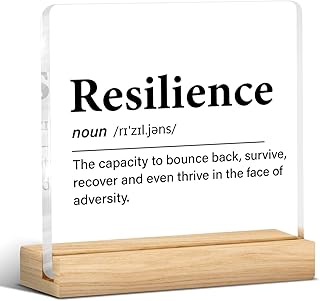
| Resilience | Individuals with mental illnesses often develop strong coping mechanisms and emotional resilience, enabling them to navigate challenges and setbacks in entrepreneurship. |
| Creativity | Conditions like ADHD, bipolar disorder, and depression have been linked to heightened creativity, fostering innovative thinking and unique problem-solving approaches. |
| Empathy | Mental health struggles can increase empathy, allowing entrepreneurs to better understand customer needs and build stronger relationships with clients and employees. |
| Hyperfocus (ADHD) | ADHD can lead to intense focus on tasks of interest, enabling entrepreneurs to dedicate long hours to their ventures with high productivity. |
| Risk-Taking | Some mental illnesses, such as bipolar disorder, are associated with increased risk-taking behavior, which can drive entrepreneurs to pursue bold, unconventional ideas. |
| Adaptability | Managing mental health often requires adaptability, a skill that translates to navigating the unpredictable nature of entrepreneurship. |
| Passion and Drive | Mental illnesses can fuel a deep sense of purpose, driving entrepreneurs to pursue their ventures with unwavering dedication. |
| Self-Awareness | The journey of managing mental health often leads to heightened self-awareness, helping entrepreneurs recognize their strengths and weaknesses. |
| Perseverance | Overcoming mental health challenges fosters perseverance, a critical trait for enduring the highs and lows of building a business. |
| Unique Perspectives | Mental illnesses can provide unconventional perspectives, leading to disruptive and innovative business ideas. |
Explore related products


What You'll Learn
- Resilience from Adversity: Overcoming mental health challenges builds toughness, aiding in business setbacks
- Creative Problem-Solving: Unique perspectives from mental illness foster innovative solutions to complex problems
- Empathy-Driven Leadership: Heightened emotional awareness improves team connections and customer understanding
- Hyperfocus Abilities: Conditions like ADHD can enable intense concentration on critical tasks
- Adaptability to Change: Mental health struggles often cultivate flexibility in unpredictable business environments

Resilience from Adversity: Overcoming mental health challenges builds toughness, aiding in business setbacks
Entrepreneurs with a history of mental health challenges often develop a unique form of resilience, a psychological armor forged in the fires of adversity. This resilience isn't just a byproduct of survival; it's a strategic asset that can be harnessed to navigate the inevitable setbacks of business. Consider the case of a founder who has managed bipolar disorder. The cyclical nature of their condition—fluctuating between manic highs and depressive lows—mirrors the unpredictable rollercoaster of entrepreneurship. Over time, they learn to anticipate and manage these extremes, developing a heightened ability to adapt to sudden market shifts or funding rejections. This isn't about romanticizing struggle but recognizing that the skills honed in managing mental health—emotional regulation, problem-solving under pressure, and long-term perspective—are directly transferable to business challenges.
To build this resilience, entrepreneurs can adopt specific practices rooted in mental health management. For instance, cognitive-behavioral techniques, such as reframing negative thoughts, can be applied to business failures. Instead of viewing a failed product launch as a personal shortcoming, reframe it as a data point for improvement. Similarly, mindfulness practices, often used to manage anxiety, can enhance decision-making by fostering clarity and focus during high-stress situations. A practical tip: allocate 10 minutes daily for mindfulness meditation, focusing on breath and bodily sensations, to build mental stamina. Over time, this practice can reduce reactivity to setbacks, allowing for more measured responses.
Comparatively, entrepreneurs without this background may struggle to bounce back from failures, often internalizing setbacks as personal failures rather than solvable problems. In contrast, those who’ve overcome mental health challenges tend to approach adversity with a problem-solving mindset, viewing obstacles as temporary and surmountable. For example, a founder with a history of depression might draw on their experience of breaking tasks into smaller, manageable steps—a technique often used to combat feelings of overwhelm—to tackle complex business problems. This modular approach not only makes challenges less daunting but also fosters a sense of progress and achievement.
However, it’s crucial to caution against the glorification of struggle. Resilience from adversity isn’t about enduring pain but about learning from it. Entrepreneurs must prioritize self-care and seek professional support when needed. Overlooking this can lead to burnout or relapse, undermining the very resilience they’ve worked to build. A practical takeaway: establish clear boundaries between work and personal life, and regularly assess your mental health using tools like the Generalized Anxiety Disorder-7 (GAD-7) or Patient Health Questionnaire-9 (PHQ-9) to monitor symptoms. By integrating these practices, entrepreneurs can transform their mental health challenges into a source of strength, turning setbacks into stepping stones for success.
Empowering Change: Simple Ways You Can Make a Difference Today
You may want to see also
Explore related products


Creative Problem-Solving: Unique perspectives from mental illness foster innovative solutions to complex problems
Mental illnesses often reframe how individuals perceive challenges, turning obstacles into opportunities for unconventional thinking. Conditions like ADHD, bipolar disorder, and depression can heighten sensitivity to patterns, foster hyperfocus, or encourage divergent thinking—traits that, when channeled effectively, become powerful tools for creative problem-solving. For instance, entrepreneurs with ADHD frequently exhibit a knack for connecting seemingly unrelated ideas, leading to breakthrough innovations. This isn’t about romanticizing mental illness but recognizing how its unique cognitive pathways can be harnessed for entrepreneurial success.
Consider the process of brainstorming. While neurotypical individuals might follow linear paths, those with mental illnesses often approach problems from oblique angles. A study published in *Nature* found that individuals with schizophrenia demonstrated superior performance in tasks requiring creative insight, such as identifying hidden patterns or generating novel solutions. Entrepreneurs like Richard Branson, who has ADHD, attribute their ability to disrupt industries to this kind of lateral thinking. To replicate this, entrepreneurs can adopt techniques like "reverse brainstorming" (identifying ways to cause a problem) or "random word stimulation" (using unrelated words to spark ideas), which mimic the cognitive flexibility often seen in mental illness.
However, leveraging these unique perspectives requires intentionality. Entrepreneurs must create structures that balance creativity with execution. For example, setting time-bound brainstorming sessions can prevent hyperfocus from becoming counterproductive. Tools like mind-mapping software or collaborative platforms can help organize chaotic thoughts into actionable plans. Additionally, pairing with a neurotypical co-founder or advisor can provide complementary strengths, ensuring innovative ideas are grounded in practicality. The key is to treat these perspectives as assets, not liabilities, and build systems that amplify their value.
Critics argue that mental illness can impair judgment or consistency, valid concerns that underscore the need for self-awareness. Entrepreneurs must monitor their mental health actively, using tools like mood tracking apps or regular check-ins with therapists. For instance, individuals with bipolar disorder might schedule critical decisions during stable periods, avoiding manic phases where impulsivity could lead to costly mistakes. By understanding their cognitive rhythms, entrepreneurs can time their creative bursts for maximum impact while mitigating risks.
Ultimately, the entrepreneurial landscape thrives on diversity of thought, and mental illnesses contribute a distinct lens to this mosaic. Companies like Microsoft and Ford have implemented neurodiversity programs, recognizing that conditions like autism or dyslexia often come with exceptional problem-solving abilities. Entrepreneurs can adopt a similar mindset, viewing their mental health not as a barrier but as a source of competitive advantage. By embracing their unique perspectives and implementing strategies to manage challenges, they can turn what society often labels as a weakness into their greatest strength.
Handwritten Letters: A Therapeutic Tool for Mental Well-Being
You may want to see also
Explore related products


$9.99


Empathy-Driven Leadership: Heightened emotional awareness improves team connections and customer understanding
Entrepreneurs with heightened emotional awareness, often a byproduct of navigating mental health challenges, possess a unique ability to foster empathy-driven leadership. This isn’t about oversharing personal struggles but leveraging emotional intelligence to build stronger teams and deeper customer connections. For instance, a leader who has experienced anxiety may intuitively recognize stress in their team, addressing it before it escalates into burnout. This proactive approach not only improves morale but also enhances productivity, as employees feel seen and valued.
To cultivate empathy-driven leadership, start by practicing active listening. Dedicate 10–15 minutes daily to one-on-one check-ins with team members, focusing on their emotional state rather than just task updates. Pair this with self-awareness exercises, such as journaling or mindfulness, to better understand your own emotional triggers. For customer understanding, analyze feedback not just for content but for underlying emotions. For example, a complaint about slow service might stem from frustration or feeling undervalued—addressing the emotion, not just the issue, builds loyalty.
A cautionary note: empathy without boundaries can lead to emotional exhaustion. Set clear limits on when and how you engage emotionally, both with your team and customers. For instance, designate specific times for deep emotional conversations and stick to them. Additionally, avoid over-identifying with others’ emotions; maintain a professional distance while still offering support. Tools like the Emotional Intelligence App or frameworks like the EQ-i 2.0 can provide structured guidance to balance empathy with resilience.
The takeaway is clear: empathy-driven leadership isn’t a soft skill—it’s a strategic advantage. Entrepreneurs who harness their emotional awareness can create teams that feel connected and customers who feel understood. This approach doesn’t require a mental health diagnosis to implement, but those who’ve experienced such challenges often excel at it. By blending emotional intelligence with practical strategies, leaders can transform their businesses into empathetic ecosystems where both people and profits thrive.
Medication as a Tool: Supporting Mental Health Recovery and Wellness
You may want to see also
Explore related products





Hyperfocus Abilities: Conditions like ADHD can enable intense concentration on critical tasks
ADHD, often framed as a deficit, paradoxically gifts some entrepreneurs with a superpower: hyperfocus. This ability to zero in on tasks with laser-like intensity can propel ventures forward in ways neurotypical minds might struggle to match. Imagine an entrepreneur immersed in coding a groundbreaking app, oblivious to hunger, fatigue, or the ticking clock. For hours, days, even weeks, their focus remains unshakable, driving innovation at a pace that leaves competitors in the dust. This isn’t mere dedication—it’s hyperfocus, a cognitive state where the brain tunes out distractions and funnels all energy into a single objective.
To harness hyperfocus effectively, entrepreneurs must first identify their "trigger tasks"—activities that naturally captivate their attention. For a graphic designer, it might be perfecting a logo; for a marketer, crafting a viral campaign. Once identified, structure your day to prioritize these tasks during peak focus hours, typically mornings for most. Use tools like time-blocking apps (e.g., Toggl or RescueTime) to allocate uninterrupted blocks for hyperfocus work. Pair this with sensory optimization: noise-canceling headphones, a clutter-free workspace, and a consistent ambient temperature can extend hyperfocus duration by up to 30%, according to productivity studies.
However, hyperfocus isn’t without pitfalls. Left unchecked, it can lead to burnout or neglect of critical but less engaging tasks. Entrepreneurs must balance intensity with sustainability. Set hard stop times for hyperfocus sessions—90 minutes is the cognitive sweet spot—and follow them with a 15-minute break to recharge. Delegate or automate tasks that don’t trigger hyperfocus, such as administrative work or email management. Tools like Trello or Asana can help track delegated tasks without derailing your focus.
Comparatively, while neurotypical individuals may struggle to sustain attention on repetitive or complex tasks, hyperfocus allows ADHD entrepreneurs to thrive in high-stakes, creative environments. Take the example of David Neeleman, founder of JetBlue Airways, who credits his ADHD for his ability to juggle multiple projects simultaneously while hyperfocusing on critical details. His success underscores a key takeaway: hyperfocus isn’t just a symptom—it’s a strategic advantage when managed intentionally.
In practice, entrepreneurs can amplify hyperfocus by aligning it with their business’s most impactful goals. For instance, if product development is your trigger task, allocate 70% of your hyperfocus time to innovation, reserving the remaining 30% for strategic planning or team leadership. Pair this with mindfulness techniques, such as brief meditation or deep breathing, to transition smoothly between hyperfocus and other responsibilities. By treating hyperfocus as a tool rather than a trait, entrepreneurs can turn what’s often seen as a challenge into their most potent asset.
Understanding Mental Health: How Psychologists Provide Support and Treatment
You may want to see also
Explore related products


$24.7


$12.99 $28.99


Adaptability to Change: Mental health struggles often cultivate flexibility in unpredictable business environments
Entrepreneurs with mental health struggles often develop a heightened ability to navigate uncertainty, a skill that becomes their secret weapon in volatile markets. Consider the startup founder who battles anxiety: their constant anticipation of potential pitfalls translates into meticulous risk assessment and contingency planning. While their peers might falter when faced with sudden shifts in consumer behavior or supply chain disruptions, this founder’s hypervigilance becomes a strategic advantage. For instance, a tech entrepreneur with OCD might obsessively test and retest their product, uncovering vulnerabilities that others overlook, ensuring a more resilient launch. This isn’t about glorifying struggle but recognizing how the mind’s adaptive mechanisms, honed through adversity, can translate into proactive business foresight.
To cultivate this adaptability, entrepreneurs can adopt practices inspired by mental health coping strategies. A daily journaling habit, often recommended for managing depression, can double as a tool for scenario planning. By documenting worst-case outcomes and brainstorming solutions, entrepreneurs train themselves to remain calm under pressure. Similarly, mindfulness techniques, such as grounding exercises used in anxiety management, can help leaders stay present during crises, making decisions based on current data rather than panic. Even therapy frameworks like cognitive-behavioral therapy (CBT) can be repurposed for business: reframing market setbacks as temporary challenges rather than existential threats. These practices don’t eliminate stress but rewire the brain to approach it as a solvable problem rather than an insurmountable obstacle.
However, this adaptability isn’t without its pitfalls. Over-flexibility can lead to decision fatigue or a lack of strategic focus. An entrepreneur who constantly pivots in response to every minor market fluctuation risks diluting their brand identity. To avoid this, set clear boundaries: define core values and long-term goals that remain non-negotiable, even as tactics evolve. For example, a social enterprise founder with ADHD might use their natural tendency to multitask to explore diverse revenue streams but must anchor their efforts in a singular mission to avoid spreading resources too thin. The key is to balance agility with purpose, ensuring that adaptability serves the business’s vision rather than derailing it.
Finally, organizations can institutionalize this adaptive mindset by fostering a culture that values resilience over rigidity. Encourage teams to conduct regular “pre-mortems”—exercises where they imagine future failures and identify preventable causes. This practice, borrowed from crisis management, aligns with the anticipatory thinking common in individuals with anxiety or PTSD. Additionally, implement flexible workflows that allow for rapid experimentation and iteration, mirroring the trial-and-error approach many with mental health struggles use to manage their conditions. By embedding these principles into operations, businesses can turn individual adaptability into a collective strength, thriving not despite uncertainty but because of it.
The Power of Together: How Group Mentality Drives Success
You may want to see also
Frequently asked questions
Yes, certain mental illnesses can offer unique advantages. For example, conditions like ADHD may enhance creativity, hyperfocus, and adaptability, while bipolar disorder can bring intense energy and innovative thinking during manic phases. These traits can fuel entrepreneurial drive and problem-solving.
Anxiety can heighten attention to detail, risk awareness, and preparedness. Entrepreneurs with anxiety often excel at anticipating challenges, planning meticulously, and ensuring their ventures are robust and resilient.
Depression can foster deep empathy, introspection, and a realistic perspective on failure. Entrepreneurs with depression may develop stronger emotional intelligence, resilience, and a commitment to creating meaningful solutions for others.
Entrepreneurs can thrive by seeking professional support, building a strong support network, and implementing self-care routines. Balancing mental health management with strategic use of their unique strengths allows them to harness the benefits without being overwhelmed by challenges.