Madison Cole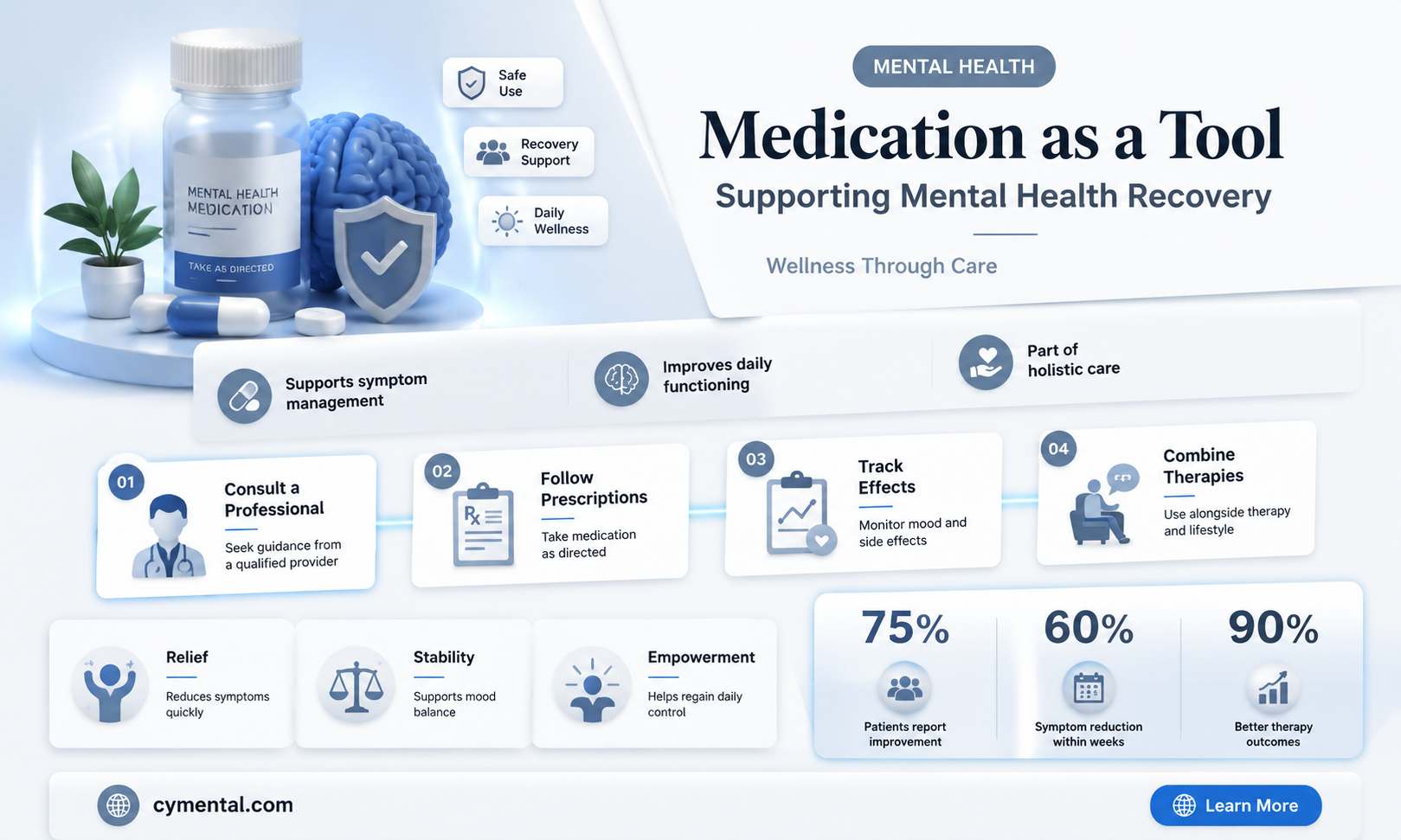
Medication plays a crucial role in managing mental illness by alleviating symptoms, stabilizing mood, and improving overall functioning. For conditions like depression, anxiety, bipolar disorder, and schizophrenia, medications such as antidepressants, antipsychotics, and mood stabilizers can help restore chemical imbalances in the brain, reduce distressing symptoms, and prevent relapses. When combined with therapy and lifestyle changes, medication often provides a foundation for individuals to engage more effectively in their treatment, enhancing their quality of life and enabling them to better cope with daily challenges. While not a cure-all, it is a powerful tool that, when prescribed and monitored appropriately, can significantly support recovery and long-term mental health.
Explore related products

$12.23 $14.39


What You'll Learn
- Symptom Reduction: Medications can alleviate symptoms like depression, anxiety, and psychosis, improving daily functioning
- Mood Stabilization: Helps manage bipolar disorder by balancing mood swings and preventing extreme highs and lows
- Anxiety Control: Reduces excessive worry, panic attacks, and physical symptoms of anxiety disorders effectively
- Psychosis Management: Antipsychotics treat hallucinations, delusions, and disorganized thinking in schizophrenia and related conditions
- Cognitive Enhancement: Some medications improve focus, memory, and clarity in disorders like ADHD or dementia

Symptom Reduction: Medications can alleviate symptoms like depression, anxiety, and psychosis, improving daily functioning
Medications for mental illness often target neurotransmitters like serotonin, dopamine, and norepinephrine, which play critical roles in mood regulation. For instance, selective serotonin reuptake inhibitors (SSRIs) increase serotonin levels in the brain, effectively reducing symptoms of depression and anxiety. A typical starting dose of fluoxetine (Prozac), an SSRI, is 20 mg daily for adults, with adjustments based on individual response. This biochemical intervention can transform a person’s ability to engage in daily activities, from holding a job to maintaining relationships, by stabilizing emotional fluctuations.
Consider the case of psychosis, where antipsychotic medications like olanzapine block dopamine receptors to mitigate hallucinations and delusions. For adults, a starting dose of 10 mg daily is common, though this may vary depending on severity and tolerance. These medications don’t just suppress symptoms; they restore a sense of reality, enabling individuals to participate in therapy, work, or social interactions that were previously overwhelming. The reduction in psychotic symptoms often correlates with improved cognitive function, further enhancing daily functioning.
Anxiety disorders, affecting over 40 million adults in the U.S. alone, frequently respond to benzodiazepines like alprazolam (Xanax). While these are typically prescribed for short-term use (e.g., 0.25–0.5 mg up to three times daily), they provide rapid relief from panic attacks and severe anxiety. However, their potential for dependence underscores the importance of pairing them with long-term strategies like SSRIs or cognitive-behavioral therapy. When used judiciously, these medications can act as a bridge, allowing individuals to regain control over their lives while addressing underlying issues.
For children and adolescents, symptom reduction through medication requires careful consideration. Stimulants like methylphenidate (Ritalin) are commonly prescribed for ADHD, with doses starting at 5–10 mg twice daily for children aged 6 and older. These medications improve focus and impulse control, fostering better academic and social outcomes. However, monitoring for side effects such as appetite suppression or sleep disturbances is crucial. Parents and caregivers should collaborate with healthcare providers to ensure the benefits outweigh any risks.
Ultimately, symptom reduction through medication is not a one-size-fits-all solution but a tailored approach that considers the individual’s condition, age, and lifestyle. Practical tips include maintaining a consistent dosing schedule, tracking side effects, and communicating openly with healthcare providers. While medications can significantly improve daily functioning, they are most effective when integrated into a comprehensive treatment plan that includes therapy, lifestyle modifications, and social support. This holistic approach ensures that symptom relief translates into lasting recovery.
Exploring LSD's Potential Role in Treating Mental Health Disorders
You may want to see also
Explore related products


Mood Stabilization: Helps manage bipolar disorder by balancing mood swings and preventing extreme highs and lows
Bipolar disorder is characterized by dramatic shifts in mood, energy, and activity levels, swinging from manic highs to depressive lows. These extremes can disrupt daily life, strain relationships, and even lead to risky behaviors. Mood stabilizers, a cornerstone of bipolar treatment, act as a biochemical counterbalance, dampening manic episodes and lifting depressive phases to restore emotional equilibrium.
Lithium, often considered the gold standard mood stabilizer, works by modulating neurotransmitter activity in the brain. Typically prescribed at doses ranging from 600 to 1200 mg daily, it requires careful monitoring of blood levels to ensure therapeutic efficacy without toxicity. While it may take weeks to achieve full effect, its long-term benefits in preventing relapse are well-documented.
Anticonvulsant medications like valproic acid (Depakote) and lamotrigine (Lamictal) also serve as mood stabilizers. Valproic acid, often dosed at 750–2000 mg daily, is particularly effective for manic episodes but carries risks such as liver dysfunction and weight gain. Lamotrigine, usually started at 25 mg and titrated up to 100–200 mg daily, is favored for its efficacy in bipolar depression and lower side effect profile, though it requires slow titration to avoid a rare but serious skin rash.
Combining mood stabilizers with psychotherapy, such as cognitive-behavioral therapy, enhances treatment outcomes. Patients should adhere strictly to prescribed dosages, avoid alcohol (which can interfere with medication efficacy), and maintain regular follow-ups with their healthcare provider. For those hesitant about medication, it’s crucial to weigh the risks of untreated bipolar disorder—such as hospitalization or self-harm—against the manageable side effects of these drugs.
Mood stabilizers are not a cure but a vital tool in managing bipolar disorder. By smoothing out emotional extremes, they enable individuals to engage more fully in life, pursue personal goals, and build resilience against the disorder’s disruptive cycles. Consistency in medication use, coupled with lifestyle adjustments like regular sleep and stress management, transforms mood stabilization from a medical intervention into a foundation for long-term well-being.
TRT and Mental Health: Unlocking Emotional Well-Being and Clarity
You may want to see also
Explore related products


$11.6 $19.99



Anxiety Control: Reduces excessive worry, panic attacks, and physical symptoms of anxiety disorders effectively
Anxiety disorders affect millions of people worldwide, manifesting as excessive worry, panic attacks, and debilitating physical symptoms like rapid heartbeat, sweating, and trembling. Medication, particularly selective serotonin reuptake inhibitors (SSRIs) and benzodiazepines, can be a cornerstone of treatment. For instance, SSRIs such as sertraline (Zoloft) or escitalopram (Lexapro) are often prescribed at dosages ranging from 25 to 200 mg daily, depending on the severity of symptoms and individual response. These medications work by increasing serotonin levels in the brain, which helps regulate mood and reduce anxiety over time. It’s crucial to start with a lower dose and gradually increase under a doctor’s supervision to minimize side effects like nausea or insomnia.
While SSRIs are effective for long-term anxiety management, benzodiazepines like alprazolam (Xanax) or lorazepam (Ativan) offer rapid relief for acute symptoms, such as panic attacks. These medications act quickly, often within 30 minutes, by enhancing the effect of the neurotransmitter GABA, which calms the nervous system. However, they are typically prescribed for short-term use due to the risk of dependence and withdrawal. A standard dose of alprazolam, for example, ranges from 0.25 to 2 mg taken two to three times daily, but this should always be tailored by a healthcare provider. Combining these medications with therapy, such as cognitive-behavioral therapy (CBT), often yields the best results, as it addresses both the immediate symptoms and underlying causes of anxiety.
For individuals who cannot tolerate SSRIs or benzodiazepines, alternative medications like buspirone (Buspar) may be considered. Buspirone is a unique anxiolytic that works by affecting serotonin and dopamine receptors, with fewer side effects and no risk of dependence. It’s typically prescribed at 15 to 30 mg daily, divided into two to three doses. Patients should be aware that buspirone may take several weeks to reach full effectiveness, unlike benzodiazepines. Practical tips for managing anxiety alongside medication include maintaining a consistent sleep schedule, practicing mindfulness or meditation, and avoiding caffeine and alcohol, which can exacerbate symptoms.
It’s important to note that medication is not a one-size-fits-all solution. Factors like age, medical history, and concurrent medications play a significant role in determining the most appropriate treatment. For example, older adults may require lower doses due to changes in metabolism, while pregnant or breastfeeding individuals may need to avoid certain medications altogether. Regular follow-ups with a healthcare provider are essential to monitor progress, adjust dosages, and address any side effects. Ultimately, medication can provide significant relief from anxiety, but it works best as part of a comprehensive treatment plan that includes lifestyle changes and therapeutic interventions.
Acting as Therapy: Unlocking Mental Health Benefits Through Performance
You may want to see also
Explore related products




Psychosis Management: Antipsychotics treat hallucinations, delusions, and disorganized thinking in schizophrenia and related conditions
Psychosis distorts reality, manifesting as hallucinations, delusions, and disorganized thinking. For individuals with schizophrenia and related conditions, these symptoms can be debilitating, disrupting daily life and relationships. Antipsychotic medications serve as a cornerstone of treatment, targeting the brain’s dopamine system to alleviate these symptoms and restore functioning. Unlike therapy, which addresses underlying patterns, antipsychotics act directly on neurochemistry, offering rapid relief for acute episodes and long-term management.
First-generation antipsychotics, such as haloperidol, effectively reduce positive symptoms like hallucinations and delusions but often cause extrapyramidal side effects, including tremors and rigidity. Second-generation antipsychotics, like olanzapine and risperidone, offer a more favorable side effect profile, with lower risks of movement disorders but potential metabolic issues, such as weight gain and diabetes. Dosage varies by individual, typically starting low (e.g., 2.5 mg of olanzapine daily) and titrating upward under medical supervision. Adherence is critical, as discontinuation can trigger symptom relapse or withdrawal effects.
For adolescents and older adults, antipsychotic use requires careful consideration. In youth, medications like risperidone and aripiprazole are FDA-approved for schizophrenia, but monitoring for metabolic changes and hormonal effects is essential. In older adults, lower doses are often prescribed due to age-related metabolism changes, and alternatives with fewer anticholinergic effects (e.g., quetiapine) are preferred to minimize cognitive impairment risks. Practical tips include taking medication at the same time daily, using pill organizers, and maintaining open communication with healthcare providers about side effects.
While antipsychotics are effective, they are not a cure. They manage symptoms, enabling individuals to engage in therapy, vocational training, and social activities. Combining medication with psychosocial interventions, such as cognitive-behavioral therapy for psychosis, maximizes outcomes. For treatment-resistant cases, clozapine remains the gold standard, though its use requires regular blood monitoring due to risks of agranulocytosis. Ultimately, antipsychotics provide a foundation for recovery, helping individuals reclaim their lives from the grip of psychosis.
Moderate Alcohol Consumption: Boosting Mental Function or Myth?
You may want to see also
Explore related products



Cognitive Enhancement: Some medications improve focus, memory, and clarity in disorders like ADHD or dementia
Medications designed for cognitive enhancement target specific neurotransmitter systems to improve focus, memory, and mental clarity in conditions like ADHD and dementia. Stimulants such as methylphenidate (Ritalin) and amphetamines (Adderall) increase dopamine and norepinephrine levels in the brain, enhancing attention and impulse control in ADHD patients. For dementia, cholinesterase inhibitors like donepezil (Aricept) boost acetylcholine, a neurotransmitter critical for memory and learning, slowing cognitive decline in mild to moderate Alzheimer’s disease. These drugs act on distinct pathways but share the goal of restoring cognitive function impaired by neurological disorders.
Consider the practical application of these medications: for ADHD, stimulants are typically prescribed at low doses (e.g., 5–10 mg of methylphenidate for children, 10–20 mg for adults) and titrated upward based on response and side effects. Extended-release formulations are often preferred to maintain consistent symptom control throughout the day. In dementia, donepezil is usually started at 5 mg daily and increased to 10 mg after 4–6 weeks to minimize side effects like nausea and insomnia. Adherence to prescribed regimens is critical, as discontinuation can lead to rapid symptom relapse. Combining medication with behavioral strategies, such as structured routines for ADHD or cognitive stimulation for dementia, maximizes their effectiveness.
A comparative analysis reveals the trade-offs of these medications. Stimulants for ADHD, while highly effective, carry risks of misuse, dependence, and side effects like appetite suppression and elevated blood pressure. Non-stimulant alternatives like atomoxetine (Strattera) offer a safer profile but may be less potent. In dementia, cholinesterase inhibitors provide modest benefits but do not halt disease progression, and their side effects can limit tolerability in older adults. Emerging therapies, such as memantine (Namenda), which regulates glutamate, are sometimes used in combination to address different aspects of cognitive decline. The choice of medication depends on the patient’s specific needs, comorbidities, and potential for adverse reactions.
Persuasively, cognitive enhancement medications are not just symptomatic treatments but tools for reclaiming quality of life. For a child with ADHD, improved focus can mean better academic performance and social integration, while for an elderly individual with dementia, preserved memory can maintain independence and emotional connections with loved ones. However, their use requires careful monitoring and a holistic approach. Patients and caregivers must be educated about expectations and limitations, as these drugs are not cures but aids in managing complex conditions. When used judiciously, they can transform lives by restoring cognitive abilities that underpin daily functioning and personal identity.
Meditation and Mental Health: A Powerful Tool for Healing?
You may want to see also
Frequently asked questions
Medication can help manage symptoms of mental illness by balancing brain chemicals, reducing distress, and improving overall functioning. It often works alongside therapy for comprehensive treatment.
Medication is commonly used to treat conditions like depression, anxiety disorders, bipolar disorder, schizophrenia, ADHD, and PTSD, among others.
The time varies depending on the medication and individual. Some may notice improvements within a few weeks, while others might take several months to experience full benefits.
Yes, side effects can occur and vary by medication. Common ones include drowsiness, weight changes, nausea, or mood swings. It’s important to discuss concerns with a healthcare provider.