Lucas Bennett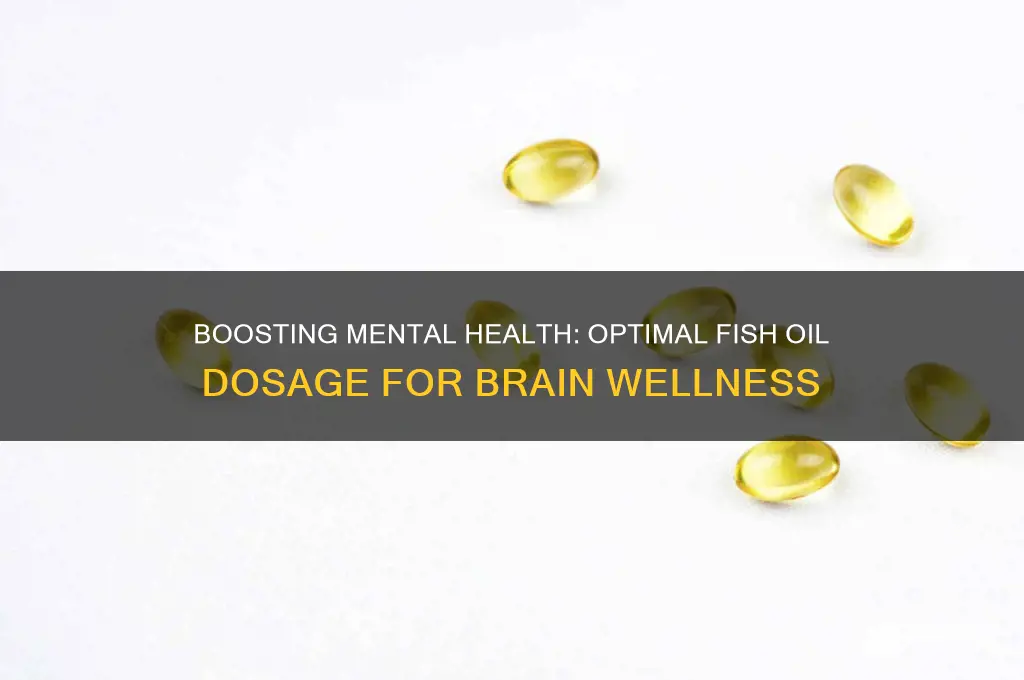
Fish oil, rich in omega-3 fatty acids, particularly EPA (eicosapentaenoic acid) and DHA (docosahexaenoic acid), has gained attention for its potential benefits in supporting mental health. Research suggests that these essential fatty acids play a crucial role in brain function, influencing mood, cognition, and overall mental well-being. Studies have explored the use of fish oil supplements to alleviate symptoms of depression, anxiety, and ADHD, with some evidence indicating that higher doses of EPA may be more effective for certain conditions. However, the optimal dosage varies depending on individual needs, health status, and the specific mental health concern being addressed. Generally, recommendations range from 1,000 to 2,000 mg of combined EPA and DHA daily, though consulting a healthcare professional is essential to determine the appropriate amount for personalized mental health support.
| Characteristics | Values |
|---|---|
| Recommended Daily Dosage | 1,000–2,000 mg of combined EPA and DHA (omega-3 fatty acids) |
| EPA (Eicosapentaenoic Acid) | 600–1,000 mg/day for mental health benefits |
| DHA (Docosahexaenoic Acid) | 400–600 mg/day for cognitive support |
| Form of Fish Oil | Triglyceride form is more bioavailable than ethyl ester form |
| Mental Health Conditions Targeted | Depression, anxiety, ADHD, bipolar disorder, and cognitive decline |
| Duration for Noticeable Effects | 8–12 weeks of consistent use |
| Safety Considerations | Avoid exceeding 3,000 mg/day unless under medical supervision |
| Potential Side Effects | Fishy aftertaste, burping, nausea, or mild gastrointestinal discomfort |
| Interactions | May interact with blood thinners (e.g., warfarin); consult a doctor |
| Quality Standards | Look for third-party tested, molecularly distilled, and mercury-free products |
| Alternative Sources | Algal oil (vegan option) for EPA and DHA |
| Population-Specific Recommendations | Higher doses may be needed for severe depression or ADHD; consult a healthcare provider |
| Evidence Level | Moderate to strong evidence for depression and mild cognitive impairment |
Explore related products


What You'll Learn
- Optimal Dosage: Recommended daily intake for mental health benefits, based on research
- Omega-3 Types: EPA vs. DHA ratios for mood and cognitive support
- Mental Health Benefits: Fish oil's role in reducing anxiety, depression, and ADHD symptoms
- Supplement Forms: Comparing capsules, liquids, and gummies for effectiveness and absorption
- Potential Side Effects: Risks of overconsumption and interactions with medications

Optimal Dosage: Recommended daily intake for mental health benefits, based on research
Research suggests that the optimal dosage of fish oil for mental health benefits hinges largely on the concentration of its active ingredients: eicosapentaenoic acid (EPA) and docosahexaenoic acid (DHA). Studies indicate that EPA, in particular, plays a pivotal role in alleviating symptoms of depression and anxiety. A meta-analysis published in the *Journal of Clinical Psychiatry* found that doses ranging from 1 to 2 grams of EPA per day were effective in reducing depressive symptoms. DHA, while important for cognitive function, appears to be less directly linked to mood disorders, though it remains a critical component for overall brain health.
For adults seeking to support mental health, a daily intake of 1,000 to 2,000 mg of combined EPA and DHA is commonly recommended. However, individuals with diagnosed mood disorders may benefit from higher doses, particularly those emphasizing EPA. For instance, a dosage of 2,000 mg of EPA daily has shown significant efficacy in clinical trials for major depressive disorder. It’s essential to consult a healthcare provider before starting high-dose supplementation, as individual needs can vary based on factors like age, weight, and existing health conditions.
Children and adolescents may also benefit from fish oil supplementation, but dosages should be adjusted for their age and weight. Pediatric studies suggest that 500 to 1,000 mg of combined EPA and DHA daily can support cognitive development and emotional regulation. However, parents should always consult a pediatrician before introducing supplements, as excessive intake can lead to side effects like gastrointestinal discomfort or altered blood clotting.
Practical tips for incorporating fish oil into a mental health regimen include choosing high-quality supplements that are third-party tested for purity and potency. Taking fish oil with meals can enhance absorption and reduce the risk of fishy aftertaste or burping. For those who prefer food sources, fatty fish like salmon, mackerel, and sardines provide natural EPA and DHA, though achieving therapeutic doses through diet alone may be challenging.
In summary, the optimal dosage of fish oil for mental health benefits varies depending on age, health status, and specific mental health concerns. While general recommendations range from 1,000 to 2,000 mg of combined EPA and DHA daily, higher doses of EPA may be warranted for individuals with mood disorders. Always consult a healthcare professional to tailor supplementation to individual needs and ensure safe, effective use.
Hypnotherapy for Surgery: Mental Preparation Techniques for a Calm Recovery
You may want to see also
Explore related products




Omega-3 Types: EPA vs. DHA ratios for mood and cognitive support
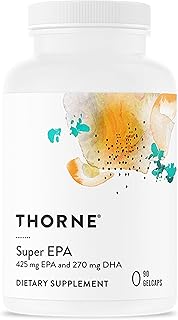
Omega-3 fatty acids, specifically EPA (eicosapentaenoic acid) and DHA (docosahexaenoic acid), play distinct roles in mental health, and their ratios in fish oil supplements can significantly impact mood and cognitive function. While both are essential, research suggests that EPA is more closely linked to mood regulation, whereas DHA is critical for brain structure and cognitive performance. Understanding the optimal EPA-to-DHA ratio is key to tailoring supplementation for specific mental health needs.
For individuals seeking mood support, studies indicate that a higher EPA-to-DHA ratio is often more effective. Clinical trials have shown that EPA-dominant supplements (e.g., a 2:1 or 3:1 EPA-to-DHA ratio) can alleviate symptoms of depression and anxiety. A typical dosage for mood disorders ranges from 1,000 to 2,000 mg of EPA daily, often paired with a lower DHA amount. For example, a supplement containing 1,200 mg EPA and 400 mg DHA aligns with this recommendation. It’s important to start with a lower dose and gradually increase while monitoring effects, as individual responses vary.
In contrast, cognitive support—particularly in aging populations or those with memory concerns—may benefit from a balanced or DHA-dominant ratio. DHA constitutes a significant portion of the brain’s fatty acids and is vital for neuronal health. A 1:1 ratio or a supplement with slightly higher DHA (e.g., 600 mg EPA and 800 mg DHA) can support cognitive function. For older adults, combining this with cognitive exercises and a healthy diet maximizes benefits. Always consult a healthcare provider, especially when addressing age-related cognitive decline.
Practical tips for choosing the right ratio include assessing your primary goal: prioritize EPA for mood and DHA for cognition. Look for high-quality, third-party tested supplements to ensure purity and potency. For those with dietary restrictions, algae-based omega-3s offer a vegan alternative with varying EPA and DHA levels. Consistency is crucial; take supplements daily with meals to enhance absorption and minimize side effects like fishy aftertaste.
In summary, the EPA-to-DHA ratio in fish oil is not one-size-fits-all. Tailoring the ratio based on specific mental health goals—whether mood stabilization or cognitive enhancement—can optimize outcomes. Dosage, quality, and individual health status are equally important factors in achieving the desired benefits. Always approach supplementation as part of a holistic strategy for mental well-being.
Woodworking for Mental Clarity: Crafting Peace and Focus
You may want to see also
Explore related products




Mental Health Benefits: Fish oil's role in reducing anxiety, depression, and ADHD symptoms
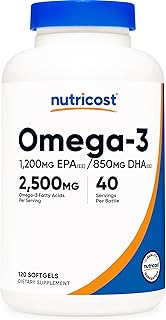
Fish oil, rich in omega-3 fatty acids, has emerged as a promising supplement for mental health, particularly in reducing symptoms of anxiety, depression, and ADHD. Research suggests that omega-3s, specifically EPA (eicosapentaenoic acid) and DHA (docosahexaenoic acid), play a crucial role in brain function and emotional regulation. For instance, a meta-analysis published in *JAMA Network Open* found that higher doses of EPA (1-2 grams daily) were more effective in alleviating depressive symptoms than lower doses. This highlights the importance of dosage specificity when using fish oil as a mental health aid.
For anxiety, studies indicate that fish oil can modulate stress responses by influencing neurotransmitter systems and reducing inflammation. A randomized controlled trial in *Brain, Behavior, and Immunity* showed that participants taking 2 grams of omega-3s daily experienced significant reductions in anxiety levels compared to a placebo group. Practical advice for those considering fish oil for anxiety includes starting with 1 gram of combined EPA and DHA daily, gradually increasing to 2 grams if tolerated, and consulting a healthcare provider for personalized guidance.
In the context of ADHD, omega-3 supplementation has shown potential in improving attention and reducing hyperactivity, particularly in children. A study in *Pediatrics* found that children aged 6-12 who took 650 mg of EPA and 174 mg of DHA daily exhibited improved behavioral symptoms over 16 weeks. Parents should note that consistency is key; it may take 8-12 weeks to observe noticeable improvements. Combining fish oil with a balanced diet rich in whole foods can enhance its efficacy.
While fish oil’s benefits are compelling, it’s essential to approach supplementation with caution. High doses (above 3 grams daily) can cause side effects like gastrointestinal discomfort or increased bleeding risk. Additionally, not all fish oil supplements are created equal; look for products tested for purity and potency by third-party organizations like NSF or USP. For those with dietary restrictions, algae-based omega-3 supplements offer a vegan alternative without compromising quality.
In conclusion, fish oil’s role in mental health is supported by evidence, particularly for anxiety, depression, and ADHD. Tailoring dosage to individual needs—such as 1-2 grams of EPA for depression or 650 mg EPA/174 mg DHA for ADHD in children—maximizes its potential. By combining supplementation with professional advice and lifestyle adjustments, individuals can harness fish oil’s benefits effectively and safely.
The Healing Power of Hugs: Boosting Mental Health Naturally
You may want to see also
Explore related products



Supplement Forms: Comparing capsules, liquids, and gummies for effectiveness and absorption
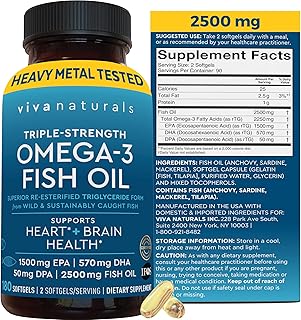
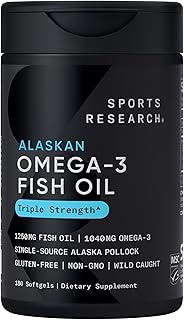
Fish oil supplements, rich in omega-3 fatty acids EPA and DHA, are often recommended for mental health support, but the form you choose—capsules, liquids, or gummies—can significantly impact their effectiveness and absorption. Capsules, the most common form, offer precise dosing and are convenient for those who prefer a quick, no-fuss option. A standard capsule typically contains 1,000 mg of fish oil, with 300–500 mg of combined EPA and DHA, aligning with the recommended daily intake for mental health benefits. However, capsules may take longer to break down in the digestive system, potentially delaying absorption. For optimal results, take capsules with a meal containing healthy fats to enhance bioavailability.
Liquid fish oil, on the other hand, boasts faster absorption due to its pre-emulsified state, making it ideal for individuals with digestive issues or those seeking quicker effects. A typical serving (1 teaspoon) provides around 4,000 mg of fish oil, with 800–1,200 mg of EPA and DHA. While convenient for adjusting dosages, liquids often have a strong fishy taste, which can be a deterrent. Mixing it with smoothies or juice can mask the flavor, but be mindful of added sugars. Liquids are particularly beneficial for children or older adults who struggle with swallowing pills, though dosage should be carefully measured to avoid overconsumption.
Gummies have gained popularity for their palatability, especially among those who dislike the taste or texture of traditional supplements. However, their effectiveness is often compromised by lower omega-3 concentrations and added sugars or artificial ingredients. A typical gummy provides only 50–100 mg of EPA and DHA per serving, meaning multiple gummies are needed to meet daily recommendations. This form is best for those who prioritize convenience and taste over potency, but it’s less cost-effective and may not deliver the therapeutic doses required for mental health support.
When comparing absorption, liquids generally outperform capsules and gummies due to their ready-to-absorb format, while capsules rely on digestion for breakdown. Gummies, though appealing, often contain fillers that can hinder nutrient delivery. For mental health, where consistent and adequate dosing is crucial, capsules or liquids are superior choices. If you opt for gummies, ensure they’re from a reputable brand with transparent ingredient lists and consider pairing them with other omega-3 sources like fatty fish to meet your needs. Ultimately, the best form depends on your lifestyle, tolerance, and specific health goals.
Brain Scans and Mental Health: Unlocking Diagnostic Potential for Illnesses
You may want to see also
Explore related products


Potential Side Effects: Risks of overconsumption and interactions with medications
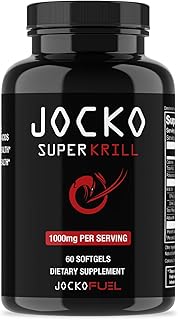
Exceeding recommended fish oil dosages can lead to a cascade of adverse effects, from mild gastrointestinal discomfort to more serious health risks. The body’s threshold varies, but generally, consuming more than 3 grams of combined EPA and DHA daily increases the likelihood of side effects. Symptoms like diarrhea, nausea, and a fishy aftertaste are common, but prolonged overconsumption can elevate blood sugar levels, reduce immune function, and even cause bleeding complications due to the blood-thinning properties of omega-3 fatty acids. For instance, a 2019 study published in *JAMA Cardiology* highlighted that excessive intake (over 4 grams daily) correlated with an increased risk of atrial fibrillation in certain populations.
Medication interactions with fish oil demand careful consideration, particularly for individuals on anticoagulants or antiplatelet drugs. Omega-3 supplements can amplify the effects of blood thinners like warfarin or aspirin, raising the risk of excessive bleeding, including internal hemorrhaging or prolonged bleeding from minor cuts. Similarly, fish oil may interfere with medications for high blood pressure, potentially causing hypotension. A practical tip: if you’re taking such medications, consult a healthcare provider before starting fish oil, and monitor your INR levels if on warfarin. Dosage adjustments may be necessary to maintain therapeutic balance.
Children and pregnant women face unique risks with fish oil overconsumption. For children, exceeding age-appropriate dosages (typically 500–1000 mg daily for EPA and DHA combined) can disrupt normal growth patterns and increase susceptibility to infections due to immune suppression. Pregnant women, while benefiting from omega-3s for fetal brain development, must avoid excessive intake, as it may prolong labor or increase the risk of premature birth. The FDA and EPA recommend limiting fish oil intake to 3 grams daily during pregnancy, emphasizing the importance of sourcing omega-3s from food rather than supplements when possible.
To mitigate risks, adopt a measured approach to fish oil supplementation. Start with the lowest effective dose—typically 1 gram daily for general mental health support—and gradually increase only under professional guidance. Pair supplements with meals to minimize gastrointestinal side effects, and prioritize high-quality, third-party tested products to avoid contaminants like mercury. Regularly reassess your need for supplementation, especially if dietary sources like fatty fish (salmon, mackerel) are already part of your routine. Remember, more is not always better—balance is key to harnessing fish oil’s benefits without inviting harm.
Physical Therapy's Surprising Impact on Mental Health and Well-Being
You may want to see also
Frequently asked questions
A common daily dose for mental health benefits is 1,000–2,000 mg of combined EPA and DHA, the active omega-3 fatty acids in fish oil. Consult a healthcare provider for personalized advice.
No, exceeding the recommended dose (typically 3,000 mg/day) may lead to side effects like upset stomach or increased bleeding risk, without additional mental health benefits.
It may take 8–12 weeks of consistent use to notice improvements in mood, focus, or anxiety. Results vary based on individual health and dosage.