Caleb Wright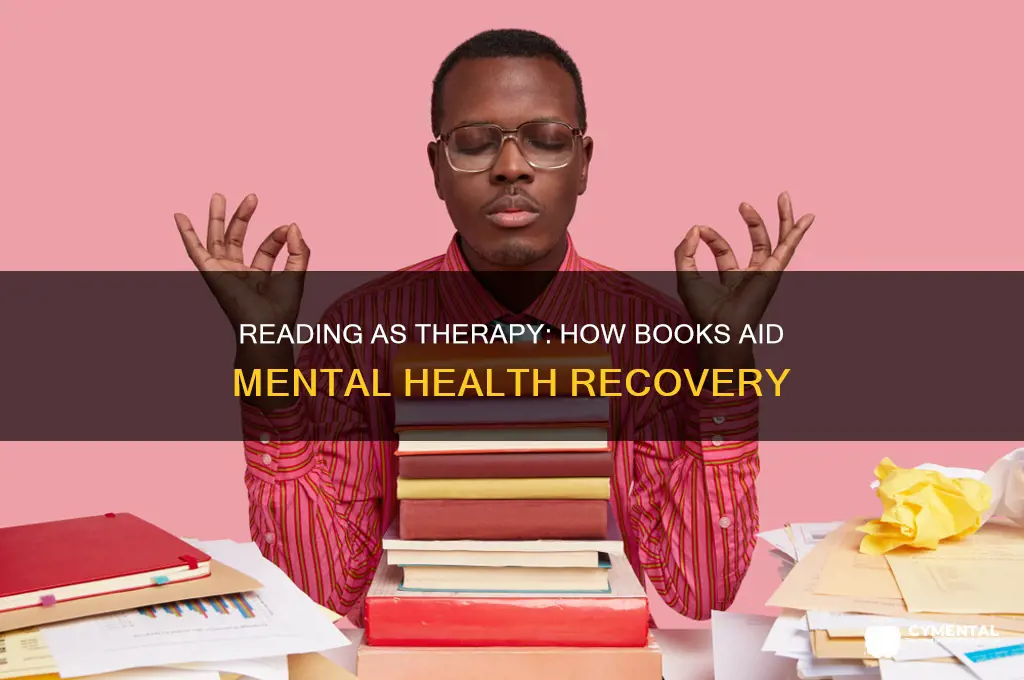
Reading can be a powerful tool in managing and coping with mental illness, offering a sanctuary for individuals struggling with anxiety, depression, or stress. Engaging with books allows readers to escape their immediate realities, providing a mental break from overwhelming thoughts and emotions. Literature often presents relatable characters and narratives that can make readers feel understood and less alone in their experiences. Moreover, self-help and educational books can offer practical strategies and insights into mental health, empowering individuals to better understand and address their challenges. The act of reading itself, whether fiction or non-fiction, promotes mindfulness, reduces stress, and fosters a sense of calm, making it a valuable complement to traditional therapeutic approaches. Through its ability to inspire, educate, and comfort, reading can play a significant role in the journey toward mental well-being.
| Characteristics | Values |
|---|---|
| Stress Reduction | Reading lowers cortisol levels, reduces heart rate, and promotes relaxation, similar to meditation. Studies show a 68% reduction in stress levels after reading for just 6 minutes. |
| Improved Emotional Regulation | Engaging with characters and narratives helps readers understand and process their own emotions, fostering empathy and self-awareness. |
| Distraction from Negative Thoughts | Reading provides an immersive escape, temporarily diverting attention from anxiety, depression, or intrusive thoughts. |
| Cognitive Stimulation | Reading enhances brain function, improves memory, and reduces the risk of cognitive decline, which is beneficial for mental health. |
| Sense of Connection | Reading about characters facing similar struggles can reduce feelings of isolation and provide a sense of community. |
| Mood Enhancement | Uplifting or humorous books can boost serotonin levels, improving mood and reducing symptoms of depression. |
| Coping Mechanism | Self-help or therapeutic books offer practical strategies for managing mental health conditions like anxiety or PTSD. |
| Improved Sleep | Reading before bed, especially physical books, can improve sleep quality by reducing screen exposure and promoting relaxation. |
| Mindfulness Practice | Reading encourages focus on the present moment, acting as a form of mindfulness that reduces rumination. |
| Empowerment and Hope | Inspirational stories or biographies can provide motivation, hope, and a sense of purpose for individuals struggling with mental illness. |
Explore related products


$16.98 $30


What You'll Learn
- Reduces Stress: Reading lowers cortisol levels, promoting relaxation and calming the mind effectively
- Escapism: Books offer a mental break from reality, easing anxiety and depression symptoms
- Emotional Insight: Stories help understand emotions, fostering empathy and self-awareness
- Cognitive Stimulation: Reading improves focus, memory, and brain function, combating mental decline
- Social Connection: Discussing books reduces loneliness, building community and support networks

Reduces Stress: Reading lowers cortisol levels, promoting relaxation and calming the mind effectively
Stress, a pervasive modern affliction, triggers the release of cortisol, a hormone that, in excess, wreaks havoc on both body and mind. Reading, however, acts as a biochemical antidote. Studies show that just six minutes of immersive reading can reduce cortisol levels by up to 68%, more effective than listening to music or going for a walk. This physiological response underscores why curling up with a book feels like a mental reset—it’s not just perception; it’s science.
To harness reading’s stress-reducing power, consider it a daily prescription. Aim for 20–30 minutes of uninterrupted reading, ideally before bedtime or during peak stress hours. Choose material that absorbs your attention fully—fiction, poetry, or even a gripping non-fiction narrative. Avoid screens, as the blue light can counteract the calming effects. Instead, opt for physical books or e-readers with warm light settings. Think of it as a meditation for the mind, where the act of turning pages becomes a ritual of release.
For those skeptical of its efficacy, compare reading to other stress-relief methods. While exercise burns off tension physically, reading addresses it mentally by transporting you to another world, temporarily suspending worries. Unlike passive activities like scrolling social media, which often heighten anxiety, reading demands focus, effectively distracting the mind from stressors. It’s a cognitive escape that leaves you calmer, not more agitated.
Practicality is key. Keep a book within reach—in your bag, by your bed, or on your desk. When stress strikes, pause and read a chapter. For parents, reading aloud to children not only benefits them but also lowers your own cortisol levels, making it a dual-purpose tool. Even audiobooks, when paired with a quiet environment, can induce relaxation. The goal is consistency; make reading a non-negotiable part of your routine, and let it serve as your daily cortisol detox.
Mental Processes and Personality: Unraveling the Mind's Role in Shaping Who We Are
You may want to see also
Explore related products





Escapism: Books offer a mental break from reality, easing anxiety and depression symptoms
Reading a book can transport you to another world, a phenomenon that isn’t just metaphorical. Neuroscientific studies show that immersive reading activates the brain’s default mode network, the same system engaged during daydreaming or introspection. For individuals grappling with anxiety or depression, this mental shift is therapeutic. When you lose yourself in a story, your brain temporarily sidelines the repetitive loops of worry or despair, offering a respite akin to meditation but with the added benefit of narrative engagement. Think of it as a cognitive vacation—short-term, accessible, and free of baggage.
Consider the practical application: if you’re experiencing a panic attack, opening a book with a gripping plot can act as a grounding tool. The act of focusing on characters, settings, and conflicts redirects your attention from internal distress to external stimuli. A 2018 study published in *Social Science & Medicine* found that just 30 minutes of reading per day significantly reduced stress levels, comparable to the effects of yoga or humor therapy. For those with depression, escapist literature—fantasy, science fiction, or romance—can reintroduce emotions like hope or excitement, which may feel inaccessible in daily life. Start with short sessions; even 10 minutes of reading can disrupt the cycle of negative rumination.
However, escapism through reading isn’t a one-size-fits-all solution. For some, overly intense or dark narratives might exacerbate symptoms rather than alleviate them. If you’re prone to dissociation or avoidance, monitor how certain genres affect your mood. Pair escapist reading with grounding practices, such as journaling or mindfulness, to ensure the mental break remains restorative, not dissociative. Think of books as a tool in your coping toolkit—powerful when used intentionally, but not a replacement for professional treatment.
For parents or caregivers, encouraging reading as a coping mechanism for teens or young adults can be particularly effective. Adolescents, who often struggle with emotional regulation, may find solace in young adult fiction that mirrors their experiences indirectly. Series like *Harry Potter* or *The Hunger Games* offer not just escape but also themes of resilience and empowerment. Pair this with a reading routine—before bed, for instance—to signal to the brain that it’s time to unwind. Over time, this habit can rewire stress responses, making it easier to manage anxiety or depressive episodes.
Incorporating escapist reading into a mental health regimen requires mindfulness. Choose books that align with your emotional needs: lighthearted comedies for heavy days, mysteries for mental distraction, or uplifting memoirs for a sense of connection. Libraries and online platforms like Goodreads can help curate lists tailored to your preferences. Remember, the goal isn’t to avoid reality indefinitely but to recharge enough to face it. Like any form of self-care, consistency matters—make reading a daily practice, even if it’s just a few pages, and let the stories do the heavy lifting for your mind.
Faith, Hope, and Healing: Christian Approaches to Mental Health Support
You may want to see also
Explore related products


Emotional Insight: Stories help understand emotions, fostering empathy and self-awareness
Stories have a unique ability to transport us into the minds and hearts of characters, offering a safe space to explore emotions we might struggle to confront in our own lives. This emotional insight is a powerful tool for those grappling with mental illness. Through the experiences of fictional characters, readers can vicariously navigate complex feelings like grief, anxiety, or depression, often finding reflections of their own struggles. For instance, a young adult battling social anxiety might find solace in a protagonist who overcomes similar fears, learning coping mechanisms and gaining a sense of "I'm not alone."
Example: In *The Bell Jar* by Sylvia Plath, the protagonist's descent into depression mirrors the internal turmoil many readers face, providing a stark yet relatable portrayal of mental illness.
This emotional mirroring isn't just about recognition; it's about understanding. Stories dissect emotions, breaking them down into manageable pieces. A well-crafted narrative can illustrate the triggers, thought patterns, and consequences of specific emotional states, offering readers a roadmap to their own feelings. Analysis: By observing characters' reactions and the author's descriptive language, readers can develop a more nuanced vocabulary for their emotions, a crucial step in managing mental health. Research suggests that this "emotional granularity" is linked to better emotional regulation and overall well-being.
Takeaway: Reading diverse narratives can act as a form of emotional education, equipping individuals with the tools to identify, understand, and ultimately manage their own mental landscape.
But the benefits extend beyond self-understanding. Stories foster empathy, allowing readers to step into the shoes of others, even those vastly different from themselves. This empathetic connection can be particularly beneficial for individuals struggling with isolation or feelings of disconnect. Comparative: Imagine a teenager dealing with depression reading a story about a character experiencing joy. While their own emotions might feel distant, witnessing joy through the character's eyes can spark a glimmer of hope and a reminder that such emotions exist.
Practical Tip: Joining a book club or online reading community can amplify this effect, providing a space to discuss emotional responses to literature and connect with others on a deeper level.
However, it's crucial to approach this emotional exploration with caution. Caution: Triggering content in certain books can exacerbate existing mental health issues. Instruction: Individuals should be mindful of their own sensitivities and choose books carefully, perhaps seeking recommendations from therapists or trusted sources. Conclusion: When used thoughtfully, reading can be a powerful tool for emotional insight, offering both understanding and connection, ultimately contributing to a more resilient and empathetic mindset.
Healing Hooves: How Horses Boost Mental Health and Well-being
You may want to see also
Explore related products


$6.79 $14.99


Cognitive Stimulation: Reading improves focus, memory, and brain function, combating mental decline
Reading isn't just a pastime; it's a workout for your brain. Every page turned strengthens neural pathways, enhancing cognitive abilities like focus, memory, and problem-solving. This mental exercise is particularly crucial for combating the cognitive decline often associated with mental illness. Conditions like depression and anxiety can fog the mind, making concentration difficult and memory unreliable. Reading, however, acts as a counterforce, stimulating brain activity and promoting mental clarity.
Studies show that regular reading can increase brain connectivity, particularly in areas responsible for language processing, attention, and working memory. This heightened connectivity translates to improved focus, allowing individuals to better manage intrusive thoughts and stay present.
Imagine reading as a form of mental physiotherapy. Just as physical therapy strengthens muscles, reading strengthens cognitive muscles. Aim for 30 minutes of focused reading daily, gradually increasing duration as your concentration improves. Choose material that engages you – a captivating novel, an informative article, or even poetry. The key is to find something that holds your attention and sparks curiosity.
For those struggling with severe concentration issues, start small. Begin with short passages or articles, gradually working your way up to longer texts. Audiobooks can be a helpful stepping stone, allowing you to absorb information while multitasking.
The benefits of reading extend beyond immediate focus. Regular reading has been linked to improved memory retention and recall. By engaging with complex narratives and new information, you're essentially giving your memory muscles a workout. This can be particularly beneficial for individuals experiencing memory problems as a symptom of their mental illness.
Think of reading as a long-term investment in your cognitive health. While the effects may not be immediate, consistent reading habits can significantly reduce the risk of cognitive decline associated with aging and mental health conditions. It's a preventative measure, a way to fortify your mind against the challenges of time and illness.
Remember, reading is not a cure-all, but it's a powerful tool in your mental health toolkit. By incorporating regular reading into your routine, you're actively engaging in cognitive stimulation, strengthening your mind, and potentially mitigating the cognitive effects of mental illness. So, pick up a book, dive into an article, or explore a new genre – your brain will thank you.
Exercise and Mental Health: Uncovering the Powerful Statistical Connection
You may want to see also
Explore related products


Social Connection: Discussing books reduces loneliness, building community and support networks
Loneliness often thrives in silence, but the simple act of discussing a book can break that silence, fostering connections that combat isolation. Book clubs, online forums, or even casual conversations with friends about a shared read create spaces where individuals can express thoughts, emotions, and experiences without the pressure of personal disclosure. For someone struggling with mental illness, this indirect form of communication can feel safer, allowing them to explore their feelings through the lens of a story rather than their own life. A study published in *The Journal of Social Psychology* found that individuals who engaged in meaningful conversations about books reported higher levels of social connection and reduced feelings of loneliness compared to those who discussed superficial topics.
Consider this practical approach: join or start a book club focused on themes relevant to mental health, such as resilience, identity, or healing. For example, reading *The Midnight Library* by Matt Haig can spark discussions about choices, regret, and mental well-being. During meetings, encourage open-ended questions like, "How did the protagonist’s journey reflect your own experiences?" or "What would you change in the story, and why?" These prompts invite vulnerability without demanding it, creating a supportive environment where participants can relate to one another’s struggles indirectly. Aim for weekly or bi-weekly meetings to maintain consistency, as regular social interaction is key to building trust and reducing isolation.
Comparatively, while solitary reading offers therapeutic benefits, discussing books amplifies their impact by adding a layer of social support. For instance, a person reading a memoir about depression might feel understood after hearing others share similar reactions or insights. This shared experience validates emotions and reduces the stigma often associated with mental illness. Online platforms like Goodreads or Reddit’s book-specific communities provide accessible alternatives for those who prefer digital interactions or lack local groups. However, in-person discussions tend to foster deeper connections due to nonverbal cues and immediate feedback, so combining both formats can maximize benefits.
To optimize this strategy, pair book discussions with structured activities that encourage bonding. For example, after talking about a novel, participants could collaboratively create a playlist inspired by the story or write letters to characters expressing empathy or advice. Such creative extensions deepen engagement and strengthen the sense of community. Additionally, be mindful of group dynamics: ensure discussions remain respectful and inclusive, especially when sensitive topics arise. A skilled facilitator or moderator can guide conversations, ensuring everyone feels heard and valued.
In conclusion, discussing books is a powerful tool for reducing loneliness and building support networks. It transforms reading from a solitary act into a communal experience, offering individuals with mental illness a safe, structured way to connect with others. By choosing relevant themes, fostering open dialogue, and incorporating creative activities, book discussions can become a cornerstone of mental health support, proving that sometimes, the best way to heal is to talk about someone else’s story.
CPS and Mental Health: Can They Support Our Son's Care?
You may want to see also
Frequently asked questions
Reading, especially immersive fiction, can act as a form of escapism, allowing individuals to temporarily disconnect from stressors and negative thoughts. It also promotes relaxation by lowering heart rate and reducing muscle tension, similar to meditation.
Yes, reading helps individuals understand and process complex emotions by exposing them to diverse perspectives and experiences. This emotional insight can enhance self-awareness and coping strategies.
Reading, particularly books with relatable characters or themes, can create a sense of connection and reduce feelings of isolation. Joining book clubs or discussing books with others can further foster social interaction and support.
Reading regularly stimulates the brain, improving focus, memory, and problem-solving skills. This cognitive engagement can help individuals with mental illness regain mental clarity and build resilience against symptoms like brain fog or cognitive decline.