Noah Parker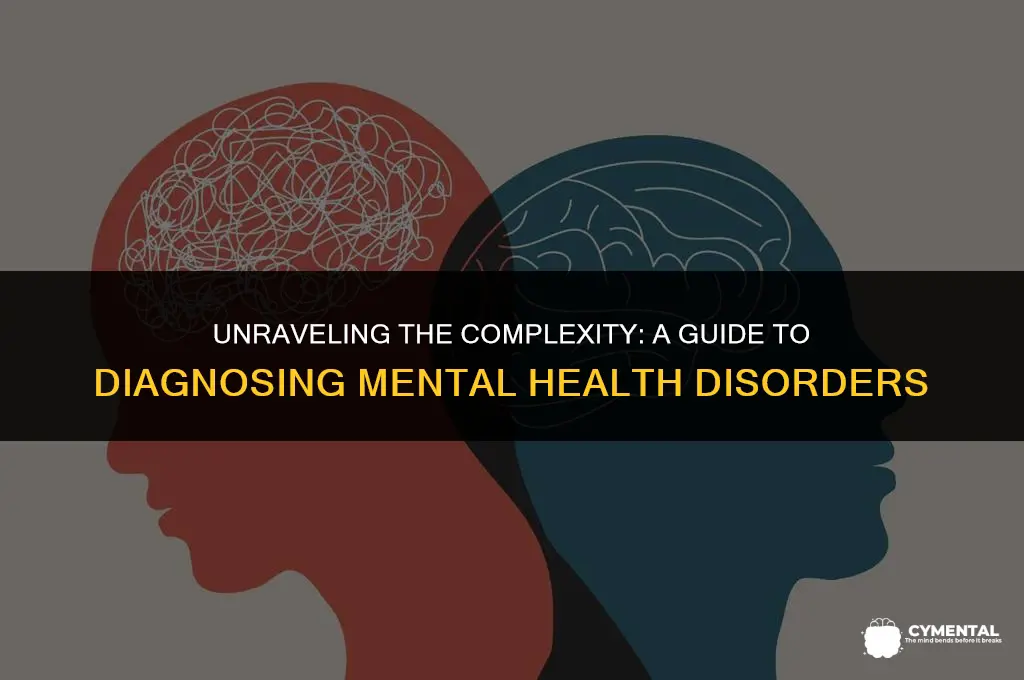
Diagnosing mental health disorders is a complex process that requires a comprehensive understanding of psychological, emotional, and behavioral patterns. Mental health professionals, such as psychiatrists, psychologists, and licensed therapists, use a variety of methods to assess and diagnose these conditions. The process typically begins with a thorough clinical interview, during which the patient's symptoms, medical history, and personal circumstances are discussed. This is often followed by psychological assessments and questionnaires designed to measure specific aspects of mental functioning. In some cases, physical examinations and laboratory tests may also be conducted to rule out underlying medical conditions that could be contributing to the patient's symptoms. The information gathered from these various sources is then used to formulate a diagnosis based on established criteria, such as those outlined in the Diagnostic and Statistical Manual of Mental Disorders (DSM-5). It is important to note that mental health disorders can be highly individualized, and a diagnosis should always be made by a qualified professional who can take into account the unique circumstances of each patient.
Explore related products




What You'll Learn
- Symptom Identification: Recognizing common signs and symptoms associated with various mental health disorders
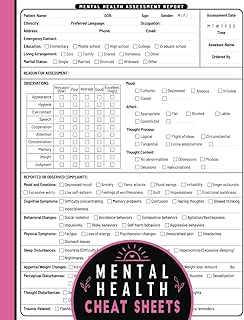
- Patient History: Gathering detailed information about the patient's past experiences, family history, and social context
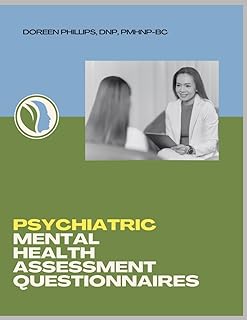
- Psychological Assessments: Administering standardized tests and evaluations to measure cognitive function, emotional state, and behavioral patterns
- Differential Diagnosis: Comparing symptoms and assessment results to distinguish between similar disorders and rule out other conditions
- Consultation and Referral: Collaborating with other healthcare professionals and referring patients to specialists when necessary for further evaluation and treatment

Symptom Identification: Recognizing common signs and symptoms associated with various mental health disorders
Recognizing the signs and symptoms of mental health disorders is a critical first step in the diagnostic process. While only a qualified healthcare professional can provide an accurate diagnosis, being aware of common symptoms can help individuals identify when they or someone they know may need professional help. Symptoms can vary widely depending on the specific disorder, but there are some general warning signs that may indicate a mental health issue.
One common symptom across many mental health disorders is a persistent feeling of sadness or loss of interest in activities that were once enjoyable. This can be accompanied by changes in appetite, sleep patterns, or energy levels. Other warning signs may include difficulty concentrating, feelings of guilt or worthlessness, or a general sense of hopelessness. In some cases, individuals may experience physical symptoms such as headaches, stomachaches, or other unexplained pains.
It's important to note that experiencing one or more of these symptoms does not necessarily mean that someone has a mental health disorder. Many of these symptoms can also be caused by other factors, such as medical conditions or life circumstances. However, if these symptoms persist and interfere with daily life, it's a good idea to seek professional help.
In addition to these general warning signs, there are also specific symptoms associated with particular mental health disorders. For example, individuals with anxiety disorders may experience excessive worry, fear, or panic attacks. Those with depressive disorders may have persistent feelings of sadness, emptiness, or irritability. Individuals with psychotic disorders may experience hallucinations, delusions, or disorganized thinking.
When identifying symptoms, it's important to consider the context in which they occur. For example, a symptom like difficulty sleeping could be caused by a variety of factors, including stress, caffeine consumption, or a medical condition. However, if difficulty sleeping is accompanied by other symptoms such as persistent sadness or loss of interest in activities, it may be indicative of a mental health disorder.
In conclusion, recognizing the signs and symptoms of mental health disorders is an important step in seeking help and getting an accurate diagnosis. While only a qualified healthcare professional can provide a diagnosis, being aware of common symptoms can help individuals identify when they or someone they know may need professional help. If you're concerned about your own mental health or the mental health of someone you know, don't hesitate to reach out to a healthcare professional for guidance and support.
Understanding Social Anxiety: Is It a Mental Disorder?
You may want to see also
Explore related products




Patient History: Gathering detailed information about the patient's past experiences, family history, and social context
Gathering a patient's history is a critical step in diagnosing mental health disorders. This process involves collecting detailed information about the patient's past experiences, family history, and social context. A thorough patient history can provide valuable insights into the patient's current mental state and help clinicians identify potential risk factors or underlying causes of their symptoms.
To gather a patient's history, clinicians should start by asking open-ended questions that encourage the patient to share their experiences and feelings. This might include questions about their childhood, relationships, work history, and any significant life events they have experienced. Clinicians should also ask about the patient's family history, including any mental health disorders or medical conditions that run in their family.
In addition to asking questions, clinicians should also observe the patient's behavior and body language. This can provide additional clues about the patient's mental state and help clinicians identify any potential issues that the patient may not be willing to discuss openly. For example, a patient who appears agitated or withdrawn may be experiencing symptoms of anxiety or depression.
It is also important for clinicians to consider the patient's social context when gathering their history. This might include factors such as their socioeconomic status, cultural background, and access to resources. These factors can have a significant impact on the patient's mental health and should be taken into account when developing a treatment plan.
Finally, clinicians should be aware of any potential biases or assumptions they may have when gathering a patient's history. It is important to approach each patient as an individual and avoid making assumptions based on their age, gender, race, or other characteristics. By taking a thorough and unbiased approach to gathering a patient's history, clinicians can ensure that they are providing the best possible care for their patients.
Exploring the Possibilities: Can Mental Disorders Be Cured?
You may want to see also
Explore related products


Psychological Assessments: Administering standardized tests and evaluations to measure cognitive function, emotional state, and behavioral patterns
Psychological assessments are a critical tool in the diagnosis of mental health disorders. These standardized tests and evaluations provide a structured approach to measuring various aspects of an individual's psychological functioning, including cognitive abilities, emotional states, and behavioral patterns. By using these assessments, mental health professionals can gather objective data that helps inform their diagnostic decisions and treatment plans.
One common type of psychological assessment is the neuropsychological test, which is designed to evaluate cognitive functions such as memory, attention, language, and problem-solving skills. These tests can help identify cognitive impairments that may be associated with certain mental health disorders, such as dementia or attention deficit hyperactivity disorder (ADHD). Another type of assessment is the personality test, which aims to measure an individual's personality traits and characteristics. These tests can provide valuable insights into a person's emotional and behavioral patterns, which can be helpful in diagnosing disorders such as borderline personality disorder or narcissistic personality disorder.
In addition to these specific tests, mental health professionals may also use more general assessments that evaluate an individual's overall psychological functioning. These assessments often include interviews, questionnaires, and rating scales that are designed to gather information about a person's symptoms, life experiences, and social functioning. By combining the results of these various assessments, mental health professionals can develop a comprehensive understanding of an individual's psychological profile and make more accurate diagnostic decisions.
When administering psychological assessments, it is important for mental health professionals to follow standardized procedures and protocols to ensure the validity and reliability of the results. This includes providing clear instructions to the individual being assessed, maintaining a neutral and non-judgmental attitude, and scoring the tests accurately and objectively. Additionally, mental health professionals should be aware of the cultural and linguistic factors that may influence an individual's performance on these assessments and take steps to ensure that the tests are appropriate and fair for all individuals.
Overall, psychological assessments play a vital role in the diagnosis and treatment of mental health disorders. By providing objective data and valuable insights into an individual's psychological functioning, these assessments help mental health professionals make more informed decisions and develop more effective treatment plans. As such, it is essential for mental health professionals to be well-trained in the administration and interpretation of these assessments in order to provide the best possible care for their patients.
Exploring the Spectrum: A Guide to Mental Health Conditions
You may want to see also
Explore related products




Differential Diagnosis: Comparing symptoms and assessment results to distinguish between similar disorders and rule out other conditions
Differential diagnosis is a critical process in the field of mental health, aimed at distinguishing between disorders that share similar symptoms and ruling out other potential conditions. This meticulous approach ensures that patients receive accurate diagnoses and appropriate treatment plans. To achieve this, clinicians compare the patient's symptoms and assessment results against a broad spectrum of mental health disorders, considering factors such as the severity, duration, and pattern of symptoms.
One of the primary tools used in differential diagnosis is the Diagnostic and Statistical Manual of Mental Disorders (DSM-5), which provides detailed criteria for diagnosing mental health conditions. Clinicians also utilize various assessment tools, including interviews, questionnaires, and psychological tests, to gather comprehensive information about the patient's mental state and behavioral patterns. By systematically evaluating this information, clinicians can identify key differences between disorders and make informed diagnostic decisions.
For example, when diagnosing a patient with symptoms of anxiety and depression, a clinician might consider the possibility of major depressive disorder, generalized anxiety disorder, or even bipolar disorder. Through differential diagnosis, the clinician would assess the patient's symptoms against the specific criteria for each disorder, taking into account factors such as the presence of manic episodes, the duration of depressive symptoms, and the pattern of anxiety. This process helps to narrow down the diagnosis and ensure that the patient receives the most effective treatment.
In addition to considering the patient's symptoms, clinicians must also rule out other potential causes of the symptoms, such as medical conditions, substance abuse, or environmental factors. This involves a thorough review of the patient's medical history, as well as consideration of any recent life changes or stressors that may be contributing to their mental health symptoms. By taking a holistic approach to differential diagnosis, clinicians can provide patients with the most accurate and comprehensive care possible.
Ultimately, differential diagnosis is a complex and nuanced process that requires careful consideration of a wide range of factors. By utilizing a combination of clinical expertise, assessment tools, and diagnostic criteria, clinicians can make informed decisions that lead to better outcomes for their patients. This approach not only ensures that patients receive the appropriate treatment for their specific condition but also helps to prevent misdiagnosis and unnecessary suffering.
Understanding Bipolar Disorder: Debunking Myths About This Serious Mental Illness
You may want to see also
Explore related products


Consultation and Referral: Collaborating with other healthcare professionals and referring patients to specialists when necessary for further evaluation and treatment
Effective diagnosis of mental health disorders often requires a collaborative approach among healthcare professionals. Primary care physicians, psychologists, psychiatrists, and other specialists must work together to ensure that patients receive comprehensive evaluations and appropriate treatment plans. This collaboration involves not only sharing information and insights but also recognizing when to refer patients to specialists for further assessment and care.
One crucial aspect of this collaborative process is the initial consultation. During this stage, primary care physicians or general practitioners play a pivotal role in identifying potential mental health concerns. They are often the first point of contact for patients and are responsible for conducting initial screenings and assessments. These healthcare providers must be adept at recognizing the signs and symptoms of various mental health disorders and knowing when to refer patients to specialists for more in-depth evaluations.
Referral to specialists is essential when the mental health concerns are beyond the scope of the primary care physician’s expertise or when more specialized interventions are required. Psychiatrists, for example, are trained to diagnose and treat complex mental health disorders, prescribe medications, and provide advanced therapeutic interventions. Psychologists, on the other hand, specialize in conducting detailed psychological assessments and providing evidence-based therapies. By referring patients to these specialists, primary care physicians can ensure that their patients receive the most appropriate and effective care.
The referral process itself should be systematic and well-coordinated. It involves obtaining the patient’s consent, providing clear explanations of the reasons for the referral, and ensuring that all relevant medical records and information are shared with the specialist. Follow-up communication between the referring physician and the specialist is also crucial to ensure continuity of care and to discuss any findings or treatment recommendations.
In addition to referrals, consultation with other healthcare professionals can take place through various means, such as phone calls, video conferences, or in-person meetings. These consultations allow for the exchange of ideas, the discussion of challenging cases, and the development of collaborative treatment plans. By working together, healthcare professionals can leverage their collective expertise to provide the best possible care for their patients.
Ultimately, the goal of consultation and referral in the context of mental health diagnosis is to ensure that patients receive timely, accurate, and comprehensive care. By fostering a collaborative environment among healthcare professionals, we can improve the overall quality of mental health services and outcomes for patients.
Exploring the Complexities: Cannibalism and Mental Health Disorders
You may want to see also
Frequently asked questions
The first steps in diagnosing a mental health disorder typically involve a primary care physician or a mental health professional conducting an initial evaluation. This includes discussing symptoms, personal and family medical history, and any relevant social factors. The physician may also perform a physical examination to rule out underlying medical conditions that could be contributing to the symptoms.
Mental health disorders can be diagnosed by various professionals, including psychiatrists, psychologists, licensed clinical social workers, and licensed professional counselors. Psychiatrists are medical doctors who specialize in mental health and can prescribe medication, while psychologists and other licensed therapists provide counseling and therapy services.
Mental health professionals use a variety of diagnostic tools to identify mental health disorders. These include clinical interviews, standardized questionnaires, and rating scales. The Diagnostic and Statistical Manual of Mental Disorders (DSM-5) is a widely used reference guide that provides criteria for diagnosing mental health conditions. Additionally, psychological testing and neuropsychological assessments may be used to evaluate cognitive functioning and rule out neurological disorders.
The confidentiality of a patient's mental health diagnosis is protected by laws such as the Health Insurance Portability and Accountability Act (HIPAA) in the United States. Mental health professionals are required to maintain the privacy of their patients' information and can only share it with other healthcare providers or family members with the patient's consent. Additionally, mental health records are typically kept separate from other medical records to further safeguard patient privacy.