Caleb Wright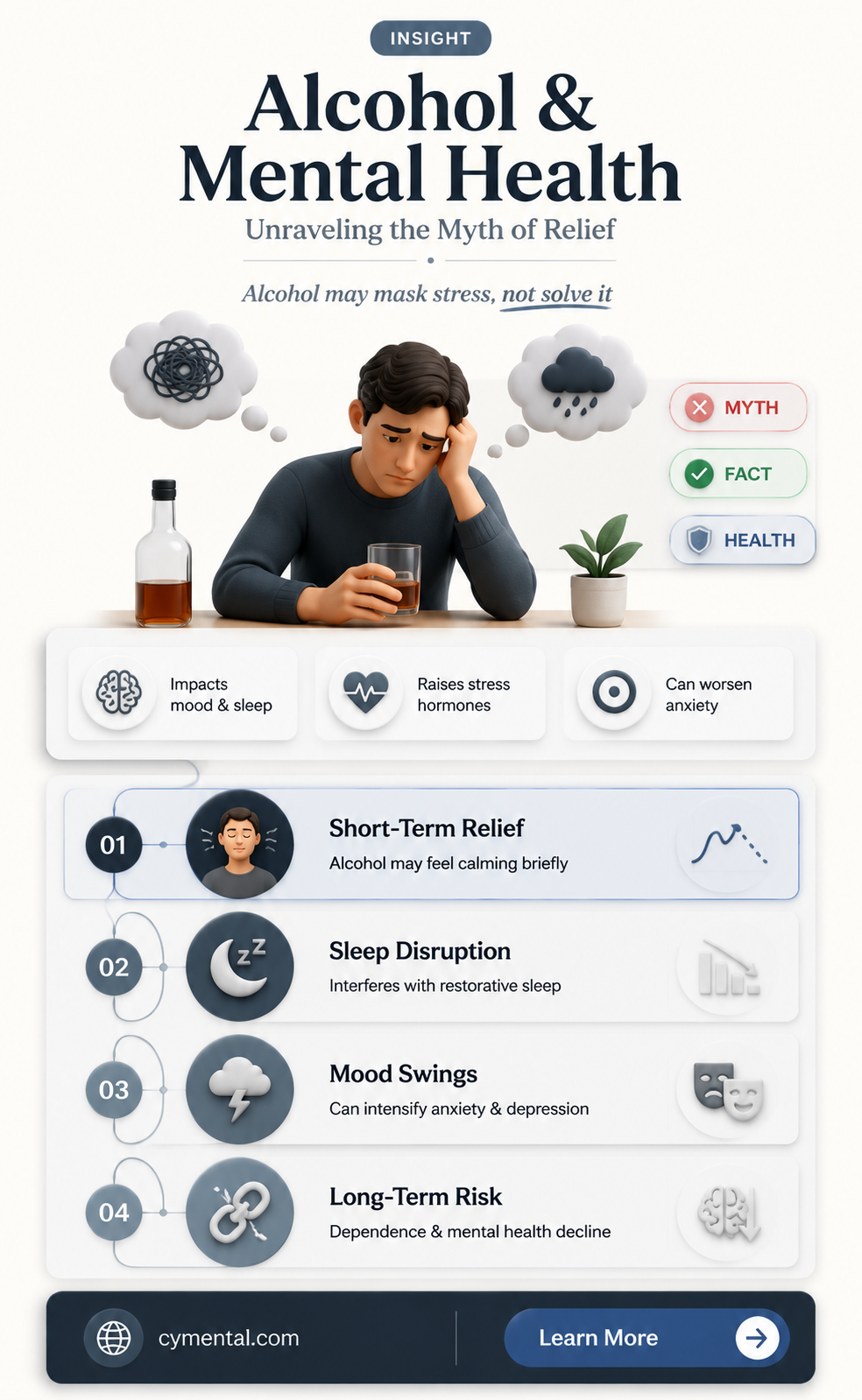
The question of whether alcohol helps mentally is a complex and multifaceted one, as its effects on mental health can vary widely depending on the individual, the context, and the amount consumed. While some people may report temporary relief from stress, anxiety, or depression after drinking, alcohol is a depressant that can exacerbate underlying mental health issues over time. It can disrupt sleep patterns, impair cognitive function, and increase the risk of developing or worsening conditions like depression and anxiety. Additionally, reliance on alcohol as a coping mechanism can lead to dependency and addiction, further complicating mental health challenges. Understanding the nuanced relationship between alcohol and mental well-being is crucial for making informed decisions about its use.
| Characteristics | Values |
|---|---|
| Short-Term Effects | Alcohol acts as a central nervous system depressant, initially reducing anxiety and promoting relaxation. It can temporarily improve mood and sociability. |
| Long-Term Effects | Chronic alcohol use is linked to increased anxiety, depression, and cognitive decline. It disrupts neurotransmitter balance and can lead to mental health disorders. |
| Anxiety and Depression | While alcohol may temporarily alleviate symptoms, long-term use worsens anxiety and depression by altering brain chemistry and increasing dependency. |
| Stress Relief | Alcohol is often used as a coping mechanism for stress, but it interferes with the body's natural stress response, leading to heightened stress levels over time. |
| Sleep Quality | Alcohol disrupts sleep patterns, reducing REM sleep and causing fragmented sleep, which negatively impacts mental health. |
| Addiction Risk | Regular use increases the risk of alcohol use disorder (AUD), which is associated with severe mental health issues, including suicidal ideation. |
| Neurological Impact | Prolonged alcohol consumption damages the brain, impairing memory, decision-making, and emotional regulation. |
| Social and Emotional Effects | While alcohol can enhance sociability initially, it often leads to social isolation, relationship problems, and emotional instability in the long term. |
| Self-Medication | Many individuals use alcohol to self-medicate mental health symptoms, but this behavior exacerbates underlying conditions and delays proper treatment. |
| Withdrawal Symptoms | Stopping alcohol after prolonged use can cause severe withdrawal symptoms, including anxiety, depression, and psychosis, further complicating mental health. |
| Evidence-Based Conclusion | Scientific consensus indicates that alcohol does not help mental health in the long term. It may provide temporary relief but ultimately worsens mental well-being and increases the risk of disorders. |
Explore related products


What You'll Learn
- Stress Relief: Alcohol’s temporary calming effects vs. long-term anxiety increase
- Depression Link: Alcohol as a depressant exacerbating depressive symptoms over time
- Social Anxiety: Short-term confidence boost vs. dependency and isolation risks
- Sleep Disruption: Alcohol’s interference with REM sleep and mental health impact
- Self-Medication: Using alcohol to cope with trauma or emotional pain

Stress Relief: Alcohol’s temporary calming effects vs. long-term anxiety increase
Alcohol's immediate soothing embrace can feel like a quick fix for stress, but this temporary relief comes at a cost. After a stressful day, a glass of wine or a beer might seem like an easy way to unwind, and initially, it can reduce feelings of anxiety by enhancing GABA, a neurotransmitter that calms the brain. However, this effect is short-lived. As the body metabolizes alcohol, typically at a rate of one standard drink per hour, the calming sensation fades, often leaving behind heightened anxiety and restlessness. This phenomenon, known as "rebound anxiety," occurs because alcohol disrupts the brain’s natural balance, leading to increased stress hormone production once its effects wear off.
Consider the dosage: one standard drink (12 ounces of beer, 5 ounces of wine, or 1.5 ounces of distilled spirits) may temporarily lower inhibitions and promote relaxation. Yet, exceeding this amount—especially binge drinking, defined as 4 drinks for women or 5 for men within 2 hours—amplifies the risk of long-term anxiety. Chronic use alters brain chemistry, reducing serotonin levels, which regulate mood and stress. For individuals aged 18–35, a demographic prone to stress-related drinking, this pattern can create a vicious cycle: relying on alcohol for relief, only to experience greater anxiety later, perpetuating dependence.
To break this cycle, practical alternatives are essential. Mindfulness practices, such as deep breathing or meditation, offer immediate stress relief without the rebound effect. Exercise, even a 20-minute walk, triggers endorphins, providing sustained calm. For those struggling to reduce alcohol intake, setting limits—like alternating alcoholic drinks with water—can mitigate its anxiety-inducing aftermath. Tracking consumption with apps or journals also raises awareness of drinking habits, enabling better control.
Comparatively, while alcohol provides instant gratification, its long-term impact on mental health outweighs fleeting benefits. Studies show that regular drinkers are 2–3 times more likely to develop anxiety disorders than non-drinkers. Conversely, consistent stress management through non-alcoholic means, like therapy or hobbies, fosters resilience and emotional stability. The choice is clear: temporary escape or lasting well-being. Prioritizing the latter requires recognizing alcohol’s deceptive allure and embracing healthier coping mechanisms.
Boost Your Mood: How Morning Cardio Enhances Mental Health
You may want to see also
Explore related products


Depression Link: Alcohol as a depressant exacerbating depressive symptoms over time
Alcohol, a central nervous system depressant, is often mistakenly viewed as a remedy for stress or sadness. However, its effects on brain chemistry can deepen depressive symptoms over time. When consumed, alcohol increases the production of neurotransmitters like GABA, which initially induces relaxation. Simultaneously, it suppresses glutamate, a neurotransmitter associated with excitement. While this might provide temporary relief, repeated use disrupts the brain’s natural balance, leading to heightened anxiety, fatigue, and emotional instability—hallmarks of depression.
Consider the cycle: someone experiencing mild depressive symptoms turns to alcohol for relief. Initially, it numbs emotional pain, but as tolerance builds, higher doses are needed to achieve the same effect. This escalation further depresses the central nervous system, slowing cognitive function and dampening mood. Over weeks or months, the individual may notice increased feelings of hopelessness, irritability, and lethargy. Research shows that even moderate drinking (defined as up to one drink per day for women and two for men) can exacerbate these symptoms, particularly in those predisposed to depression.
A critical factor is alcohol’s interference with sleep quality. While it may help someone fall asleep faster, it disrupts REM sleep, the stage essential for emotional regulation and memory consolidation. Poor sleep perpetuates depressive symptoms, creating a vicious cycle. For example, a 30-year-old professional drinking three glasses of wine nightly to unwind might experience deeper fatigue and mood dips by morning, despite believing alcohol helps them relax. Breaking this cycle requires addressing both alcohol use and sleep hygiene—limiting intake to 1-2 drinks per week and establishing a consistent bedtime routine can mitigate these effects.
From a practical standpoint, reducing alcohol intake is a tangible step toward managing depressive symptoms. Start by tracking consumption: note when and why you drink, then gradually replace alcoholic beverages with non-alcoholic alternatives like herbal tea or sparkling water. For those with moderate to severe depression, consulting a healthcare provider is crucial, as they can recommend therapies such as cognitive-behavioral therapy (CBT) or medications that don’t interact negatively with alcohol. Remember, while alcohol may seem like a quick fix, its depressant nature ultimately worsens mental health, making abstinence or moderation a key component of long-term recovery.
Nurturing Mental Well-Being: Essential Strategies for a Healthier Mind
You may want to see also
Explore related products

$14.99 $29.99


Social Anxiety: Short-term confidence boost vs. dependency and isolation risks
Alcohol's immediate effects on social anxiety are well-documented: a drink or two can lower inhibitions, ease nervousness, and create a temporary sense of confidence. For someone grappling with social anxiety, this can feel like a lifeline in high-pressure situations, such as public speaking or networking events. Research suggests that low to moderate doses of alcohol (typically one standard drink for women and up to two for men, depending on body weight) can activate the brain’s GABA receptors, reducing anxiety symptoms for a short period. However, this relief is fleeting, lasting only as long as the alcohol remains in the system, typically 1–2 hours for a single drink.
While the short-term confidence boost may seem beneficial, the risks of dependency loom large. Regularly using alcohol as a crutch for social anxiety can lead to increased tolerance, meaning higher amounts are needed to achieve the same effect. This pattern often escalates into a cycle of reliance, where individuals feel unable to face social situations without drinking. Studies show that individuals with social anxiety disorder are twice as likely to develop alcohol use disorder compared to the general population. The brain’s reward system becomes conditioned to associate alcohol with relief, making it harder to break the habit over time.
Beyond dependency, the isolation risks are equally concerning. Alcohol may provide temporary social ease, but its long-term use often exacerbates the very anxiety it aims to alleviate. Hangovers, impaired judgment, and the stigma of drinking can lead to missed opportunities, strained relationships, and withdrawal from social activities. For example, a person might avoid events altogether if they cannot drink, or their behavior under the influence may alienate friends and colleagues. This creates a paradox: alcohol is used to combat social anxiety, yet it becomes a barrier to genuine connection and self-improvement.
Breaking this cycle requires addressing the root cause of social anxiety rather than masking it. Cognitive-behavioral therapy (CBT), mindfulness techniques, and gradual exposure to social situations are evidence-based strategies that build lasting confidence without the risks of alcohol. For those already dependent, tapering off under professional guidance and exploring alternative coping mechanisms, such as deep breathing exercises or support groups, can be effective. The goal is to replace the temporary crutch of alcohol with sustainable tools for managing anxiety.
In conclusion, while alcohol may offer a short-term confidence boost for social anxiety, its potential for dependency and isolation far outweighs the benefits. Understanding this trade-off is crucial for making informed decisions. Practical steps, like setting drink limits, alternating alcoholic beverages with water, and seeking therapy, can help mitigate risks. Ultimately, true confidence comes from confronting anxiety head-on, not from the bottom of a glass.
Laughter Therapy: Unlocking Mental Health Benefits Through Joy and Humor
You may want to see also
Explore related products


Sleep Disruption: Alcohol’s interference with REM sleep and mental health impact
Alcohol's sedative effects might lull you into believing it aids sleep, but this is a misconception with serious mental health implications. While a nightcap may help you fall asleep faster, it disrupts the crucial REM (rapid eye movement) sleep stage, essential for memory consolidation, emotional processing, and overall brain health.
Think of REM sleep as your brain's nightly housekeeping. During this stage, it processes emotions, solidifies memories, and clears out waste products. Alcohol, even in moderate amounts (1-2 drinks for women, 2-3 for men), suppresses REM sleep, leading to a buildup of emotional residue and cognitive fog.
This REM deprivation has tangible consequences. Studies show that chronic alcohol use, even at moderate levels, is linked to increased anxiety, depression, and difficulty regulating emotions. Imagine trying to function with a constantly cluttered desk – that's the mental equivalent of alcohol-induced REM disruption.
For those struggling with existing mental health conditions, alcohol's impact on REM sleep can be particularly detrimental. It can exacerbate symptoms of anxiety and depression, creating a vicious cycle where individuals rely on alcohol to cope, further disrupting sleep and worsening their mental state.
Breaking this cycle requires understanding the connection between alcohol, REM sleep, and mental well-being. Limiting alcohol intake, especially close to bedtime, is crucial. Aim for at least 3-4 alcohol-free nights per week and avoid drinking within 3 hours of sleep. Prioritize sleep hygiene practices like establishing a consistent sleep schedule, creating a relaxing bedtime routine, and ensuring a dark, quiet sleep environment. Remember, quality sleep is a cornerstone of mental health, and alcohol, despite its initial sedative effects, ultimately undermines this foundation.
Struggling to Afford Mental Health Care? You're Not Alone
You may want to see also
Explore related products

$12.69 $20


Self-Medication: Using alcohol to cope with trauma or emotional pain
Alcohol’s temporary numbing effect can make it seem like a quick fix for emotional pain or trauma. After a stressful day or a triggering event, a drink might offer fleeting relief, dulling the sharpness of anxiety or sorrow. This immediate escape is why many turn to it as a form of self-medication. However, this relief is deceptive. While alcohol may temporarily suppress emotions, it does not address the root cause of the pain. Instead, it often exacerbates underlying mental health issues, creating a cycle of dependency that deepens the very trauma it aims to soothe.
Consider the mechanics of this cycle. Alcohol is a central nervous system depressant, which means it slows brain activity and alters neurotransmitter function. In small doses—say, one drink for women or two for men, as per dietary guidelines—it may produce a calming effect. But this effect is short-lived. As the body metabolizes alcohol, withdrawal symptoms like increased anxiety or depression can emerge, intensifying the emotional pain that drove the drinking in the first place. For trauma survivors, this can be particularly dangerous, as alcohol impairs the brain’s ability to process and recover from traumatic memories, hindering long-term healing.
The risks of using alcohol as a coping mechanism are compounded by its potential for tolerance and dependence. Over time, the body adapts to regular alcohol use, requiring larger amounts to achieve the same effect. For instance, someone who initially finds relief in a glass of wine after a stressful day might soon need a bottle to feel the same numbness. This escalation not only increases the risk of physical health problems, such as liver disease or cardiovascular issues, but also deepens psychological reliance. The line between self-medication and addiction blurs, leaving individuals trapped in a cycle they cannot easily escape.
Breaking this cycle requires addressing the trauma or emotional pain at its core. Therapy, particularly modalities like cognitive-behavioral therapy (CBT) or eye movement desensitization and reprocessing (EMDR), offers evidence-based tools to process trauma and develop healthier coping strategies. Support groups, mindfulness practices, and physical activity can also provide sustainable relief without the risks associated with alcohol. For those struggling with dependency, professional intervention—such as medical detox or medication-assisted treatment—may be necessary to safely navigate withdrawal and recovery.
Ultimately, while alcohol may offer temporary respite from emotional pain, its long-term consequences far outweigh any perceived benefits. Recognizing this distinction is the first step toward seeking healthier, more effective ways to heal. Self-medication with alcohol is not a solution—it’s a detour that delays the journey toward genuine recovery and resilience.
Gratitude's Power: Enhancing Mental Health and Emotional Well-being
You may want to see also
Frequently asked questions
While alcohol may provide temporary relief from stress and anxiety, it is not a healthy or sustainable solution. It can disrupt brain chemistry, worsen anxiety over time, and lead to dependence.
Alcohol is a depressant that initially acts as a sedative, which can create a temporary feeling of relaxation or euphoria. However, prolonged use can lead to mood swings, depression, and overall worsened mental health.
Alcohol may help you fall asleep faster, but it disrupts the sleep cycle, reducing the quality of rest. Poor sleep can negatively impact mental health, making alcohol counterproductive for long-term well-being.
Some studies suggest moderate drinking may have social or cardiovascular benefits, but its impact on mental health is minimal and varies by individual. It’s not recommended as a strategy for improving mental health.
No, alcohol is not a healthy coping mechanism for depression or other mental health issues. It can exacerbate symptoms, interfere with medications, and increase the risk of developing a substance use disorder.