Caleb Wright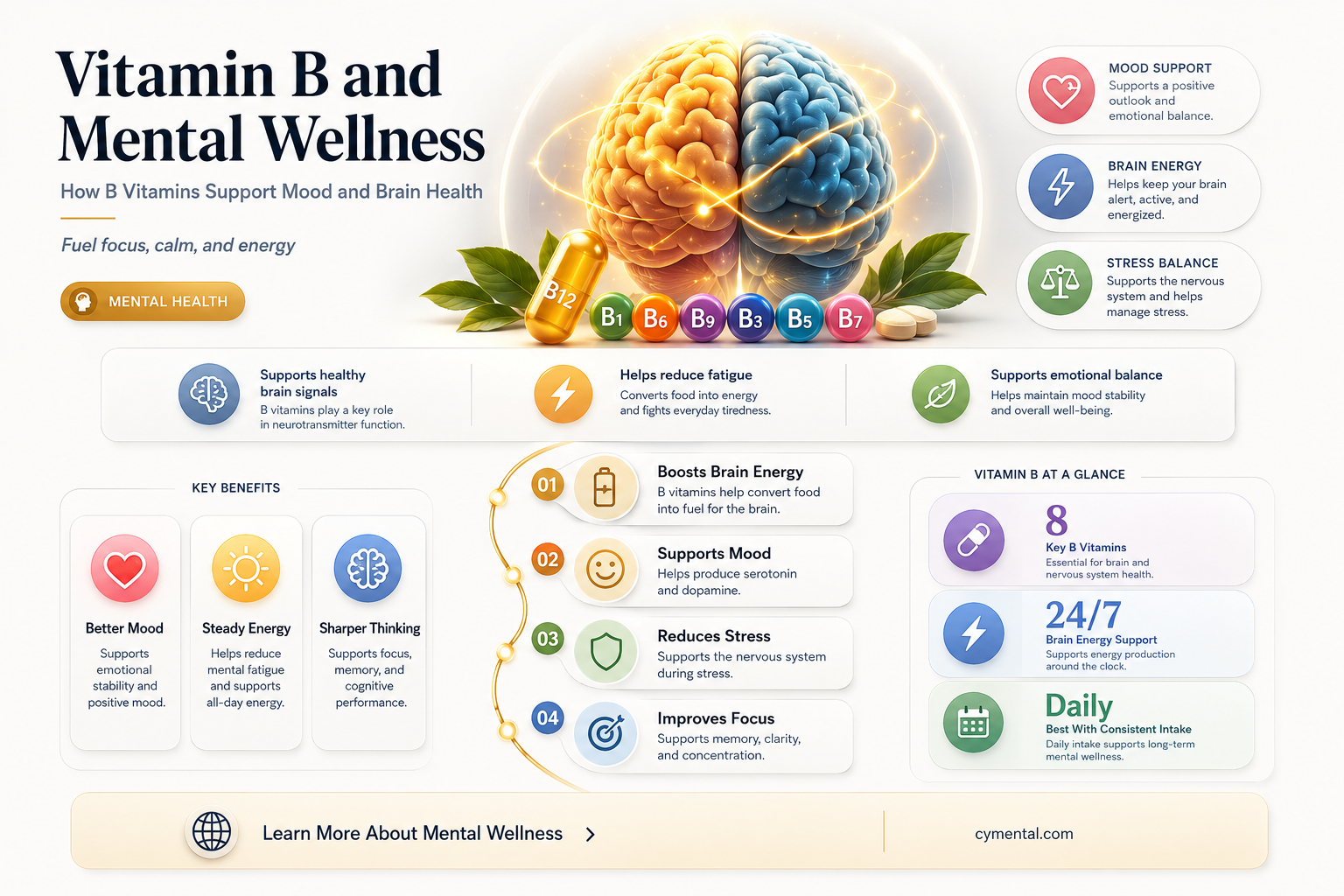
Vitamin B, a group of essential nutrients including B1, B2, B3, B6, B9, and B12, plays a crucial role in maintaining overall health, particularly in brain function and mental well-being. Research suggests that these vitamins are involved in the production of neurotransmitters, such as serotonin and dopamine, which regulate mood, stress, and anxiety. Deficiencies in certain B vitamins have been linked to mental health issues like depression, anxiety, and cognitive decline. For instance, low levels of B12 and B9 (folate) are associated with an increased risk of depression, while B6 is essential for the synthesis of neurotransmitters that influence mood. While supplementation may benefit those with deficiencies, the impact of vitamin B on mental health in individuals with adequate levels remains a topic of ongoing research. Understanding the relationship between vitamin B and mental health could offer valuable insights into preventive and therapeutic strategies for mental well-being.
| Characteristics | Values |
|---|---|
| Role in Neurotransmitter Synthesis | Vitamin B, particularly B6, B9 (folate), and B12, plays a crucial role in the production of neurotransmitters like serotonin, dopamine, and norepinephrine, which are essential for mood regulation. |
| Reduction of Depression Symptoms | Studies suggest that adequate levels of B vitamins, especially B12 and folate, may help reduce symptoms of depression, particularly in individuals with deficiencies. |
| Anxiety Management | Vitamin B complex, including B6 and B12, has been linked to lower anxiety levels, though evidence is mixed and more research is needed. |
| Cognitive Function | B vitamins, especially B12 and folate, support brain health and may help prevent cognitive decline and improve memory in older adults. |
| Stress Response | B vitamins, particularly B5 (pantothenic acid), are involved in the production of adrenal hormones, which help the body manage stress. |
| Homocysteine Regulation | B6, B9, and B12 help lower homocysteine levels, high levels of which are associated with increased risk of depression and cognitive impairment. |
| Energy Metabolism | B vitamins are essential for converting food into energy, which indirectly supports mental well-being by combating fatigue. |
| Deficiency Impact | Deficiencies in B vitamins, especially B12 and folate, are linked to increased risk of depression, anxiety, and cognitive issues. |
| Supplementation Benefits | Supplementation with B vitamins may improve mental health in individuals with deficiencies, but effects in those with adequate levels are less clear. |
| Population-Specific Effects | Older adults, vegetarians/vegans, and pregnant women may benefit more from B vitamin supplementation due to higher risk of deficiencies. |
| Limitations of Evidence | While promising, many studies on B vitamins and mental health are inconclusive, and more research is needed to establish definitive links. |
Explore related products

![NatureWise Vitamin B Complex for Women and Men - with Folic Acid Biotin B1 B2 B3 B6 B12 - Support Cellular Energy & Mental Clarity - Gluten & Dairy Free, Non-GMO - 60 Softgels[2-Month Supply]](https://m.media-amazon.com/images/I/71xmk3fvnoL._AC_UL320_.jpg)
![NatureWise Vitamin B Complex for Women and Men - with Folic Acid Biotin B1 B2 B3 B6 B12 - Support Cellular Energy & Mental Clarity - Gluten & Dairy Free, Non-GMO - 360 Softgels[1-Year Supply]](https://m.media-amazon.com/images/I/71iPEkRMqgL._AC_UL320_.jpg)

![NatureWise Vitamin B Complex for Women and Men - with Folic Acid Biotin B1 B2 B3 B6 B12 - Support Cellular Energy & Mental Clarity - Gluten & Dairy Free, Non-GMO - 150 Softgels[5-Month Supply]](https://m.media-amazon.com/images/I/71oyDNkAqZL._AC_UL320_.jpg)

What You'll Learn

B Vitamins and Mood Regulation
B vitamins, often referred to as the "energy vitamins," play a pivotal role in brain function and mood regulation. Among them, vitamin B6, B9 (folate), and B12 are particularly crucial for synthesizing neurotransmitters like serotonin, dopamine, and norepinephrine—chemicals that directly influence mood, stress response, and emotional resilience. Deficiencies in these vitamins have been linked to depression, anxiety, and cognitive decline, making their intake essential for mental well-being. For instance, a study published in the *American Journal of Clinical Nutrition* found that older adults with higher B12 levels reported lower rates of depressive symptoms.
To harness the mood-regulating benefits of B vitamins, consider incorporating them through diet or supplements. Natural sources include leafy greens (rich in folate), salmon (high in B6 and B12), eggs, and fortified cereals. For those with dietary restrictions or absorption issues, supplements can be a practical alternative. The recommended daily intake varies by age and health status: adults typically need 1.3–2.4 mcg of B12, 400 mcg of folate, and 1.3–1.7 mg of B6. However, consult a healthcare provider before starting supplementation, especially if you’re pregnant, elderly, or have conditions like pernicious anemia that impair absorption.
A comparative analysis of B vitamins reveals their synergistic effects on mood. While B6 aids in converting tryptophan to serotonin, B9 supports DNA synthesis and repair, indirectly influencing brain health. B12, on the other hand, is critical for myelin sheath maintenance, ensuring efficient nerve signaling. Together, these vitamins form a trifecta that supports emotional stability. For example, a randomized controlled trial in *Psychotherapy and Psychosomatics* demonstrated that B-complex supplementation significantly reduced stress and improved mood in participants over 12 weeks.
Practical tips for optimizing B vitamin intake include pairing dietary sources with vitamin C-rich foods to enhance absorption, avoiding excessive alcohol consumption (which depletes B vitamins), and choosing methylated forms of B12 and folate (methylcobalamin and methylfolate) for better bioavailability. For those with mood disorders, combining B vitamin supplementation with therapy or medication, under professional guidance, can yield more pronounced benefits. Remember, while B vitamins are not a standalone cure for mental health issues, they are a foundational element in a holistic approach to mood regulation.
Kombucha and Mental Health: Exploring the Potential Benefits and Science
You may want to see also
Explore related products




Role in Reducing Anxiety Symptoms
Vitamin B complex, particularly vitamins B6, B9 (folate), and B12, plays a pivotal role in neurotransmitter synthesis, which directly influences mood regulation and anxiety levels. These vitamins are essential cofactors in the production of serotonin, dopamine, and gamma-aminobutyric acid (GABA), neurotransmitters that help calm the nervous system and mitigate anxiety symptoms. Studies suggest that deficiencies in these vitamins can lead to heightened anxiety, while supplementation may offer relief, particularly in individuals with low baseline levels.
Consider the case of a 30-year-old woman experiencing generalized anxiety disorder. Her healthcare provider recommended a daily supplement containing 50 mg of vitamin B6, 400 mcg of folate, and 250 mcg of vitamin B12, alongside her standard treatment. Within 8 weeks, she reported a noticeable reduction in anxiety symptoms, as measured by standardized anxiety scales. This example underscores the potential of vitamin B supplementation as an adjunctive therapy, though individual results may vary.
For those considering vitamin B supplementation to reduce anxiety, it’s crucial to approach it strategically. Start with a blood test to assess baseline levels, as excessive intake without deficiency can be counterproductive. Adults typically require 1.3–2 mg of B6, 400 mcg of folate, and 2.4 mcg of B12 daily, but therapeutic doses for anxiety may differ. Always consult a healthcare professional to tailor dosage and avoid interactions with medications like antidepressants or antacids.
Comparatively, while pharmaceutical interventions like SSRIs target serotonin reuptake, vitamin B supplementation supports serotonin production at its source. This makes it a complementary approach rather than a replacement for conventional treatments. However, its minimal side effects and affordability make it an appealing option for those seeking natural anxiety management strategies. Incorporating B-rich foods like leafy greens, eggs, and fortified cereals can also bolster dietary intake, though supplements may be necessary for therapeutic effects.
In conclusion, vitamin B’s role in reducing anxiety symptoms is rooted in its ability to support neurotransmitter function. Practical steps include testing for deficiencies, consulting a healthcare provider for personalized dosing, and combining supplementation with a balanced diet. While not a standalone solution, vitamin B can be a valuable tool in a comprehensive anxiety management plan, particularly for those with documented deficiencies or suboptimal dietary intake.
Technology's Role in Supporting Mental Health: Opportunities and Challenges
You may want to see also
Explore related products




Impact on Depression Management
Vitamin B complex, particularly B6, B9 (folate), and B12, plays a pivotal role in neurotransmitter synthesis, which directly influences mood regulation. Deficiencies in these vitamins have been linked to increased symptoms of depression, making supplementation a potential adjunctive strategy in depression management. For instance, B12 deficiency can lead to elevated homocysteine levels, a marker associated with depressive disorders. Addressing such deficiencies through targeted supplementation may alleviate symptoms, especially in individuals with poor dietary intake or malabsorption issues.
Consider the case of folate (B9), which is essential for the production of serotonin, dopamine, and norepinephrine. Studies suggest that folate supplementation, often in doses of 400–800 mcg daily, can enhance the efficacy of antidepressant medications, particularly selective serotonin reuptake inhibitors (SSRIs). This synergistic effect highlights the importance of integrating vitamin B into a comprehensive treatment plan for depression. However, it’s crucial to consult a healthcare provider before starting supplementation, as individual needs vary based on age, sex, and underlying health conditions.
While the evidence supporting vitamin B’s role in depression management is promising, it’s not a standalone solution. For example, a meta-analysis published in the *Journal of Psychopharmacology* found that B vitamins were most effective in reducing depressive symptoms when individuals had pre-existing deficiencies. This underscores the need for personalized approaches, such as blood tests to assess vitamin levels, before initiating supplementation. Over-supplementation, particularly with B6, can lead to neuropathy, emphasizing the importance of adhering to recommended dosages (e.g., 1.3–1.7 mg/day for adults).
Practical tips for incorporating vitamin B into depression management include prioritizing dietary sources like leafy greens, legumes, eggs, and fortified cereals. For those unable to meet requirements through diet alone, supplements such as methylated B12 (500–1000 mcg daily) or folate (as 5-MTHF, 400–800 mcg daily) may be beneficial. Combining supplementation with lifestyle modifications, such as regular exercise and stress management, can amplify its impact on mental health. Ultimately, vitamin B is a valuable tool in the depression management toolkit, but its effectiveness depends on addressing individual deficiencies and integrating it into a holistic treatment strategy.
Hypnosis and Mental Health: Exploring Its Potential as a Therapeutic Tool
You may want to see also
Explore related products

![NatureWise Vitamin B12 1000 mcg - Dietary Supplement for Supporting Energy Metabolism, Mental Clarity, Nervous System Health - Easy-to-Swallow, Soy & Gluten-Free, Non-GMO - 60 Softgels[60-Day Supply]](https://m.media-amazon.com/images/I/71ka8FAcppL._AC_UL320_.jpg)


Neurological Benefits of B Vitamins
B vitamins are essential micronutrients that play a pivotal role in brain function and mental health. Among their many functions, they act as coenzymes in metabolic pathways critical for neurotransmitter synthesis, myelination, and energy production within the brain. For instance, vitamins B6, B9 (folate), and B12 are directly involved in the synthesis of serotonin, dopamine, and norepinephrine—neurotransmitters that regulate mood, motivation, and stress response. Deficiencies in these vitamins have been linked to depression, anxiety, and cognitive decline, underscoring their importance in maintaining neurological health.
Consider the case of vitamin B12, which is crucial for the maintenance of nerve cells and the formation of the myelin sheath, a protective layer around nerves. A deficiency in B12 can lead to neurological symptoms such as memory loss, confusion, and even neuropathy. Studies have shown that older adults with low B12 levels are at a higher risk of cognitive impairment and dementia. Supplementation, particularly with methylcobalamin (the active form of B12), can help mitigate these risks. The recommended daily intake for adults is 2.4 mcg, but higher doses (up to 1000 mcg) may be prescribed for those with deficiencies or absorption issues.
Another critical player is folate (B9), which works in tandem with B12 to regulate homocysteine levels, an amino acid linked to neurodegenerative diseases when elevated. Pregnant women are often advised to take 400–600 mcg of folate daily to support fetal brain development and reduce the risk of neural tube defects. Beyond pregnancy, adequate folate intake is associated with a lower risk of depression and improved cognitive function in aging populations. Foods rich in folate, such as leafy greens, legumes, and fortified grains, can complement supplementation for optimal neurological benefits.
Practical tips for maximizing the neurological benefits of B vitamins include pairing them with a balanced diet rich in whole foods, as these vitamins are naturally found in sources like fish, eggs, dairy, and whole grains. However, certain populations—such as vegetarians, older adults, and those with gastrointestinal disorders—may struggle to meet their needs through diet alone. In such cases, supplementation under professional guidance is advisable. Additionally, B vitamins are water-soluble, meaning they are not stored in the body, so consistent daily intake is essential for sustained benefits.
In conclusion, the neurological benefits of B vitamins are both profound and multifaceted, impacting everything from mood regulation to cognitive resilience. By understanding their roles and ensuring adequate intake, individuals can proactively support brain health across the lifespan. Whether through dietary adjustments or targeted supplementation, prioritizing these micronutrients is a practical step toward safeguarding mental well-being.
Finding Mental Health Support: Where to Go for Help and Healing
You may want to see also
Explore related products


B12 Deficiency and Mental Health Risks
Vitamin B12 deficiency can silently undermine mental health, often masquerading as stress, anxiety, or depression. This essential nutrient plays a critical role in producing neurotransmitters like serotonin and dopamine, which regulate mood and cognitive function. Without adequate B12, these chemical messengers falter, potentially leading to irritability, memory lapses, and even severe conditions like psychosis. Adults over 50, vegetarians, and those with gastrointestinal disorders are particularly vulnerable due to reduced absorption or dietary insufficiency. Recognizing the link between B12 deficiency and mental health is the first step toward addressing this often-overlooked issue.
Consider the case of a 45-year-old vegan who began experiencing persistent fatigue, brain fog, and unexplained mood swings. Despite a healthy lifestyle, her symptoms worsened until a blood test revealed a severe B12 deficiency. Supplementation with 1,000 micrograms of B12 daily, under medical supervision, gradually restored her energy and mental clarity. This example underscores the importance of monitoring B12 levels, especially in populations at risk. For vegans and vegetarians, fortified foods or supplements are essential, as B12 is primarily found in animal products.
The relationship between B12 deficiency and mental health is bidirectional: not only can low B12 levels trigger mental health issues, but conditions like depression may also reduce appetite or nutrient absorption, exacerbating the deficiency. This creates a vicious cycle that requires targeted intervention. Healthcare providers often recommend B12 injections for severe deficiencies, as they bypass absorption issues in the gut. For mild cases, oral supplements of 250–500 micrograms daily may suffice, but individual needs vary. Always consult a healthcare professional before starting supplementation.
Practical steps to mitigate B12 deficiency include incorporating B12-rich foods like salmon, eggs, and dairy into your diet, especially if you’re not vegetarian. For those at risk, regular blood tests to monitor B12 levels are crucial. Early detection can prevent long-term mental health complications. Additionally, pairing B12 intake with folate-rich foods enhances its effectiveness, as both nutrients work synergistically in brain health. Small, consistent actions can make a significant difference in maintaining both physical and mental well-being.
In conclusion, B12 deficiency is a preventable yet often overlooked contributor to mental health risks. By understanding its role in brain function, recognizing symptoms, and taking proactive steps, individuals can safeguard their mental health. Whether through dietary adjustments, supplementation, or medical intervention, addressing B12 deficiency is a vital component of holistic mental health care. Don’t let a silent nutrient gap undermine your well-being—act now to ensure your brain gets the fuel it needs.
Supporting Your Boyfriend's Mental Health Through Nutrition and Diet
You may want to see also
Frequently asked questions
Yes, Vitamin B, particularly B6, B9 (folate), and B12, plays a crucial role in brain health and mental well-being by supporting neurotransmitter production and reducing homocysteine levels, which are linked to depression.
Yes, deficiencies in Vitamin B, especially B12 and folate, have been associated with symptoms of depression, anxiety, and cognitive decline, as these vitamins are essential for proper brain function.
Vitamin B complex, particularly B6, B9, and B12, is often recommended for anxiety and stress due to its role in producing serotonin, dopamine, and GABA, which regulate mood and stress responses.
Vitamin B12 is vital for nerve function and the production of neurotransmitters. A deficiency can lead to symptoms like fatigue, memory issues, and depression, while adequate levels may improve mood and cognitive function.
If you have a deficiency or dietary restrictions, supplements may help. However, consult a healthcare provider before starting any supplement, as individual needs vary and excessive intake can have side effects.