Lucas Bennett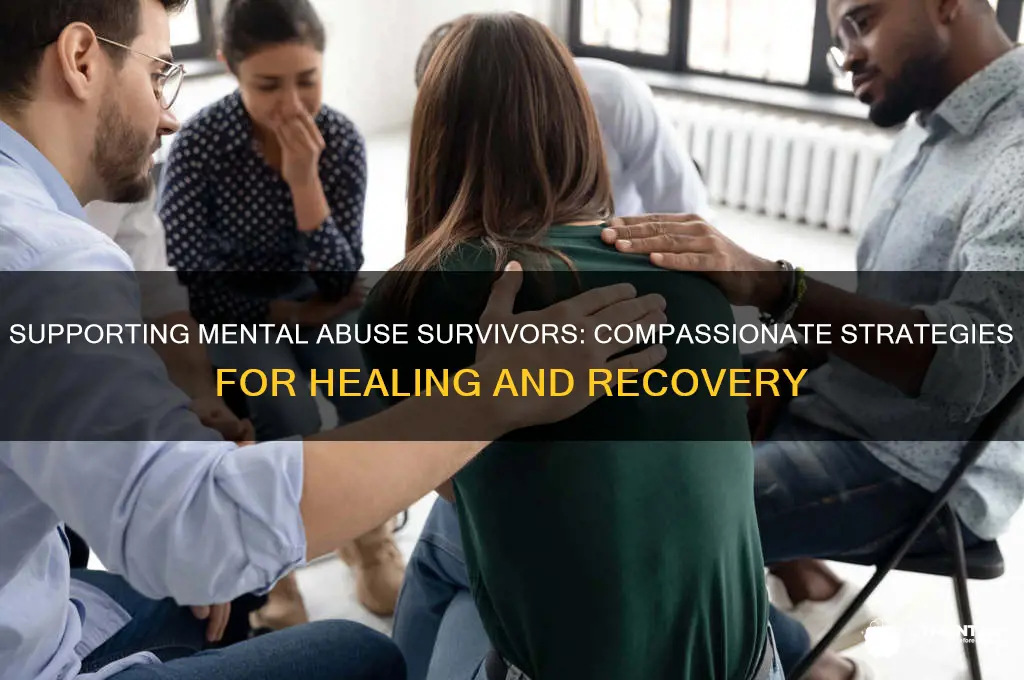
Helping mental abuse victims requires a compassionate, informed, and supportive approach, as the effects of psychological abuse can be deeply damaging and often invisible to others. Victims may struggle with low self-esteem, anxiety, depression, and a distorted sense of reality, making it crucial to create a safe and non-judgmental environment where they feel heard and validated. Key steps include actively listening without interrupting, acknowledging their experiences, and reassuring them that their feelings are valid. Encouraging professional help, such as therapy or counseling, can provide victims with tools to heal and rebuild their sense of self. Additionally, empowering them to set boundaries and regain control over their lives, while offering consistent emotional support, can play a vital role in their recovery process. Awareness and education about mental abuse are also essential to break the stigma and foster a community that stands against such harm.
Explore related products



What You'll Learn
- Active Listening: Create safe space, listen without judgment, validate feelings, avoid interrupting, show empathy
- Encourage Professional Help: Suggest therapy, provide resources, support seeking mental health professionals, normalize treatment
- Build Support Networks: Connect with trusted friends, family, or support groups, foster community, reduce isolation
- Empowerment Strategies: Help regain control, set boundaries, rebuild self-esteem, focus on strengths, celebrate small victories
- Safety Planning: Identify triggers, develop coping mechanisms, create exit strategies, ensure physical and emotional safety

Active Listening: Create safe space, listen without judgment, validate feelings, avoid interrupting, show empathy
Mental abuse victims often carry invisible scars, and their recovery hinges on feeling heard and believed. Active listening is a powerful tool in this process, but it requires more than just silence. It demands intentionality, empathy, and a commitment to creating a safe, non-judgmental space.
Imagine a friend confides in you about their emotionally abusive partner. They describe constant criticism, gaslighting, and isolation. Your instinct might be to offer solutions, share your own experiences, or even express anger towards the abuser. While well-intentioned, these responses can inadvertently silence the victim further.
Instead, active listening begins with creating a safe space. Choose a private, comfortable setting where interruptions are minimized. Turn off your phone, maintain eye contact (if culturally appropriate), and adopt an open posture. Let your body language convey attentiveness and acceptance. Then, simply say, "I'm here for you. Tell me more."
This opens the door for them to share at their own pace, without fear of judgment or interruption.
Active listening isn't about fixing the problem; it's about bearing witness to their experience. When they speak, resist the urge to interject with advice or anecdotes. Instead, reflect back what you hear, using phrases like, "It sounds like you feel really alone," or "That must have been incredibly hurtful." This validates their emotions and shows you're truly trying to understand.
Validation is crucial. Acknowledge the complexity of their situation. Phrases like, "It's understandable that you feel conflicted," or "Anyone would feel scared in that position," normalize their reactions and combat the self-blame often instilled by abusers. Remember, your role isn't to minimize their pain or offer quick fixes, but to create a space where they feel seen, heard, and believed.
Finally, show genuine empathy. This goes beyond saying, "I'm sorry." It's about conveying a deep understanding of their pain. Use phrases like, "My heart aches for what you're going through," or "I can't imagine how difficult this must be." Offer physical comfort if appropriate, like a hug or a hand on their shoulder. Let them know they're not alone, and that their feelings are valid and worthy of compassion.
Technology's Impact: Transforming Mental Health Care and Support
You may want to see also
Explore related products


Encourage Professional Help: Suggest therapy, provide resources, support seeking mental health professionals, normalize treatment
Mental abuse victims often carry invisible scars that require specialized care. Encouraging professional help is not just a suggestion—it’s a lifeline. Therapy offers a structured, evidence-based approach to healing, providing victims with tools to process trauma, rebuild self-esteem, and develop coping strategies. Without it, many may struggle to break free from the psychological chains of abuse.
Start by normalizing therapy as a valid and necessary step toward recovery. Use language that destigmatizes mental health treatment, such as, "Therapy is a powerful way to regain control and heal," rather than framing it as a last resort. Provide concrete resources, like local counseling centers, telehealth platforms, or hotlines (e.g., the National Domestic Violence Hotline at 1-800-799-SAFE). For those hesitant to seek help, offer to accompany them to their first appointment or help research therapists who specialize in trauma or emotional abuse.
Supporting someone in seeking professional help also means addressing practical barriers. Financial constraints, lack of transportation, or fear of judgment can deter victims from accessing care. Suggest sliding-scale clinics, free support groups, or online therapy options like BetterHelp or Talkspace. If they’re unsure where to start, recommend a primary care physician for a mental health referral or share websites like Psychology Today, which allow users to filter therapists by specialty, cost, and location.
Finally, be patient and persistent. Healing is not linear, and some victims may resist professional help due to shame, fear, or the abuser’s manipulation. Reiterate that seeking therapy is a sign of strength, not weakness. Share stories of others who’ve benefited from treatment, but avoid pressuring them. Instead, let them know you’re there to support their journey, whatever it looks like. Over time, your encouragement can help them take the first step toward reclaiming their mental well-being.
Christian Counseling: A Path to Mental Health Healing?
You may want to see also
Explore related products


Build Support Networks: Connect with trusted friends, family, or support groups, foster community, reduce isolation
Isolation is a weapon wielded by abusers to silence and control their victims. Breaking free from this isolation is a crucial step towards healing for mental abuse survivors. Building a robust support network acts as a lifeline, offering emotional refuge, practical assistance, and a sense of belonging that counters the abuser's narrative of worthlessness.
Imagine a garden choked by weeds. The first step is clearing the overgrowth – the abuser's toxic influence. Then, fertile soil needs nurturing – this is where support networks come in. Trusted friends, understanding family members, or specialized support groups provide the sunlight and water necessary for new growth.
Cultivating these connections requires intentionality. Start small. Reach out to one person you trust, even if it feels daunting. Share your experiences at your own pace, allowing vulnerability to blossom gradually. Support groups, both online and in-person, offer a unique advantage: they connect you with individuals who truly understand your struggles. They've walked a similar path, spoken the same language of pain, and emerged stronger. Their collective wisdom and empathy become a powerful antidote to the abuser's gaslighting and manipulation.
Think of these connections as a safety net, woven from threads of compassion and understanding. Each interaction strengthens the net, providing a soft landing when the journey gets rough. Remember, healing is not a solitary endeavor. It thrives in the fertile soil of community, where shared experiences become seeds of hope and resilience.
Building a support network is not without its challenges. Fear of judgment, shame, or re-traumatization can be paralyzing. Start by acknowledging these fears without letting them dictate your actions. Remember, true friends and supportive communities will meet you where you are, offering acceptance and understanding without pressure. Be patient with yourself and others. Healing takes time, and rebuilding trust is a gradual process. Celebrate small victories along the way – a phone call made, a group meeting attended, a moment of vulnerability shared. These are all steps towards reclaiming your power and rebuilding a life free from abuse.
Seeking Support: A Guide to Finding Help When You Need It Most
You may want to see also
Explore related products


Empowerment Strategies: Help regain control, set boundaries, rebuild self-esteem, focus on strengths, celebrate small victories
Mental abuse strips victims of their sense of agency, leaving them feeling powerless and trapped. Empowerment strategies aim to reverse this damage by helping survivors reclaim their autonomy and rebuild their lives. One of the first steps in this process is regaining control, which often begins with small, deliberate actions. Encourage victims to make decisions about their daily routines, such as choosing what to wear or eat, as these seemingly minor choices can restore a sense of self-determination. For instance, a survivor might start by deciding to take a different route to work or setting aside 15 minutes each day for a hobby they enjoy. These actions, though small, signal to the individual that they have the power to shape their own experiences.
Setting boundaries is another critical component of empowerment, but it requires careful guidance. Many survivors struggle with this because they’ve been conditioned to prioritize others’ needs over their own. Start by helping them identify what their boundaries are—whether emotional, physical, or digital. For example, they might decide to limit contact with the abuser or block them on social media. Practice assertive communication techniques, such as using "I" statements ("I feel uncomfortable when...") to express needs clearly. Caution them against expecting immediate compliance from others; boundary-setting is a process, and it’s normal for others to test these limits. Encourage consistency and self-compassion, as slipping up doesn’t negate progress.
Rebuilding self-esteem is a delicate but transformative part of recovery. Mental abuse often erodes a person’s self-worth, so it’s essential to focus on their strengths rather than perceived flaws. Ask survivors to list three things they’re good at or proud of, no matter how small. For example, someone might recognize their ability to care for pets, solve puzzles, or listen empathetically. Pair this with tangible reminders of their resilience—perhaps a journal where they document moments they handled difficult situations well. Over time, these practices can shift their self-perception from one of inadequacy to one of capability.
Celebrating small victories is a powerful way to reinforce progress and build momentum. Recovery is not linear, and acknowledging even minor achievements can motivate survivors to keep moving forward. For instance, if someone successfully says "no" to a request they’re uncomfortable with, encourage them to mark the occasion—whether by treating themselves to something they enjoy or simply taking a moment to reflect on their courage. These celebrations don’t need to be grand; they can be as simple as a mental high-five or a note in a gratitude journal. The key is to normalize recognizing and valuing their efforts.
Finally, focusing on strengths rather than deficits can reframe the recovery narrative. Instead of dwelling on what the survivor has lost, help them identify skills and qualities they can leverage to rebuild. For example, someone who’s naturally organized might use that skill to structure their healing journey, creating a schedule for therapy, self-care, and social activities. This strengths-based approach not only fosters confidence but also provides a practical toolkit for navigating challenges. By emphasizing what survivors *can* do, empowerment strategies shift the focus from survival to thriving.
VA Hospital Mental Health Support: Effective Care for Veterans' Well-being?
You may want to see also
Explore related products

$12.14 $19.99


$11.87 $17.99


Safety Planning: Identify triggers, develop coping mechanisms, create exit strategies, ensure physical and emotional safety
Mental abuse victims often live in a state of hypervigilance, their senses constantly scanning for the next emotional landmine. Safety planning disrupts this cycle by shifting focus from reaction to prevention. It’s about reclaiming agency, not just surviving but strategically navigating a path toward freedom. This process begins with identifying triggers – the words, actions, or environments that ignite fear, anxiety, or self-doubt. For some, it’s a raised voice; for others, it’s a specific accusation or the silent treatment. Documenting these triggers in a journal or on a phone app creates a tangible map of danger zones, allowing victims to anticipate and prepare.
Recognizing triggers is only the first step. Developing coping mechanisms transforms reactivity into resilience. Deep breathing exercises, practiced for 5-10 minutes daily, can calm the nervous system during moments of heightened stress. Grounding techniques, like naming five things you can see, four you can touch, and three you can hear, anchor victims in the present, disrupting spiraling thoughts. For those comfortable with technology, apps like Calm or Headspace offer guided meditations specifically designed for anxiety management.
Exit strategies are the lifelines in moments of acute danger. This could mean having a packed "go bag" hidden in a trusted location, containing essentials like cash, medications, important documents, and a charged phone. Establishing a code word with a friend or family member, when spoken or texted, signals the need for immediate intervention. Knowing the location of the nearest domestic violence shelter and having their hotline number saved is crucial. Remember, leaving an abusive situation is a process, not a single event. Each small step towards freedom is a victory.
Physical safety is paramount. Victims should consider changing locks, installing security cameras, or obtaining a restraining order if legally feasible. Carrying a personal alarm or pepper spray (where legal) can provide a sense of security. Emotionally, safety planning involves building a support network. Connecting with a therapist specializing in trauma can provide invaluable guidance and validation. Support groups offer a sense of community and shared understanding, reminding victims they are not alone.
Safety planning is not a one-size-fits-all solution. It’s a dynamic process that requires constant evaluation and adaptation. Triggers may evolve, coping mechanisms may need refinement, and exit strategies must be updated as circumstances change. The goal is not to eliminate all risk, but to empower victims with the tools and knowledge to navigate danger, make informed decisions, and ultimately, reclaim their lives.
Sleep's Healing Power: Repairing Emotional and Mental Health Naturally
You may want to see also
Frequently asked questions
The first steps include creating a safe and non-judgmental space for the victim to share their experiences, actively listening without interrupting, and validating their feelings. Encourage them to seek professional help, such as therapy or counseling, and offer to accompany them if they feel more comfortable. Additionally, provide resources like helplines or support groups for mental abuse survivors.
Respect their pace and boundaries. Avoid pressuring them to leave the abusive situation or share more than they are ready to. Instead, let them know you are there for them unconditionally and offer practical support, such as helping with daily tasks or providing a safe place to stay if needed. Be patient and consistent in your support, as healing takes time.
Common signs include low self-esteem, excessive self-blame, withdrawal from social activities, anxiety, depression, or sudden changes in behavior. They may also exhibit fear or hesitation around the abuser, avoid certain topics, or show signs of gaslighting (questioning their own reality). If you notice these signs, approach the person gently and express your concern without being confrontational.