Harper Lewis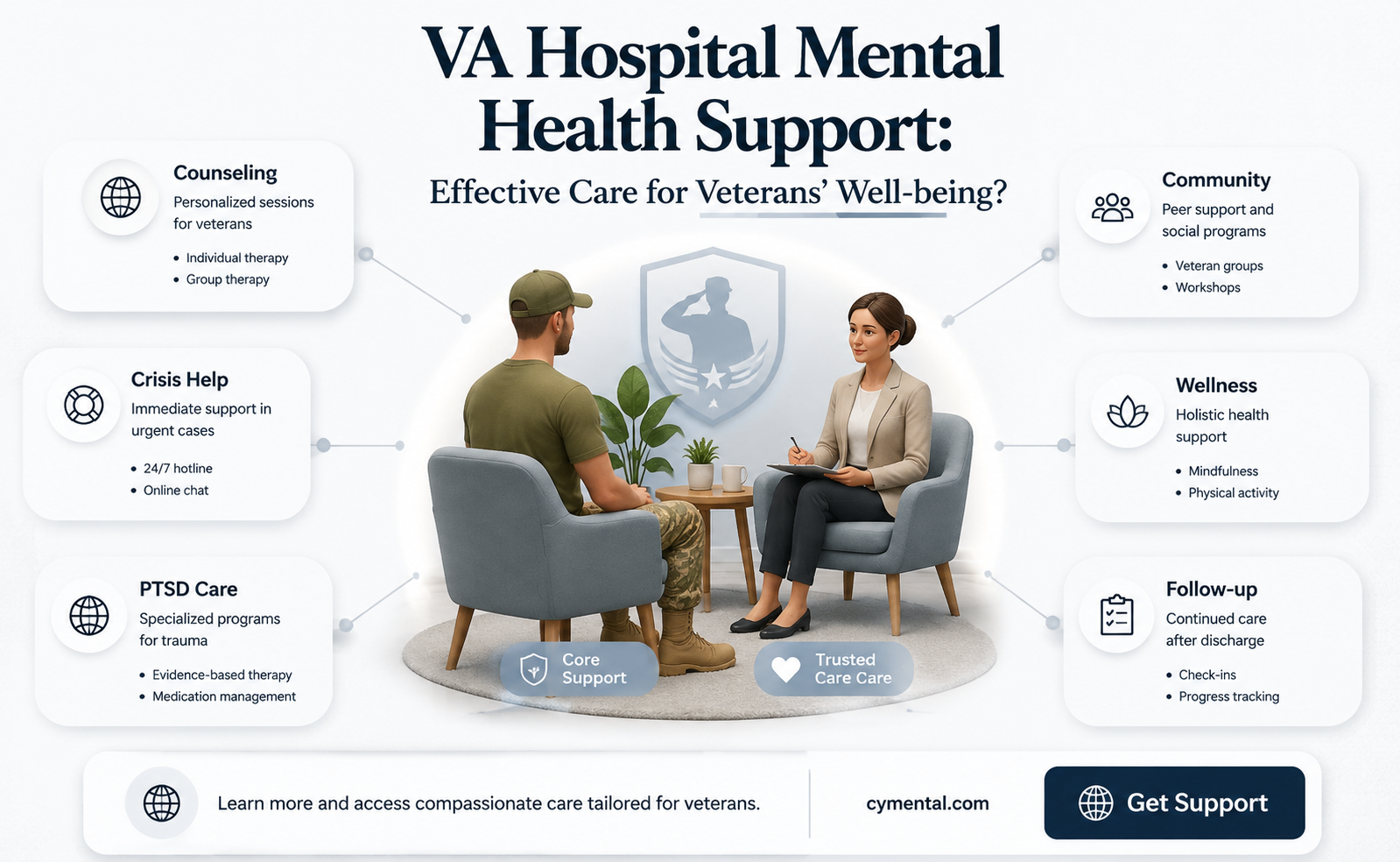
The VA hospital system plays a crucial role in addressing mental health issues among veterans, offering a range of specialized services tailored to their unique needs. From PTSD and depression to anxiety and substance abuse, VA hospitals provide comprehensive care through therapy, medication management, and support groups. With dedicated mental health professionals and programs like the Veterans Crisis Line, the VA aims to improve veterans' well-being and reduce stigma surrounding mental health. However, challenges such as long wait times and resource limitations persist, raising questions about the system's effectiveness and accessibility for those in need.
Explore related products


What You'll Learn

PTSD treatment programs
VA hospitals are at the forefront of addressing PTSD, offering specialized treatment programs tailored to veterans' unique needs. These programs integrate evidence-based therapies, medication management, and holistic approaches to support recovery. For instance, Cognitive Processing Therapy (CPT) and Prolonged Exposure (PE) are cornerstone treatments, typically delivered in 12 weekly sessions. Veterans often begin with psychoeducation to understand PTSD symptoms, followed by gradual exposure to trauma-related memories in a safe environment. Medications like SSRIs (e.g., sertraline 50–200 mg/day) or SNRIs (e.g., venlafaxine 75–225 mg/day) may be prescribed to manage symptoms, though therapy remains the primary focus.
One standout program is the VA’s Intensive PTSD Treatment Programs (IPTPs), which offer immersive, multi-week residential or outpatient care. These programs combine individual therapy, group sessions, and skill-building activities like mindfulness or anger management. Veterans in IPTPs often report significant symptom reduction, with studies showing up to 50% improvement in PTSD severity. Eligibility typically requires a PTSD diagnosis and willingness to engage in intensive treatment. Practical tips for veterans include maintaining a consistent sleep schedule, avoiding alcohol, and leaning on peer support groups during and after the program.
Comparatively, VA’s telehealth options, such as the PTSD Consultation Program, provide accessible care for veterans in remote areas. This program connects veterans with PTSD specialists via video sessions, ensuring continuity of care without travel burdens. While telehealth lacks the intensity of in-person programs, it offers flexibility and has proven effective for mild to moderate cases. Veterans can access this service by contacting their local VA clinic or enrolling through the VA’s telehealth portal.
A persuasive argument for VA PTSD programs lies in their veteran-centric design. Unlike civilian treatment models, VA programs account for military culture, combat-related trauma, and co-occurring issues like TBI or substance use. For example, the Seeking Safety program addresses trauma and addiction simultaneously, a common need among veterans. Additionally, VA programs often involve family members, recognizing their role in the recovery process. Veterans are encouraged to bring a spouse or caregiver to sessions focused on communication and coping strategies.
In conclusion, VA PTSD treatment programs offer a comprehensive, adaptable approach to healing. From intensive residential care to telehealth solutions, these programs meet veterans where they are, both geographically and emotionally. By combining proven therapies, medication management, and cultural sensitivity, the VA provides a pathway to recovery that respects the sacrifices veterans have made. For veterans struggling with PTSD, reaching out to a local VA facility is the first step toward reclaiming their lives.
Exploring Medical Marijuana's Potential in Treating Mental Health Disorders
You may want to see also
Explore related products

$24.99


Depression and anxiety support
Veterans experiencing depression and anxiety often face unique challenges tied to their service, making specialized support essential. The VA hospital system recognizes this need, offering a range of evidence-based treatments tailored to veterans. Cognitive Behavioral Therapy (CBT) is a cornerstone, helping individuals reframe negative thought patterns and develop coping strategies. For example, a veteran struggling with post-deployment anxiety might work with a therapist to identify triggers and practice relaxation techniques, such as deep breathing or progressive muscle relaxation. These tools are not only taught in sessions but also reinforced through homework assignments, ensuring practical application in daily life.
Pharmacological interventions are another critical component of VA mental health care. Antidepressants like selective serotonin reuptake inhibitors (SSRIs) are commonly prescribed, with dosages typically starting at 10–20 mg daily and adjusted based on response and side effects. Veterans are closely monitored to ensure medication effectiveness and manage potential risks, such as increased anxiety during the initial weeks of treatment. It’s important to note that medication is often paired with therapy for optimal outcomes, as studies show this combination approach significantly improves symptoms of depression and anxiety in veteran populations.
Group therapy programs at VA hospitals provide a sense of community and shared understanding, which can be particularly powerful for veterans. Peer support groups, such as those focused on PTSD or grief, allow individuals to connect with others who have similar experiences. For instance, a weekly anxiety management group might teach mindfulness techniques and encourage participants to share their progress, fostering accountability and camaraderie. These groups are often led by licensed therapists or trained peers, ensuring a safe and structured environment for healing.
Technology has also expanded access to mental health support for veterans, especially those in rural areas. The VA’s telehealth services offer virtual therapy sessions, making it easier to connect with providers without the need for travel. Mobile apps like PTSD Coach and Mindfulness Coach provide on-the-go tools for managing symptoms, including guided meditations and symptom tracking. While these digital resources are not a replacement for in-person care, they serve as valuable supplements, offering immediate support during moments of distress.
Finally, the VA emphasizes proactive outreach and education to address depression and anxiety before they escalate. Veterans are encouraged to participate in wellness programs, such as yoga or art therapy, which promote emotional resilience. Family members are also included in the support process, with workshops and resources available to help them understand and assist their loved ones. By combining clinical treatment, community support, and preventive measures, the VA hospital system strives to provide comprehensive care that meets veterans where they are, ensuring no one faces mental health challenges alone.
Mental Exercise and Dementia: Unlocking Brain Health Benefits
You may want to see also
Explore related products


Suicide prevention services
Suicide is a critical public health issue, and Veterans face a disproportionately higher risk compared to the general population. Recognizing this, VA hospitals have developed comprehensive suicide prevention services tailored to the unique needs of Veterans. These services are not one-size-fits-all but rather a multi-faceted approach that includes crisis intervention, long-term care, and community support. For instance, the VA’s Veterans Crisis Line (1-800-273-8255, press 1) operates 24/7, offering immediate assistance to Veterans in distress. This lifeline connects individuals to trained responders who can provide crisis intervention, mental health resources, and even emergency services if needed.
One of the standout features of VA suicide prevention services is the integration of evidence-based therapies into treatment plans. Cognitive Behavioral Therapy (CBT) and Dialectical Behavior Therapy (DBT) are commonly employed to address underlying mental health conditions like depression, PTSD, and substance use disorders, which are often contributing factors to suicidal ideation. For Veterans with severe symptoms, medication management may be introduced, with antidepressants such as selective serotonin reuptake inhibitors (SSRIs) prescribed under close monitoring. It’s crucial for Veterans to communicate openly with their healthcare providers about side effects or concerns, as adjustments to dosage or medication type can significantly improve outcomes.
Beyond clinical interventions, VA hospitals emphasize peer support and community engagement as vital components of suicide prevention. Programs like the Veterans Peer Support Specialist Program connect Veterans with peers who have lived experience of mental health challenges and recovery. These specialists provide mentorship, share coping strategies, and foster a sense of belonging, which can be transformative for those feeling isolated. Additionally, VA hospitals collaborate with local organizations to offer recreational therapy, vocational training, and housing assistance, addressing socio-economic factors that may exacerbate mental health struggles.
A critical aspect of VA suicide prevention is proactive outreach and risk assessment. Veterans identified as high-risk are enrolled in the Suicide Prevention Program (SPP), which includes regular check-ins, care coordination, and safety planning. Safety planning involves creating a personalized strategy for managing suicidal thoughts, such as identifying warning signs, listing coping mechanisms, and designating emergency contacts. Families and caregivers are also educated on recognizing signs of distress and encouraged to participate in the Veteran’s care plan, ensuring a supportive environment outside clinical settings.
While VA hospitals have made significant strides in suicide prevention, challenges remain, particularly in reaching Veterans in rural or underserved areas. Telehealth services have emerged as a solution, providing access to mental health care via video conferencing or phone calls. Veterans can schedule virtual appointments with psychiatrists, therapists, or peer specialists, breaking down geographical barriers. However, ensuring consistent access to technology and internet connectivity remains a hurdle that requires ongoing attention and investment.
In conclusion, VA hospitals offer a robust array of suicide prevention services designed to meet Veterans where they are—whether in crisis, seeking long-term treatment, or needing community support. By combining clinical expertise, peer engagement, and proactive outreach, these services aim to reduce Veteran suicides and improve overall mental health. Veterans and their loved ones should not hesitate to utilize these resources, as early intervention can be life-saving. The VA’s commitment to this cause is unwavering, but its success relies on Veterans feeling empowered to seek help and a community willing to stand with them.
Recognizing the Signs: When to Seek Help for Your Well-Being
You may want to see also
Explore related products




Substance abuse counseling
One of the standout features of VA substance abuse counseling is its holistic approach. Programs often combine individual therapy with group sessions, family counseling, and medication-assisted treatment (MAT). MAT, for example, may include medications like naltrexone or buprenorphine to manage cravings, particularly for opioid use disorder. Dosages are carefully monitored, with naltrexone typically prescribed at 50 mg daily for alcohol dependence and 250–300 mg monthly for opioid dependence. This multifaceted strategy ensures veterans receive comprehensive support, addressing both the psychological and physiological aspects of addiction.
Practical tips for veterans engaging in substance abuse counseling include setting realistic goals, such as reducing substance use incrementally rather than aiming for immediate abstinence. Veterans should also leverage VA resources like the Veterans Crisis Line (988, then press 1) for immediate support during moments of distress. Additionally, participating in peer support groups, such as those facilitated by the VA’s Substance Use Disorder (SUD) Program, can provide a sense of community and shared understanding. These groups often incorporate mindfulness techniques, such as deep breathing exercises or guided meditation, to help manage stress and cravings.
A comparative analysis reveals that VA hospitals outperform many civilian facilities in addressing veteran-specific substance abuse issues. Civilian programs often lack the expertise to address military-related trauma, whereas VA counselors are trained to understand the unique stressors veterans face. For example, a study published in the *Journal of Addiction Medicine* found that veterans in VA-led programs had higher rates of sustained recovery compared to those in non-VA programs. This underscores the importance of specialized care in achieving long-term success.
In conclusion, substance abuse counseling in VA hospitals is a lifeline for veterans grappling with addiction. By combining evidence-based therapies, medication-assisted treatment, and peer support, these programs offer a pathway to recovery tailored to the veteran experience. Veterans should take proactive steps, such as engaging with VA resources and setting achievable goals, to maximize the benefits of counseling. With the right support, recovery is not just possible—it’s within reach.
Boost Your Mood: How Morning Cardio Enhances Mental Health
You may want to see also
Explore related products





Veterans' mental health resources
The VA hospital system stands as a critical lifeline for veterans grappling with mental health challenges, offering a spectrum of services tailored to their unique needs. From PTSD and depression to anxiety and substance abuse, the VA provides evidence-based treatments, including cognitive behavioral therapy (CBT), prolonged exposure therapy (PE), and medication management. For instance, veterans diagnosed with PTSD often benefit from PE, a 12-session program designed to help them process traumatic memories in a safe environment. Additionally, the VA’s Mental Health Integration Program ensures mental health services are embedded within primary care, making access seamless for those who might hesitate to seek specialized care.
Navigating the VA’s mental health resources can feel overwhelming, but understanding the available pathways simplifies the process. Veterans can start by contacting their local VA medical center or using the Veterans Crisis Line (988, then press 1) for immediate support. The VA also offers telehealth services, allowing veterans in remote areas to access care via video appointments. For those needing intensive treatment, residential programs like the VA’s Substance Use Disorder (SUD) Program provide structured, immersive therapy. It’s crucial to know that eligibility for these services depends on factors like discharge status and service-connected disabilities, so verifying eligibility early is key.
One of the VA’s most innovative resources is the Whole Health approach, which emphasizes personalized care plans focusing on physical, mental, and emotional well-being. This model encourages veterans to take an active role in their recovery, incorporating practices like mindfulness, nutrition counseling, and peer support groups. For example, the VA’s Peer Specialist Program pairs veterans with trained peers who have overcome similar challenges, fostering a sense of camaraderie and shared understanding. This holistic approach not only addresses mental health symptoms but also empowers veterans to rebuild their lives with purpose and resilience.
Despite the VA’s robust offerings, barriers to access persist, particularly for younger veterans and those in rural areas. Stigma surrounding mental health remains a significant hurdle, with many veterans fearing judgment or career repercussions. To combat this, the VA has launched campaigns like “Make the Connection,” which shares real veterans’ stories to normalize seeking help. Additionally, the VA’s mobile apps, such as PTSD Coach and Mindfulness Coach, provide accessible tools for self-management. While the VA’s resources are extensive, veterans must also leverage community-based organizations and state-funded programs to fill gaps in care, ensuring a comprehensive support network.
Mental Health Courts: Reducing Recidivism Through Supportive Justice Approaches
You may want to see also
Frequently asked questions
Yes, the VA hospital offers comprehensive mental health services, including therapy, counseling, medication management, and crisis intervention for veterans.
Absolutely, VA hospitals specialize in treating PTSD and provide evidence-based therapies like Cognitive Processing Therapy (CPT) and Prolonged Exposure (PE) to support veterans.
Yes, the VA provides treatment for depression, anxiety, and other mental health conditions through individual therapy, group sessions, and psychiatric care.
Yes, the VA offers integrated programs for veterans dealing with substance abuse, including counseling, detoxification, and recovery support services.
While the VA primarily serves veterans, some programs offer limited support for family members, such as counseling and education on coping with a veteran’s mental health challenges.