Noah Parker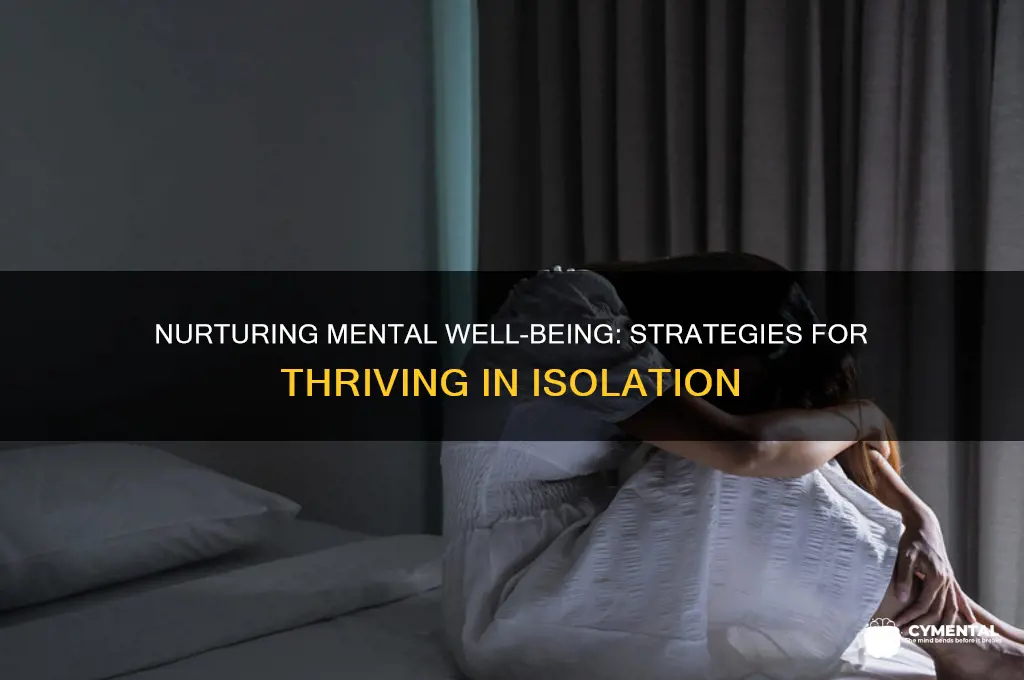
Helping mental health in isolation requires a proactive and compassionate approach, as prolonged solitude can exacerbate feelings of loneliness, anxiety, and depression. Establishing a structured daily routine that includes regular physical activity, mindfulness practices, and meaningful activities can provide a sense of purpose and stability. Staying connected with loved ones through virtual means, such as video calls or messaging, is crucial for maintaining social support. Engaging in hobbies, learning new skills, or setting small achievable goals can foster a sense of accomplishment and self-worth. Additionally, prioritizing self-care through adequate sleep, nutrition, and relaxation techniques can significantly improve emotional well-being. Seeking professional help, such as online therapy or counseling, is also essential for those struggling with persistent mental health challenges during isolation. By combining these strategies, individuals can better navigate the unique mental health demands of being alone while fostering resilience and emotional balance.
Explore related products

$34.68 $49.99


$7.77 $16.99


What You'll Learn
- Stay Connected Virtually: Regular video calls with friends, family, or support groups maintain social bonds
- Establish a Routine: Create daily schedules for meals, work, and leisure to provide structure and stability
- Practice Mindfulness: Use meditation, deep breathing, or yoga to reduce stress and stay grounded
- Limit News Consumption: Set specific times to check updates to avoid overwhelming anxiety and fear
- Engage in Hobbies: Pursue creative or physical activities to distract and boost mood during isolation

Stay Connected Virtually: Regular video calls with friends, family, or support groups maintain social bonds
Human connection is a fundamental need, and isolation can sever the social bonds that sustain mental well-being. Video calls, once a novelty, have become lifelines for those separated by distance or circumstance. Unlike text messages or voice calls, video allows for the exchange of nonverbal cues—a smile, a nod, a furrowed brow—that deepen understanding and foster empathy. This visual component can make interactions feel more "real," bridging the gap between physical separation and emotional closeness.
To maximize the benefits of virtual connection, establish a routine. Aim for at least two to three video calls per week, each lasting 20–30 minutes. Consistency matters more than duration; shorter, regular interactions are often more effective than sporadic, lengthy ones. Choose a platform that suits your needs—Zoom for group calls, FaceTime for simplicity, or even gaming platforms like Among Us for shared activities. For older adults or those less tech-savvy, pair setup assistance with a patient tutorial to reduce frustration.
Consider the purpose of each call. Casual catch-ups with friends can be unstructured, but support group meetings or family discussions may benefit from an agenda. For instance, a mental health support group could start with a check-in round, followed by a guided activity like mindfulness exercises or goal-setting. Families might incorporate a shared meal or game night to replicate in-person traditions. The key is to create a sense of shared experience, not just conversation.
Despite its advantages, virtual connection has limitations. Prolonged screen time can lead to fatigue, and the absence of physical touch remains a barrier. To mitigate this, alternate video calls with other forms of communication, such as voice notes or handwritten letters. Additionally, be mindful of body language during calls—sit at eye level with the camera, maintain eye contact, and use gestures to convey engagement. For those with social anxiety, start with one-on-one calls before joining larger groups.
Ultimately, virtual connection is not a replacement for in-person interaction, but a powerful tool to combat isolation’s toll on mental health. By prioritizing regularity, intentionality, and adaptability, video calls can preserve and even strengthen social bonds, offering a sense of belonging when physical proximity is impossible. Treat these interactions as non-negotiable appointments with your well-being, and they’ll become a cornerstone of resilience in isolation.
Boost Your Mind: The Mental Benefits of Reading Regularly
You may want to see also
Explore related products


Establish a Routine: Create daily schedules for meals, work, and leisure to provide structure and stability
Human brains crave predictability, especially during periods of isolation. Without the natural structure of commuting, office hours, or social engagements, days can blur together, leaving us feeling adrift and anxious. Establishing a daily routine acts as a mental anchor, providing a sense of control and purpose in an uncertain environment.
Think of it as scaffolding for your day: meals, work, and leisure activities become the beams that support your emotional well-being.
Creating a schedule doesn't mean rigidly timetabling every minute. Aim for a flexible framework that includes dedicated blocks for essential activities. Start by identifying your non-negotiables: sleep, meals, work or study commitments, and exercise. These form the backbone of your routine. Then, allocate time for activities that nourish your mind and spirit – reading, hobbies, connecting with loved ones, or simply relaxing.
Social Media's Role in Supporting Mental Health and Well-being
You may want to see also
Explore related products

$10.57 $19.99


$9.86 $16.99


Practice Mindfulness: Use meditation, deep breathing, or yoga to reduce stress and stay grounded
In the quiet confines of isolation, the mind can become a battleground of stress and anxiety. Mindfulness practices like meditation, deep breathing, and yoga serve as anchors, grounding you in the present moment. These techniques aren’t just trendy buzzwords—they’re backed by science. Studies show that regular mindfulness practice reduces cortisol levels, the hormone linked to stress, and enhances emotional regulation. By dedicating even five minutes a day to these practices, you can create a buffer against the mental strain of solitude.
Consider deep breathing as your first line of defense. The 4-7-8 technique is particularly effective: inhale for four seconds, hold for seven, exhale for eight. This pattern slows your heart rate and triggers the body’s relaxation response. Pair this with progressive muscle relaxation, tensing and releasing each muscle group from toes to head, to amplify the calming effect. For those new to mindfulness, guided apps like Headspace or Calm offer structured sessions tailored to stress relief, making it accessible even for beginners.
Yoga, often misunderstood as purely physical, is a powerful tool for mental grounding. A 20-minute session combining gentle poses like Child’s Pose, Cat-Cow, and Savasana can synchronize breath and movement, fostering a sense of calm. Unlike intense workouts, yoga in isolation should focus on slow, intentional movements to avoid overstimulation. Props like blankets or chairs can modify poses for comfort, ensuring the practice remains inclusive for all ages and fitness levels.
Meditation, however, is where mindfulness truly takes root. Start small—a two-minute focus on your breath can evolve into longer sessions as you build stamina. The key is consistency, not duration. For those who find silence daunting, try mantra-based meditation or nature sounds to maintain focus. Skeptics might question its effectiveness, but research proves that even brief daily practice rewires the brain’s stress response over time. Think of it as mental hygiene—non-negotiable for long-term well-being.
In isolation, mindfulness isn’t a luxury; it’s a necessity. By integrating these practices into your routine, you reclaim control over your mental space. Start with one technique, experiment with combinations, and observe how your resilience grows. The goal isn’t to eliminate stress but to navigate it with grace. In stillness, you’ll find the strength to endure—and perhaps even thrive—in solitude.
Accessing Mental Health Support for Adults in Georgia: A Comprehensive Guide
You may want to see also
Explore related products

$8.99 $16.99

$10.7 $15.99

$15.83 $16.99

$11.6 $14.99


Limit News Consumption: Set specific times to check updates to avoid overwhelming anxiety and fear
Constant exposure to news, especially during crises, can fuel a cycle of anxiety and fear. Headlines are designed to grab attention, often amplifying negative events. This relentless stream of information, particularly when consumed without boundaries, can lead to heightened stress levels, difficulty concentrating, and even physical symptoms like headaches or insomnia.
A deliberate approach to news consumption is crucial for maintaining mental well-being in isolation.
Strategic Scheduling: Designate specific times of day for checking news updates. Two 15-minute slots, one in the morning and one in the evening, are generally sufficient to stay informed without becoming overwhelmed. Avoid checking news first thing in the morning, as it can set a negative tone for the day. Similarly, refrain from late-night news consumption, as it can disrupt sleep.
Platform Selection: Choose reputable news sources known for factual reporting rather than sensationalism. Opt for written articles over video content, as the latter can be more emotionally charged and difficult to disengage from. Consider using news aggregators that curate content from multiple sources, providing a broader perspective while minimizing exposure to repetitive or alarmist narratives.
Mindful Engagement: During your designated news times, practice mindful consumption. Be aware of your emotional reactions and take breaks if you feel overwhelmed. After reading, actively seek out positive or neutral information to balance your perspective. Engage in activities that promote relaxation and grounding, such as deep breathing, stretching, or listening to calming music, immediately after news consumption.
Alternative Information Sources: Explore alternative ways to stay informed without relying solely on traditional news outlets. Follow trusted experts or organizations on social media platforms, but be mindful of the potential for echo chambers. Engage in discussions with informed individuals who can provide nuanced perspectives. Remember, staying informed doesn't require constant exposure; it requires thoughtful engagement with reliable sources.
Doctors Without Borders: Addressing Mental Health in Global Crisis Zones
You may want to see also
Explore related products


$8.49 $16.99

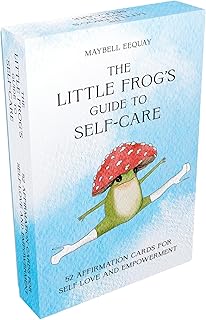

Engage in Hobbies: Pursue creative or physical activities to distract and boost mood during isolation
Isolation can strip away the routines and social interactions that often buoy our mental health, leaving a void that feels impossible to fill. Engaging in hobbies, particularly creative or physical activities, offers a structured way to reclaim time and energy, transforming emptiness into purpose. Whether it’s painting, gardening, dancing, or hiking, these pursuits act as both distraction and dopamine trigger, rewiring the brain’s focus away from stress and toward accomplishment. Research shows that even 30 minutes a day spent on a hobby can significantly reduce cortisol levels, the hormone associated with anxiety.
Consider the act of knitting, for example. It’s not just about creating a scarf; it’s a rhythmic, repetitive motion that mimics meditation, calming the mind while fostering a sense of progress. Similarly, physical activities like yoga or rock climbing combine endorphin release with skill-building, offering a dual benefit of mood enhancement and tangible improvement. For those aged 18–30, high-energy hobbies like skateboarding or digital art can align with natural inclinations toward novelty and self-expression, while older adults might find solace in low-impact activities like watercolor painting or tai chi. The key is to match the hobby to the individual’s energy level and interests, ensuring it feels rewarding, not obligatory.
However, not all hobbies are created equal in isolation. Avoid activities that amplify loneliness, such as competitive online gaming, or those requiring group participation, like team sports. Instead, opt for solo pursuits that allow for immersion and autonomy. For instance, learning a musical instrument or starting a small indoor garden provides a sense of control and growth, both literal and metaphorical. Even 15 minutes of doodling in a sketchbook can break the cycle of rumination, offering a mental reset without requiring hours of commitment.
Practicality is paramount. Start small—a single session of pottery or a short walk—and build consistency rather than aiming for perfection. Use digital tools like hobby-tracking apps or online tutorials to stay motivated, but avoid over-reliance on screens, as they can exacerbate feelings of isolation. Pair physical hobbies with creative ones for balance: a morning jog followed by journaling, or a dance session paired with crafting. By diversifying activities, you keep the brain engaged and prevent burnout.
Ultimately, hobbies in isolation are not just time-fillers; they’re lifelines. They remind us that productivity and joy can coexist, even in solitude. The goal isn’t to master a skill overnight but to create a sanctuary of focus and fulfillment. Whether you’re sculpting clay or sprinting up a hill, each moment invested in a hobby is a step toward reclaiming mental clarity and resilience.
Breathing Fresh Air: Unlocking Mental Health Benefits and Well-Being
You may want to see also
Frequently asked questions
Stay connected with friends and family through video calls, messages, or phone calls. Establish a daily routine, including regular sleep, meals, and physical activity. Engage in activities you enjoy, such as reading, hobbies, or learning something new, and practice mindfulness or meditation to manage stress.
Join online communities or support groups that share your interests or experiences. Schedule virtual meetups with friends or family regularly. Adopt a pet if your situation allows, or engage in activities that foster a sense of connection, like writing letters or volunteering remotely.
Limit exposure to news and social media to reduce overwhelm. Practice relaxation techniques like deep breathing, yoga, or progressive muscle relaxation. Keep a journal to express your feelings and track positive moments. Seek professional help through telehealth services if anxiety becomes unmanageable.
Physical activity releases endorphins, which can improve mood and reduce stress. Aim for at least 30 minutes of exercise daily, such as walking, yoga, or home workouts. Even small activities like stretching or dancing can boost mental well-being and provide a sense of accomplishment.