Madison Cole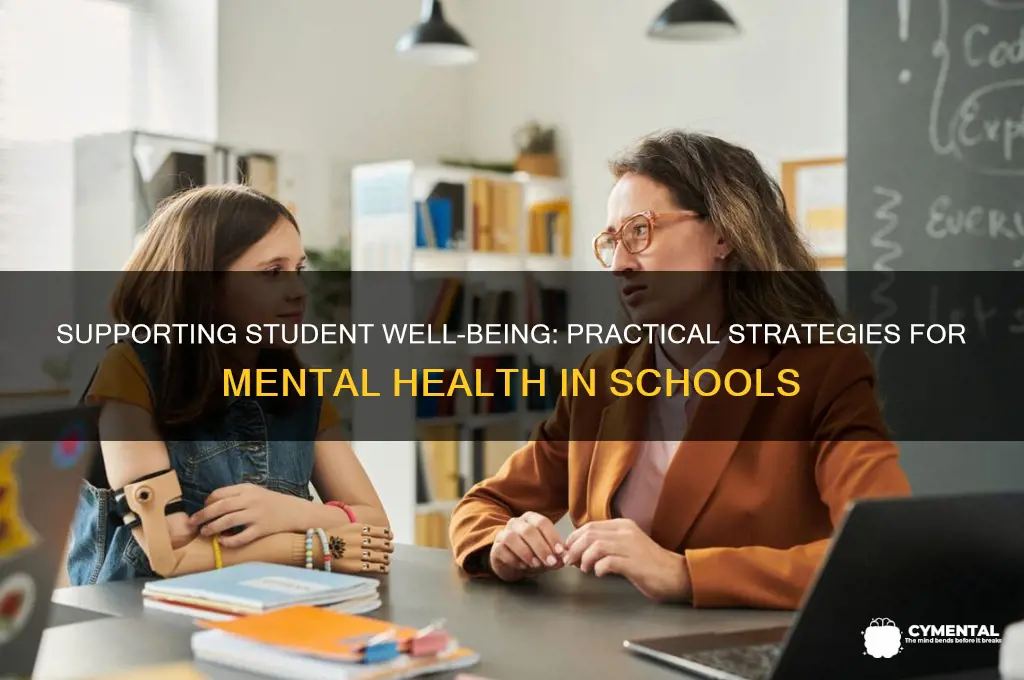
Supporting mental health in schools is crucial for creating a nurturing environment where students can thrive academically, emotionally, and socially. Schools play a pivotal role in identifying and addressing mental health challenges early, as they are often the first place where signs of distress or anxiety may become apparent. By implementing comprehensive mental health programs, educators and administrators can foster resilience, provide access to resources such as counseling services, and promote open conversations about emotional well-being. Additionally, integrating mental health education into curricula can help reduce stigma and equip students with coping strategies. Collaboration with parents, healthcare professionals, and community organizations further strengthens these efforts, ensuring that students receive the holistic support they need to navigate the complexities of adolescence and young adulthood.
Explore related products


What You'll Learn
- Promote Open Conversations: Encourage students to discuss feelings without fear of judgment or stigma
- Train Staff in Mental Health: Equip teachers and staff with skills to recognize and support struggling students
- Integrate Mindfulness Practices: Incorporate mindfulness or meditation into daily routines to reduce stress
- Provide Accessible Resources: Offer counseling, hotlines, and mental health tools on campus or online
- Foster Inclusive Environments: Create safe, supportive spaces that celebrate diversity and reduce bullying

Promote Open Conversations: Encourage students to discuss feelings without fear of judgment or stigma
Students often hesitate to voice their emotional struggles, fearing ridicule or dismissal. This silence can exacerbate mental health issues, turning minor concerns into major crises. To break this cycle, schools must cultivate an environment where students feel safe expressing their feelings. Start by training teachers and staff to respond empathetically, using phrases like, "Thank you for sharing that with me" or "It’s okay to feel this way." Avoid dismissive comments like, "Just stay positive" or "Others have it worse." Such validation reassures students that their emotions are acknowledged and respected.
Implement structured opportunities for open dialogue, such as weekly "Feelings Fridays" in classrooms or small group sessions led by counselors. For younger students (ages 6–12), incorporate storytelling or drawing activities where they can indirectly express emotions. Teens (ages 13–18) may benefit from peer-led discussions or anonymous question boxes addressed during assemblies. Pair these activities with clear guidelines: emphasize confidentiality, respect for differing viewpoints, and a "no judgment" policy. Consistency is key—make these conversations routine, not sporadic, to normalize emotional expression.
Compare this approach to traditional methods, where mental health discussions are confined to crisis moments or one-off workshops. By embedding open conversations into the school culture, students learn to view emotional sharing as a natural part of daily life, not a sign of weakness. For instance, a high school in Oregon reported a 30% increase in students seeking counseling after implementing weekly peer-led circles, proving that regularity fosters trust. Similarly, elementary schools using emotion-focused storytelling saw a 25% drop in classroom conflicts, as students learned to articulate feelings before they escalated.
However, caution must be exercised. While encouraging openness, ensure students understand boundaries—not every feeling needs to be shared with everyone. Teach them to discern when to confide in peers versus seeking adult help. For example, a student feeling mildly anxious about a test might benefit from peer support, but persistent sadness or thoughts of self-harm require professional intervention. Provide clear pathways for escalation, such as posters in restrooms or classrooms listing counselor contacts and crisis hotlines.
In conclusion, promoting open conversations requires intentionality, structure, and sensitivity. By training staff, creating regular forums, and teaching boundaries, schools can dismantle the stigma around emotional expression. When students feel heard and understood, they are more likely to seek help early, preventing minor issues from becoming major struggles. This approach not only supports individual well-being but also fosters a compassionate, resilient school community.
Community Living: Boosting Mental Health Through Connection and Support
You may want to see also
Explore related products


$26.77 $40.95

$31.3 $26.99


Train Staff in Mental Health: Equip teachers and staff with skills to recognize and support struggling students
Teachers and staff are often the first to notice when a student is struggling, yet many lack the training to recognize mental health issues or respond effectively. Without this knowledge, well-intentioned interventions can fall short or even exacerbate the problem. For instance, a teacher might misinterpret a student’s withdrawal as laziness rather than a symptom of depression, leading to disciplinary action instead of support. Equipping educators with mental health training bridges this gap, enabling them to identify signs early and provide appropriate assistance.
Consider the following steps to implement effective staff training: begin with foundational workshops covering common mental health challenges in adolescents, such as anxiety, depression, and self-harm. Use case studies and role-playing scenarios to illustrate how these issues manifest in the classroom. Follow up with specialized sessions on de-escalation techniques, active listening, and referral processes to connect students with professional help. For maximum impact, training should be recurring, with annual refreshers and access to ongoing resources like webinars or peer support networks.
While training is essential, it’s equally important to address potential pitfalls. Avoid one-size-fits-all approaches; tailor programs to the specific needs of your student population, factoring in age, cultural background, and prevalent issues in your community. Additionally, ensure staff feel supported themselves—burnout and secondary trauma are real risks when dealing with student mental health. Provide access to counseling services and encourage self-care practices to maintain their well-being.
The benefits of trained staff extend beyond individual student support. A school culture that prioritizes mental health fosters trust and openness, encouraging students to seek help when needed. For example, a teacher trained in trauma-informed practices might adjust classroom expectations for a student experiencing grief, creating a safe space for learning. Over time, this proactive approach can reduce absenteeism, improve academic performance, and build resilience across the student body.
In conclusion, investing in mental health training for staff is not just a professional development opportunity—it’s a strategic imperative for schools. By empowering educators to recognize and respond to student struggles, schools can create an environment where mental health is addressed with the same urgency as physical health. Start small, build incrementally, and watch as a more compassionate, informed school community emerges.
Supporting Your Friend’s Mental Health Through Myers-Briggs Insights
You may want to see also
Explore related products


Integrate Mindfulness Practices: Incorporate mindfulness or meditation into daily routines to reduce stress
Schools are increasingly recognizing the value of mindfulness practices in fostering student well-being. By integrating mindfulness or meditation into daily routines, educators can provide students with practical tools to manage stress and improve focus. A simple yet effective approach is to start each day with a 5- to 10-minute guided meditation session. This can be facilitated through apps like Headspace or Calm, which offer age-appropriate content for different grade levels. For younger students, mindfulness can be introduced through playful activities like "belly breathing" or "mindful listening," where they focus on their senses in a structured way. These practices not only reduce stress but also enhance emotional regulation, a critical skill for academic and social success.
Implementing mindfulness in schools requires a thoughtful strategy to ensure it becomes a seamless part of the daily schedule. One effective method is to incorporate mindfulness breaks between classes or after particularly demanding subjects. For example, a 2-minute mindfulness exercise, such as a body scan or mindful walking, can help students transition between activities and reset their focus. Teachers can also model mindfulness by practicing it themselves, creating a culture of calm and presence in the classroom. It’s essential to keep these practices brief and consistent; even short, regular sessions have been shown to yield significant benefits, including reduced anxiety and improved attention spans.
Critics may argue that mindfulness practices are too time-consuming or irrelevant to academic goals, but research tells a different story. Studies have demonstrated that students who engage in regular mindfulness activities exhibit better emotional resilience and higher academic performance. For instance, a 2019 study published in the *Journal of Educational Psychology* found that middle school students who participated in mindfulness programs showed a 15% improvement in math scores compared to their peers. This data underscores the dual benefit of mindfulness: it supports mental health while also enhancing cognitive abilities critical for learning.
To maximize the impact of mindfulness practices, schools should consider training staff in mindfulness techniques and providing resources for ongoing support. Professional development workshops can equip teachers with the skills to lead mindfulness sessions confidently. Additionally, creating dedicated "mindfulness corners" in classrooms—equipped with calming tools like stress balls, fidget toys, or soothing visuals—can offer students a space to self-regulate when needed. For older students, incorporating mindfulness into health or physical education curricula can help normalize these practices and encourage long-term habits.
In conclusion, integrating mindfulness practices into school routines is a practical and evidence-based strategy to support student mental health. By starting small, staying consistent, and leveraging available resources, schools can create an environment that fosters resilience, focus, and emotional well-being. Mindfulness is not just a trend but a powerful tool that equips students with lifelong skills to navigate stress and thrive academically and personally.
Enriching Lives: How Zoos Support Animal Mental Well-Being
You may want to see also
Explore related products


Provide Accessible Resources: Offer counseling, hotlines, and mental health tools on campus or online
Schools can significantly impact student mental health by ensuring that resources are not only available but actively accessible. Accessibility means more than just having a counselor’s office on campus; it involves removing barriers like stigma, cost, and logistical hurdles. For instance, offering counseling services during lunch periods or after school accommodates students who cannot miss class. Similarly, providing online tools like therapy apps or virtual support groups ensures help is available outside school hours, catering to those who may feel more comfortable seeking help anonymously or from home.
Consider the practical implementation of hotlines and digital resources. Schools can partner with local mental health organizations to establish a dedicated hotline for students, staffed by trained professionals who understand adolescent challenges. These hotlines should be widely publicized through posters, school websites, and even integrated into student ID cards for easy access. Digital tools, such as mindfulness apps or mood-tracking platforms, can be pre-loaded onto school devices or recommended via email newsletters. For younger students (ages 10–14), gamified mental health apps with parental monitoring features can encourage engagement while ensuring safety.
A comparative analysis of on-campus versus online resources reveals unique advantages for each. On-campus counseling fosters face-to-face connections, which can be crucial for building trust with students who struggle to express themselves digitally. However, online resources offer flexibility and anonymity, appealing to older teens (ages 15–18) who may prefer managing their mental health independently. Schools should adopt a hybrid approach, offering both options and educating students on when to use each. For example, a student dealing with acute anxiety might benefit from an immediate online chat, while ongoing support for depression could be better addressed through regular in-person sessions.
Persuasive advocacy for accessible resources must address common concerns, such as budget constraints or fears of overburdening staff. Schools can leverage grants, community partnerships, and free or low-cost digital tools to minimize expenses. Training teachers and staff to recognize signs of distress and direct students to resources is another cost-effective strategy. Moreover, investing in mental health support is not just a moral imperative but a practical one: students who receive timely help are more likely to attend school regularly, perform academically, and contribute positively to their community.
Finally, descriptive examples of successful implementations can inspire action. One high school introduced a "Wellness Room" equipped with calming tools like weighted blankets, fidget devices, and guided meditation tablets, available to students during free periods. Another district launched a mental health app challenge, where students designed their own tools, fostering creativity and ownership over their well-being. These initiatives demonstrate that accessibility is not one-size-fits-all; it requires creativity, empathy, and a commitment to meeting students where they are—whether in a quiet corner of the campus or on their smartphone screens.
Phones and Mental Health: A Double-Edged Digital Companion?
You may want to see also
Explore related products


$40.95 $39.99


Foster Inclusive Environments: Create safe, supportive spaces that celebrate diversity and reduce bullying
Schools are microcosms of society, reflecting its diversity and, unfortunately, its prejudices. Bullying, whether overt or subtle, thrives in environments where difference is stigmatized. To foster mental well-being, schools must actively cultivate inclusivity, creating spaces where every student feels seen, valued, and safe.
Think of it as building a garden. You wouldn’t plant a single type of flower and expect a vibrant ecosystem. Similarly, a truly inclusive school celebrates the unique colors, shapes, and scents of its student body. This means moving beyond tolerance to active appreciation of cultural, racial, gender, and neurodiverse identities.
One powerful tool is representation. Stock libraries with books featuring diverse protagonists, display artwork from various cultures, and invite speakers who challenge stereotypes. Integrate lessons on different cultural celebrations, historical figures from marginalized communities, and the contributions of individuals with disabilities. This normalizes difference and fosters empathy.
For younger students (ages 5-10), storytelling and role-playing are effective. Read books like "It's Okay To Be Different" by Todd Parr, followed by discussions about what makes each child special. Encourage them to create their own stories celebrating individuality.
However, inclusivity isn't just about curriculum. It's about daily interactions. Train teachers to recognize microaggressions and intervene swiftly. Implement a zero-tolerance policy for bullying, but go beyond punishment. Facilitate restorative justice circles where perpetrators understand the impact of their actions and work towards amends.
Finally, empower students to be agents of change. Establish diversity clubs, peer mentoring programs, and safe spaces for marginalized groups. Encourage open dialogue about difficult topics like racism, homophobia, and ableism. By giving students a voice and a platform, schools can create a culture where inclusivity isn't just a policy, but a lived reality.
Australia's Innovative Mental Health Support: Initiatives and Impact
You may want to see also
Frequently asked questions
Schools can promote mental health awareness by incorporating mental health education into the curriculum, organizing workshops and seminars, and inviting mental health professionals to speak. Displaying resources and helpline information in visible areas and fostering an open, stigma-free environment also helps.
Teachers can support students' mental health by being attentive to behavioral changes, creating a safe and inclusive classroom environment, and encouraging open communication. They should also receive training on recognizing mental health issues and knowing when to refer students to school counselors or external professionals.
Schools can reduce stress and anxiety by promoting a healthy work-life balance, offering mindfulness or relaxation activities, and providing access to counseling services. Encouraging physical activity, ensuring manageable workloads, and fostering a supportive peer network are also effective strategies.