Harper Lewis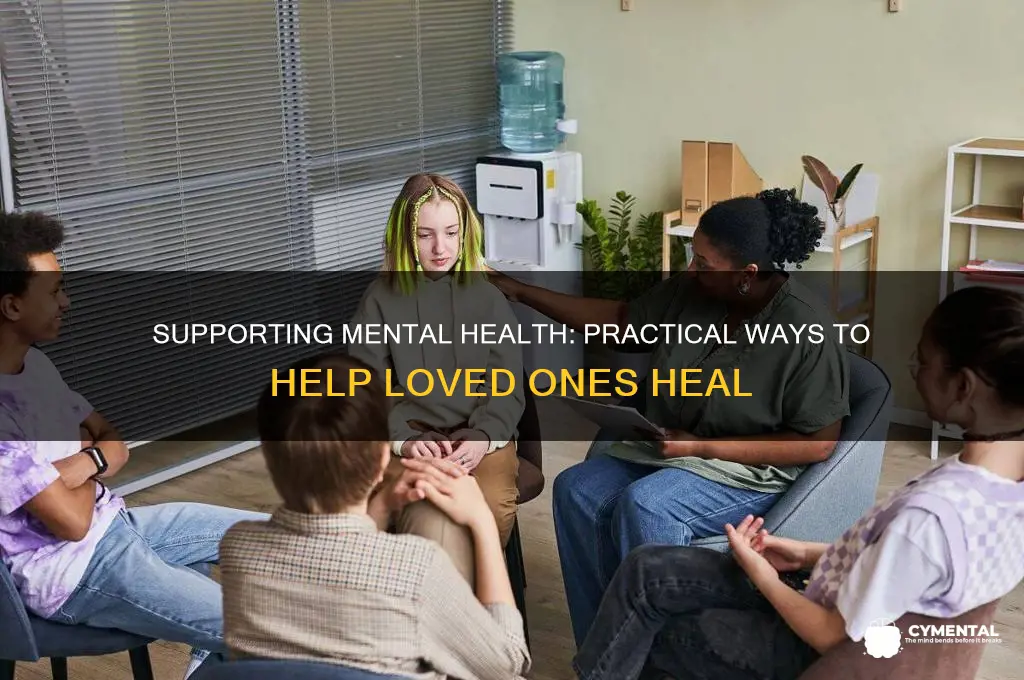
Helping individuals with mental health issues requires a compassionate, informed, and proactive approach. It begins with fostering open communication, creating a safe space where people feel comfortable sharing their struggles without fear of judgment. Educating oneself about mental health conditions and their impact is crucial, as it enables better understanding and empathy. Encouraging professional support, such as therapy or medication, while offering practical assistance like helping with daily tasks, can significantly alleviate their burden. Active listening, patience, and consistent emotional support are vital, as recovery is often a gradual process. Additionally, promoting self-care and healthy coping mechanisms, while avoiding stigmatizing language, can empower individuals to manage their mental health effectively. Ultimately, being a reliable ally and advocating for mental health awareness contributes to creating a more supportive and inclusive environment for everyone.
Explore related products


What You'll Learn
- Active Listening: Show empathy, focus fully, avoid judgment, and validate feelings to build trust and understanding
- Encourage Professional Help: Gently suggest therapy, medication, or support groups as essential steps for recovery
- Promote Self-Care: Support healthy habits like sleep, exercise, nutrition, and mindfulness to improve mental well-being
- Reduce Stigma: Educate others, use inclusive language, and share stories to normalize mental health conversations
- Stay Connected: Maintain regular contact, offer companionship, and create safe spaces for open communication

Active Listening: Show empathy, focus fully, avoid judgment, and validate feelings to build trust and understanding
One of the most powerful tools in supporting someone with mental health issues is the art of active listening. It’s not just about hearing words; it’s about creating a safe space where the person feels seen, heard, and understood. Imagine a friend confides in you about their anxiety. Instead of interrupting with advice or dismissing their feelings, you lean in, maintain eye contact, and say, “It sounds like this has been really overwhelming for you. I’m here to listen.” This simple act of presence can be transformative, signaling that their struggles are valid and worthy of attention.
To practice active listening effectively, start by focusing fully on the speaker. Put away distractions—phones, thoughts of your own day, even the urge to formulate a response. Mirror their emotions through your body language: nodding, open posture, and soft facial expressions. For example, if someone shares their fear of failure, reflect back their sentiment by saying, “I can hear how much this fear is weighing on you.” This technique, known as reflective listening, helps the speaker feel acknowledged and encourages them to open up further.
A critical aspect of active listening is avoiding judgment. Mental health struggles are deeply personal, and what may seem trivial to one person can be paralyzing to another. Phrases like “Just think positively” or “It’s not that big of a deal” can shut down communication and erode trust. Instead, validate their feelings with statements like, “It makes sense that you’d feel that way given what you’re going through.” Validation doesn’t mean you agree with their perspective; it means you respect their experience as real and significant to them.
Building trust through active listening takes time and consistency. It’s not a one-time act but a habit of empathy and attentiveness. For instance, if a colleague mentions their depression in passing, follow up later with, “I wanted to check in—how are you feeling today?” This shows that you’re not just listening in the moment but are invested in their ongoing well-being. Over time, such gestures create a foundation of trust, making it easier for the person to reach out when they need support.
Finally, active listening is a skill that improves with practice. Start small: set aside 10 minutes a day to listen without interruption to someone in your life. Pay attention to your own reactions—are you jumping to solutions, or are you fully present? Remember, the goal isn’t to fix their problems but to offer a safe space for them to express themselves. By showing empathy, focusing fully, avoiding judgment, and validating feelings, you become a beacon of support in a world that often feels isolating for those struggling with mental health.
Music's Power: Boosting Middle Schoolers' Mental Health and Well-Being
You may want to see also
Explore related products


Encourage Professional Help: Gently suggest therapy, medication, or support groups as essential steps for recovery
Professional help is often the linchpin in mental health recovery, yet stigma and fear can deter individuals from seeking it. Gently suggesting therapy, medication, or support groups requires sensitivity and timing. Start by normalizing the conversation: “Many people find therapy helpful, just like going to a doctor for physical health.” Avoid phrases like “You should see someone,” which can feel judgmental. Instead, frame it as a collaborative exploration: “Have you considered talking to a professional? They have tools that might really help.”
Therapy comes in various forms, from cognitive-behavioral therapy (CBT) to dialectical behavior therapy (DBT), each tailored to specific needs. For instance, CBT is highly effective for anxiety and depression, often showing improvement within 12 to 16 sessions. Medication, such as selective serotonin reuptake inhibitors (SSRIs), can be life-changing for conditions like major depressive disorder, but it’s crucial to emphasize that dosage and type should always be determined by a psychiatrist. For example, starting with a low dose (e.g., 10 mg of Lexapro) and gradually increasing under supervision minimizes side effects.
Support groups provide a sense of community and shared experience, which can be particularly powerful for those feeling isolated. Organizations like the National Alliance on Mental Illness (NAMI) offer peer-led groups for individuals and families. When suggesting these options, highlight their accessibility: many therapists offer sliding-scale fees, and online platforms like BetterHelp or Talkspace make therapy more convenient. For medication, remind them that insurance often covers psychiatric consultations and prescriptions.
A common barrier to seeking help is the fear of being “labeled” or dependent on treatment. Address this by reframing professional help as a sign of strength, not weakness. Compare it to hiring a coach for fitness goals: just as a trainer provides expertise and structure, mental health professionals offer tools and strategies for long-term well-being. Encourage small steps, like scheduling an initial consultation or attending one support group meeting, to reduce overwhelm.
Finally, be mindful of cultural or personal beliefs that may influence their willingness to seek help. For example, some cultures view mental health struggles as a private matter, while others may prioritize spiritual or familial solutions. Acknowledge these perspectives while gently advocating for evidence-based approaches. By approaching the conversation with empathy, specificity, and practical guidance, you can help remove barriers and encourage the first step toward recovery.
Helping Reluctant Loved Ones Access Mental Health Care in Texas
You may want to see also
Explore related products





Promote Self-Care: Support healthy habits like sleep, exercise, nutrition, and mindfulness to improve mental well-being
Self-care isn’t just a buzzword—it’s a cornerstone of mental health. When individuals prioritize habits like sleep, exercise, nutrition, and mindfulness, they build resilience against stress, anxiety, and depression. For instance, adults who get 7–9 hours of sleep per night report significantly lower levels of mental distress compared to those who sleep less. Similarly, just 30 minutes of moderate exercise daily can reduce symptoms of depression by up to 26%. These habits don’t replace therapy or medication, but they create a foundation for emotional stability and recovery.
Consider mindfulness, a practice often overlooked but profoundly impactful. Studies show that 10 minutes of daily mindfulness meditation can reduce cortisol levels by 14% in eight weeks, lowering stress and improving focus. For those new to mindfulness, start with guided apps like Headspace or Calm, which offer short, accessible sessions. Pairing mindfulness with consistent sleep—aiming for a regular bedtime and wake-up time—amplifies its benefits, as disrupted sleep undermines even the most disciplined mental health practices.
Nutrition plays a silent but critical role in mental well-being. Diets rich in omega-3 fatty acids (found in salmon, walnuts, and flaxseeds), antioxidants (berries, spinach), and probiotics (yogurt, kefir) have been linked to reduced anxiety and depression. Conversely, high sugar and processed food intake can worsen mood disorders. A practical tip: swap sugary snacks for nuts or fruit, and incorporate leafy greens into at least one meal daily. Small dietary changes, when consistent, yield noticeable mental health improvements.
Exercise isn’t just about physical health—it’s a powerful tool for mental clarity. Activities like yoga combine physical movement with mindfulness, offering dual benefits. For older adults or those with mobility issues, even gentle stretching or walking can boost endorphins and reduce feelings of isolation. Group exercises, like community yoga classes or walking clubs, add a social element, addressing loneliness while promoting physical activity. The key is consistency: aim for 150 minutes of moderate exercise weekly, broken into manageable chunks.
Finally, self-care requires intentionality, not perfection. It’s about progress, not rigid routines. For example, if someone struggles with sleep, they might start by limiting screen time an hour before bed or creating a calming bedtime ritual. If mindfulness feels daunting, begin with one-minute breathing exercises throughout the day. The goal is to integrate these habits into daily life in a way that feels sustainable, not overwhelming. By supporting these practices, we empower individuals to take control of their mental health, one small step at a time.
Can You Force Someone to Get Mental Help? Ethical and Legal Considerations
You may want to see also
Explore related products




Reduce Stigma: Educate others, use inclusive language, and share stories to normalize mental health conversations
Stigma silences. It turns mental health struggles into shameful secrets, preventing people from seeking help. Every time we use phrases like "commit suicide" instead of "die by suicide," we perpetuate a narrative of blame. Every time we whisper about someone's depression instead of discussing it openly, we reinforce the idea that mental illness is something to hide.
Education is the antidote. Start by learning the facts yourself. Organizations like the National Alliance on Mental Illness (NAMI) and Mental Health America offer free resources and workshops to debunk myths and provide accurate information. Share these resources with your community, whether it's through social media, book clubs, or workplace training sessions. Remember, knowledge replaces fear with understanding.
Think of it like this: you wouldn't expect someone to understand diabetes without explaining insulin and blood sugar. Mental health deserves the same level of informed conversation.
Language matters. Words carry weight, shaping perceptions and influencing behavior. Avoid labels like "crazy," "psycho," or "schizo" that reduce individuals to their diagnosis. Instead, use person-first language: "a person with schizophrenia" instead of "a schizophrenic." This small shift emphasizes the individual, not the illness. Imagine calling someone "a cancer" instead of "a person with cancer." It's dehumanizing. The same principle applies to mental health.
Think of inclusive language as a bridge, connecting people through empathy and respect.
Stories have power. Sharing personal experiences, whether your own or those of others (with consent), humanizes mental health struggles. It shows that people from all walks of life face these challenges and can recover. Platforms like The Mighty and Project Semicolon amplify these voices, creating a sense of community and hope. Remember, vulnerability is strength. By sharing our stories, we chip away at the wall of stigma, brick by brick.
Reducing stigma isn't an overnight fix. It's a collective effort, requiring patience, persistence, and a commitment to empathy. Educate yourself and others, choose your words carefully, and amplify the voices of those with lived experience. Together, we can create a world where mental health is discussed as openly as physical health, where seeking help is a sign of strength, not weakness.
Supporting Teens: Practical Strategies for Navigating Mental Health Challenges
You may want to see also
Explore related products





Stay Connected: Maintain regular contact, offer companionship, and create safe spaces for open communication
Human connection is a cornerstone of mental well-being. Loneliness and isolation can exacerbate existing mental health struggles, creating a vicious cycle of withdrawal and despair. Conversely, consistent social interaction fosters a sense of belonging, provides emotional support, and can even act as a buffer against stress and anxiety.
The Power of Regular Check-Ins
Think of it like tending a garden. Just as plants need regular watering, relationships require consistent nurturing. Schedule weekly phone calls, video chats, or in-person meetings. Even brief, consistent contact demonstrates commitment and care. For those struggling with mental health, knowing someone reliably shows up can be incredibly stabilizing.
Pro Tip: Use shared calendars or reminders to ensure consistency, especially if the person tends to isolate.
Companionship Beyond Words
Connection isn't solely about conversation. Sometimes, simply being present is enough. Engage in shared activities – a walk in the park, cooking a meal together, or watching a movie. Physical proximity and shared experiences create a sense of safety and belonging, even without deep conversation.
Creating Safe Havens for Vulnerability
True connection thrives in environments where vulnerability is welcomed, not judged. Actively listen without interrupting or offering quick fixes. Validate their feelings, even if you don't fully understand. Avoid minimizing their experiences with phrases like "It could be worse" or "Just cheer up." Instead, say, "That sounds really hard. I'm here for you."
Caution: Be mindful of your own biases and assumptions. Avoid projecting your own experiences onto theirs.
The Ripple Effect of Connection
Staying connected isn't just about supporting the individual; it's about building a community of care. Encourage group activities or introduce them to supportive networks. Peer support groups can be incredibly powerful, offering a sense of shared understanding and hope. Remember, mental health struggles are not solitary battles. By fostering connections, we create a web of support that strengthens individuals and communities alike.
Supporting Loved Ones: Practical Ways to Help Family with Mental Illness
You may want to see also
Frequently asked questions
Listen without judgment, show empathy, and encourage them to seek professional help. Educate yourself about their condition, be patient, and offer practical support like helping with daily tasks or accompanying them to appointments.
Use open, non-confrontational language, avoid minimizing their feelings, and validate their experiences. Ask how you can help and respect their boundaries. Be consistent in your support and avoid pressuring them to "just be positive."
Educate yourself and others about mental health, use respectful language, and share accurate information. Speak openly about mental health, challenge stereotypes, and support initiatives that promote awareness and accessibility to mental health resources.