Caleb Wright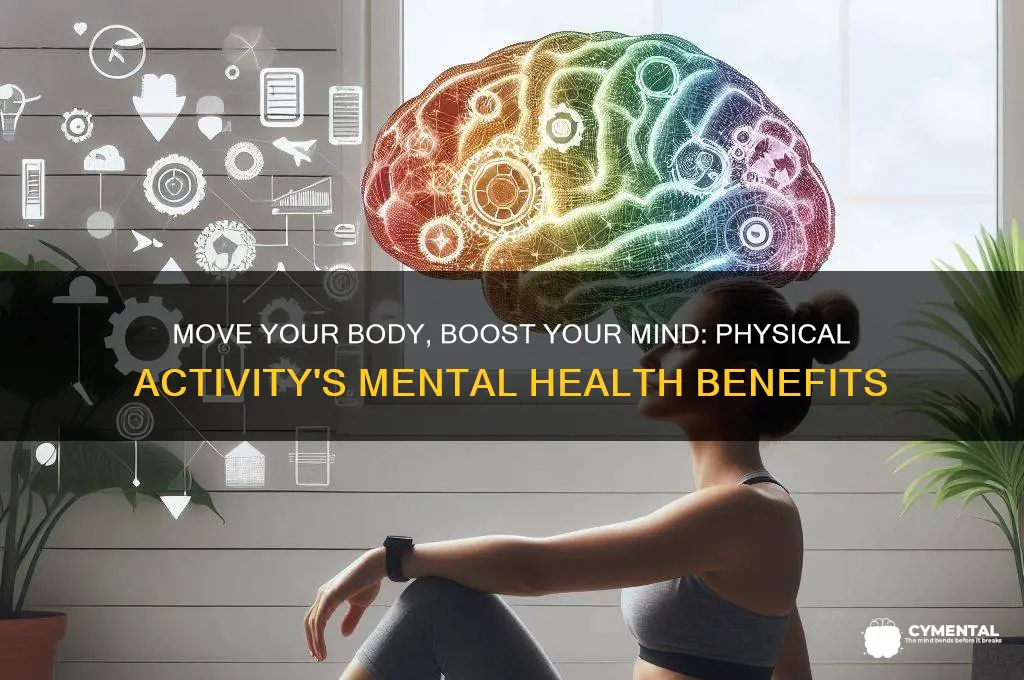
Physical activity plays a pivotal role in enhancing mental health by reducing symptoms of anxiety, depression, and stress while promoting overall emotional well-being. Engaging in regular exercise stimulates the release of endorphins, often referred to as feel-good hormones, which can boost mood and create a sense of euphoria. Additionally, physical activity improves sleep quality, increases self-esteem, and provides a healthy coping mechanism for managing life’s challenges. It also fosters social connections, whether through team sports or group fitness classes, which can combat feelings of loneliness and isolation. By improving cognitive function and reducing the risk of cognitive decline, physical activity not only strengthens the body but also nurtures a resilient and balanced mind.
Explore related products

$20.09 $25.99


$10.6 $19.99

$10.99 $18.99


What You'll Learn
- Reduces Stress and Anxiety: Exercise lowers cortisol levels, promoting relaxation and reducing symptoms of anxiety
- Boosts Mood: Releases endorphins, which act as natural mood lifters and combat depression
- Improves Sleep Quality: Enhances sleep patterns, aiding mental clarity and emotional stability
- Enhances Cognitive Function: Increases blood flow to the brain, improving focus and memory
- Builds Resilience: Regular activity fosters discipline and coping skills, strengthening mental toughness

Reduces Stress and Anxiety: Exercise lowers cortisol levels, promoting relaxation and reducing symptoms of anxiety
Stress and anxiety often feel like an inescapable part of modern life, but physical activity offers a powerful antidote. Exercise acts as a natural regulator of cortisol, the body’s primary stress hormone. When cortisol levels spike, as they do during periods of chronic stress, they can lead to anxiety, insomnia, and even weakened immunity. Engaging in regular physical activity, however, has been shown to lower cortisol levels, creating a physiological environment that promotes relaxation and calm. For instance, a 30-minute brisk walk or a moderate-intensity workout can trigger this effect, making it an accessible tool for managing daily stressors.
Consider the mechanism at play: during exercise, the body releases endorphins, often referred to as "feel-good" hormones, which counteract the effects of cortisol. This biochemical process not only alleviates immediate stress but also builds resilience against future anxiety. Studies suggest that consistent exercise, particularly aerobic activities like running, swimming, or cycling, can reduce symptoms of anxiety disorders by up to 20%. Even low-impact activities, such as yoga or tai chi, have been shown to lower cortisol levels while fostering mindfulness, creating a dual benefit for mental health.
Practical implementation is key. For adults, the American Psychological Association recommends at least 150 minutes of moderate-intensity exercise per week to effectively manage stress and anxiety. This can be broken down into 30-minute sessions, five days a week. For teens and younger adults, incorporating physical activity into daily routines—such as walking to school, joining sports teams, or practicing dance—can yield similar benefits. It’s important to note that over-exercising can have the opposite effect, increasing cortisol levels, so moderation is crucial.
A comparative analysis highlights the versatility of exercise in addressing stress and anxiety. While medication and therapy are valuable tools, physical activity offers a holistic approach with minimal side effects. Unlike pharmaceuticals, which may take weeks to show results, the stress-reducing effects of exercise can be felt immediately after a workout. Additionally, exercise is cost-effective and can be tailored to individual preferences, whether it’s a high-energy gym session or a quiet hike in nature.
Incorporating stress-reducing exercises into your routine doesn’t require drastic changes. Start small: take the stairs instead of the elevator, stretch during work breaks, or join a local fitness class. Consistency is more important than intensity. For those with busy schedules, even micro-workouts—like a 10-minute jog or a quick yoga session—can make a difference. The goal is to create a sustainable habit that not only lowers cortisol levels but also fosters a sense of accomplishment and control, further reducing anxiety.
In conclusion, exercise is a scientifically backed, accessible, and effective way to combat stress and anxiety. By lowering cortisol levels and promoting relaxation, it addresses the root causes of these mental health challenges. Whether you’re a fitness enthusiast or a beginner, integrating physical activity into your life can provide immediate and long-term relief, proving that movement is medicine for the mind.
Supporting Mental Health: Practical Ways to Help Loved Ones Heal
You may want to see also
Explore related products

$14.99 $19.99

$13.16 $16.99

$8.44 $14.99


Boosts Mood: Releases endorphins, which act as natural mood lifters and combat depression
Physical activity is a powerful tool for enhancing mental well-being, and one of its most immediate benefits is its ability to boost mood through the release of endorphins. These chemicals, often referred to as "feel-good" hormones, act as natural mood lifters, providing a sense of euphoria and reducing feelings of pain and stress. For individuals struggling with depression, this endorphin release can be particularly transformative, offering a natural and accessible way to combat symptoms.
Consider this: a 30-minute brisk walk or a short jog can trigger a significant endorphin release, often referred to as the "runner’s high." This effect isn’t limited to intense exercise; even moderate activities like cycling, swimming, or dancing can yield similar benefits. For older adults, low-impact exercises such as yoga or tai chi are equally effective, proving that age is not a barrier to harnessing this mood-boosting mechanism. The key is consistency—aim for at least 150 minutes of moderate aerobic activity per week, as recommended by health guidelines, to maintain a steady flow of endorphins and their associated mental health benefits.
From a practical standpoint, incorporating physical activity into daily routines doesn’t require a gym membership or specialized equipment. Simple changes, like taking the stairs instead of the elevator, walking during lunch breaks, or engaging in household chores like gardening, can accumulate to meet the recommended dosage. For those with busy schedules, breaking activity into shorter sessions—say, three 10-minute bursts of exercise—can still trigger endorphin release and improve mood. The goal is to make movement a habit, not a chore, by choosing activities that bring joy and align with personal interests.
However, it’s important to note that while endorphins are a potent mood booster, they are not a standalone cure for depression or other mental health conditions. They work best as part of a holistic approach that includes therapy, social support, and, if necessary, medication. For individuals with severe depression, consulting a healthcare professional before starting a new exercise regimen is crucial to ensure safety and effectiveness. Physical activity should complement, not replace, professional treatment.
In conclusion, the endorphin release triggered by physical activity offers a natural and accessible way to enhance mood and combat depression. By understanding the science behind this mechanism and incorporating practical, enjoyable activities into daily life, individuals can harness its benefits effectively. Whether through a vigorous workout or a gentle yoga session, movement has the power to uplift the spirit and foster mental resilience.
Moving Out: A Mental Health Boost or Added Stress?
You may want to see also
Explore related products


Improves Sleep Quality: Enhances sleep patterns, aiding mental clarity and emotional stability
Quality sleep is the cornerstone of mental resilience, yet it often eludes those grappling with stress, anxiety, or depression. Physical activity acts as a natural regulator of sleep patterns, fostering a deeper, more restorative rest. Studies show that moderate aerobic exercise, such as brisk walking or cycling for 30 minutes daily, can improve sleep quality by up to 65%. This isn’t just about feeling rested—it’s about recalibrating the body’s internal clock, reducing the time it takes to fall asleep, and increasing the duration of deep sleep stages. For optimal results, aim to complete your workout at least 2–3 hours before bedtime to avoid overstimulation.
Consider the mechanism at play: exercise elevates body temperature, which then drops post-workout, signaling to the brain that it’s time to wind down. This mimics the natural temperature fluctuations that occur during sleep onset. Additionally, physical activity reduces cortisol levels, the stress hormone notorious for disrupting sleep. For older adults, who often face sleep disturbances due to age-related changes, low-impact exercises like yoga or tai chi can be particularly effective. These practices not only improve sleep but also enhance flexibility and balance, addressing multiple health concerns simultaneously.
However, not all exercise is created equal when it comes to sleep. High-intensity workouts, such as HIIT or heavy weightlifting, performed too close to bedtime can have the opposite effect, leaving you wired and restless. The key is timing and intensity moderation. For instance, a gentle evening walk or a short stretching routine can serve as a bedtime ritual, signaling to your body that it’s time to prepare for sleep. Pair this with a consistent sleep schedule, and you’ll create a synergistic effect that amplifies mental clarity and emotional stability.
The mental health benefits of improved sleep through exercise are profound. A well-rested mind is better equipped to handle stress, regulate emotions, and maintain focus. For individuals with anxiety or depression, this can mean fewer intrusive thoughts and a more stable mood. Practical tips include avoiding screens at least an hour before bed, creating a cool, dark sleep environment, and incorporating relaxation techniques like deep breathing or meditation post-exercise. By prioritizing both physical activity and sleep hygiene, you’re not just improving rest—you’re fortifying your mental health from the ground up.
In essence, the relationship between physical activity and sleep quality is a two-way street. Exercise enhances sleep, which in turn boosts mental clarity and emotional resilience. It’s a cycle worth investing in, with tangible benefits that extend far beyond the gym or the bedroom. Start small, stay consistent, and watch as your sleep—and your mental health—transforms.
Empowering Change: Simple Ways You Can Make a Difference Today
You may want to see also
Explore related products


Enhances Cognitive Function: Increases blood flow to the brain, improving focus and memory
Physical activity isn’t just about building muscles or shedding pounds—it’s a powerful tool for sharpening your mind. When you engage in exercise, whether it’s a brisk walk, a cycling session, or a high-intensity workout, your heart pumps more blood, delivering oxygen and nutrients to your brain. This increased blood flow stimulates the release of chemicals that enhance neural connections, directly improving cognitive functions like focus and memory. Studies show that even moderate exercise, such as 30 minutes of aerobic activity five times a week, can lead to measurable improvements in mental clarity and recall.
Consider this: the brain thrives on circulation. During physical activity, the production of nitric oxide increases, a molecule that dilates blood vessels and boosts blood flow to the brain. This process not only nourishes brain cells but also promotes the growth of new neurons, particularly in the hippocampus, a region critical for memory. For older adults, this is especially significant, as age-related cognitive decline can be slowed or even reversed with consistent exercise. A 2019 study published in the *Journal of Applied Physiology* found that adults over 50 who engaged in regular aerobic exercise showed improved memory retention compared to sedentary peers.
To maximize these cognitive benefits, focus on exercises that elevate your heart rate for sustained periods. Activities like jogging, swimming, or dancing are ideal, as they require both physical effort and mental engagement. For those with busy schedules, breaking exercise into shorter sessions—such as three 10-minute bursts of activity throughout the day—can still yield cognitive improvements. Pairing physical activity with tasks that challenge your brain, like learning a new dance routine or navigating a complex hiking trail, amplifies these effects by fostering both physical and mental adaptability.
However, it’s important to tailor your approach to your fitness level and preferences. High-intensity interval training (HIIT) may not be suitable for everyone, especially beginners or individuals with certain health conditions. Instead, start with low-impact activities like yoga or tai chi, which combine physical movement with mindfulness, enhancing focus and memory while reducing stress. Consistency is key—aim for at least 150 minutes of moderate exercise weekly, as recommended by the World Health Organization, to maintain steady cognitive benefits.
Incorporating physical activity into your routine doesn’t require a gym membership or expensive equipment. Simple changes, like taking the stairs instead of the elevator, walking during lunch breaks, or doing bodyweight exercises at home, can make a significant difference. The takeaway? Your brain is as much a beneficiary of exercise as your body. By prioritizing movement, you’re not just investing in your physical health—you’re also sharpening your mind, one step, stroke, or stretch at a time.
Finding Mental Health Support: A Guide to Accessible Resources and Services
You may want to see also
Explore related products


Builds Resilience: Regular activity fosters discipline and coping skills, strengthening mental toughness
Resilience isn’t built in moments of comfort but in the grind of consistent effort. Regular physical activity acts as a microcosm of life’s challenges, demanding discipline, perseverance, and the ability to push through discomfort. Whether it’s completing a set of squats when your legs burn or running an extra mile despite fatigue, each act of persistence translates into mental toughness. Studies show that individuals who engage in structured exercise routines, such as 30 minutes of moderate-intensity activity 5 days a week, report higher levels of emotional resilience compared to sedentary peers. This isn’t just about physical endurance; it’s about training the mind to confront and overcome adversity.
Consider the process of building resilience through exercise as a series of small victories. For instance, a beginner runner might start with a 10-minute jog, gradually increasing to 30 minutes over several weeks. Each incremental step reinforces the belief that challenges are surmountable with effort. This mindset spills over into daily life, equipping individuals to handle stressors like work deadlines or personal conflicts with greater composure. Research from the American Psychological Association highlights that exercise reduces cortisol levels, the body’s stress hormone, while increasing endorphins, creating a biochemical foundation for resilience.
However, building resilience through physical activity isn’t without its pitfalls. Over-exertion or unrealistic expectations can lead to burnout, undermining the very resilience you aim to cultivate. For example, attempting to run a marathon without proper training or rest can result in injury, both physical and psychological. To avoid this, adopt a progressive approach: start with manageable goals, such as walking 3 times a week, and gradually increase intensity. Incorporate rest days into your routine—they’re not signs of weakness but essential for recovery and long-term sustainability.
For different age groups, the application of this principle varies. Younger adults might benefit from high-intensity interval training (HIIT), which demands short bursts of effort followed by recovery, mirroring the rapid problem-solving required in early careers. Older adults, on the other hand, may find resilience through low-impact activities like yoga or swimming, which emphasize consistency and adaptability. Regardless of age, the key is to choose activities that align with your interests and lifestyle, ensuring adherence and enjoyment.
Incorporating resilience-building practices into your routine doesn’t require a gym membership or expensive equipment. Simple strategies like taking the stairs instead of the elevator, doing bodyweight exercises at home, or joining a community sports team can yield significant benefits. Pair physical activity with mindfulness techniques, such as focusing on your breath during a workout, to enhance mental clarity and emotional regulation. By treating exercise as a metaphor for life’s challenges, you not only strengthen your body but also fortify your mind against whatever comes your way.
Seeking Mental Health Support: A Guide to Finding the Right Help
You may want to see also
Frequently asked questions
Physical activity stimulates the release of endorphins, often called "feel-good" hormones, which can boost mood and reduce feelings of stress and anxiety. Exercise also lowers cortisol levels, a hormone associated with stress, promoting relaxation and emotional well-being.
Yes, regular exercise has been shown to reduce symptoms of depression and anxiety by increasing brain chemicals like serotonin and dopamine, which regulate mood. It also provides a healthy distraction from negative thoughts and improves overall mental resilience.
Physical activity helps regulate sleep patterns by promoting deeper, more restorative sleep, which is essential for mental health. Additionally, exercise enhances cognitive function by increasing blood flow to the brain, improving memory, focus, and overall mental clarity.