Madison Cole
Managing mental health effectively often requires professional guidance, as it provides individuals with tailored strategies and evidence-based interventions to address their unique challenges. Seeking help from mental health professionals, such as therapists, psychologists, or psychiatrists, offers a structured approach to understanding and coping with conditions like anxiety, depression, or stress. These experts can provide tools such as cognitive-behavioral therapy (CBT), medication management, or mindfulness techniques to improve emotional well-being. Additionally, professional support fosters a safe space for individuals to explore their thoughts and feelings without judgment, promoting self-awareness and resilience. By combining expert advice with consistent self-care practices, individuals can achieve long-term mental health stability and a better quality of life.
Explore related products

$6.79 $14.99

$9.59 $16.99


$8.99 $19.99


What You'll Learn
- Finding the Right Therapist: Research, ask for referrals, and consider specialization to match your needs effectively
- Types of Therapy: Explore CBT, DBT, psychodynamic, or holistic approaches for tailored mental health support
- Medication Management: Consult psychiatrists for prescriptions, monitor side effects, and adjust dosages as needed
- Setting Therapy Goals: Collaborate with your therapist to define clear, achievable mental health objectives
- Crisis Support Options: Access emergency hotlines, inpatient care, or crisis centers for immediate professional help

Finding the Right Therapist: Research, ask for referrals, and consider specialization to match your needs effectively
Therapist fit is as crucial as the therapy itself. A mismatched therapist can hinder progress, while the right one accelerates healing. Consider this: 60-70% of therapy outcomes depend on the therapeutic alliance, the bond between client and therapist. This isn’t about friendship but about trust, understanding, and collaboration. To build this alliance, start by treating therapist selection as a deliberate process, not a random choice.
Step 1: Research with Purpose. Begin by identifying your primary concerns—anxiety, depression, trauma, or relationship issues. Use reputable platforms like Psychology Today, GoodTherapy, or the American Psychological Association’s therapist locator. Filter by specialization, therapy type (CBT, DBT, psychodynamic), and insurance acceptance. Read profiles critically: a therapist’s bio should reflect their approach, not just credentials. For instance, a trauma-informed therapist will mention EMDR or somatic experiencing, while a couples therapist might highlight Gottman Method training. Avoid those with vague descriptions like “I help with life’s challenges”—specificity signals expertise.
Step 2: Leverage Referrals, but Verify. Personal referrals from trusted friends or healthcare providers can save time, but don’t stop at a name. Ask why the referral worked for them—was it the therapist’s direct style, empathetic listening, or structured approach? A referral that helped a friend with grief might not suit your ADHD management needs. Similarly, primary care physicians often recommend therapists, but ensure the referral aligns with your specific mental health goals, not just convenience.
Step 3: Specialization Matters. Mental health isn’t one-size-fits-all, and neither are therapists. A therapist specializing in eating disorders uses different tools than one focused on PTSD. For example, a therapist trained in dialectical behavior therapy (DBT) is ideal for emotional regulation issues, while a play therapist is essential for children under 12. If you’re part of a marginalized community, seek therapists with cultural competency or lived experience—this reduces the risk of microaggressions and increases trust.
Cautions and Takeaways. Avoid rushing the process. Initial consultations (often free) are interviews for both parties. Prepare questions like, “How do you measure progress?” or “How do you handle crises outside sessions?” Red flags include therapists who dismiss your concerns, lack clear boundaries, or push a single approach without flexibility. Remember, therapy is a partnership, not a prescription. The right therapist won’t have all the answers but will guide you to find them. Investing time upfront in finding the right fit can transform therapy from a chore into a cornerstone of recovery.
Gymnastics and Mental Health: Unlocking Resilience, Focus, and Inner Strength
You may want to see also
Explore related products


$10.88 $15.99
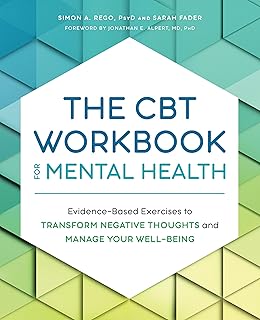


Types of Therapy: Explore CBT, DBT, psychodynamic, or holistic approaches for tailored mental health support
Therapy isn’t one-size-fits-all. Different modalities target distinct aspects of mental health, requiring careful selection based on individual needs. Cognitive Behavioral Therapy (CBT), for instance, is structured and goal-oriented, typically spanning 12–20 sessions. It focuses on identifying and changing negative thought patterns and behaviors, making it highly effective for anxiety, depression, and phobias. Studies show that 50–75% of patients experience significant improvement, often within a few months. CBT is particularly useful for those seeking actionable strategies to manage specific symptoms.
In contrast, Dialectical Behavior Therapy (DBT) emphasizes emotional regulation and interpersonal effectiveness, originally designed for borderline personality disorder but now widely used for self-harm, suicidal ideation, and chronic emotional dysregulation. DBT combines individual therapy, group skills training, and phone coaching, typically lasting 6–12 months. Its unique blend of acceptance and change makes it ideal for individuals struggling with intense emotions and relationship conflicts. Unlike CBT, DBT incorporates mindfulness practices, offering a more holistic approach to emotional resilience.
Psychodynamic therapy delves into unconscious processes and past experiences, often requiring longer-term commitment—sometimes years. It’s less structured than CBT or DBT, focusing on self-reflection and insight rather than symptom management. This approach is particularly beneficial for individuals with deep-seated issues like trauma, chronic relationship difficulties, or unresolved childhood conflicts. While progress may be slower, the transformative potential lies in uncovering root causes rather than treating surface symptoms.
Holistic approaches, such as integrative or mind-body therapies, address mental health through physical, emotional, and spiritual dimensions. Examples include yoga therapy, art therapy, or acupuncture, often used alongside traditional modalities. These methods are especially valuable for stress reduction, chronic pain, or those seeking a non-pharmacological complement to treatment. For instance, mindfulness-based stress reduction (MBSR) programs, typically 8 weeks long, have been shown to reduce anxiety and depression symptoms by 30–40%. Holistic therapies are best suited for individuals desiring a comprehensive, personalized approach to well-being.
Choosing the right therapy depends on the nature of your struggles, treatment goals, and personal preferences. CBT offers quick, targeted relief; DBT provides tools for emotional mastery; psychodynamic therapy fosters deep self-awareness; and holistic approaches nurture overall balance. Consult a mental health professional to assess which modality aligns with your needs, ensuring a tailored path to recovery. Remember, the effectiveness of therapy often hinges on the therapeutic relationship, so finding a compatible provider is equally crucial.
Supporting Homeless Relatives with Mental Health: Compassionate Strategies for Families
You may want to see also
Explore related products





Medication Management: Consult psychiatrists for prescriptions, monitor side effects, and adjust dosages as needed
Psychiatric medication can be a powerful tool in managing mental health conditions, but it’s not a one-size-fits-all solution. Consulting a psychiatrist is the first critical step, as they are uniquely qualified to diagnose, prescribe, and oversee medication regimens tailored to individual needs. Unlike primary care physicians, psychiatrists specialize in the complexities of mental health pharmacology, ensuring that prescriptions align with specific symptoms, medical history, and potential drug interactions. For instance, selective serotonin reuptake inhibitors (SSRIs) like fluoxetine (Prozac) or sertraline (Zoloft) are commonly prescribed for depression and anxiety, but dosages can range from 20 mg to 80 mg daily depending on the patient’s response and tolerance. This personalized approach underscores the importance of professional expertise in medication management.
Once prescribed, monitoring side effects becomes paramount. Common side effects of psychiatric medications—such as drowsiness, weight changes, or gastrointestinal discomfort—often subside within a few weeks, but persistent or severe symptoms require immediate attention. For example, antipsychotics like olanzapine may cause metabolic changes, necessitating regular blood tests to monitor glucose and lipid levels. Patients should maintain open communication with their psychiatrist, documenting any changes in mood, behavior, or physical health. Apps like Moodpath or journaling can help track symptoms systematically, providing valuable data for dosage adjustments. Ignoring side effects can lead to non-adherence, undermining the treatment’s effectiveness.
Adjusting dosages is a nuanced process that demands patience and collaboration. Psychiatrists often start with the lowest effective dose to minimize side effects, gradually increasing it if necessary. For instance, a patient on bupropion (Wellbutrin) for depression might begin with 150 mg daily, with increments of 100 mg every few weeks until optimal symptom relief is achieved. However, adjustments aren’t always linear; external factors like stress, lifestyle changes, or concurrent illnesses can influence medication efficacy. Regular follow-up appointments—typically every 4–6 weeks initially, then less frequently as stability is achieved—are essential to reassess progress and make informed decisions.
Practical tips can enhance the medication management experience. Always take medications as prescribed, avoiding self-adjustments or abrupt discontinuation, which can trigger withdrawal symptoms or relapse. Use pill organizers or set reminders to maintain consistency, especially with complex regimens. For older adults or adolescents, caregivers should oversee medication adherence and monitor for age-specific side effects, such as increased fall risk in seniors or mood swings in teens. Finally, combine medication with therapy and lifestyle modifications—exercise, sleep hygiene, and a balanced diet—for a holistic approach to mental health. Medication is often one piece of the puzzle, not the entire solution.
In conclusion, medication management is a dynamic, collaborative process that hinges on professional guidance, vigilant monitoring, and adaptability. By working closely with a psychiatrist, patients can navigate the complexities of mental health treatment with confidence, ensuring that medications serve as a foundation for long-term well-being rather than a source of additional stress.
Move to Thrive: Physical Activity's Impact on Mental Well-Being
You may want to see also
Explore related products



Setting Therapy Goals: Collaborate with your therapist to define clear, achievable mental health objectives
Therapy isn’t a one-size-fits-all solution; it’s a tailored journey toward mental wellness. Setting clear, achievable goals with your therapist transforms abstract desires like "feeling better" into actionable steps. For instance, instead of vaguely aiming to "reduce anxiety," a specific goal might be "practice deep breathing exercises three times daily for two weeks to lower panic attack frequency." This precision not only provides direction but also allows for measurable progress, fostering motivation and accountability.
Collaboration is the cornerstone of effective goal-setting in therapy. Your therapist brings clinical expertise, while you contribute intimate knowledge of your experiences and challenges. Together, you can identify realistic objectives that align with your values and lifestyle. For example, a therapist might suggest cognitive-behavioral techniques to reframe negative thoughts, but you could propose incorporating journaling as a complementary practice. This partnership ensures goals are both evidence-based and personally meaningful, increasing the likelihood of success.
However, goal-setting isn’t without pitfalls. Ambiguity, overambition, and rigidity can derail progress. Avoid vague goals like "improve relationships" by breaking them into smaller, actionable tasks, such as "schedule one weekly check-in with a loved one." Similarly, resist the urge to tackle everything at once; prioritize one or two goals to prevent overwhelm. Flexibility is also key—life happens, and goals may need adjustment. Regularly reviewing and refining objectives with your therapist ensures they remain relevant and achievable.
Practicality is paramount. Goals should be SMART: Specific, Measurable, Achievable, Relevant, and Time-bound. For a teenager struggling with academic stress, a SMART goal might be "complete 30 minutes of focused study daily for five days a week, tracking progress in a planner for one month." For an adult managing depression, it could be "engage in 20 minutes of light exercise three times a week for six weeks, using a fitness app to monitor consistency." These structured goals provide clarity and a framework for success.
Ultimately, setting therapy goals is an act of self-compassion and empowerment. It acknowledges your agency in the healing process while leveraging professional guidance. By defining clear objectives, you transform therapy from a passive experience into an active pursuit of growth. Remember, progress isn’t linear, and setbacks are part of the journey. Celebrate small victories, stay committed to the process, and trust the collaboration between you and your therapist to light the way forward.
Supporting Loved Ones: Practical Ways to Help Family with Mental Illness
You may want to see also
Explore related products

$8.5 $19.99




Crisis Support Options: Access emergency hotlines, inpatient care, or crisis centers for immediate professional help
In moments of acute mental health crisis, immediate professional intervention can be life-saving. Emergency hotlines, such as the National Suicide Prevention Lifeline (988 in the U.S.), offer 24/7 access to trained counselors who provide real-time support, crisis de-escalation, and resource referrals. These services are confidential, free, and available to individuals of all ages, making them a critical first step for anyone experiencing suicidal thoughts, severe anxiety, or overwhelming distress. Unlike general helplines, crisis hotlines are staffed by specialists trained to handle high-risk situations, ensuring callers receive targeted, empathetic care.
When a crisis cannot be managed over the phone, inpatient care becomes a necessary option. Psychiatric hospitals or dedicated crisis stabilization units provide intensive, round-the-clock treatment for individuals at risk of self-harm or unable to function safely in their current environment. Admission typically involves a psychiatric evaluation, medication management, and therapeutic interventions like cognitive-behavioral therapy (CBT) or group sessions. While the average length of stay ranges from 3 to 10 days, this varies based on individual needs and treatment response. Inpatient care is particularly vital for those with severe depression, psychosis, or substance use disorders complicating their mental health.
Crisis centers serve as a middle ground between hotlines and hospitalization, offering walk-in services for individuals in acute distress. These facilities, often operated by local mental health organizations, provide short-term counseling, safety planning, and connections to ongoing care. For example, a person experiencing a panic attack or dissociative episode can visit a crisis center for immediate grounding techniques and a safe space to stabilize. Unlike inpatient settings, crisis centers do not require overnight stays, making them accessible to those who need urgent help but do not meet hospitalization criteria.
Choosing the right crisis support option depends on the severity and nature of the situation. Hotlines are ideal for immediate emotional relief and guidance, while inpatient care addresses severe, life-threatening conditions. Crisis centers bridge the gap, offering face-to-face support without the commitment of hospitalization. Regardless of the choice, all these resources share a common goal: to provide professional, compassionate care during moments of extreme vulnerability. Knowing these options in advance empowers individuals and their loved ones to act swiftly and effectively when crisis strikes.
Supporting Loved Ones: Practical Ways to Aid Mental Health Recovery
You may want to see also
Frequently asked questions
If you’re experiencing persistent feelings of sadness, anxiety, or stress that interfere with your daily life, relationships, or work, it may be time to seek professional help. Other signs include changes in sleep or appetite, difficulty concentrating, or thoughts of self-harm. Consulting a mental health professional can provide clarity and support.
Common mental health professionals include psychiatrists (medical doctors who can prescribe medication), psychologists (trained in therapy and counseling), licensed therapists or counselors, and social workers. The best fit depends on your needs, such as therapy, medication, or a combination of both.
Start by researching professionals who specialize in your concerns (e.g., anxiety, depression, trauma). Ask for recommendations from your primary care doctor, insurance provider, or trusted friends. Schedule initial consultations to assess their approach and whether you feel comfortable working with them.
Your first session typically involves discussing your concerns, symptoms, and goals. The professional will ask about your history, relationships, and daily life to better understand your situation. It’s a chance for you to ask questions and determine if they’re the right fit for your needs.