Lucas Bennett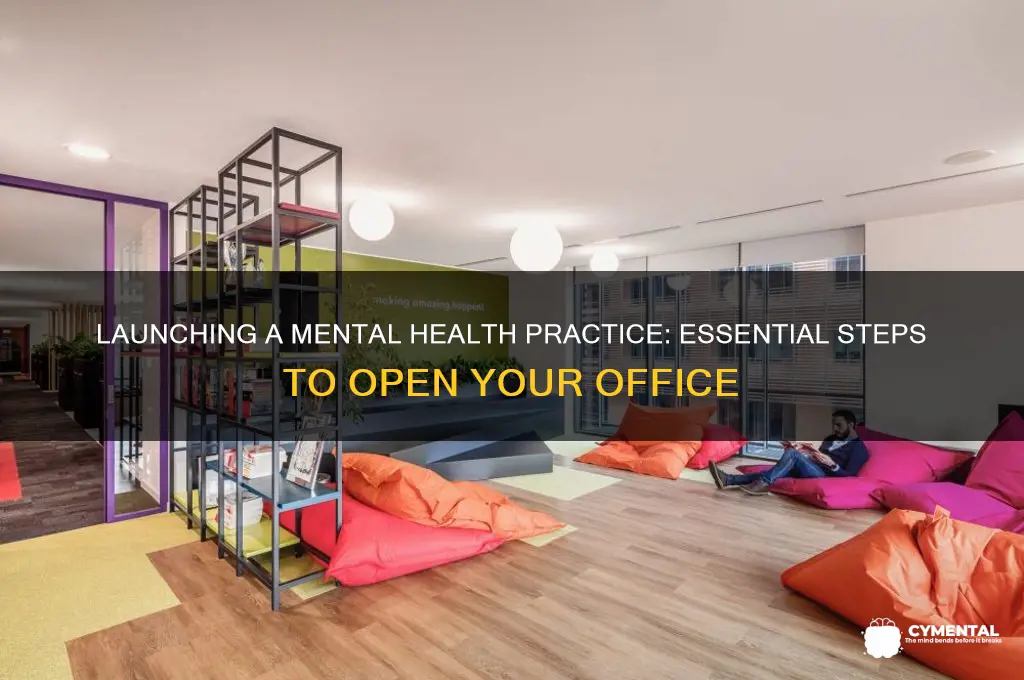
Opening a mental health office requires careful planning and attention to detail to ensure it meets the needs of clients and complies with legal and ethical standards. Begin by researching local regulations and licensing requirements for mental health practices in your area, as these can vary significantly. Develop a clear business plan that outlines your services, target population, and financial projections, including startup costs, operational expenses, and potential revenue streams. Secure a suitable location that is accessible, private, and conducive to therapeutic interactions, ensuring it adheres to confidentiality and safety guidelines. Invest in necessary equipment, such as comfortable furniture, secure record-keeping systems, and telehealth capabilities if offering remote services. Hire qualified staff, including licensed therapists, administrative personnel, and possibly support staff, ensuring they align with your practice’s mission and values. Establish partnerships with insurance providers, referral networks, and community organizations to expand your reach and credibility. Finally, prioritize ongoing professional development and adherence to ethical practices to build trust and provide high-quality care to your clients.
Explore related products


What You'll Learn
- Location & Demographics: Research areas with high demand for mental health services and accessible locations
- Licensing & Legalities: Obtain necessary licenses, permits, and insurance to operate legally and ethically
- Staffing & Expertise: Hire qualified therapists, psychologists, and support staff with diverse specializations
- Office Setup & Design: Create a welcoming, confidential, and comfortable environment for clients and staff
- Marketing & Outreach: Develop a marketing strategy to reach target audiences and build community partnerships

Location & Demographics: Research areas with high demand for mental health services and accessible locations
Identifying the right location for your mental health office is a critical step that can significantly impact your practice's success. Start by analyzing areas with a high demand for mental health services, often correlated with population density, socioeconomic factors, and existing healthcare infrastructure. Urban centers, for instance, may have a greater need due to higher stress levels and limited access to specialized care, but competition is fierce. Conversely, rural areas often face a shortage of providers, making them underserved yet challenging due to lower population density. Use tools like the Health Resources and Services Administration (HRSA) data to pinpoint Health Professional Shortage Areas (HPSAs) for mental health, which can guide your decision.
Once you’ve identified potential regions, dive into demographic research to understand your target population. Age, income, education, and cultural background all influence mental health needs and service preferences. For example, college towns may require services tailored to young adults dealing with anxiety or depression, while suburban areas might see higher demand for family therapy or child counseling. Utilize census data, local health department reports, and community surveys to gather insights. Tailoring your services to the specific needs of the demographic ensures relevance and increases the likelihood of sustained demand.
Accessibility is another non-negotiable factor in choosing a location. Consider proximity to public transportation, parking availability, and physical accessibility for individuals with disabilities. A prime example is locating your office near a transit hub or in a building with ample parking, which can remove barriers to care for clients who rely on public transport or have mobility challenges. Additionally, think about the visibility and safety of the location—a well-lit, easily accessible office in a safe neighborhood can make clients feel more comfortable seeking help.
Finally, don’t overlook the importance of community integration. Partnering with local schools, churches, or community centers can amplify your reach and establish trust. For instance, offering workshops or free consultations at these venues can attract clients who might not otherwise seek services. Analyzing the cultural and social fabric of the area allows you to align your practice with community values, fostering a sense of belonging and increasing the likelihood of long-term success. By combining demand analysis, demographic research, accessibility considerations, and community engagement, you can strategically position your mental health office where it’s most needed and most effective.
Healthy Habits, Happy Mind: Boosting Mental Health Through Lifestyle Choices
You may want to see also
Explore related products





Licensing & Legalities: Obtain necessary licenses, permits, and insurance to operate legally and ethically
Operating a mental health office without the proper licenses and permits is not just a legal misstep—it’s a risk to your clients and your practice. Each state and locality has specific requirements for mental health professionals, ranging from clinical licenses to business permits. For instance, in California, a psychologist must hold a valid license from the California Board of Psychology, while in New York, a mental health counselor requires licensure from the Office of the Professions. Failing to meet these standards can result in fines, closure, or even legal action. Start by researching your state’s regulatory board to identify the exact credentials needed for your practice.
Insurance isn’t optional—it’s a safeguard for both you and your clients. Professional liability insurance, also known as malpractice insurance, protects against claims of negligence or harm. Policies typically range from $1 million to $3 million in coverage, with annual premiums averaging $500 to $2,000 depending on your location and practice size. Additionally, general liability insurance covers accidents that occur on your premises, such as a client slipping in your waiting room. Workers’ compensation insurance is also mandatory if you plan to hire staff. Consult an insurance broker specializing in healthcare to tailor a policy to your needs.
Navigating legalities extends beyond licenses and insurance—it includes compliance with federal laws like HIPAA (Health Insurance Portability and Accountability Act). HIPAA mandates the protection of client information, requiring secure storage, encrypted communication, and staff training. Non-compliance can result in penalties ranging from $100 to $50,000 per violation. Invest in HIPAA-compliant software and conduct regular audits to ensure adherence. Similarly, if you accept insurance, you must comply with billing and coding regulations to avoid fraud allegations.
Ethical operation demands more than legal compliance—it requires proactive measures to maintain trust. For example, obtain informed consent from clients by clearly explaining your services, fees, and confidentiality policies. Use standardized consent forms and update them annually to reflect changes in your practice. Additionally, establish a clear fee structure and billing process to avoid disputes. If offering telehealth services, ensure your platform meets privacy standards and is accessible to clients with disabilities, as required by the Americans with Disabilities Act (ADA).
Finally, stay informed about evolving regulations. Laws governing mental health practices frequently change, and ignorance isn’t a defense. Subscribe to newsletters from your state’s licensing board, join professional associations like the American Psychological Association (APA), and attend continuing education courses that cover legal updates. Proactive compliance not only protects your practice but also reinforces your commitment to ethical care. Remember, the foundation of a successful mental health office is built on legality and integrity—never compromise one for the other.
Empathy and Growth: How Mental Health Connections Transform Us
You may want to see also
Explore related products




Staffing & Expertise: Hire qualified therapists, psychologists, and support staff with diverse specializations
The success of your mental health office hinges on the expertise and diversity of your staff. Clients seeking support arrive with a spectrum of needs, from anxiety and depression to trauma and relationship issues. A one-size-fits-all approach won't suffice.
Consider this: a client struggling with PTSD after military service requires a therapist trained in trauma-focused therapies like EMDR or CPT. Meanwhile, a teenager battling eating disorders needs a specialist in adolescent psychology and body image issues. By assembling a team with diverse specializations, you ensure every client receives tailored care, increasing the likelihood of positive outcomes.
Think of your staff as a toolkit. Each therapist, psychologist, and support staff member brings unique tools – cognitive behavioral therapy, mindfulness techniques, family therapy expertise – to address specific client needs.
Recruitment should prioritize qualifications and experience. Look for licensed professionals with proven track records in their respective fields. Don't underestimate the value of support staff. Administrative personnel who are empathetic, organized, and familiar with mental health terminology create a welcoming and efficient environment, crucial for client comfort and smooth operations.
Remember, diversity extends beyond clinical expertise. Aim for a team that reflects the cultural and linguistic makeup of your community. This fosters trust and accessibility, ensuring clients feel understood and represented.
Wealth's Mental Benefits: How Money Enhances Human Psychological Well-being
You may want to see also
Explore related products






Office Setup & Design: Create a welcoming, confidential, and comfortable environment for clients and staff
The physical environment of a mental health office significantly impacts the therapeutic experience. Stark, clinical spaces can evoke anxiety, while overly ornate designs may distract or overwhelm. Striking a balance requires intentional choices in layout, color, and furnishings to foster a sense of safety and calm.
Opt for a neutral color palette with soft blues, greens, or beiges, known for their calming effects. Incorporate natural elements like plants or wood accents to create a grounding atmosphere. Avoid harsh fluorescent lighting; instead, use warm, adjustable lighting options to cater to individual preferences and create a sense of control.
Privacy is paramount in mental health settings. Designate separate entrances and exits for clients and staff to minimize encounters in common areas. Utilize soundproof walls and doors to ensure confidentiality during sessions. Provide private waiting areas with comfortable seating and access to calming resources like books, magazines, or soothing music. Consider offering a water station or tea/coffee facilities to promote comfort and reduce pre-session jitters.
Remember, accessibility is crucial. Ensure your office is wheelchair accessible, with wide doorways, ramps, and accessible restrooms. Provide clear signage and consider offering sensory tools like fidget objects or noise-canceling headphones for clients with sensory sensitivities.
Furniture selection plays a vital role in creating a welcoming and comfortable space. Opt for ergonomic chairs for both clients and therapists, ensuring proper support during sessions. Avoid overly plush furniture that may be difficult to get in and out of. Incorporate a variety of seating options, including individual chairs, couches, and perhaps a cozy reading nook, to cater to different preferences and therapeutic approaches.
Finally, don't underestimate the power of personal touches. Display artwork that evokes positive emotions, avoiding anything too abstract or potentially triggering. Incorporate inspirational quotes or affirmations subtly throughout the space. Remember, the goal is to create an environment that feels safe, inviting, and conducive to healing, allowing both clients and staff to feel at ease and focus on the therapeutic process.
Physicians Seeking Mental Health Support: Breaking Stigma, Prioritizing Well-being
You may want to see also
Explore related products



Marketing & Outreach: Develop a marketing strategy to reach target audiences and build community partnerships
Effective marketing for a mental health office hinges on understanding your target audience. Are you catering to adolescents struggling with anxiety, veterans dealing with PTSD, or families navigating grief? Each demographic requires a tailored approach. For instance, reaching teenagers might involve partnering with schools and utilizing social media platforms like TikTok or Instagram, while veterans may respond better to collaborations with veteran organizations and targeted Facebook ads.
Consider the power of storytelling in your outreach. Share client success stories (with consent and anonymity) to humanize your services and build trust. Highlight the diverse backgrounds and experiences of your therapists to showcase inclusivity. For example, a therapist who specializes in LGBTQ+ issues can be featured in a blog post or video series, attracting individuals seeking affirming care.
Building community partnerships is essential for sustainability. Host free workshops or webinars in collaboration with local libraries, churches, or community centers. Offer discounted rates for low-income individuals through partnerships with nonprofits. For instance, a "Mental Health First Aid" workshop co-hosted with a local YMCA can position your office as a community resource while reaching underserved populations.
Leverage digital tools strategically. A user-friendly website with clear service descriptions, therapist bios, and online booking options is non-negotiable. Invest in search engine optimization (SEO) to ensure your office appears in local searches for terms like "anxiety therapy near me." Email newsletters with valuable content, such as coping tips or mental health news, can keep your audience engaged and informed.
Finally, measure and adapt your strategy. Track metrics like website traffic, appointment bookings, and client retention rates. Use feedback from clients and community partners to refine your approach. For example, if a partnership with a local school yields high interest but low follow-through, consider offering on-site sessions or flexible scheduling to address barriers to access.
Unlocking Mental Wellness: The Transformative Power of Psychedelics Explained
You may want to see also
Frequently asked questions
To open a mental health office, you typically need a licensed mental health professional on staff, such as a psychologist, psychiatrist, licensed clinical social worker (LCSW), or licensed professional counselor (LPC). Additionally, ensure compliance with state and local licensing requirements, including certifications and accreditations specific to mental health services.
Startup costs vary widely but generally range from $20,000 to $100,000, depending on factors like location, office size, equipment (e.g., furniture, therapy tools), licensing fees, insurance, and initial marketing expenses. Budgeting for at least 3-6 months of operating expenses is recommended.
Key considerations include obtaining state and local business licenses, complying with HIPAA regulations for patient privacy, securing malpractice insurance, and adhering to zoning laws for office space. Additionally, ensure your practice meets accreditation standards if applicable (e.g., CARF or Joint Commission).