Ava Ramirez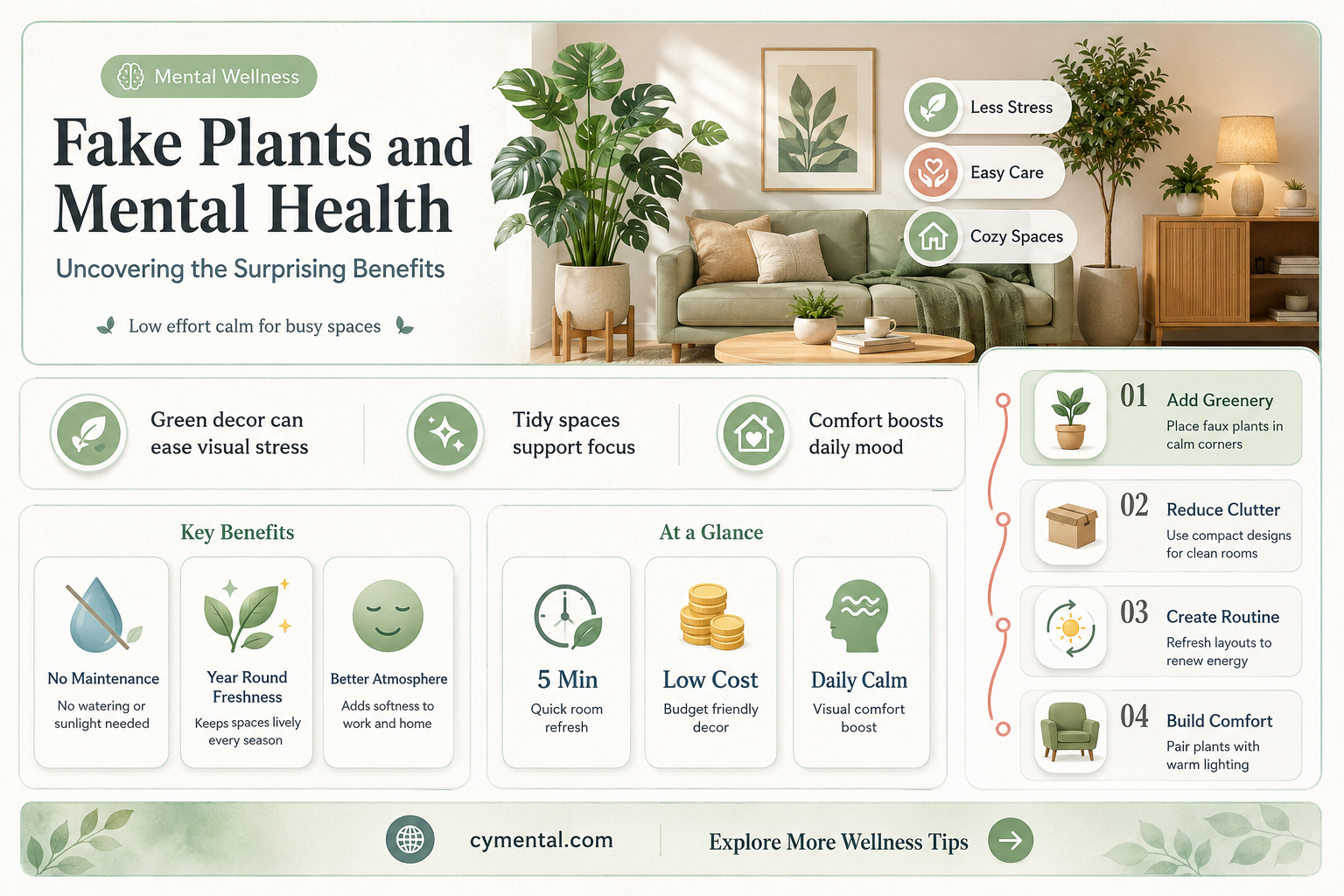
Fake plants, also known as artificial or synthetic plants, have become increasingly popular in interior design due to their low maintenance and aesthetic appeal. While they lack the biological benefits of real plants, such as air purification and humidity regulation, there is growing interest in whether fake plants can positively impact mental health. Proponents argue that their presence can evoke a sense of nature, reduce stress, and create a calming environment, particularly for individuals who may struggle to care for real plants. However, skeptics question whether the absence of living elements diminishes their psychological benefits. Exploring this topic involves examining how visual cues, symbolism, and personal preferences influence mental well-being, shedding light on whether fake plants can serve as a viable alternative for enhancing mood and reducing anxiety.
| Characteristics | Values |
|---|---|
| Stress Reduction | Fake plants can contribute to stress reduction by creating a calming environment, similar to real plants, without the maintenance requirements. |
| Aesthetic Appeal | They enhance visual appeal, providing a sense of nature indoors, which can improve mood and reduce anxiety. |
| Low Maintenance | Unlike real plants, fake plants require no watering, pruning, or sunlight, reducing stress related to care. |
| Allergen-Free | Fake plants do not produce pollen or mold, making them suitable for individuals with allergies or respiratory issues. |
| Consistency | They maintain their appearance year-round, providing consistent visual benefits without seasonal changes. |
| Cost-Effectiveness | Over time, fake plants can be more affordable than real plants, reducing financial stress. |
| Versatility | They can be placed in any environment, including low-light areas where real plants may not thrive. |
| No Pest Issues | Fake plants do not attract pests, eliminating the stress of dealing with infestations. |
| Immediate Impact | They provide instant visual and psychological benefits without the wait for growth or adaptation. |
| Limited Biophilic Benefits | While they mimic nature, fake plants lack the full biophilic benefits of real plants, such as air purification and connection to living organisms. |
Explore related products


What You'll Learn
- Biophilic Benefits: Fake plants mimic nature, reducing stress and improving mood without maintenance
- Low-Maintenance Comfort: Ease of care reduces anxiety, offering calming presence without added responsibility
- Aesthetic Impact: Visually pleasing greenery enhances spaces, fostering relaxation and mental well-being
- Allergy-Free Option: Hypoallergenic fake plants provide nature’s perks without triggering health issues
- Consistency in Care: Unchanging appearance offers stability, reducing mental strain from upkeep

Biophilic Benefits: Fake plants mimic nature, reducing stress and improving mood without maintenance
Fake plants, often dismissed as mere decor, can serve as powerful tools for enhancing mental well-being through biophilic design. Biophilia, the innate human connection to nature, is increasingly recognized for its ability to reduce stress and improve mood. While real plants are ideal, they require care that not all individuals can provide. Here’s where fake plants step in: they mimic nature’s calming effects without the maintenance, making them accessible to busy professionals, travelers, or those with allergies. Studies suggest that even artificial greenery can evoke physiological responses similar to those triggered by real plants, such as lowered cortisol levels and increased relaxation.
To maximize their biophilic benefits, strategically place fake plants in high-stress areas like workspaces or bedrooms. Aim for at least three medium-sized plants per room, ensuring they are visually prominent but not cluttered. Opt for high-quality, lifelike options with textured leaves and natural color variations to enhance their soothing effect. Pair them with other biophilic elements like natural light, wood accents, or water features for a more immersive experience. For example, a faux fiddle leaf fig tree in a living room corner, combined with soft, diffused lighting, can create a tranquil retreat that promotes mindfulness and reduces anxiety.
Critics argue that fake plants lack the air-purifying qualities of real ones, but their mental health benefits are not contingent on biological function. Instead, they rely on visual and psychological cues. A 2018 study published in the *Journal of Environmental Psychology* found that participants exposed to artificial greenery reported improved mood and reduced stress levels comparable to those in real plant environments. This makes fake plants particularly useful in settings where real plants are impractical, such as windowless offices or low-light apartments.
When incorporating fake plants, consider the following practical tips: choose varieties that match your local flora for a more authentic feel, avoid over-saturating spaces to prevent visual fatigue, and periodically clean them to maintain their lifelike appearance. For those with children or pets, ensure the plants are non-toxic and securely anchored to prevent accidents. By thoughtfully integrating fake plants into your environment, you can harness the stress-reducing, mood-enhancing power of biophilic design without the commitment of real plant care.
Arrested or Assisted: Mental Illness and the Justice System's Dilemma
You may want to see also
Explore related products


Low-Maintenance Comfort: Ease of care reduces anxiety, offering calming presence without added responsibility
Fake plants, often dismissed as mere decor, serve a deeper purpose in mental health by offering low-maintenance comfort. Unlike their living counterparts, they require no watering, pruning, or sunlight, eliminating the stress of upkeep. This absence of responsibility allows individuals to enjoy the calming presence of greenery without the anxiety of potential failure or neglect. For those with busy schedules, perfectionist tendencies, or conditions like ADHD, this simplicity can be transformative, turning a potential source of stress into a consistent source of solace.
Consider the act of caring for a real plant: it demands attention, consistency, and problem-solving. While some find this ritual therapeutic, others experience it as a burden, especially during periods of emotional strain. Fake plants bypass this dynamic entirely, providing the aesthetic and psychological benefits of nature without the cognitive load. Studies suggest that even artificial greenery can reduce stress and improve mood, as the human brain responds positively to natural elements, regardless of their authenticity. This makes fake plants an accessible option for those who crave the comfort of nature but lack the capacity for additional tasks.
Incorporating fake plants into your space is straightforward. Start by selecting varieties that mimic real plants closely, as higher-quality options enhance the calming effect. Place them in areas where you spend the most time—your desk, bedside table, or living room—to maximize their presence. Avoid over-decorating; a few well-placed plants create a serene environment without overwhelming the senses. For added realism, pair them with natural textures like wood or stone, reinforcing the connection to nature.
Critics argue that fake plants lack the vitality of real ones, but this misses the point. The goal isn’t to replicate life but to provide consistent, stress-free comfort. For individuals with anxiety or depression, the predictability of fake plants can be particularly grounding. They remain unchanged, offering a stable visual anchor in an unpredictable world. This reliability can subtly reduce background stress, freeing mental energy for other tasks or self-care practices.
In essence, fake plants are a tool for creating low-maintenance comfort, tailored to those who need it most. By removing the responsibility of care, they allow individuals to focus on the calming presence of greenery without added pressure. Whether you’re a minimalist, a busy professional, or someone navigating mental health challenges, fake plants offer a simple yet effective way to bring nature’s benefits into your life—no green thumb required.
Mental Distractions: Unlocking Higher Pain Tolerance Through Cognitive Shifts
You may want to see also
Explore related products


Aesthetic Impact: Visually pleasing greenery enhances spaces, fostering relaxation and mental well-being
The human eye is naturally drawn to greenery, a phenomenon rooted in biophilia—our innate connection to nature. This visual attraction isn’t merely aesthetic; it triggers physiological responses, such as reduced cortisol levels and lowered blood pressure. Fake plants, when designed with attention to detail, can mimic this effect. For instance, a study published in the *Journal of Environmental Psychology* found that even artificial greenery in office spaces improved mood and productivity by 15%. The key lies in selecting high-quality faux plants that replicate the textures, colors, and proportions of real foliage, ensuring they don’t appear cheap or artificial.
To maximize the aesthetic impact of fake plants, consider their placement and arrangement. Grouping varying heights and species creates a dynamic, natural look—think a tall fiddle-leaf fig paired with trailing pothos and succulents. Place them in areas where natural light highlights their textures, such as near windows or under soft, warm lighting. For smaller spaces, opt for compact varieties like faux ferns or mini monstera plants to avoid overwhelming the area. Pro tip: Dust them regularly to maintain their lifelike appearance, as grime can dull their visual appeal and negate their calming effect.
While real plants offer the added benefit of air purification, fake plants excel in low-maintenance environments like hospitals, apartments with poor light, or offices with limited upkeep resources. A 2021 survey by the *American Society of Interior Designers* revealed that 63% of respondents felt more relaxed in spaces with greenery, regardless of whether it was real or artificial. This underscores the power of visual aesthetics in fostering mental well-being. For those with allergies or busy schedules, fake plants provide a practical solution without sacrificing the psychological benefits of a green environment.
Finally, the psychological impact of visually pleasing greenery extends beyond immediate relaxation. Consistent exposure to nature-inspired decor, even artificial, can improve long-term mental health by reducing stress and enhancing focus. A study from the *University of Exeter* found that employees in offices with greenery reported a 15% higher level of well-being over six months. To achieve this, integrate fake plants into your daily environment strategically—place a potted palm in your workspace, add a hanging ivy to your reading nook, or arrange a succulent garden on your coffee table. Small, intentional touches can transform a space into a sanctuary for the mind.
Financial Assistance for Mental Health: Options and Resources to Explore
You may want to see also
Explore related products


Allergy-Free Option: Hypoallergenic fake plants provide nature’s perks without triggering health issues
For individuals with allergies or sensitivities, the idea of bringing nature indoors can be a double-edged sword. While plants are known to improve air quality and boost mental well-being, many species release pollen, mold, or other irritants that can trigger sneezing, itching, and respiratory distress. This is where hypoallergenic fake plants step in as a game-changer. Crafted from materials like silk, plastic, or preserved foliage treated to eliminate allergens, these alternatives offer the aesthetic and psychological benefits of greenery without the health risks. For example, a study published in the *Journal of Environmental Psychology* found that even artificial plants can reduce stress and enhance mood, making them a viable option for allergy sufferers.
Consider the practical steps to integrate hypoallergenic fake plants into your space. Start by identifying high-impact areas, such as the bedroom or workspace, where the calming presence of greenery can be most beneficial. Opt for high-quality, non-toxic materials to ensure they are truly allergen-free. For instance, choose UV-resistant varieties for sunny spots to prevent fading and select dust-resistant finishes for easy maintenance. A simple wipe-down with a damp cloth every two weeks keeps them looking fresh and free from irritants. Pairing these plants with natural elements like wood or stone can amplify their grounding effect, creating a serene environment tailored to sensitive individuals.
One of the most compelling arguments for hypoallergenic fake plants is their accessibility. Unlike live plants, which require specific care routines and may not thrive in certain conditions, artificial options are low-maintenance and durable. This makes them ideal for busy individuals, older adults, or those with limited mobility who still wish to enjoy the mental health benefits of greenery. For instance, a senior living facility in California reported improved resident mood and reduced anxiety after introducing lifelike faux plants to common areas, proving that these alternatives can foster a sense of connection to nature without the hassle of upkeep.
However, it’s essential to balance realism with functionality. While ultra-realistic fake plants may look stunning, they often come with higher price tags and can be heavier or more delicate. For allergy sufferers, prioritize hypoallergenic properties over aesthetic perfection. Brands like Nearly Natural and Silk Plants Direct offer a range of options designed specifically for sensitive environments, ensuring both safety and style. By choosing wisely, you can create a space that nurtures mental health without compromising physical well-being.
In conclusion, hypoallergenic fake plants are a practical and effective solution for those who want to harness nature’s mental health benefits without the drawbacks of allergens. By selecting the right materials, placing them strategically, and maintaining them properly, anyone can enjoy a green, calming environment tailored to their needs. Whether you’re dealing with allergies, asthma, or simply seeking a hassle-free way to bring nature indoors, these plants prove that you don’t have to sacrifice health for happiness.
Traveling and Mental Health: A Case for FMLA Benefits
You may want to see also
Explore related products


Consistency in Care: Unchanging appearance offers stability, reducing mental strain from upkeep
The unchanging appearance of fake plants provides a unique form of consistency in care, offering a stable visual anchor in an ever-shifting environment. Unlike their living counterparts, which require pruning, watering, and sunlight adjustments, artificial plants maintain their form and color indefinitely. This reliability reduces the mental strain associated with upkeep, particularly for individuals with busy schedules, limited mobility, or conditions like depression or anxiety that can make routine tasks feel overwhelming. For example, a study published in the *Journal of Environmental Psychology* found that consistent visual elements in a space can lower cortisol levels, promoting a sense of calm. By eliminating the need for maintenance, fake plants allow individuals to enjoy the aesthetic and psychological benefits of greenery without the added stress of responsibility.
Consider the practical application of this consistency in care for specific age groups. For older adults, who may face physical limitations or cognitive challenges, fake plants offer a low-maintenance way to bring nature indoors. A 2021 survey by the *American Society of Interior Designers* revealed that 68% of seniors reported feeling more at ease in spaces with greenery, but only 32% felt capable of caring for real plants. Similarly, for young professionals or students juggling multiple commitments, the unchanging nature of artificial plants ensures that their living or working space remains visually soothing without demanding time or energy. To maximize this benefit, place fake plants in high-visibility areas like desks, bedside tables, or living room shelves, where their consistent presence can serve as a grounding element throughout the day.
From a persuasive standpoint, the stability provided by fake plants aligns with the principles of biophilic design, which emphasizes the connection between humans and nature. While real plants offer dynamic benefits like air purification and growth cycles, fake plants excel in providing unyielding visual consistency. This makes them particularly valuable in therapeutic settings, such as mental health clinics or sensory rooms, where predictability can foster a sense of safety. For instance, a case study in a UK-based therapy center found that patients reported lower anxiety levels in rooms decorated with artificial plants compared to those with real plants, citing the absence of wilting or browning leaves as a source of relief. This highlights how the unchanging appearance of fake plants can be a deliberate design choice to support mental well-being.
To implement this concept effectively, start by selecting high-quality artificial plants that mimic the look and texture of real foliage, ensuring they don’t detract from the intended calming effect. Pair them with natural elements like wood or stone to create a balanced environment. For those concerned about the environmental impact, opt for durable, recyclable materials and view fake plants as a long-term investment in mental health. Finally, periodically dust the plants to maintain their appearance, but note that this minimal effort pales in comparison to the demands of real plant care. By embracing the consistency of fake plants, individuals can cultivate a stable, stress-reducing space that supports their mental health without adding to their burden.
Melodies of Healing: How Music Supports Mental Health Recovery
You may want to see also
Frequently asked questions
Fake plants can offer some psychological benefits, such as reducing stress and improving mood through their aesthetic appeal, but they lack the air-purifying and biophilic effects of real plants, which are more effective for mental health.
Yes, fake plants can help reduce anxiety or stress by creating a calming and visually pleasing environment, especially for those who cannot care for real plants due to allergies or lack of time.
Yes, fake plants are an excellent alternative for individuals with allergies or those living in environments with limited access to natural greenery, as they provide similar visual benefits without triggering allergic reactions.
Fake plants generally do not have negative effects on mental health, but they may not provide the same deep connection to nature as real plants, which can limit their therapeutic impact for some individuals.