Madison Cole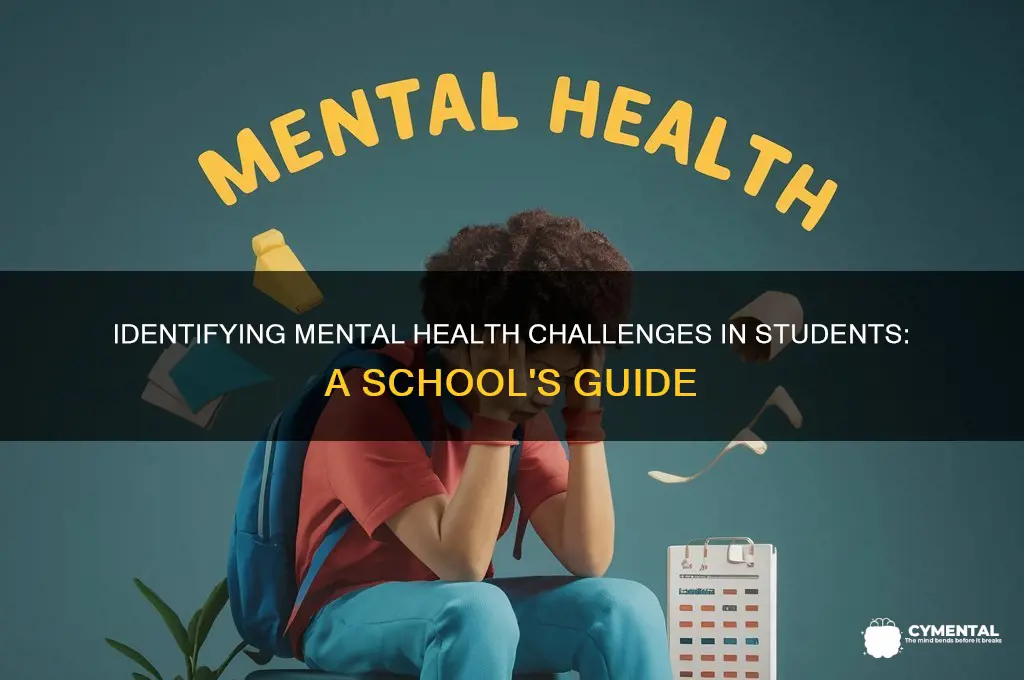
Spotting mental health issues in schools is crucial for early intervention and support, as students often spend a significant portion of their day in educational environments. Teachers, administrators, and staff play a vital role in identifying signs of distress, such as persistent changes in behavior, academic performance, or social interactions. Common indicators include increased irritability, withdrawal from activities, frequent absences, or unexplained physical symptoms like headaches or fatigue. Creating a safe and open environment where students feel comfortable discussing their feelings is essential, as is fostering collaboration between school professionals, parents, and mental health experts to ensure timely and appropriate care. By staying vigilant and proactive, schools can help address mental health challenges before they escalate, promoting overall well-being and academic success.
Explore related products


What You'll Learn
- Behavioral Changes: Sudden shifts in behavior, mood, or social withdrawal may indicate underlying mental health concerns
- Academic Decline: Unexplained drop in grades or difficulty concentrating can signal emotional distress
- Physical Symptoms: Frequent headaches, stomachaches, or sleep disturbances often accompany mental health issues
- Social Isolation: Avoiding friends, activities, or school events may reflect anxiety or depression
- Emotional Outbursts: Increased irritability, anger, or unexplained crying can be warning signs

Behavioral Changes: Sudden shifts in behavior, mood, or social withdrawal may indicate underlying mental health concerns
A student who once eagerly participated in class discussions now sits silently, avoiding eye contact. Their laughter, once a familiar sound in the hallways, has faded. This sudden shift in behavior could be a red flag, signaling a potential struggle with mental health. Behavioral changes, especially when they occur abruptly, are often the most visible indicators of underlying issues in a school setting.
Identifying the Signs:
Imagine a teenager, let's call her Emma, who has always been an outgoing member of the school's drama club. Recently, her teachers notice she's been missing rehearsals, and when present, she seems detached, forgetting lines she once delivered with enthusiasm. This change in engagement and mood is a critical signpost. Other indicators include increased irritability, a decline in academic performance, or a sudden disinterest in favorite activities. For younger children, this might manifest as frequent temper tantrums, bedwetting, or a regression to more childish behavior.
The Impact of Social Withdrawal:
Social withdrawal is a particularly telling sign, especially in adolescents. A student who isolates themselves during lunch breaks or avoids group activities may be experiencing anxiety, depression, or bullying. For instance, a study by the National Institute of Mental Health suggests that social withdrawal in teens can be an early warning sign of major depressive disorder, with approximately 20% of withdrawn adolescents developing depression within a year. This statistic underscores the importance of early intervention.
Practical Steps for School Staff:
Teachers and school counselors play a pivotal role in recognizing these changes. Here's a strategy: First, document specific observations, noting the duration and frequency of the behavioral shift. Second, initiate a private conversation with the student, expressing concern and offering support. Use open-ended questions to encourage dialogue, such as, "I've noticed you seem less engaged lately. Is everything okay?" Finally, collaborate with school psychologists or counselors to develop a support plan, which might include regular check-ins, referrals to mental health professionals, or adjustments to the student's learning environment.
A Comparative Perspective:
Interestingly, cultural differences can influence the expression of mental health issues. In some cultures, emotional distress may be more likely to manifest as physical symptoms, such as headaches or stomachaches, rather than behavioral changes. This highlights the need for a nuanced understanding of cultural contexts in mental health identification. Schools with diverse student bodies should be particularly attuned to these variations, ensuring that staff are trained to recognize a broad spectrum of indicators.
In summary, sudden behavioral changes are like alarm bells, alerting educators to potential mental health struggles. By being vigilant and responsive, school communities can provide crucial support, ensuring that students receive the help they need to navigate these challenges. This proactive approach is essential in fostering a healthy and inclusive learning environment.
Identifying Mental Health Concerns in Mats: A Comprehensive Guide
You may want to see also
Explore related products


Academic Decline: Unexplained drop in grades or difficulty concentrating can signal emotional distress
A sudden drop in academic performance can be a red flag for underlying mental health struggles in students. Imagine a once-engaged learner now staring blankly at their textbook, struggling to recall basic concepts. This isn't simply a case of laziness or lack of effort; it could be a manifestation of emotional distress. Anxiety, depression, and other mental health issues can significantly impair concentration, memory, and motivation, leading to a noticeable decline in grades.
Teachers and parents often witness this shift, puzzled by the sudden change in a student who previously excelled.
Let's break down the connection. Stress hormones like cortisol, elevated during periods of anxiety or depression, interfere with the hippocampus, a brain region crucial for memory and learning. This biological response can make it incredibly difficult for students to absorb and retain information, leading to poor test scores and incomplete assignments. Additionally, the emotional weight of mental health struggles can drain energy and focus, leaving students feeling overwhelmed and disengaged in the classroom.
Imagine trying to solve complex equations while battling intrusive thoughts or overwhelming sadness.
Identifying academic decline as a potential sign of emotional distress requires a nuanced approach. It's not about jumping to conclusions after one bad test. Look for patterns: consistent underperformance across subjects, a marked change in study habits, or a sudden disinterest in previously enjoyed academic activities. Open communication is key. Teachers should initiate conversations with students, expressing concern without judgment and offering support. Parents can play a vital role by observing changes in study habits at home and maintaining open dialogue with both the student and their teachers.
Early intervention is crucial. If academic decline is suspected to be linked to mental health, connecting students with appropriate resources is essential. School counselors, psychologists, and mental health professionals can provide valuable support and guidance. Remember, addressing the underlying emotional distress is paramount; academic improvement will likely follow once the student receives the necessary help. By recognizing the link between academic decline and emotional well-being, educators and parents can become vital allies in supporting students' overall health and success.
Healing Minds: Effective Strategies to Overcome Mental Health Challenges
You may want to see also
Explore related products


Physical Symptoms: Frequent headaches, stomachaches, or sleep disturbances often accompany mental health issues
Children and adolescents experiencing mental health issues often manifest physical symptoms that can serve as red flags for educators and caregivers. Frequent complaints of headaches, stomachaches, or sleep disturbances should not be dismissed as minor ailments. These symptoms, when persistent and unexplained, may indicate underlying emotional or psychological distress. For instance, a student who visits the school nurse weekly with stomach pain but shows no signs of illness could be expressing anxiety or stress through their body. Recognizing this pattern is the first step in addressing the root cause.
Analyzing these physical symptoms requires a nuanced approach. Headaches and stomachaches, often labeled as "somatic symptoms," are the body’s way of responding to prolonged stress or emotional turmoil. Sleep disturbances, such as insomnia or excessive sleepiness, can further exacerbate mental health challenges, creating a cycle of fatigue and emotional instability. A 2019 study published in *Pediatrics* found that 70% of adolescents with anxiety disorders reported chronic headaches or stomachaches. This data underscores the importance of linking physical complaints to potential mental health issues, especially in school settings where students spend a significant portion of their day.
To effectively address these symptoms, educators and school staff should adopt a proactive strategy. Start by documenting the frequency and context of these complaints. For example, does the student report headaches before a test or stomachaches before social interactions? Cross-referencing these patterns with academic or social stressors can provide valuable insights. Additionally, fostering an open dialogue with parents or guardians is crucial. A collaborative approach ensures that the student receives consistent support both at school and home. Practical tips include encouraging hydration, balanced meals, and regular breaks, while also promoting stress-reduction techniques like mindfulness or deep breathing exercises.
However, caution must be exercised to avoid misinterpreting these symptoms. Not all headaches or stomachaches are linked to mental health issues; some may stem from medical conditions like migraines or gastrointestinal disorders. Therefore, it’s essential to consult with healthcare professionals to rule out physical causes. Schools can play a pivotal role by integrating mental health screenings into routine check-ups, particularly for students with recurring physical complaints. Early intervention, whether through counseling, therapy, or lifestyle adjustments, can prevent minor issues from escalating into more severe mental health challenges.
In conclusion, physical symptoms like frequent headaches, stomachaches, or sleep disturbances are often the body’s silent cry for help in students grappling with mental health issues. By observing patterns, fostering collaboration, and seeking professional guidance, schools can create a supportive environment that addresses both the physical and emotional needs of their students. Recognizing these symptoms as potential indicators of mental distress is not just a responsibility—it’s an opportunity to make a lasting impact on a student’s well-being.
Recognizing Mental Health Issues: Early Signs and Detection Strategies
You may want to see also
Explore related products


Social Isolation: Avoiding friends, activities, or school events may reflect anxiety or depression
A student who consistently eats lunch alone, skips club meetings after an initial enthusiasm, or declines invitations to group outings may be signaling more than shyness or introversion. Social isolation, particularly when it represents a change from previous behavior, can be an early indicator of anxiety or depression. Adolescents experiencing these conditions often withdraw from social interactions due to overwhelming feelings of self-doubt, fear of judgment, or emotional exhaustion. For example, a teenager who once actively participated in debate team might start inventing excuses to avoid practices, not because they lost interest, but because the thought of public speaking now triggers panic. Recognizing this pattern requires observing not just the act of isolation, but the context and consistency of the behavior.
To identify social isolation effectively, educators and parents should look for specific red flags. A student who suddenly stops contributing to group projects, avoids eye contact in class, or spends breaks in secluded areas warrants attention. Keep a log of observable changes: Has their attendance at extracurricular activities dropped? Do they leave school immediately after the final bell, avoiding even casual hallway conversations? While occasional solitude is normal, persistent avoidance paired with other signs like irritability, fatigue, or declining grades strengthens the case for concern. Tools like the Columbia Suicide Severity Scale can provide structured guidance, but even simple, consistent observation can reveal patterns that demand follow-up.
Addressing social isolation requires a delicate balance between intervention and respect for personal boundaries. Start by creating low-pressure opportunities for connection, such as inviting the student to join a small, structured activity like a study group rather than a large social gathering. Teachers can pair them with a peer mentor for collaborative assignments, fostering interaction without forcing it. For adolescents aged 13–18, research shows that brief, daily check-ins from a trusted adult can reduce feelings of alienation. However, avoid phrases like “You’re being antisocial” or “Just try to be more outgoing,” which can deepen anxiety. Instead, use open-ended questions like, “I’ve noticed you’ve been sitting alone lately—is everything okay?” to open dialogue without judgment.
Comparing social isolation to physical symptoms can help illustrate its seriousness. Just as persistent headaches might indicate an underlying condition, prolonged withdrawal often reflects mental distress. Schools can adopt a tiered support system: Tier 1 could include universal screenings for anxiety and depression using tools like the GAD-7 or PHQ-9 for students over 12. Tier 2 might involve small-group counseling sessions focused on building social skills and confidence. Tier 3 should offer individualized therapy or referrals to mental health professionals. By treating isolation as a symptom rather than a choice, schools can shift the narrative from “lazy” or “rude” to “struggling and needing support.” This reframing is critical for fostering empathy and encouraging students to seek help without stigma.
Understanding Mental Health: Steps to Identify Potential Issues and Seek Help
You may want to see also
Explore related products


Emotional Outbursts: Increased irritability, anger, or unexplained crying can be warning signs
Emotional outbursts in school-aged children, such as heightened irritability, anger, or unexplained crying, often serve as red flags for underlying mental health struggles. These behaviors can manifest in various ways: a student who once handled frustration calmly might suddenly lash out at peers or teachers, or a typically cheerful child might burst into tears over minor setbacks. While occasional mood swings are normal, especially during adolescence, persistent or extreme reactions warrant attention. Teachers and school staff should note the frequency, intensity, and context of these outbursts, as they may indicate stress, anxiety, or depression.
Consider a scenario where a 14-year-old student, previously known for their composure, begins snapping at classmates during group work or storms out of class when criticized. Such changes could stem from academic pressure, bullying, or personal issues at home. For younger children, unexplained crying during transitions (e.g., moving from recess to class) might signal separation anxiety or overwhelm. Tracking these patterns can help educators differentiate between typical developmental behavior and potential mental health concerns. For instance, irritability occurring daily for two weeks or more aligns with diagnostic criteria for conditions like disruptive mood dysregulation disorder (DMDD) in children aged 6–18.
Addressing emotional outbursts requires a balanced approach. Start by creating a safe, non-judgmental space for the student to express their feelings. Use open-ended questions like, "I’ve noticed you seem upset lately—is there something you’d like to talk about?" Avoid labeling the behavior as "bad" or "overreactive," as this can escalate feelings of shame or defensiveness. Practical strategies include teaching deep-breathing exercises (inhale for 4 seconds, hold for 4, exhale for 6) to help students self-regulate during moments of anger or distress. For younger children, visual tools like emotion charts can aid in identifying and communicating feelings.
However, caution is necessary when intervening. Misinterpreting outbursts as deliberate misbehavior can lead to punitive measures that exacerbate the issue. For example, sending a student to detention for anger may reinforce feelings of isolation or injustice. Instead, collaborate with school counselors or psychologists to develop a support plan. If outbursts persist despite classroom interventions, consider referring the student for a mental health evaluation. Early intervention is critical: untreated irritability or anger in children has been linked to long-term outcomes like substance abuse or interpersonal difficulties.
In conclusion, emotional outbursts are not merely disciplinary problems but potential cries for help. By observing, empathizing, and responding strategically, educators can play a pivotal role in identifying and supporting students grappling with mental health challenges. Recognizing these signs early and connecting students to appropriate resources can foster resilience and create a more inclusive learning environment.
Breaking the Silence: Overcoming Isolation in Mental Health Struggles
You may want to see also
Frequently asked questions
Common signs include persistent sadness, sudden changes in behavior, withdrawal from social activities, declining academic performance, frequent irritability, and physical symptoms like headaches or stomachaches.
While mood swings and occasional stress are normal, persistent or severe symptoms that interfere with daily functioning, such as extreme anxiety, self-harm, or prolonged isolation, may indicate a mental health issue.
School counselors are trained to assess students' emotional and psychological well-being, provide counseling, and connect students with external resources. They often serve as a bridge between students, teachers, and parents.
Schools can foster a safe and non-judgmental environment by promoting mental health awareness, training staff to recognize signs of distress, and ensuring confidentiality when students reach out for help.
Teachers should document observed behaviors, approach the student privately and empathetically, express concern, and refer the student to the school counselor or mental health professional for further evaluation and support.