Lucas Bennett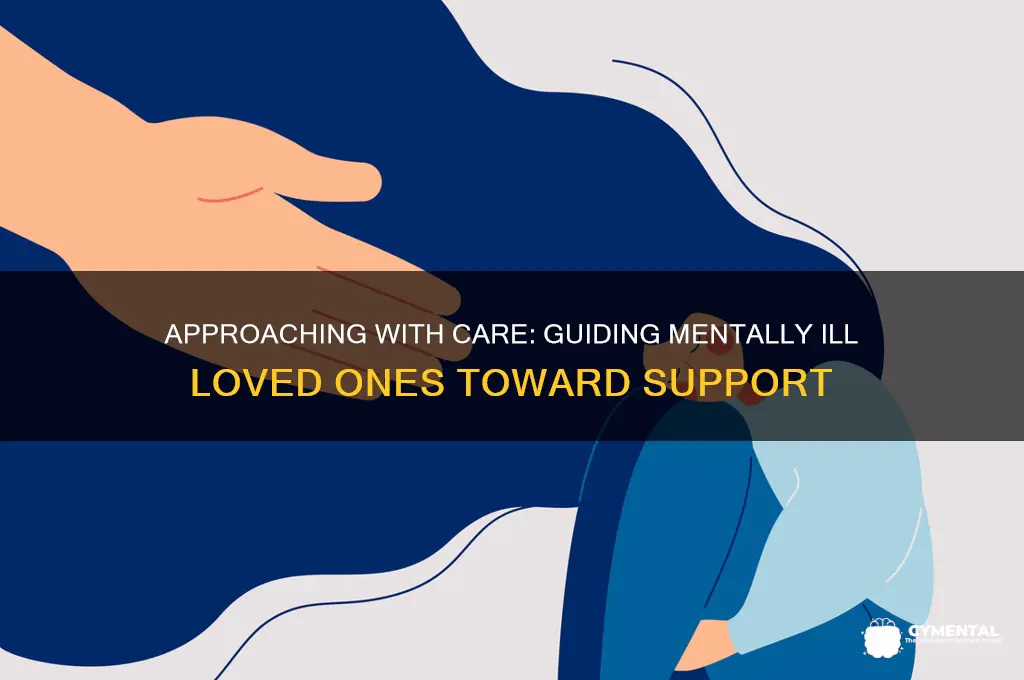
Approaching a conversation about seeking help with someone who may be struggling with mental illness requires sensitivity, empathy, and careful consideration. It’s essential to create a safe, non-judgmental space where the individual feels heard and supported, rather than criticized or pressured. Start by expressing genuine concern and using I statements to share your observations, such as, I’ve noticed you seem really overwhelmed lately, and I’m worried about you. Avoid labeling or diagnosing their behavior, and instead focus on specific examples of what you’ve observed. Encourage open dialogue by asking how they’re feeling and validating their emotions, while gently suggesting professional support as a positive step toward healing. Be patient, as they may not be ready to accept help immediately, and reassure them that seeking assistance is a sign of strength, not weakness. Offering to help them find resources or accompany them to an appointment can also make the process less daunting. Ultimately, the goal is to foster trust and let them know they’re not alone in their struggle.
| Characteristics | Values |
|---|---|
| Choose the Right Time and Place | Private, calm, and non-confrontational setting to ensure comfort and openness. |
| Use Empathy and Compassion | Approach with kindness, understanding, and without judgment. |
| Be Specific and Observational | Mention specific behaviors or changes noticed (e.g., "I’ve noticed you’ve been sleeping less"). |
| Avoid Labeling or Blaming | Focus on behaviors, not the person’s identity (e.g., avoid saying "You’re depressed"). |
| Express Concern, Not Criticism | Frame the conversation as coming from a place of care (e.g., "I’m worried about you"). |
| Offer Support, Not Solutions | Let them know you’re there to help without imposing solutions (e.g., "How can I support you?"). |
| Encourage Professional Help | Gently suggest seeking a therapist, counselor, or mental health professional. |
| Be Patient and Listen Actively | Allow them to express their feelings without interruption and validate their emotions. |
| Avoid Minimizing Their Experience | Acknowledge their struggles without dismissing them (e.g., avoid saying "It’s all in your head"). |
| Follow Up and Maintain Connection | Check in regularly to show ongoing support and care. |
| Educate Yourself | Learn about their condition to better understand their experience and communicate effectively. |
| Respect Their Autonomy | Allow them to make decisions about their care while offering guidance. |
| Stay Calm and Composed | Avoid reacting emotionally or becoming frustrated if they resist help. |
| Use "I" Statements | Frame concerns from your perspective (e.g., "I feel concerned when I see you struggling"). |
| Provide Resources | Share contact information for mental health services, hotlines, or support groups. |
| Be Prepared for Resistance | Understand they may not be ready to accept help and avoid pushing too hard. |
Explore related products


What You'll Learn
- Choose the Right Time: Pick a calm, private moment when they’re receptive to avoid defensiveness or stress
- Use Empathy & Kindness: Approach with compassion, avoiding judgment, and validate their feelings to build trust
- Be Specific & Clear: Share observable behaviors and concerns without labeling or blaming them directly
- Offer Supportive Options: Provide resources like therapy, helplines, or trusted professionals to guide them
- Prepare for Reactions: Stay patient if they deny help; let them know you’re there when they’re ready

Choose the Right Time: Pick a calm, private moment when they’re receptive to avoid defensiveness or stress
Timing is everything when approaching a conversation about mental health. Imagine trying to have a deep, vulnerable discussion in the middle of a chaotic day—it’s like planting a seed in rocky soil. The wrong moment can trigger defensiveness or overwhelm, shutting down any chance of connection. Instead, aim for a calm, private window when the person is emotionally receptive. For instance, after a shared meal or during a quiet evening walk, when their guard is naturally lower and their energy is more grounded. Avoid moments of high stress, like right before work or during an argument, as these can amplify anxiety and resistance.
Choosing the right time isn’t just about convenience—it’s about creating a safe emotional space. Think of it as setting the stage for a delicate conversation. If they’re preoccupied with a pressing task or distracted by noise, their focus will be split, and the message may land poorly. A private setting is equally crucial; public spaces can make them feel exposed or judged, even subconsciously. For example, a quiet corner at home or a secluded park bench can foster a sense of security, allowing them to process your words without added pressure.
Receptiveness is the key to unlocking a productive dialogue. Observe their body language and mood—are they relaxed, or are they tense and distracted? If they’re in a state of distress, it’s better to wait. A practical tip: ask open-ended questions like, “How are you feeling today?” to gauge their emotional state before diving in. If they seem open and at ease, that’s your cue. Conversely, if they’re irritable or withdrawn, postpone the conversation. Pushing too hard can backfire, reinforcing their reluctance to seek help.
Finally, consider the broader context of their life. Are they facing a major deadline, dealing with a personal crisis, or simply exhausted? Timing should account for these factors. For instance, approaching a student during exam season might add to their burden, while a weekend afternoon could provide a mental breather. The goal is to align the conversation with their emotional bandwidth, ensuring they feel supported rather than cornered. By respecting their rhythm, you demonstrate empathy—a cornerstone of effective communication about mental health.
Seeking Support: The Growing Trend of Professional Mental Health Care
You may want to see also
Explore related products


Use Empathy & Kindness: Approach with compassion, avoiding judgment, and validate their feelings to build trust
Mental illness often isolates individuals, making them feel misunderstood or judged. When approaching someone struggling with their mental health, your tone and demeanor can either deepen their isolation or begin to bridge the gap. Empathy and kindness are not just niceties; they are essential tools for creating a safe space where the person feels heard and valued. Start by acknowledging their emotions without dismissing or minimizing them. Phrases like, "I can see how hard this must be for you" or "It makes sense that you’d feel that way" validate their experience, signaling that you’re not there to criticize but to support.
Consider the scenario of a friend who’s withdrawn and expresses feelings of worthlessness. Instead of jumping to solutions or saying, "You’re so strong, you’ll get through this," try, "It sounds like you’re carrying a lot of pain right now, and I’m here to listen." This approach avoids platitudes and focuses on their emotional reality. Research shows that validation reduces defensiveness and fosters trust, making the person more receptive to seeking help. For instance, a study in *Psychotherapy Research* found that clients who felt understood by their therapists were more likely to engage in treatment.
Compassion requires active listening and patience. Avoid interrupting or shifting the focus to yourself, even if you mean well. For example, if someone shares their anxiety, resist the urge to say, "I get anxious too, but I just push through." Instead, ask open-ended questions like, "What does anxiety feel like for you?" or "How can I support you right now?" These questions demonstrate genuine interest and respect for their perspective. Practical tip: Maintain eye contact, nod, and use nonverbal cues like a gentle smile or a reassuring touch (if appropriate) to reinforce your empathy.
Judgment, even subtle, can derail the conversation. Phrases like, "You just need to think positively" or "Others have it worse" invalidate their struggle and may lead them to shut down. Instead, focus on their strengths and resilience. For instance, say, "I admire how you’ve been handling this despite how difficult it must be." This reframing encourages self-compassion and reminds them of their capacity to cope. Remember, the goal isn’t to "fix" them but to show that you’re an ally in their journey.
Building trust takes time, especially with someone who’s been stigmatized or misunderstood. Be consistent in your support, even if they don’t immediately respond. Small gestures, like checking in regularly or offering to accompany them to an appointment, can make a significant difference. For example, you could say, "I’d like to help you find a therapist if you’re open to it. No pressure, but I’m here whenever you’re ready." This approach respects their autonomy while leaving the door open for future conversations. Empathy and kindness aren’t just about what you say—they’re about creating a relationship where the person feels safe enough to consider the help they need.
Supporting Your Girlfriend’s Mental Health: Practical Ways to Show You Care
You may want to see also
Explore related products





Be Specific & Clear: Share observable behaviors and concerns without labeling or blaming them directly
Observation is key when approaching a conversation about mental health. Instead of relying on assumptions or generalizations, focus on what you’ve directly witnessed. For instance, rather than saying, “You seem depressed,” try, “I’ve noticed you’ve been staying in bed most mornings and skipping activities you used to enjoy.” This specificity grounds the conversation in reality, making it harder to dismiss or misinterpret. It also avoids the stigma often tied to mental health labels, which can trigger defensiveness. By anchoring your concern in observable actions, you create a shared starting point for dialogue.
The art of clarity lies in separating behavior from identity. When you say, “Your anger lately has been intense,” you’re addressing a pattern without attacking the person’s character. Contrast this with, “You’re so angry all the time,” which feels like a personal attack. The former invites reflection; the latter invites argument. A useful framework is the “XYZ” statement: “When you do X, in situation Y, I feel Z.” For example, “When you cancel plans last minute, like last Friday, I worry because it seems out of character.” This structure is factual, non-confrontational, and solution-oriented.
Consider the timing and context of your intervention. A teenager withdrawing from social media might be a red flag, but for an adult, it could be a healthy boundary. Age, culture, and life stage matter. For instance, a college student sleeping 12 hours a day might signal depression, while a new parent might simply be exhausted. Pairing observations with context ensures your concerns are relevant, not alarmist. For example, “Since your job changed shifts, I’ve noticed you’re more irritable and less engaged with the kids. I’m wondering if this is taking a toll.”
Avoid the trap of overloading with examples. Too many observations can feel like an ambush. Stick to 2–3 key behaviors and frame them as questions, not accusations. For instance, “I’ve noticed you’ve stopped going to your art classes, and you seem less interested in talking about your projects. Is something going on that’s making it hard to keep up with these things?” This approach invites openness rather than defensiveness. It also shifts the focus from “fixing” the person to understanding their experience, which is often the first step toward seeking help.
Finally, practice empathy in your tone and body language. Even the most carefully worded statement can falter if delivered harshly. Use a calm, non-judgmental tone, and maintain open, receptive body language. If the person becomes upset, acknowledge their feelings without backpedaling on your concerns. For example, “I understand this is hard to hear, and I’m not here to judge. I’m here because I care and want to support you.” This balance of firmness and compassion ensures your message is heard, not just delivered.
Empowering Lives: The Impact of Mental Health Resources on Well-being
You may want to see also
Explore related products


Offer Supportive Options: Provide resources like therapy, helplines, or trusted professionals to guide them
One of the most effective ways to support someone struggling with mental health is to offer concrete, accessible resources. Instead of leaving them with vague encouragement, provide specific options like therapy, helplines, or referrals to trusted professionals. For instance, mentioning a local therapist who specializes in anxiety or sharing the number for the National Alliance on Mental Illness (NAMI) helpline (1-800-950-NAMI) gives them actionable steps to take. This approach removes the burden of research and shows you’ve taken the time to consider their needs.
Consider the person’s preferences and circumstances when suggesting resources. For someone hesitant to seek in-person therapy, online platforms like BetterHelp or Talkspace could be a less intimidating starting point. If they’re in crisis, emphasize 24/7 options like the Crisis Text Line (text HOME to 741741) or the 988 Suicide & Crisis Lifeline. Tailoring your suggestions demonstrates empathy and increases the likelihood they’ll engage with the support offered.
While offering resources, avoid overwhelming them with too many choices. Start with two or three options and explain the benefits of each. For example, therapy can provide long-term coping strategies, while helplines offer immediate emotional relief. If they’re open to it, offer to help them make the first call or schedule an appointment, as the initial step is often the hardest. Remember, the goal is to empower, not pressure—let them decide which path feels right for them.
Finally, be prepared for resistance or hesitation. Some individuals may feel stigmatized or believe they don’t “deserve” help. In these cases, frame the resources as tools for self-care rather than a sign of weakness. Share stories or statistics that normalize seeking help, such as the fact that 1 in 5 adults in the U.S. experiences mental illness annually. By presenting these options as a natural part of self-improvement, you can help shift their perspective and encourage them to take that first step.
Boost Your Mind: Mental Benefits of Regular Exercise Revealed
You may want to see also
Explore related products


Prepare for Reactions: Stay patient if they deny help; let them know you’re there when they’re ready
Denial is a common response when someone is confronted about their mental health struggles. It’s a defense mechanism, a way to protect themselves from the overwhelming reality of their situation. Understanding this can help you approach the conversation with empathy rather than frustration. When you suggest they need help, they might react with anger, withdrawal, or outright rejection. This doesn’t mean your efforts are in vain; it means they’re not ready yet. Patience is your greatest tool here.
Consider the analogy of a person trapped in quicksand. Pushing them to accept help too forcefully can cause them to resist further, sinking deeper into denial. Instead, stand firm but gentle, letting them know you’re there to throw them a rope when they’re ready to grab it. This approach requires emotional stamina, as it may take days, weeks, or even months for them to acknowledge their need for support. Use this time to reinforce your presence, not your advice. Simple, consistent messages like, “I’m here for you whenever you’re ready,” can create a safe space for them to eventually open up.
One practical strategy is to avoid framing the conversation as an ultimatum or a problem to solve. Instead, focus on expressing concern and offering options without attachment to the outcome. For example, instead of saying, “You need therapy,” try, “If you ever want to talk to someone professionally, I can help you find a therapist.” This shifts the power back to them, reducing the likelihood of defensiveness. Similarly, avoid phrases like, “You’re not acting like yourself,” which can feel dismissive of their current reality.
It’s also crucial to manage your own expectations. You cannot force someone to accept help, no matter how much you care. Your role is to be a steady presence, not a savior. If they repeatedly deny assistance, take care of your own mental health by setting boundaries. For instance, you might say, “I’m here to listen, but I can’t engage in conversations that feel harmful to me.” This protects both parties while maintaining the relationship.
Finally, remember that denial often stems from fear—fear of stigma, fear of change, or fear of losing control. By staying patient and nonjudgmental, you model the kind of understanding they may eventually seek. Let your actions communicate that seeking help is a sign of strength, not weakness. Over time, your consistent support can become the catalyst that encourages them to take the first step toward healing.
Early Rising: Boosting Mental Health Through Morning Routines
You may want to see also
Frequently asked questions
Choose a calm, private moment and express your concern in a gentle, non-judgmental way. Use "I" statements to share your observations and feelings, such as, "I’ve noticed you’ve been struggling lately, and I’m worried about you." Be patient and listen without interrupting.
Stay calm and validate their feelings, acknowledging that it’s okay to feel overwhelmed or unsure. Avoid arguing or forcing the issue. Instead, let them know you’re there to support them whenever they’re ready to talk or seek help. Offer specific resources, like a therapist’s contact information, and follow up gently.
Frame seeking help as a positive step toward feeling better, emphasizing that it’s a sign of strength, not weakness. Share stories of others who have benefited from therapy or treatment, if appropriate. Offer to accompany them to an appointment or help them find a provider, but respect their autonomy and decisions.


![Alien Intervention [DVD]](https://m.media-amazon.com/images/I/51jfPBXc1dL._AC_UY218_.jpg)