Caleb Wright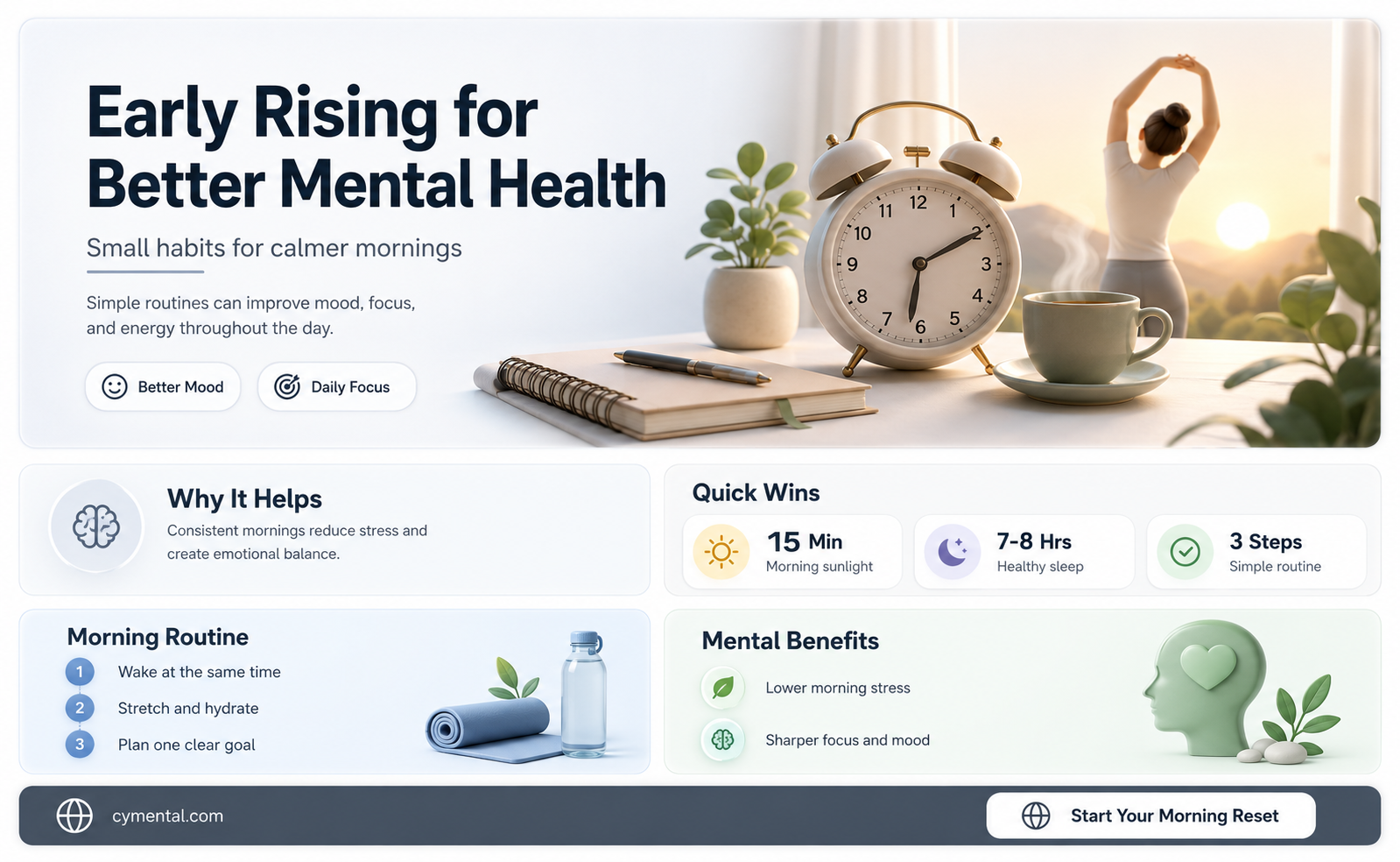
Waking up early has long been associated with productivity and success, but its impact on mental health is a topic of growing interest. Research suggests that early risers often experience improved mood, reduced stress, and better overall mental well-being. The practice of rising early aligns with our body’s natural circadian rhythm, promoting better sleep quality and increased exposure to morning light, which can boost serotonin levels. Additionally, starting the day with a sense of calm and extra time for self-care activities, such as meditation or exercise, can foster a more positive mindset. However, the effectiveness of waking up early on mental health may vary depending on individual sleep needs and lifestyle, making it essential to consider personal factors when adopting this habit.
Explore related products


What You'll Learn
- Improved Mood Regulation: Early risers often report better mood stability due to consistent circadian rhythm alignment
- Reduced Stress Levels: Morning routines allow for calm preparation, lowering cortisol and anxiety throughout the day
- Enhanced Productivity: More time for tasks reduces overwhelm, fostering a sense of accomplishment and mental clarity
- Better Sleep Quality: Waking early reinforces a healthy sleep cycle, improving overall mental well-being
- Increased Mindfulness: Mornings offer quiet moments for reflection, meditation, or journaling, boosting mental resilience

Improved Mood Regulation: Early risers often report better mood stability due to consistent circadian rhythm alignment
The human body thrives on rhythm, and our circadian rhythm, the internal clock governing sleep-wake cycles, is no exception. Early risers, by aligning their daily routines with this natural rhythm, often experience a notable benefit: improved mood regulation. This isn't merely anecdotal; research suggests a strong link between consistent wake times and emotional stability.
A study published in the *Journal of Psychiatric Research* found that individuals with irregular sleep patterns were more prone to mood disorders like depression and anxiety. Conversely, those who maintained a regular sleep schedule, typically waking early, reported higher levels of emotional well-being. This correlation highlights the importance of circadian rhythm alignment in maintaining a balanced mood.
Imagine your body as a finely tuned orchestra. Each musician (organ system) relies on a conductor (circadian rhythm) to ensure harmony. When the conductor is inconsistent, the performance suffers. Similarly, irregular sleep disrupts the delicate balance of hormones and neurotransmitters that regulate mood. Cortisol, the stress hormone, peaks in the morning, promoting alertness. Melatonin, the sleep hormone, rises in the evening, inducing relaxation. Early risers, by adhering to this natural cycle, allow these hormones to function optimally, leading to a more stable emotional state.
For those struggling with mood fluctuations, establishing a consistent sleep schedule, aiming for a wake-up time within an hour of sunrise, can be a powerful tool. This doesn't mean becoming a dawn patroller overnight. Start by gradually adjusting your bedtime and wake-up time by 15-minute increments until you reach your desired schedule. Consistency is key; aim for the same wake-up time seven days a week, even on weekends.
While waking up early isn't a cure-all for mental health issues, it can be a valuable component of a holistic approach. Combining early rising with other mood-boosting strategies like regular exercise, a balanced diet, and stress management techniques can significantly enhance overall well-being. Remember, listening to your body's natural rhythm and prioritizing consistent sleep are essential steps towards achieving emotional stability and a brighter, more balanced mood.
Love's Healing Power: Can Emotional Support Ease Mental Illness?
You may want to see also
Explore related products


Reduced Stress Levels: Morning routines allow for calm preparation, lowering cortisol and anxiety throughout the day
Waking up early and establishing a morning routine can significantly reduce stress levels by creating a buffer against the day’s unpredictability. Cortisol, often called the stress hormone, naturally peaks in the morning to prepare the body for activity. However, a rushed start can spike cortisol excessively, leaving you in a heightened state of anxiety. By rising early, you allow cortisol levels to follow their natural rhythm, avoiding the jarring surge that comes with scrambling to meet deadlines. Studies show that individuals who start their day calmly report lower perceived stress, even when faced with challenging tasks later on.
Consider this practical approach: allocate the first 30–60 minutes of your morning to activities that promote relaxation and focus. For instance, spending 10 minutes on deep breathing exercises or meditation can lower cortisol by activating the parasympathetic nervous system, which counteracts stress responses. Pair this with a structured routine—such as preparing breakfast, journaling, or light stretching—to create a sense of control and predictability. This calm preparation acts as a psychological anchor, reducing the likelihood of feeling overwhelmed as the day progresses.
A comparative analysis reveals the stark difference between early risers and those who wake up just in time for obligations. The former often report feeling more composed and proactive, while the latter frequently experience a reactive mindset, constantly playing catch-up. For example, a 2021 study published in *Frontiers in Psychology* found that individuals who engaged in morning routines had 25% lower cortisol levels by midday compared to those without structured mornings. This suggests that the cumulative effect of calm preparation in the morning translates to sustained stress reduction throughout the day.
However, implementing such a routine requires intentionality. Start by setting your alarm 15 minutes earlier each week until you reach your desired wake-up time. Avoid checking emails or social media immediately upon waking, as these can trigger stress responses. Instead, prioritize activities that ground you, such as sipping tea, reading, or practicing gratitude. For parents or busy professionals, even 10 minutes of quiet time can make a difference. The key is consistency—a routine practiced daily reinforces its stress-reducing benefits over time.
In conclusion, waking up early and adopting a morning routine is a powerful tool for managing stress. By lowering cortisol levels through calm preparation, you create a mental buffer that enhances resilience to daily pressures. This approach is not about adding more tasks to your day but about reclaiming time for intentional, stress-reducing practices. Small, consistent changes in your morning habits can lead to significant improvements in mental health and overall well-being.
Exercise and Diet: Powerful Allies in Mental Health Recovery
You may want to see also
Explore related products


Enhanced Productivity: More time for tasks reduces overwhelm, fostering a sense of accomplishment and mental clarity
Waking up early grants you a head start on the day, carving out uninterrupted hours before the world fully awakens. This quiet time becomes a sanctuary for productivity, allowing you to tackle tasks with laser focus. Imagine sipping coffee while responding to emails, drafting a project outline, or even squeezing in a short workout – all before most people hit snooze.
This extended timeframe directly combats the feeling of being constantly behind. By chipping away at your to-do list early, you prevent tasks from piling up, a major contributor to overwhelm and anxiety.
Think of it as a mental decluttering. Each completed task is a victory, a tangible representation of progress. This sense of accomplishment, fueled by early morning productivity, acts as a powerful antidote to the stress and negativity that can cloud our minds. Studies show that individuals who consistently achieve their goals, no matter how small, experience higher levels of self-esteem and overall life satisfaction.
To maximize this benefit, structure your early hours strategically. Dedicate the first 30-60 minutes to high-priority tasks requiring deep concentration. This "power hour" sets a productive tone for the day. Follow it with less demanding activities like planning or light exercise. Remember, the goal isn't to pack every minute, but to create a sense of control and achievement.
While the allure of extra sleep is strong, consider the long-term mental health benefits of early rising. By investing in focused morning productivity, you're not just gaining time; you're investing in a calmer, more fulfilled state of mind. Start small, gradually adjusting your wake-up time, and witness the transformative power of a well-structured morning routine.
Can ERs Provide Mental Health Support in Crisis Situations?
You may want to see also
Explore related products





Better Sleep Quality: Waking early reinforces a healthy sleep cycle, improving overall mental well-being
Waking up early isn’t just about catching the sunrise; it’s a cornerstone of better sleep quality. When you consistently rise at the same time each morning, your body’s internal clock, or circadian rhythm, synchronizes more effectively. This alignment ensures that your sleep-wake cycle operates like a well-oiled machine, promoting deeper, more restorative sleep. Research shows that individuals who maintain a regular wake-up time experience fewer sleep disturbances and improved sleep efficiency, which is the percentage of time spent asleep while in bed. For adults aged 18–64, aiming for 7–9 hours of sleep per night becomes more achievable when this rhythm is stabilized.
To harness this benefit, start by setting a consistent wake-up time, even on weekends. Gradually adjust your bedtime to ensure you’re getting the recommended hours of sleep. For example, if you aim to wake at 6:00 AM, a bedtime between 9:30 PM and 11:00 PM works best. Avoid hitting the snooze button, as it disrupts your body’s natural wake signal and can lead to grogginess. Pair this routine with a calming pre-sleep ritual, such as reading or meditation, to signal to your body that bedtime is approaching.
A comparative look at early risers versus late sleepers reveals stark differences in sleep quality. Early risers often report feeling more refreshed and alert during the day, while late sleepers frequently experience sleep inertia—that groggy, disoriented feeling upon waking. This disparity isn't just anecdotal; studies indicate that early risers have lower levels of sleep debt, a cumulative effect of not getting enough sleep. Over time, chronic sleep debt can lead to mood disorders, cognitive impairment, and weakened immune function, underscoring the mental health benefits of a consistent early wake time.
However, it’s crucial to avoid the pitfall of sacrificing sleep duration for an early start. Waking up at 5:00 AM is pointless if you’re only getting 5 hours of sleep. Prioritize both sleep duration and consistency. If you’re struggling to adjust, consider incremental changes. For instance, shift your wake-up time 15 minutes earlier each week until you reach your target. Additionally, monitor your environment—ensure your bedroom is dark, quiet, and cool to support uninterrupted sleep.
The takeaway is clear: waking up early isn’t just about starting your day sooner; it’s about optimizing your sleep cycle for better mental well-being. By reinforcing a healthy circadian rhythm, you’ll experience improved sleep quality, which in turn enhances mood, focus, and resilience to stress. It’s a simple yet powerful habit that pays dividends in both physical and mental health. Start small, stay consistent, and let the science of sleep work in your favor.
Seeking Mental Health Support: Can 111 Be a Helpful Resource?
You may want to see also
Explore related products

$14.99 $20.37


Increased Mindfulness: Mornings offer quiet moments for reflection, meditation, or journaling, boosting mental resilience
The stillness of early morning, before the world fully awakens, provides a rare opportunity for uninterrupted mindfulness. This quiet time allows for reflection, meditation, or journaling, practices that have been shown to enhance mental resilience. Research suggests that engaging in mindfulness activities for as little as 10 minutes daily can reduce stress and improve emotional regulation. Mornings, with their natural calm, offer an ideal setting to cultivate these habits, setting a positive tone for the day.
To harness this potential, start by setting a consistent wake-up time, ideally between 5:30 and 6:30 AM, to align with the body’s natural circadian rhythm. Upon waking, avoid reaching for your phone or engaging in stimulating activities. Instead, dedicate the first 15–20 minutes to a mindfulness practice. For beginners, guided meditation apps like Headspace or Calm can provide structure. Alternatively, journaling prompts such as "What am I grateful for today?" or "What is one goal I want to focus on?" can anchor your thoughts and foster clarity.
Comparing morning mindfulness to evening practices reveals distinct advantages. While nighttime reflection can be beneficial, it often competes with fatigue and the distractions of winding down. Mornings, by contrast, offer a fresh mental slate, free from the accumulated stressors of the day. Studies show that individuals who practice mindfulness in the morning report higher levels of focus and productivity throughout the day, underscoring the unique benefits of this timing.
Practical tips can further enhance the effectiveness of morning mindfulness. Create a dedicated space, even if it’s just a corner of your room, with minimal distractions. Incorporate sensory elements like soft lighting or calming scents to signal to your brain that it’s time to focus inward. For those aged 18–35, combining mindfulness with light stretching or yoga can amplify both physical and mental benefits. Consistency is key—even on busy days, a shortened 5-minute practice is better than skipping it entirely.
In conclusion, mornings are a powerful yet underutilized resource for boosting mental resilience through mindfulness. By carving out quiet moments for reflection, meditation, or journaling, you can build emotional strength and clarity. Start small, stay consistent, and let the tranquility of early hours become your daily sanctuary for mental well-being.
Inpatient Mental Health Facilities: Effective Treatment or Temporary Relief?
You may want to see also
Frequently asked questions
Waking up early can positively impact mental health by promoting a sense of accomplishment, reducing stress, and allowing more time for self-care activities like exercise or mindfulness.
Early mornings often align with natural circadian rhythms, leading to improved mood, increased energy, and better focus throughout the day.
Establishing a consistent early morning routine can help regulate sleep patterns, which is linked to reduced symptoms of anxiety and depression for some individuals.
If waking up early disrupts your sleep quality or causes fatigue, it may negatively impact mental health. It’s essential to prioritize adequate sleep and find a schedule that works for you.