Lucas Bennett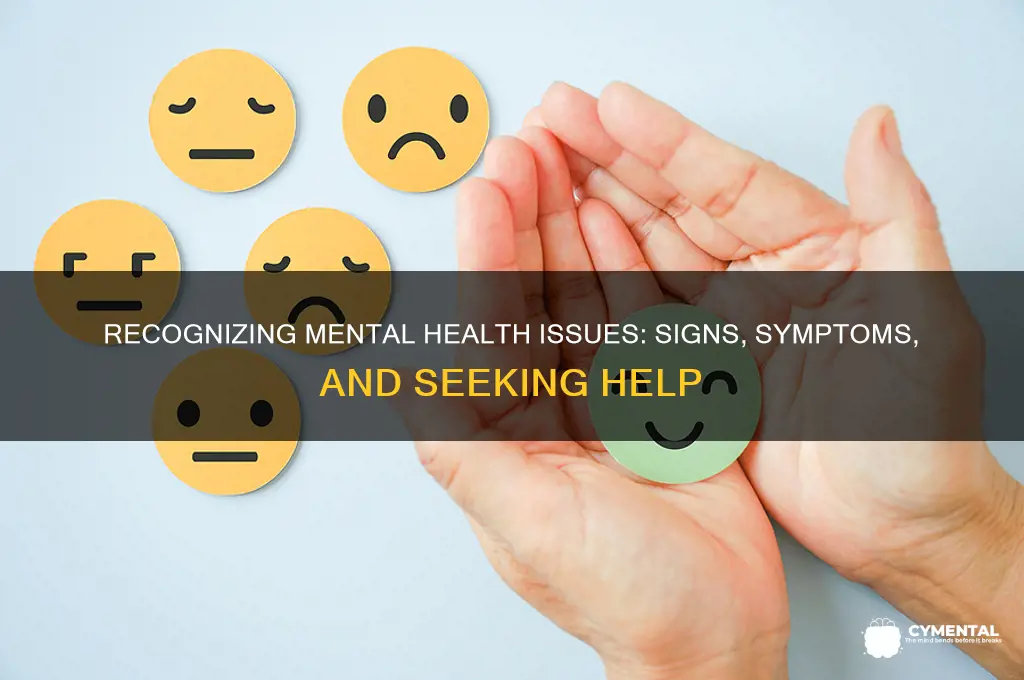
Recognizing whether you have a mental health issue can be challenging, as symptoms often manifest subtly and vary widely from person to person. Common signs include persistent feelings of sadness, anxiety, or irritability, changes in sleep or appetite, difficulty concentrating, and withdrawal from social activities. Physical symptoms like unexplained aches or fatigue may also accompany emotional distress. If these issues interfere with daily functioning, relationships, or overall well-being, it may indicate an underlying mental health concern. Self-reflection, journaling, and seeking feedback from trusted individuals can help clarify patterns, but consulting a mental health professional is crucial for an accurate assessment and appropriate support. Early recognition and intervention are key to managing and improving mental health effectively.
Explore related products


What You'll Learn
- Recognizing Emotional Changes: Persistent sadness, irritability, or mood swings may indicate underlying mental health concerns
- Physical Symptoms: Headaches, fatigue, or sleep disturbances can be linked to mental health issues
- Social Withdrawal: Avoiding friends, family, or activities you once enjoyed is a common sign
- Cognitive Changes: Difficulty concentrating, memory issues, or racing thoughts may signal a problem
- Behavioral Shifts: Increased substance use, aggression, or self-harm are red flags to watch

Recognizing Emotional Changes: Persistent sadness, irritability, or mood swings may indicate underlying mental health concerns
Emotional fluctuations are a natural part of life, but when persistent sadness, irritability, or mood swings dominate your days, they may signal something deeper. These changes often manifest as a lingering heaviness, a quick temper over minor issues, or unpredictable emotional shifts that disrupt daily functioning. Recognizing these patterns is the first step in addressing potential mental health concerns. Unlike fleeting emotions tied to specific events, these symptoms persist, often intensifying over weeks or months, and can interfere with relationships, work, or self-care.
Consider this scenario: a 28-year-old professional notices they’ve been crying at their desk for no apparent reason, snapping at colleagues, and feeling numb during weekends. These aren’t just "bad days"—they’re a consistent state. Tracking such changes using a mood journal can help differentiate between normal emotional responses and persistent issues. Apps like Daylio or Moodpath offer structured ways to monitor emotions, providing data to share with a healthcare provider. If sadness lasts more than two weeks or irritability leads to frequent conflicts, it’s time to investigate further.
Analytically, these emotional changes often stem from imbalances in brain chemistry, hormonal shifts, or unresolved trauma. For instance, prolonged stress can deplete serotonin and dopamine, neurotransmitters crucial for mood regulation. Women aged 20–40 are particularly susceptible to mood disorders due to hormonal fluctuations, while men may internalize irritability, masking underlying depression. Understanding these biological and social factors underscores why professional assessment is essential. Self-diagnosis is risky; a therapist or psychiatrist can differentiate between situational distress and clinical conditions like major depressive disorder or bipolar II.
Persuasively, ignoring these signs can lead to worsening symptoms and long-term consequences. Persistent sadness may evolve into clinical depression, while unchecked irritability can strain relationships irreparably. Early intervention—whether therapy, medication, or lifestyle adjustments—can mitigate these risks. For example, cognitive-behavioral therapy (CBT) has proven effective in reshaping negative thought patterns, while selective serotonin reuptake inhibitors (SSRIs) can restore chemical balance. Practical steps include prioritizing sleep (7–9 hours nightly), incorporating 30 minutes of daily exercise, and limiting alcohol, which exacerbates mood instability.
Comparatively, emotional changes in mental health issues differ from those in physical illnesses. While fatigue from the flu resolves with rest, mental health-related fatigue persists despite adequate sleep. Similarly, irritability in hypothyroidism improves with medication, whereas mood-related irritability may require targeted psychological interventions. This distinction highlights the need for a holistic approach—one that considers both mind and body. By acknowledging these differences, individuals can seek appropriate care, ensuring emotional changes are addressed comprehensively rather than dismissed as transient or purely physical.
Supporting Loved Ones: Strategies for Navigating Mental Health Challenges
You may want to see also
Explore related products


Physical Symptoms: Headaches, fatigue, or sleep disturbances can be linked to mental health issues
The body often speaks louder than words, especially when it comes to mental health. Persistent physical symptoms like headaches, unexplained fatigue, or erratic sleep patterns can be the body’s way of signaling underlying emotional distress. For instance, tension headaches—often described as a tight band around the head—are frequently linked to stress or anxiety. Similarly, chronic fatigue that doesn’t improve with rest may stem from depression, where the mind’s exhaustion manifests physically. Sleep disturbances, whether insomnia or oversleeping, are equally telling; they often accompany conditions like PTSD, bipolar disorder, or generalized anxiety. Recognizing these symptoms as potential red flags is the first step in addressing both physical discomfort and mental well-being.
To assess whether these symptoms are tied to mental health, consider their context and persistence. Headaches that coincide with stressful periods or deadlines, fatigue that worsens during emotionally taxing times, or sleep issues that flare up after traumatic events are strong indicators. For example, a 30-year-old professional experiencing daily headaches and insomnia might trace these symptoms back to workplace stress or unresolved anxiety. Practical steps include keeping a symptom journal to track patterns, noting triggers, and monitoring how these physical issues correlate with mood or life events. If symptoms persist for more than two weeks despite lifestyle adjustments, consulting a healthcare provider is crucial.
From a comparative standpoint, physical symptoms of mental health issues often mimic those of medical conditions, making diagnosis tricky. For instance, fatigue in depression can resemble chronic fatigue syndrome, while sleep disturbances might be mistaken for sleep apnea. However, mental health-related symptoms typically lack specific medical markers and are often accompanied by emotional changes like irritability, hopelessness, or disinterest in activities. A key differentiator is the presence of psychological stressors or trauma. For example, a teenager with sudden sleep disturbances and fatigue might be grappling with academic pressure or social anxiety, rather than a sleep disorder.
Persuasively, ignoring these physical symptoms can exacerbate both mental and physical health. Untreated headaches may lead to medication overuse, fatigue can impair daily functioning, and sleep disturbances increase the risk of chronic conditions like hypertension or diabetes. Addressing the root cause—often mental health—is more effective than symptom management alone. Practical tips include incorporating stress-reduction techniques like mindfulness or yoga, maintaining a consistent sleep schedule, and limiting caffeine intake, especially after 2 PM. For those over 18, cognitive-behavioral therapy (CBT) has proven effective in breaking the cycle of stress-induced physical symptoms.
In conclusion, physical symptoms like headaches, fatigue, and sleep disturbances are not always isolated ailments; they can be the body’s response to mental health struggles. By observing patterns, seeking professional guidance, and adopting holistic strategies, individuals can address these symptoms at their source. Remember, the mind and body are interconnected—caring for one often means tending to the other.
Contacting Your Precinct for Mental Health Support: A Step-by-Step Guide
You may want to see also
Explore related products


$19.9 $23.6


Social Withdrawal: Avoiding friends, family, or activities you once enjoyed is a common sign
Social withdrawal often begins subtly—skipping a weekly coffee date, declining invitations without a second thought, or letting hobbies gather dust. At first, it might seem like a harmless preference for solitude, but when avoiding friends, family, or once-loved activities becomes a pattern, it could signal an underlying mental health issue. This behavior isn’t just about being introverted; it’s about a persistent disconnection that feels involuntary, exhausting, or isolating. Recognizing this shift is the first step in understanding whether it’s a temporary phase or something more serious.
Consider the mechanics of social withdrawal as a symptom. It often stems from emotional exhaustion, anxiety, or depression, where the brain perceives social interaction as a threat or an insurmountable task. For example, someone with generalized anxiety disorder might avoid gatherings due to fear of judgment, while someone with depression may lack the energy to engage. Even adolescents, who naturally seek independence, should be monitored if their withdrawal is accompanied by mood changes or declining academic performance. Tracking the frequency and duration of these behaviors—say, noticing you’ve declined three invitations in a row or haven’t left the house in a week—can help differentiate between normal self-care and a red flag.
Persuading someone (or yourself) to re-engage socially when they’re withdrawn can feel like pushing a boulder uphill. However, small, structured steps can make a difference. Start with low-stakes interactions, like a 15-minute walk with a close friend or joining a virtual group aligned with a past interest. For those supporting a withdrawn loved one, avoid phrases like “You’re being antisocial”—instead, use open-ended questions like, “How can I help you feel more comfortable?” Pairing social re-engagement with professional support, such as cognitive-behavioral therapy, can address the root causes while rebuilding social muscles.
Comparing social withdrawal to physical pain can offer a useful perspective. Just as chronic pain signals an injury, persistent withdrawal often indicates emotional distress. Imagine ignoring a sprained ankle—it wouldn’t heal on its own, and the pain would worsen. Similarly, untreated social withdrawal can deepen isolation, reinforcing negative thought patterns. Early intervention, whether through therapy, medication, or lifestyle changes, is key. Think of it as physical rehab for the mind: gradual, consistent, and tailored to individual needs.
Finally, a descriptive lens reveals the emotional landscape of withdrawal. Picture a once-vibrant room now dimly lit, its occupants replaced by silence. This isn’t a choice but a symptom of a mind overwhelmed, like a circuit breaker tripping to prevent overload. The takeaway? Social withdrawal isn’t a character flaw—it’s a call for help. By acknowledging it, seeking support, and taking small, deliberate steps toward reconnection, individuals can begin to restore the light to that room, one interaction at a time.
Supporting Employees: Effective Performance Management for Mental Health Challenges
You may want to see also
Explore related products


Cognitive Changes: Difficulty concentrating, memory issues, or racing thoughts may signal a problem
Cognitive changes can be subtle yet profound indicators of underlying mental health issues. Difficulty concentrating, memory lapses, and racing thoughts often emerge as early warning signs, disrupting daily functioning and signaling the need for attention. These symptoms can manifest in various ways: struggling to follow a conversation, forgetting important tasks, or experiencing a relentless stream of thoughts that interfere with sleep. While occasional cognitive lapses are normal, persistent or worsening symptoms warrant closer examination. Recognizing these changes early can be the first step toward addressing potential mental health challenges.
Consider the practical implications of these cognitive shifts. For instance, a student who once excelled academically might find themselves unable to focus during lectures or retain information for exams. Similarly, a professional might notice increased difficulty in decision-making or organizing tasks at work. These changes can lead to frustration, decreased productivity, and heightened stress, creating a cycle that exacerbates the underlying issue. Tracking these symptoms over time—using a journal or digital app—can provide valuable insights into patterns and triggers, helping individuals and healthcare providers identify whether these changes are transient or indicative of a deeper problem.
From a comparative perspective, cognitive changes in mental health often mirror those seen in physical conditions like sleep deprivation or thyroid disorders, making diagnosis complex. However, mental health-related cognitive issues tend to co-occur with emotional symptoms such as anxiety or depression. For example, racing thoughts are commonly associated with anxiety disorders, while memory issues may accompany depressive episodes. Understanding this overlap is crucial for accurate self-assessment. If cognitive symptoms persist despite adequate sleep, nutrition, and physical health, it may be time to consult a mental health professional for a thorough evaluation.
Addressing cognitive changes requires a multifaceted approach. Practical strategies include prioritizing sleep hygiene, as poor sleep can significantly impair concentration and memory. Incorporating mindfulness practices, such as meditation or deep-breathing exercises, can help manage racing thoughts and improve focus. For those experiencing severe symptoms, cognitive-behavioral therapy (CBT) has proven effective in restructuring thought patterns and enhancing mental clarity. Additionally, maintaining a balanced diet rich in omega-3 fatty acids and antioxidants can support brain health. While these steps can alleviate symptoms, they are not substitutes for professional treatment when needed.
In conclusion, cognitive changes like difficulty concentrating, memory issues, or racing thoughts should not be dismissed as minor inconveniences. They can serve as critical indicators of mental health issues, particularly when they persist and interfere with daily life. By recognizing these signs, tracking their progression, and adopting targeted strategies, individuals can take proactive steps toward managing their mental well-being. Early intervention, whether through self-care practices or professional support, can make a significant difference in mitigating the impact of these symptoms and fostering long-term mental health.
Navigating Mental Health Conversations: Crafting a Professional Email to Your Boss
You may want to see also
Explore related products


Behavioral Shifts: Increased substance use, aggression, or self-harm are red flags to watch
Substance use, aggression, and self-harm are not merely isolated actions but often interconnected symptoms of underlying mental health struggles. When these behaviors escalate, they serve as critical red flags that demand attention. For instance, a person who starts drinking daily after years of occasional use, or someone who suddenly lashes out physically during minor disagreements, may be coping with overwhelming emotional pain. These shifts are not random; they are cries for help, signaling that internal distress has reached a breaking point.
Consider the mechanics of substance use as a coping mechanism. Alcohol, for example, is a depressant that temporarily numbs emotional pain but disrupts neurotransmitter balance over time. Studies show that even moderate increases in alcohol consumption—such as going from 2 drinks per week to 14—can exacerbate anxiety and depression. Similarly, aggression often stems from an inability to regulate emotions, a hallmark of conditions like borderline personality disorder or PTSD. Self-harm, whether through cutting, burning, or other methods, releases endorphins that provide fleeting relief, reinforcing the behavior despite its long-term harm.
To address these red flags effectively, start by tracking patterns. Keep a journal noting when and why these behaviors occur. For substance use, note the quantity and frequency; for aggression, log triggers and intensity; for self-harm, document the method and aftermath. This data provides clarity for both the individual and mental health professionals. Practical steps include setting small, achievable goals, such as reducing alcohol intake by one drink per day or practicing deep-breathing exercises when anger arises. Apps like Calm or Headspace can aid in emotional regulation, while support groups like AA or DBT (Dialectical Behavior Therapy) groups offer structured guidance.
However, caution is essential. Confronting these behaviors alone can be dangerous, especially if self-harm or substance use has become severe. For example, abruptly quitting alcohol after heavy, prolonged use can lead to life-threatening withdrawal symptoms like seizures. Similarly, suppressing aggression without addressing its root cause can result in explosive outbursts later. Always seek professional help when these behaviors intensify. Therapists can provide tailored strategies, such as cognitive-behavioral therapy for aggression or medication-assisted treatment for substance use disorders.
In conclusion, behavioral shifts like increased substance use, aggression, or self-harm are not character flaws but symptoms of deeper distress. By recognizing these red flags early, tracking patterns, and seeking appropriate support, individuals can disrupt harmful cycles and begin the journey toward healing. Remember, acknowledging these changes is the first step—and often the bravest—toward reclaiming mental health.
Stigma Behind Bars: Society's Perception of Mental Health in Prisons
You may want to see also
Frequently asked questions
If you experience persistent changes in mood, behavior, or thinking that interfere with daily life, relationships, or work, it may indicate a mental health issue. Common signs include prolonged sadness, anxiety, irritability, withdrawal from social activities, or difficulty concentrating.
Yes, mental health issues can manifest physically. Symptoms like headaches, stomachaches, fatigue, sleep disturbances, or changes in appetite can be linked to conditions like anxiety, depression, or stress.
Symptoms typically need to persist for at least two weeks to be concerning, though this varies by condition. If symptoms significantly impact your functioning or well-being, it’s important to seek help regardless of duration.
Yes, prolonged stress, trauma, or major life changes (e.g., loss of a loved one, job change) can trigger or worsen mental health issues. However, not everyone who experiences stress develops a mental health condition.
Seek help if symptoms persist, worsen, or interfere with your life. Warning signs include suicidal thoughts, severe anxiety, inability to function, or substance abuse. Early intervention can improve outcomes.