Noah Parker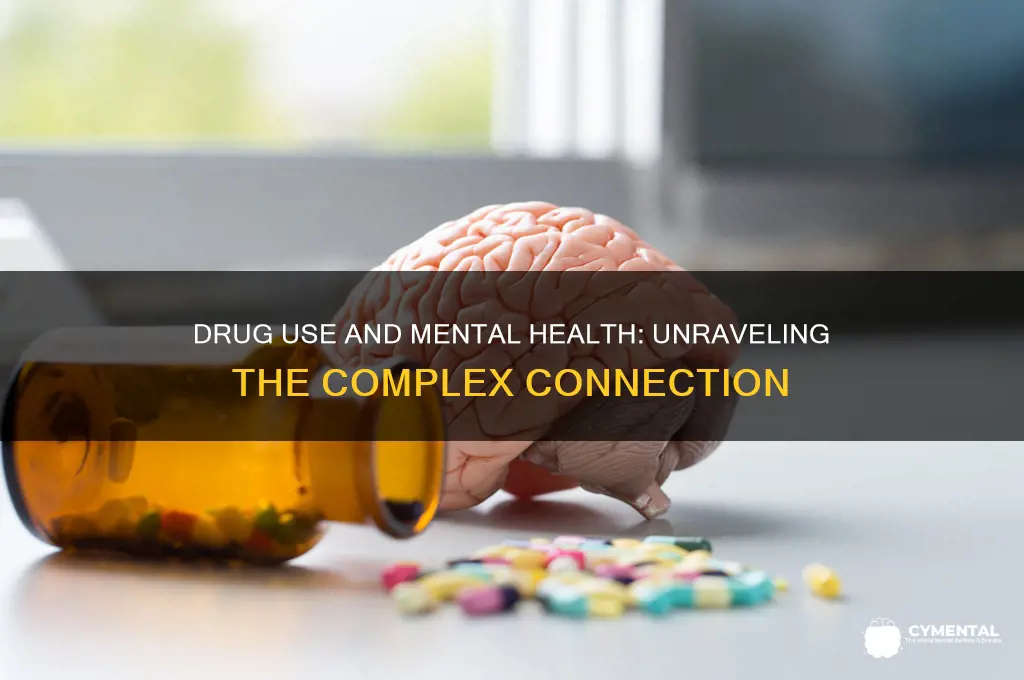
The question of whether drug use constitutes a mental health issue is complex and multifaceted, as it intersects with biological, psychological, and social factors. While not all drug use leads to mental health disorders, substance abuse often coexists with conditions like depression, anxiety, or PTSD, creating a cycle where one exacerbates the other. Additionally, prolonged drug use can alter brain chemistry, leading to addiction, which is itself classified as a mental health disorder by diagnostic manuals such as the DSM-5. However, societal stigma often labels drug users as morally deficient rather than recognizing the underlying mental health struggles that may drive their behavior. Understanding this relationship is crucial for developing effective treatment strategies that address both addiction and its psychological roots, emphasizing compassion and evidence-based care over punitive measures.
| Characteristics | Values |
|---|---|
| Comorbidity | Approximately 50% of individuals with a substance use disorder (SUD) also have a co-occurring mental health disorder (e.g., depression, anxiety, bipolar disorder). |
| Causation | Drug use can both precipitate and exacerbate mental health issues. Conversely, pre-existing mental health conditions can increase the risk of drug use as a form of self-medication. |
| Neurological Impact | Chronic drug use alters brain structure and function, affecting areas responsible for decision-making, impulse control, and emotional regulation, which are also implicated in mental health disorders. |
| Genetic Predisposition | Genetic factors account for 40-60% of the risk for both SUD and mental health disorders, suggesting shared vulnerabilities. |
| Environmental Factors | Trauma, stress, and social environment play significant roles in both drug use and mental health issues, often interacting to increase risk. |
| Treatment Approach | Integrated treatment addressing both SUD and mental health disorders simultaneously is most effective, with a focus on therapy, medication, and support systems. |
| Prevalence | Globally, over 20 million people have both a SUD and a mental health disorder, highlighting the interconnectedness of these issues. |
| Stigma | Stigma surrounding both drug use and mental health often prevents individuals from seeking help, worsening outcomes. |
| Developmental Impact | Early drug use in adolescence increases the risk of developing mental health disorders later in life due to ongoing brain development. |
| Relapse Rates | Relapse rates for SUD are higher when co-occurring mental health disorders are untreated, emphasizing the need for comprehensive care. |
Explore related products




What You'll Learn
- Stigma and Discrimination: How societal attitudes impact drug users' mental health and access to care
- Dual Diagnosis: Co-occurrence of substance use disorders and mental health conditions like depression or anxiety
- Self-Medication Hypothesis: Using drugs to cope with untreated or undiagnosed mental health symptoms
- Neurological Impact: How drug use alters brain chemistry, potentially triggering or worsening mental health issues
- Treatment Approaches: Integrated therapies addressing both addiction and mental health simultaneously for effective recovery

Stigma and Discrimination: How societal attitudes impact drug users' mental health and access to care
Drug users often face a double burden: the challenges of their substance use and the weight of societal stigma. This stigma manifests as discrimination, prejudice, and negative attitudes, creating barriers to mental health care and exacerbating existing struggles.
A 2020 study published in the *Journal of Substance Abuse Treatment* found that individuals with substance use disorders (SUDs) are significantly more likely to experience social rejection, employment discrimination, and limited access to housing compared to those without SUDs. This discrimination is not merely a byproduct of drug use; it actively contributes to a cycle of marginalization and worsened mental health outcomes.
Imagine a young adult, Sarah, who struggles with opioid addiction. Sarah, fearing judgment and rejection, avoids seeking professional help due to the pervasive stereotype of the "junkie" – a label laden with moral failing and criminality. This fear is not unfounded. A 2018 survey by the National Institute on Drug Abuse revealed that 40% of respondents believed individuals with SUDs were "a danger to society," while 25% believed they lacked willpower. Such attitudes permeate healthcare settings, leading to dismissive treatment, inadequate pain management, and reluctance to prescribe evidence-based medications like buprenorphine.
This stigma has tangible consequences. It discourages individuals like Sarah from seeking treatment, fearing further judgment and discrimination. It perpetuates a sense of shame and isolation, exacerbating feelings of worthlessness and hopelessness, common symptoms of co-occurring mental health disorders like depression and anxiety. Furthermore, stigma limits access to essential resources. Landlords may refuse housing applications, employers may deny job opportunities, and social services may be less accessible, pushing individuals further into the margins of society.
The impact of stigma extends beyond individual experiences. It shapes public policy and funding allocations. The "war on drugs" narrative, rooted in punitive measures and criminalization, has prioritized punishment over treatment, diverting resources away from harm reduction strategies and evidence-based therapies. This approach not only fails to address the root causes of addiction but also reinforces the stigma surrounding drug use, perpetuating a cycle of suffering.
Breaking this cycle requires a paradigm shift. We must move away from punitive approaches and embrace a public health model that prioritizes compassion, understanding, and evidence-based interventions. This includes:
- Public education campaigns: Challenging stereotypes and promoting accurate information about addiction as a chronic disease, not a moral failing.
- Training healthcare professionals: Equipping them with the skills to provide non-judgmental, patient-centered care and address the complex needs of individuals with SUDs.
- Expanding access to treatment: Increasing funding for evidence-based therapies, including medication-assisted treatment, counseling, and harm reduction services.
- Policy reforms: Decriminalizing drug use, implementing harm reduction strategies, and promoting social inclusion for individuals in recovery.
By dismantling the walls of stigma and discrimination, we can create a society where individuals like Sarah feel safe seeking help, receive the support they need, and have the opportunity to rebuild their lives. This is not just a matter of social justice; it is a public health imperative.
Empathetic Communication: Supporting Mental Health Conversations with Care and Respect
You may want to see also
Explore related products


Dual Diagnosis: Co-occurrence of substance use disorders and mental health conditions like depression or anxiety
Substance use disorders and mental health conditions often intertwine, creating a complex challenge known as dual diagnosis. Approximately 9.2 million adults in the United States experience both a mental health disorder and a substance use disorder simultaneously, according to the Substance Abuse and Mental Health Services Administration (SAMHSA). This co-occurrence is not merely coincidental; it reflects a bidirectional relationship where each condition exacerbates the other. For instance, individuals with anxiety or depression may turn to drugs or alcohol as a form of self-medication, while prolonged substance use can alter brain chemistry, triggering or worsening mental health symptoms.
Consider the case of a 28-year-old with generalized anxiety disorder who begins using alcohol to alleviate social anxiety. Over time, their tolerance increases, leading to heavier drinking, which in turn disrupts sleep patterns and heightens anxiety. This cycle illustrates how self-medication can backfire, creating a vicious loop. Similarly, someone with untreated depression might use stimulants like cocaine to boost mood temporarily, only to experience severe crashes that deepen depressive episodes. Recognizing these patterns is crucial, as dual diagnosis requires integrated treatment that addresses both conditions simultaneously.
Treating dual diagnosis demands a tailored approach, combining evidence-based therapies and medication management. Cognitive Behavioral Therapy (CBT) is often employed to help individuals identify and change harmful thought patterns and behaviors related to both their mental health and substance use. For example, a therapist might work with a client to develop coping strategies for anxiety that do not involve alcohol, such as deep breathing exercises or mindfulness techniques. Medications like antidepressants or anti-anxiety drugs may be prescribed, but careful consideration is needed to avoid substances that could be misused, such as benzodiazepines.
Practical tips for managing dual diagnosis include establishing a consistent daily routine, engaging in regular physical activity, and building a supportive social network. For instance, joining a support group like Dual Recovery Anonymous can provide peer encouragement and accountability. It’s also essential to monitor substance use triggers—stress, loneliness, or specific environments—and develop healthier alternatives. For adolescents, parental involvement in treatment is critical, as early intervention can prevent long-term complications. For adults, integrating therapy with lifestyle changes, such as reducing caffeine intake to manage anxiety, can enhance treatment outcomes.
Ultimately, dual diagnosis is not a one-size-fits-all scenario; it requires patience, persistence, and a holistic approach. By addressing both substance use and mental health conditions concurrently, individuals can break free from the cycle of self-medication and build a foundation for lasting recovery. The key lies in early detection, personalized treatment, and ongoing support to navigate the complexities of these intertwined disorders.
Supporting Mental Health: Effective Strategies for Managing and Empowering Individuals
You may want to see also
Explore related products


Self-Medication Hypothesis: Using drugs to cope with untreated or undiagnosed mental health symptoms
Drug use and mental health are often intertwined, with a significant portion of individuals turning to substances as a way to manage emotional pain or psychological distress. This behavior aligns with the Self-Medication Hypothesis, which posits that people may use drugs or alcohol to alleviate symptoms of untreated or undiagnosed mental health conditions. For example, someone experiencing chronic anxiety might find temporary relief in the sedative effects of alcohol, while another person struggling with depression might use stimulants like cocaine to boost their mood temporarily. This pattern is not merely a matter of choice but often a desperate attempt to cope with overwhelming feelings in the absence of proper mental health care.
Consider the case of a 25-year-old with undiagnosed PTSD from childhood trauma. Without access to therapy or medication, they might turn to cannabis to numb intrusive thoughts or benzodiazepines to manage panic attacks. While these substances may provide short-term relief, they often exacerbate the underlying condition over time. For instance, prolonged cannabis use can worsen anxiety and depression, and benzodiazepines carry a high risk of dependence, especially when used without medical supervision. The self-medication cycle becomes a double-edged sword, offering temporary solace while deepening the mental health crisis.
To break this cycle, it’s crucial to recognize the signs of self-medication and intervene with evidence-based strategies. For adolescents and young adults, who are particularly vulnerable, early screening for mental health issues is essential. Parents and educators should watch for red flags such as sudden changes in behavior, academic decline, or social withdrawal, which may indicate substance use as a coping mechanism. For adults, integrating mental health assessments into primary care visits can help identify untreated conditions before they lead to self-medication. Practical steps include encouraging open conversations about mental health, promoting access to affordable therapy, and educating individuals about the risks of using substances as a substitute for professional treatment.
A comparative analysis of self-medication versus professional treatment highlights the ineffectiveness of the former. While self-medication provides immediate but fleeting relief, professional interventions like cognitive-behavioral therapy (CBT) or medication-assisted treatment (MAT) address the root causes of distress. For example, CBT helps individuals develop healthier coping mechanisms, while MAT combines medications like buprenorphine with counseling to treat substance use disorders. These approaches not only alleviate symptoms but also improve long-term outcomes, reducing the likelihood of relapse into self-medication behaviors.
In conclusion, the Self-Medication Hypothesis sheds light on a critical yet often overlooked aspect of drug use: its role as a maladaptive coping strategy for untreated mental health issues. By understanding this dynamic, we can shift the focus from punishment to prevention and treatment. Practical steps, such as early intervention, accessible mental health care, and public education, can disrupt the self-medication cycle and guide individuals toward sustainable recovery. Addressing the underlying mental health needs is not just a compassionate approach—it’s a necessary one for breaking the link between psychological distress and substance use.
Access Free Mental Health Advice: Resources and Support for Well-being
You may want to see also
Explore related products


Neurological Impact: How drug use alters brain chemistry, potentially triggering or worsening mental health issues
Drug use doesn’t merely alter perception or mood temporarily; it rewires the brain’s circuitry, often irreversibly. Neurotransmitters like dopamine, serotonin, and GABA, which regulate emotions, stress, and decision-making, are hijacked by substances. For instance, chronic cocaine use depletes dopamine receptors by up to 20%, leaving users emotionally flatlined even after quitting. This neurological disruption doesn’t just mimic mental health symptoms—it creates them, blurring the line between cause and effect.
Consider the adolescent brain, a critical period for neural development. Before age 25, the prefrontal cortex—responsible for judgment and impulse control—is still maturing. Introducing drugs like marijuana (THC) during this window can stunt neural pruning, increasing the risk of schizophrenia by 40% in genetically predisposed individuals. Similarly, alcohol, even in moderate doses (2–3 drinks daily), can shrink the hippocampus, impairing memory and exacerbating anxiety disorders. These aren’t side effects; they’re direct consequences of neurotoxicity.
To mitigate damage, early intervention is key. For opioid users, medications like buprenorphine stabilize brain chemistry by binding to receptors without the euphoric high, reducing cravings and restoring emotional balance. Pairing this with cognitive-behavioral therapy retrains neural pathways, offering a dual approach to healing. However, success hinges on addressing both the addiction and the mental health fallout it triggers—a fragmented treatment plan fails both.
Contrast this with stimulants like methamphetamine, which flood the brain with dopamine at levels 10x higher than natural rewards. Prolonged use scorches dopamine transporters, leading to anhedonia (inability to feel pleasure) and paranoia. Unlike opioids, stimulant damage is harder to reverse, making prevention critical. Public health strategies, such as educating teens on the 50% increased psychosis risk from meth, could deter use before it alters brain structure.
Ultimately, viewing drug use through a neurological lens shifts the narrative. It’s not just a behavioral issue but a biochemical crisis. Treatment must target the brain’s rewiring, combining pharmacology, therapy, and lifestyle changes (e.g., exercise to boost neurogenesis). Ignoring this connection leaves users trapped in a cycle where drugs worsen mental health, which in turn drives further use—a spiral only neuroscience-informed care can break.
Recognizing Mental Health Issues: Essential Signs and Early Detection Tips
You may want to see also
Explore related products


Treatment Approaches: Integrated therapies addressing both addiction and mental health simultaneously for effective recovery
Drug use and mental health are deeply intertwined, often forming a complex cycle where each exacerbates the other. Addressing one without the other can lead to incomplete recovery, making integrated treatment approaches essential. These therapies tackle addiction and mental health simultaneously, offering a holistic path to healing. Here’s how they work, why they matter, and what to expect.
Consider the case of a 28-year-old with opioid addiction and co-occurring depression. Traditional treatment might focus solely on detox, leaving underlying mental health issues unaddressed. Integrated therapy, however, combines medication-assisted treatment (MAT), such as buprenorphine (8–16 mg daily), with cognitive-behavioral therapy (CBT) to target both addiction and depression. This dual approach reduces relapse rates by 40–60% compared to standalone treatments, according to the Substance Abuse and Mental Health Services Administration (SAMHSA). The key lies in treating the whole person, not just the symptoms.
Implementing integrated therapy requires coordination between healthcare providers. For instance, a psychiatrist might prescribe antidepressants (e.g., sertraline 50–200 mg/day) while a therapist employs dialectical behavior therapy (DBT) to build emotional resilience. Practical tips for patients include maintaining a consistent medication schedule, attending therapy sessions regularly, and engaging in mindfulness practices like meditation or journaling. Caregivers should encourage open communication and educate themselves on both conditions to provide informed support.
Comparatively, fragmented care often leads to higher dropout rates and poorer outcomes. Integrated therapy, on the other hand, fosters a supportive environment where patients feel understood. For adolescents (ages 13–17), family therapy is particularly effective, involving parents in treatment plans to address systemic issues. Adults benefit from peer support groups, such as dual recovery anonymous, which provide accountability and shared experiences. The goal is to create a seamless treatment experience that addresses all facets of recovery.
In conclusion, integrated therapies are not just a treatment model but a paradigm shift. By addressing addiction and mental health concurrently, they offer a more effective, compassionate approach to recovery. Whether through medication, therapy, or lifestyle changes, the focus remains on long-term healing and empowerment. For those struggling, this integrated approach could be the key to breaking the cycle and reclaiming their lives.
Supporting Loved Ones: Practical Ways to Aid Mental Health Struggles
You may want to see also
Frequently asked questions
No, drug use is not always a mental health issue. It can range from experimental or recreational use to substance use disorder (SUD), which is recognized as a mental health condition.
Yes, drug use can exacerbate or trigger mental health problems. Substances can alter brain chemistry, leading to anxiety, depression, psychosis, or other mental health disorders, especially in individuals predisposed to them.
Yes, substance use disorder (SUD) is classified as a mental health issue. It is recognized in diagnostic manuals like the DSM-5 as a condition involving compulsive drug use despite harmful consequences.
Yes, mental health issues can increase the risk of drug use. Individuals may turn to substances as a way to self-medicate or cope with symptoms of conditions like depression, anxiety, or trauma.