Lucas Bennett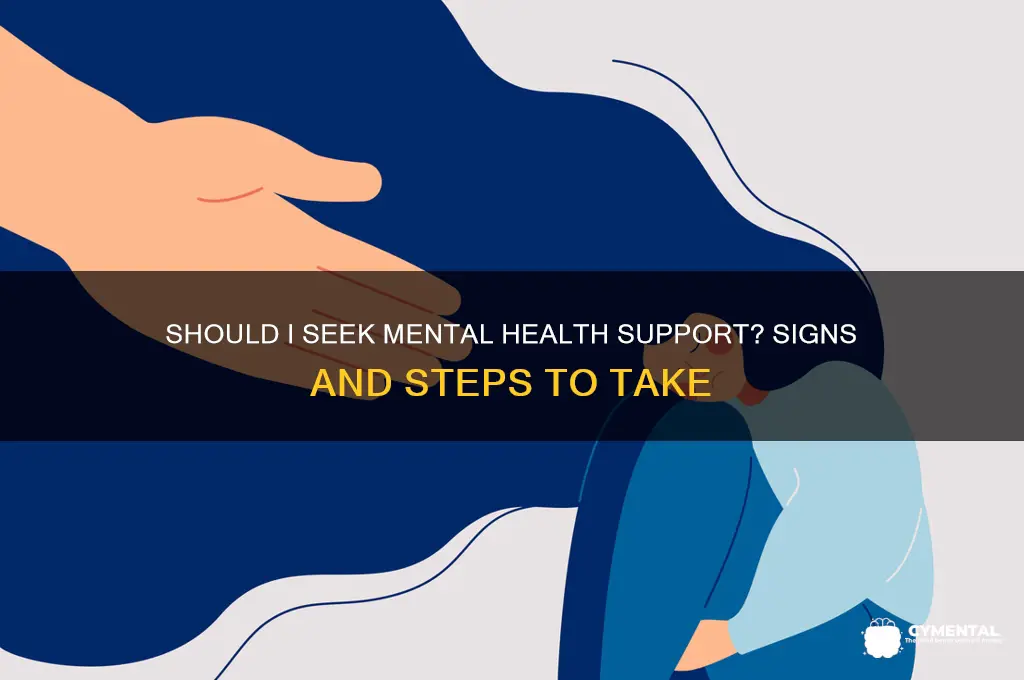
Considering whether to seek mental health support is a significant and personal decision that often arises when individuals face emotional distress, persistent challenges, or a sense of being overwhelmed. It’s important to recognize that seeking help is not a sign of weakness but rather a proactive step toward self-care and well-being. Mental health struggles, such as anxiety, depression, or stress, are common and can affect anyone, regardless of age, background, or circumstances. Consulting a mental health professional can provide valuable tools, insights, and strategies to manage these challenges effectively. If you’re questioning whether you should seek help, it’s often a clear indication that your inner voice is prompting you to prioritize your mental health, and taking that first step can lead to meaningful growth and improved quality of life.
Explore related products


What You'll Learn
- Signs You Need Help: Persistent sadness, anxiety, or changes in behavior may indicate the need for support
- Types of Mental Health Professionals: Therapists, psychologists, and psychiatrists offer different levels of care
- Benefits of Therapy: Improved coping skills, emotional regulation, and overall well-being are key outcomes
- Overcoming Stigma: Seeking help is a sign of strength, not weakness; normalize mental health care
- How to Start: Research providers, check insurance, and schedule an initial consultation to begin?

Signs You Need Help: Persistent sadness, anxiety, or changes in behavior may indicate the need for support
Persistent sadness that lingers beyond two weeks could be more than just a bad mood—it might be a cry for help from your mind. Clinical depression often manifests as a deep, unrelenting sorrow that disrupts daily life, such as losing interest in hobbies, withdrawing from social interactions, or experiencing unexplained physical symptoms like fatigue or headaches. If you find yourself constantly feeling hopeless or worthless, it’s not just "in your head"—it’s a sign to seek professional support. Antidepressants, therapy, or lifestyle changes like regular exercise and a balanced diet can be effective, but the first step is acknowledging the problem.
Anxiety that interferes with your ability to function—like panic attacks before work meetings or constant worry that keeps you up at night—is not something you have to endure silently. Generalized anxiety disorder affects 6.8 million adults in the U.S. alone, and untreated, it can lead to physical health issues like high blood pressure or digestive problems. Techniques like mindfulness meditation, deep breathing exercises, or cognitive-behavioral therapy (CBT) can help manage symptoms. If self-help strategies fall short, a therapist might recommend medication such as SSRIs, starting with a low dose (e.g., 10mg of Lexapro) and adjusting as needed under medical supervision.
Changes in behavior, like sudden aggression, excessive risk-taking, or neglecting responsibilities, often signal underlying mental distress. For instance, a once-organized individual becoming chronically late or forgetful could be struggling with burnout or undiagnosed ADHD. Similarly, substance abuse or drastic changes in eating habits (overeating or undereating) are red flags. Keeping a journal to track these changes can provide valuable insights for a mental health professional. Early intervention, such as counseling or support groups, can prevent these behaviors from escalating into more serious conditions.
Comparing your struggles to others’ can be misleading—mental health is not a competition. What matters is how these symptoms impact *your* life. For example, a high-achieving student experiencing mild anxiety during exams might not need intervention, but if that anxiety leads to skipping classes or self-harm, it’s time to act. The takeaway? Trust your instincts. If something feels off, it probably is. Reach out to a trusted friend, primary care physician, or mental health hotline as a starting point. Remember, seeking help isn’t a sign of weakness—it’s a step toward reclaiming your well-being.
Mental Health Support: A Key to Ending Homelessness Crisis
You may want to see also
Explore related products




Types of Mental Health Professionals: Therapists, psychologists, and psychiatrists offer different levels of care
Deciding to seek mental health support is a pivotal step, but understanding who to turn to can be overwhelming. Therapists, psychologists, and psychiatrists each play distinct roles in mental health care, offering varying levels of expertise and treatment modalities. Knowing the differences ensures you find the right professional for your needs.
Therapists are often the first point of contact for individuals seeking mental health support. They include licensed clinical social workers (LCSWs), licensed professional counselors (LPCs), and marriage and family therapists (MFTs). Therapists typically provide talk therapy, such as cognitive-behavioral therapy (CBT) or dialectical behavior therapy (DBT), to help clients manage stress, anxiety, depression, and relationship issues. Sessions usually last 45–60 minutes and occur weekly or biweekly. Therapists cannot prescribe medication but excel at creating safe spaces for emotional exploration and skill-building. For example, a therapist might teach mindfulness techniques to a client struggling with panic attacks, offering practical tools to manage symptoms.
Psychologists hold doctoral degrees (PhD or PsyD) and specialize in understanding human behavior through psychological testing, research, and therapy. They often diagnose mental health conditions using assessments like the MMPI or IQ tests. While psychologists cannot prescribe medication, they provide evidence-based therapies, such as psychodynamic therapy or trauma-focused CBT, tailored to complex issues like PTSD or personality disorders. A psychologist might work with a teenager experiencing severe anxiety by administering a standardized test to pinpoint triggers and designing a personalized treatment plan. Their advanced training makes them ideal for cases requiring deep psychological insight.
Psychiatrists are medical doctors (MDs) who specialize in mental health, making them the only professionals on this list licensed to prescribe medication. They diagnose and treat severe mental illnesses like bipolar disorder, schizophrenia, or treatment-resistant depression. A psychiatrist might prescribe antidepressants like SSRIs (e.g., 20 mg of fluoxetine daily) or mood stabilizers (e.g., 500 mg of lithium twice daily) while monitoring side effects. Sessions with psychiatrists are typically shorter (20–30 minutes) and focus on medication management rather than therapy. For instance, a psychiatrist could collaborate with a therapist to ensure a patient’s medication complements their talk therapy progress.
Choosing the right professional depends on your needs. If you’re seeking medication, a psychiatrist is essential. For therapy-focused care, a therapist or psychologist may be more appropriate. Practical tip: Verify insurance coverage, as some plans limit visits or require referrals. Additionally, don’t hesitate to consult multiple professionals—finding the right fit is key to effective treatment. Understanding these roles empowers you to take the next step in your mental health journey with confidence.
Fake Plants and Mental Health: Uncovering the Surprising Benefits
You may want to see also
Explore related products


$7.84 $14.99


Benefits of Therapy: Improved coping skills, emotional regulation, and overall well-being are key outcomes
Therapy isn’t just for crises; it’s a tool for building resilience. Consider this: coping skills are like muscles—they weaken without exercise. Therapy provides structured opportunities to practice responding to stress, conflict, or uncertainty in healthier ways. For instance, cognitive-behavioral techniques teach you to challenge negative thought patterns, while dialectical behavior therapy offers concrete strategies like mindfulness and distress tolerance. Over time, these skills become second nature, reducing the intensity of future challenges. Think of it as upgrading your emotional operating system—you’ll handle life’s curveballs with greater ease and confidence.
Emotional regulation, another cornerstone of therapy, transforms how you experience and express feelings. Imagine your emotions as a dashboard with fluctuating gauges. Therapy helps you fine-tune these gauges, preventing them from spiking into overwhelm or dipping into numbness. For example, a 2018 study in *Psychotherapy Research* found that 12 weeks of emotion-focused therapy significantly reduced emotional avoidance in adults aged 25–45. Practical tools like journaling, grounding exercises, or even scheduling "worry time" can be introduced to manage emotions proactively. The result? You’ll feel less hijacked by moods and more in control of your inner world.
The ripple effect of improved coping and emotional regulation is undeniable: overall well-being skyrockets. Therapy doesn’t just address symptoms; it rewires your brain for positivity. Neuroplasticity studies show that consistent therapeutic interventions, such as weekly 50-minute sessions over 3–6 months, can strengthen neural pathways associated with calmness and clarity. Clients often report better sleep, increased productivity, and deeper relationships—benefits that extend far beyond the therapy room. It’s not about eliminating problems but about becoming more equipped to thrive despite them.
Here’s the takeaway: therapy isn’t a luxury or a last resort—it’s a strategic investment in yourself. Whether you’re navigating mild anxiety or deep-seated trauma, the skills gained in therapy compound over time, creating a foundation for long-term resilience. Start small: commit to one session, then assess how it shifts your perspective. Remember, seeking help isn’t a sign of weakness; it’s a testament to your strength and commitment to living a fuller, more balanced life.
Mental Health Support: A Key to Preventing School Shootings?
You may want to see also
Explore related products





Overcoming Stigma: Seeking help is a sign of strength, not weakness; normalize mental health care
Seeking mental health care is often shrouded in stigma, yet it’s a decision rooted in courage, not fragility. Consider this: athletes hire coaches to optimize performance, not because they’re inherently weak. Similarly, consulting a mental health professional is an investment in your emotional and psychological well-being. The stigma surrounding mental health care persists because society has long equated emotional struggles with personal failure. However, this narrative is shifting as more individuals recognize that asking for help is a proactive step toward self-improvement. For instance, therapy isn’t just for crises; it’s a tool for anyone seeking clarity, resilience, or growth. Normalize viewing mental health care as routine maintenance, like visiting a dentist, rather than a last resort.
To overcome stigma, start by reframing your internal dialogue. Replace phrases like “I’m broken” with “I’m taking steps to feel better.” Language shapes perception, and how you talk about mental health care influences how others perceive it. Share your experiences selectively with trusted individuals to model openness. For example, saying, “I’ve been seeing a therapist to manage stress, and it’s been helpful,” normalizes the conversation. Avoid oversharing, but don’t hide it either. Practical steps include researching therapists who align with your needs—whether it’s cognitive-behavioral therapy for anxiety or mindfulness-based approaches for emotional regulation. Apps like BetterHelp or Calm can serve as low-stakes entry points if in-person sessions feel daunting.
Comparing mental health care to physical health care highlights the absurdity of stigma. No one questions the strength of a person taking medication for diabetes, yet antidepressants or anti-anxiety medications are often met with judgment. Both are tools prescribed by professionals to address imbalances. Similarly, just as you’d follow a doctor’s advice for a broken bone, follow a therapist’s guidance for emotional healing. Dosage matters here too—whether it’s medication or therapy sessions, consistency is key. Skipping doses or appointments undermines progress. Treat mental health care with the same diligence as any other health regimen.
Finally, challenge societal norms by advocating for systemic change. Stigma thrives in silence, so use your voice to support policies that fund mental health services and integrate care into primary healthcare. For instance, workplaces can offer mental health days without requiring employees to lie about physical illness. Schools can teach emotional literacy alongside academics. On a personal level, educate yourself and others by sharing credible resources like the National Alliance on Mental Illness (NAMI) or TED Talks on mental health. Every conversation, every action, chips away at stigma, proving that seeking help isn’t just a sign of strength—it’s a catalyst for collective change.
Remote Work Benefits: Boosting Mental Health and Well-Being
You may want to see also
Explore related products


How to Start: Research providers, check insurance, and schedule an initial consultation to begin
Taking the first step toward seeking mental health support can feel daunting, but breaking it down into manageable actions simplifies the process. Start by researching providers who align with your needs—therapists, psychologists, or psychiatrists—using trusted platforms like Psychology Today, your insurance provider’s directory, or referrals from healthcare professionals. Filter by specialties (e.g., anxiety, depression, trauma) and modalities (e.g., CBT, mindfulness) to find a match. For instance, if you’re dealing with chronic stress, a therapist trained in stress management techniques might be ideal.
Next, verify your insurance coverage to avoid unexpected costs. Contact your insurance provider to understand your mental health benefits, including copays, session limits, and in-network providers. If uninsured or underinsured, explore sliding-scale clinics, community health centers, or telehealth platforms like BetterHelp or Talkspace, which often offer affordable rates. For example, some therapists charge $60–$120 per session on a sliding scale, making care more accessible.
Once you’ve identified potential providers, schedule an initial consultation. Treat this as a trial run to assess fit—you’re not committing long-term. Prepare questions to ask, such as their approach to treatment, experience with your concerns, and how they measure progress. For instance, inquire about their use of evidence-based practices like Cognitive Behavioral Therapy (CBT) for anxiety disorders. If the first provider doesn’t feel right, don’t hesitate to try another. Compatibility with your therapist is critical for effective treatment.
Finally, approach this process with patience and self-compassion. Research shows that finding the right mental health provider can take time, and it’s normal to feel uncertain. Remember, seeking help is a sign of strength, not weakness. By taking these steps—researching providers, checking insurance, and scheduling a consultation—you’re laying the groundwork for meaningful progress. As one therapist puts it, “The journey of a thousand miles begins with a single step, and this is yours.”
Honoring Life and Healing: Day of the Dead’s Mental Health Benefits
You may want to see also
Frequently asked questions
You should consider seeking mental health help if you’re experiencing persistent feelings of sadness, anxiety, or stress that interfere with your daily life, relationships, or work. Other signs include changes in sleep or appetite, difficulty concentrating, or thoughts of self-harm. If you’re unsure, consulting a professional can provide clarity.
Yes, you don’t need to wait for your struggles to become overwhelming to seek help. Mental health support is for anyone, regardless of the severity of their issues. Addressing concerns early can prevent them from worsening and improve your overall well-being.
It’s normal to feel hesitant, but remember that seeking help is a sign of strength, not weakness. Mental health professionals are trained to provide nonjudgmental support. Starting with a trusted friend, family member, or primary care doctor can also make the process feel less intimidating.