Lucas Bennett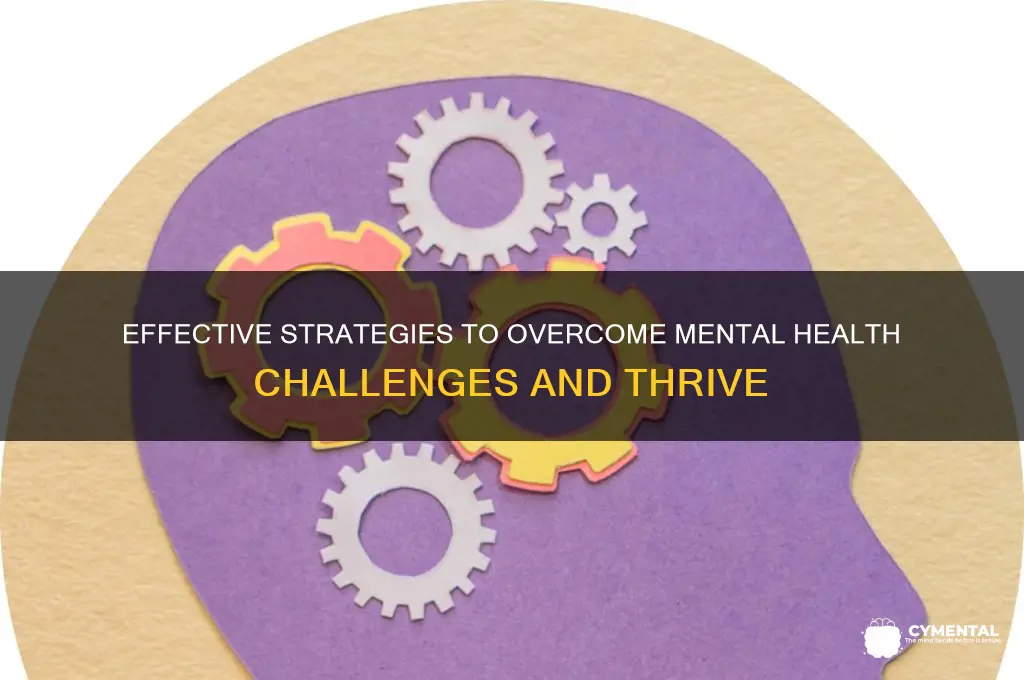
Overcoming mental health issues is a multifaceted process that requires patience, understanding, and a combination of strategies tailored to individual needs. While professional support from therapists, counselors, or psychiatrists is often essential, there are numerous self-help techniques and lifestyle changes that can significantly contribute to recovery. These include practicing mindfulness and meditation to reduce stress, engaging in regular physical activity to boost mood and energy, and maintaining a balanced diet rich in nutrients that support brain health. Building a strong support network of friends, family, or support groups can provide emotional comfort and reduce feelings of isolation. Additionally, setting realistic goals, prioritizing sleep, and limiting exposure to negative influences like excessive social media or toxic relationships can foster a healthier mental state. Ultimately, acknowledging the importance of self-care and seeking help without stigma are crucial steps toward healing and resilience.
Explore related products


What You'll Learn
- Seek Professional Help: Therapy, counseling, and medication can provide essential support and guidance
- Practice Self-Care: Prioritize sleep, nutrition, exercise, and relaxation to boost mental well-being
- Build a Support Network: Connect with friends, family, or support groups for encouragement and understanding
- Mindfulness and Meditation: Techniques to reduce stress, improve focus, and enhance emotional balance
- Set Realistic Goals: Break tasks into manageable steps to reduce overwhelm and build confidence

Seek Professional Help: Therapy, counseling, and medication can provide essential support and guidance
Professional intervention is often a cornerstone in managing and overcoming mental health challenges. While self-help strategies and lifestyle changes are valuable, they may not always be sufficient for individuals facing severe or persistent mental health issues. This is where therapy, counseling, and medication step in as vital components of a comprehensive treatment plan.
The Therapeutic Alliance: A Powerful Tool
Therapy and counseling offer a safe and confidential space for individuals to explore their thoughts, emotions, and behaviors. Through various therapeutic techniques, mental health professionals guide clients toward understanding and managing their symptoms. For instance, Cognitive Behavioral Therapy (CBT) is a widely used approach that helps individuals identify and change negative thought patterns and behaviors. A typical CBT session might involve a therapist assisting a client in challenging their anxiety-inducing beliefs, gradually exposing them to feared situations, and teaching coping strategies. This process often requires multiple sessions, usually ranging from 12 to 20, depending on the individual's needs and progress.
Medicated Support: A Balancing Act
Medication can be a crucial aspect of treatment, particularly for conditions like depression, anxiety disorders, and schizophrenia. Psychiatrists and medical doctors prescribe medications such as selective serotonin reuptake inhibitors (SSRIs) or mood stabilizers to help regulate brain chemistry. For example, a common starting dose of fluoxetine (an SSRI) for adults with depression is 20 mg per day, which may be adjusted based on the patient's response and tolerance. It's essential to note that medication is often most effective when combined with therapy, providing a dual approach to managing symptoms.
Tailored Treatment Plans
The beauty of professional help lies in its customization. Mental health professionals devise personalized treatment plans, considering the unique needs and circumstances of each individual. For a teenager struggling with social anxiety, this might involve a combination of individual therapy sessions, group therapy to practice social skills, and, if necessary, a low-dose SSRI to manage symptoms. In contrast, an older adult dealing with grief might benefit from counseling sessions focused on processing emotions and developing coping strategies.
Overcoming Barriers to Access
Despite its benefits, seeking professional help can be daunting. Stigma, financial constraints, and lack of awareness about available resources often pose significant barriers. To address these, many countries offer subsidized mental health services, and online therapy platforms provide accessible and affordable alternatives. Additionally, support groups and community-based initiatives can complement professional treatment, offering peer support and a sense of community.
In the journey towards mental well-being, professional help serves as a guiding light, offering evidence-based tools and strategies. Whether through therapy's insightful conversations, counseling's practical guidance, or medication's biochemical support, individuals can find the strength to navigate their mental health challenges and work towards recovery. This multi-faceted approach empowers people to not just manage their symptoms but also to cultivate resilience and lead fulfilling lives.
Virtual Reality: A Revolutionary Tool for Mental Health Treatment
You may want to see also
Explore related products





Practice Self-Care: Prioritize sleep, nutrition, exercise, and relaxation to boost mental well-being
Sleep is the cornerstone of mental resilience, yet it’s often the first sacrifice in a busy life. Adults require 7–9 hours nightly, but consistency matters more than duration. Irregular sleep patterns disrupt circadian rhythms, amplifying anxiety and depression. To reset your internal clock, establish a bedtime routine: dim lights 1 hour before bed, avoid screens, and keep the room cool (60–67°F). If racing thoughts interfere, try progressive muscle relaxation or a 5-minute journal entry to offload worries.
Nutrition fuels not just the body but the brain. Omega-3 fatty acids (found in salmon, walnuts, and flaxseeds) reduce inflammation linked to mood disorders, while complex carbs (oats, quinoa) stabilize blood sugar to prevent irritability. A 2019 study in *Psychosomatic Medicine* found that reducing processed foods and increasing fruits, vegetables, and lean proteins improved depression symptoms in 67% of participants. Start small: swap one sugary snack daily for a handful of berries or nuts, and stay hydrated—dehydration mimics anxiety symptoms.
Exercise is a natural antidepressant, releasing endorphins and BDNF, a protein that repairs neural pathways. You don’t need marathons—30 minutes of moderate activity (brisk walking, cycling) 3–5 times weekly yields benefits. For those with low motivation, break it into 10-minute chunks or pair it with a social activity, like a dance class or hiking group. Caution: over-exercising can backfire, increasing cortisol levels, so listen to your body and prioritize rest days.
Relaxation isn’t indulgence—it’s maintenance. Chronic stress shrinks the prefrontal cortex, impairing decision-making and emotional regulation. Dedicate 10 minutes daily to a calming practice: deep breathing (inhale 4 seconds, hold 4, exhale 6), mindfulness meditation, or even a hobby like painting. Apps like Headspace offer guided sessions, but simplicity works too—sit quietly and focus on your senses. Skeptical? A 2020 *JAMA* study found that daily relaxation practices reduced stress hormone levels by 20% in 8 weeks.
Self-care isn’t selfish; it’s strategic. By treating sleep, nutrition, exercise, and relaxation as non-negotiables, you build a foundation for mental clarity and emotional stability. Start with one change today—set an alarm for bedtime, prep a veggie-packed meal, or take a walk. Small, consistent actions compound into transformative habits, proving that the path to mental well-being begins with the basics.
Gratitude's Power: Enhancing Mental Well-being and Emotional Resilience
You may want to see also
Explore related products


Build a Support Network: Connect with friends, family, or support groups for encouragement and understanding
Human connection is a cornerstone of mental well-being. We are inherently social creatures, wired to thrive in communities. Yet, when struggling with mental health issues, isolation often feels like the safest option. This instinct, while understandable, can be counterproductive. Building a support network – a web of understanding individuals who offer encouragement, empathy, and a sense of belonging – is a powerful tool in the fight against mental health challenges.
Imagine a safety net woven from threads of compassion and shared experience. This is what a support network provides. It's not about having a massive friend group, but about cultivating meaningful connections with people who "get it." These could be close friends who listen without judgment, family members who offer unwavering love, or members of a support group who understand your struggles firsthand.
Building this network requires vulnerability and intentionality. Start by identifying individuals in your life who you trust and feel comfortable opening up to. Be honest about your struggles, even if it feels scary. Remember, vulnerability is strength, not weakness. Consider joining support groups, either online or in-person. These groups provide a unique sense of community, connecting you with people facing similar challenges. Sharing experiences, coping strategies, and words of encouragement within a group setting can be incredibly validating and empowering.
Think of it as assembling a personal team of cheerleaders, each bringing their own brand of support. Some might offer practical help, like accompanying you to appointments or helping with daily tasks. Others might provide emotional support, lending a listening ear or sharing uplifting messages. The key is to find people who uplift and encourage you, reminding you that you're not alone in this journey.
It's important to remember that building a support network is an ongoing process. Relationships require nurturing, and this network is no exception. Make an effort to stay connected, even when you're feeling well. Regular check-ins, shared activities, and expressions of gratitude can strengthen these bonds. Don't be afraid to ask for help when you need it, and be willing to offer support in return. This reciprocity fosters a sense of mutuality and strengthens the network's resilience.
Building a support network isn't a magic bullet, but it's a vital component of a comprehensive approach to mental health. It provides a safety net during difficult times, a source of encouragement during setbacks, and a reminder that you are valued and understood. Remember, you don't have to face mental health challenges alone. Reach out, connect, and allow yourself to be supported. The power of human connection can be a transformative force in your journey towards healing and well-being.
Understanding Mental Disorders: Enhancing Empathy and Effectiveness in Teaching
You may want to see also
Explore related products


Mindfulness and Meditation: Techniques to reduce stress, improve focus, and enhance emotional balance
Stress, a ubiquitous companion in modern life, often feels insurmountable. Yet, mindfulness and meditation offer tangible techniques to reclaim control. These practices, rooted in ancient traditions, are now supported by modern science, proving their efficacy in reducing stress, sharpening focus, and fostering emotional equilibrium.
Consider mindfulness as a mental muscle—it strengthens with consistent training. Start with a simple exercise: sit quietly for five minutes daily, focusing solely on your breath. When thoughts wander (and they will), gently return your attention to the sensation of air entering and leaving your nostrils. This practice, known as mindful breathing, rewires the brain to stay present, breaking the cycle of rumination that fuels stress. Research shows that just 10 minutes of daily mindfulness meditation can reduce cortisol levels, the body’s primary stress hormone, by up to 14%.
Meditation, a broader practice encompassing mindfulness, offers structured techniques to deepen its benefits. One effective method is body scan meditation, ideal for those aged 16 and above. Lie down in a quiet space, close your eyes, and mentally scan your body from head to toe, noticing sensations without judgment. This practice not only grounds you in the present but also helps identify physical tension linked to emotional stress. Pair this with progressive muscle relaxation—tensing and releasing each muscle group—for enhanced results.
For those seeking focus, mindfulness of thoughts is a game-changer. Observe your thoughts as passing clouds, neither clinging to nor pushing them away. This detachment fosters clarity and reduces mental clutter. A study published in *Psychological Science* found that participants who practiced this technique for 20 minutes daily showed a 25% improvement in sustained attention tasks. Incorporate this into your routine by setting a timer and dedicating the first 10 minutes of your workday to this practice.
However, mindfulness and meditation are not one-size-fits-all solutions. Beginners may find guided meditations (available on apps like Headspace or Calm) more accessible. For those with trauma or severe anxiety, consult a mental health professional before starting, as unguided practice can sometimes exacerbate symptoms. Additionally, consistency trumps duration—shorter, daily sessions yield better results than sporadic, longer ones.
Incorporating mindfulness and meditation into your life is less about achieving perfection and more about cultivating awareness. Start small, stay consistent, and watch as stress diminishes, focus sharpens, and emotional balance becomes your new baseline. These techniques are not just tools for survival; they are pathways to thriving.
Vitamin D3 and Mental Health: Unlocking the Sunlight Connection
You may want to see also
Explore related products


$12.68 $18.95


Set Realistic Goals: Break tasks into manageable steps to reduce overwhelm and build confidence
Overwhelm often stems from viewing tasks as monolithic, insurmountable challenges. This perception fuels anxiety and procrastination, exacerbating mental health struggles. By dissecting complex tasks into smaller, actionable steps, you reframe them as a series of achievable milestones. For instance, instead of aiming to "write a thesis," break it down into "research topic," "outline chapters," "draft introduction," and so on. Each completed step becomes a tangible victory, rewiring your brain to associate productivity with progress rather than paralysis.
Consider the Zeigarnik Effect, a psychological phenomenon where unfinished tasks linger in our minds, consuming mental energy. Breaking tasks into manageable steps not only clarifies the path forward but also allows you to mark items as "done," providing cognitive closure. For example, if you’re overwhelmed by a cluttered home, start with "clear kitchen counters" or "organize one drawer." These micro-goals are less daunting and create a sense of accomplishment that fuels momentum. Research shows that completing small tasks releases dopamine, a neurotransmitter linked to motivation and pleasure, further reinforcing positive behavior.
However, setting realistic goals isn’t just about size—it’s about specificity and relevance. Vague goals like "be more productive" lack clarity and are difficult to measure. Instead, define goals with the SMART criteria: Specific, Measurable, Achievable, Relevant, and Time-bound. For a 30-year-old professional struggling with work-related stress, a SMART goal might be: "Spend 30 minutes daily on email responses between 9–9:30 AM, Monday to Friday, for the next two weeks." This approach not only reduces overwhelm but also builds confidence as you consistently meet benchmarks.
Caution must be taken to avoid perfectionism, a common pitfall when setting goals. For individuals with anxiety or OCD, the urge to make each step "perfect" can lead to paralysis. Emphasize progress over perfection by setting "good enough" thresholds. For instance, if you’re writing a report, aim for a first draft that captures key points rather than obsessing over grammar or phrasing. Similarly, for those in recovery from depression, starting with a 10-minute walk daily is more sustainable than committing to an hour-long gym session. The goal is to build consistency, not to achieve flawlessness.
In conclusion, setting realistic goals by breaking tasks into manageable steps is a powerful tool for overcoming mental health challenges. It transforms overwhelming obstacles into navigable paths, leverages psychological principles like the Zeigarnik Effect, and fosters a sense of accomplishment. By applying the SMART framework and prioritizing progress over perfection, you create a sustainable strategy for building confidence and resilience. Start small, stay specific, and celebrate each step forward—your mental well-being will thank you.
Art's Impact: Unveiling Mental Health Benefits Through Statistical Insights
You may want to see also
Frequently asked questions
Practicing mindfulness and meditation, engaging in regular physical exercise, maintaining a balanced diet, ensuring adequate sleep, and seeking support from friends, family, or a therapist can significantly help in managing anxiety and stress.
Engaging in activities that bring joy, setting small achievable goals, spending time outdoors, practicing gratitude, and considering professional help such as therapy or medication are effective ways to improve mood and combat depression.
Social connection is crucial as it provides emotional support, reduces feelings of isolation, and fosters a sense of belonging. Joining support groups, maintaining relationships, and engaging in community activities can positively impact mental health.
Yes, adopting a consistent sleep schedule, reducing caffeine and alcohol intake, incorporating relaxation techniques like yoga or deep breathing, and limiting screen time before bed can all contribute to better mental health.
Professional help is often essential, as therapists and mental health professionals can provide personalized strategies, therapy, and medication when needed. They offer a structured approach to addressing and overcoming mental health challenges.