Lucas Bennett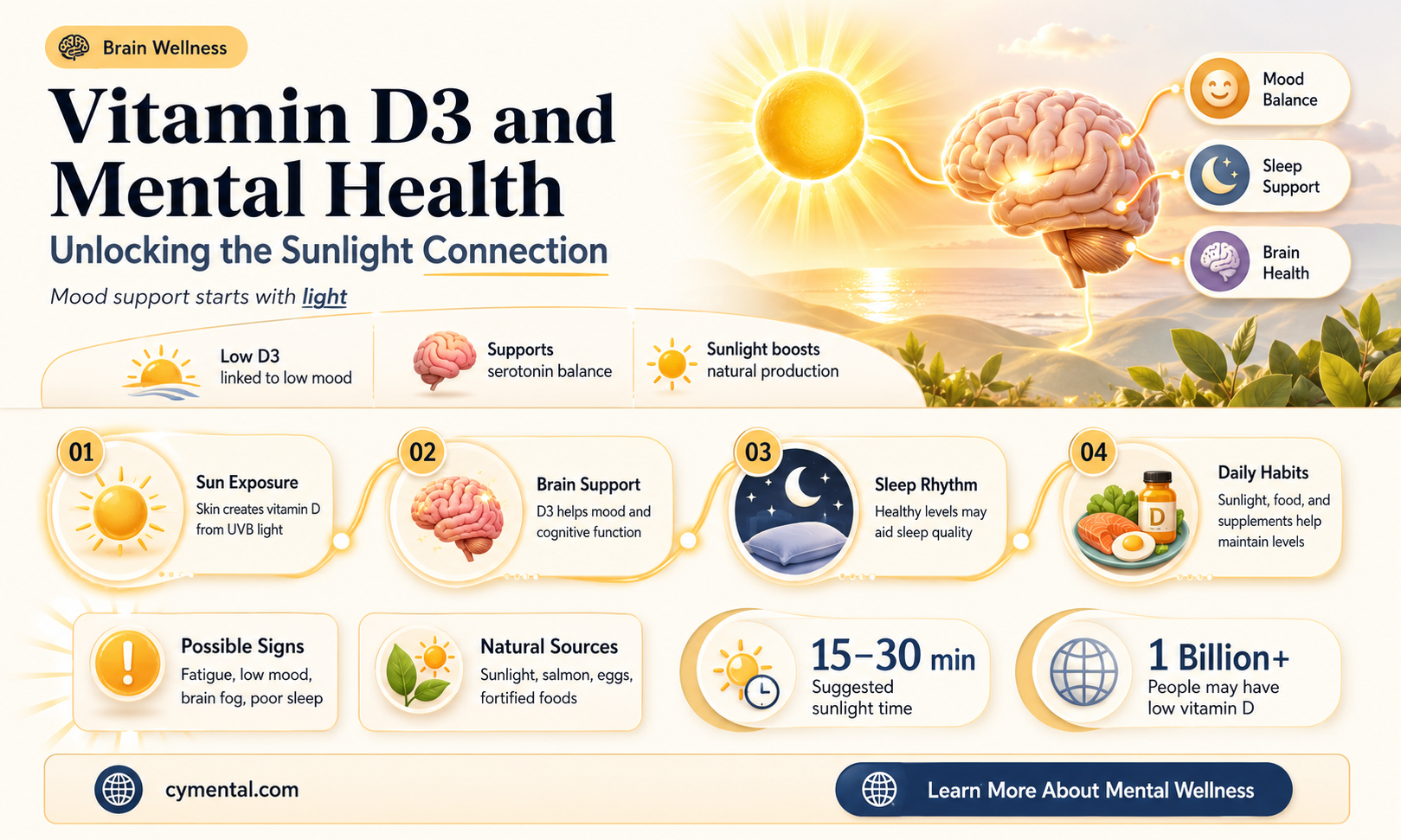
Vitamin D3, often referred to as the sunshine vitamin, has garnered significant attention for its potential role in supporting mental health. Beyond its well-known benefits for bone health and immune function, emerging research suggests that vitamin D3 may play a crucial role in regulating mood, reducing symptoms of depression, and potentially alleviating anxiety. Studies have linked vitamin D deficiency to an increased risk of mental health disorders, while supplementation has shown promising results in improving overall psychological well-being. As mental health concerns continue to rise globally, understanding the relationship between vitamin D3 and mental health could offer valuable insights into preventive and therapeutic strategies.
| Characteristics | Values |
|---|---|
| Role in Mental Health | Vitamin D3 (cholecalciferol) plays a role in brain health by regulating neurotransmitters, reducing inflammation, and influencing gene expression related to mental health. |
| Depression | Studies suggest vitamin D3 supplementation may alleviate symptoms of depression, particularly in individuals with deficiency. Meta-analyses show modest but significant improvements. |
| Anxiety | Limited evidence suggests vitamin D3 may reduce anxiety symptoms, though results are inconsistent and more research is needed. |
| Seasonal Affective Disorder (SAD) | Vitamin D3 supplementation has shown potential in reducing symptoms of SAD, possibly due to its role in serotonin regulation and its deficiency during winter months. |
| Cognitive Function | Vitamin D3 deficiency is linked to cognitive decline and impaired memory. Supplementation may improve cognitive performance, especially in older adults. |
| Schizophrenia | Some studies indicate vitamin D3 supplementation may improve symptoms and cognitive function in individuals with schizophrenia, though evidence is preliminary. |
| Mechanism of Action | Vitamin D3 interacts with vitamin D receptors in the brain, modulates calcium signaling, reduces oxidative stress, and influences neurotrophic factors like BDNF (Brain-Derived Neurotrophic Factor). |
| Optimal Dosage | Dosage varies; typical recommendations range from 1,000–4,000 IU/day, depending on deficiency levels and individual needs. Blood levels of 30–50 ng/mL (75–125 nmol/L) are considered optimal. |
| Safety | Generally safe when taken within recommended doses. Excessive intake (>4,000 IU/day) may lead to hypercalcemia or other adverse effects. |
| Population Impact | Benefits are more pronounced in individuals with vitamin D deficiency, older adults, and those with limited sun exposure. |
| Limitations of Evidence | Many studies are observational or have small sample sizes. Larger, randomized controlled trials are needed to confirm causal relationships between vitamin D3 and mental health improvements. |
| Combination with Other Treatments | Vitamin D3 is often used as an adjunct to conventional treatments for mental health disorders, not as a standalone therapy. |
| Sources | Sunlight exposure, fatty fish, fortified foods, and supplements are primary sources of vitamin D3. |
| Latest Research (2023) | Emerging studies continue to explore vitamin D3's neuroprotective effects and its role in preventing mental health disorders, with a focus on personalized supplementation based on genetic factors. |
Explore related products


What You'll Learn
- D3 and Depression: Research suggests vitamin D3 may alleviate symptoms of depression by influencing serotonin levels
- Anxiety Reduction: Low D3 levels are linked to higher anxiety; supplementation may promote calmness
- Mood Regulation: D3 supports neurotransmitter function, potentially stabilizing mood and emotional well-being
- Seasonal Affective Disorder (SAD): D3 supplementation may reduce SAD symptoms, especially in winter months
- Cognitive Function: Adequate D3 levels are associated with improved memory, focus, and overall brain health

D3 and Depression: Research suggests vitamin D3 may alleviate symptoms of depression by influencing serotonin levels
Vitamin D3, often hailed as the "sunshine vitamin," has emerged as a potential ally in the battle against depression. Research indicates that this nutrient may play a pivotal role in alleviating depressive symptoms by modulating serotonin levels, a neurotransmitter crucial for mood regulation. Studies have shown that individuals with depression often exhibit lower levels of vitamin D, suggesting a correlation between deficiency and mental health challenges. For instance, a 2019 meta-analysis published in the *Journal of Affective Disorders* found that vitamin D supplementation significantly reduced depressive symptoms in individuals with clinically low levels of the vitamin.
To harness the potential benefits of vitamin D3 for mental health, it’s essential to understand dosage and administration. Adults typically require 600–800 IU (International Units) daily, though those with deficiencies may need higher doses, up to 2,000–4,000 IU, under medical supervision. For example, a study in the *British Journal of Psychiatry* demonstrated that daily supplementation of 2,000 IU improved mood in participants with seasonal affective disorder (SAD). Pairing supplementation with sunlight exposure—10–30 minutes daily—can further enhance natural vitamin D production, particularly for individuals in regions with limited sunlight during winter months.
While the link between vitamin D3 and serotonin is promising, it’s important to approach supplementation as part of a holistic strategy. Vitamin D3 acts as a co-factor in the synthesis of serotonin, but its effects are most pronounced in those with deficiencies. For optimal results, combine supplementation with lifestyle changes such as regular exercise, a balanced diet rich in omega-3 fatty acids, and stress management techniques like mindfulness or therapy. For instance, a 2020 study in *Nutrients* highlighted that the combination of vitamin D3 and omega-3 supplementation yielded greater improvements in depressive symptoms than either intervention alone.
Practical tips for integrating vitamin D3 into your routine include choosing high-quality supplements with third-party testing certifications to ensure purity and potency. For those wary of pills, vitamin D3 drops or fortified foods like milk, orange juice, or mushrooms can be viable alternatives. Monitoring your levels through blood tests every 3–6 months can help tailor your dosage effectively. Remember, while vitamin D3 shows promise in alleviating depression, it is not a standalone cure. Consult a healthcare provider to determine if supplementation is appropriate for your specific needs, especially if you’re taking medications or have underlying health conditions.
Guidance Counselors and Mental Health: Support, Resources, and Student Well-being
You may want to see also
Explore related products


Anxiety Reduction: Low D3 levels are linked to higher anxiety; supplementation may promote calmness
Low vitamin D3 levels have been consistently linked to heightened anxiety, a connection that’s increasingly supported by research. Studies show that individuals with anxiety disorders often exhibit significantly lower serum D3 levels compared to those without such conditions. This correlation suggests a potential role for D3 in regulating mood and stress responses, though the exact mechanisms remain under investigation. For instance, D3 is known to interact with neurotransmitters like serotonin, which plays a critical role in anxiety regulation. If you’ve noticed persistent feelings of unease or worry, checking your D3 levels might be a worthwhile step in addressing the root cause.
Addressing D3 deficiency could be a practical strategy for reducing anxiety symptoms, particularly in populations at higher risk. Adults over 65, individuals with limited sun exposure, and those with darker skin tones are more prone to deficiency due to reduced natural D3 synthesis. Supplementation, when guided by a healthcare provider, can help restore optimal levels. A common starting dose is 1000–2000 IU daily, though individual needs vary based on factors like baseline levels, geographic location, and lifestyle. Pairing supplementation with dietary sources like fatty fish, fortified foods, and egg yolks can further support D3 intake.
While supplementation shows promise, it’s not a standalone solution for anxiety. Combining D3 with other evidence-based strategies, such as mindfulness practices, regular exercise, and cognitive-behavioral therapy, can yield more comprehensive results. For example, outdoor physical activity not only boosts D3 production through sunlight exposure but also reduces stress hormones like cortisol. Additionally, maintaining a consistent sleep schedule and limiting caffeine intake can enhance the calming effects of D3. Think of D3 as one tool in a broader toolkit for managing anxiety, rather than a cure-all.
Practical tips for integrating D3 into an anxiety-reduction plan include monitoring your levels through regular blood tests and adjusting dosage as needed. If you’re considering supplementation, opt for D3 (cholecalciferol) over D2, as it’s more effective at raising and maintaining levels. Take your supplement with a meal containing healthy fats to improve absorption, as D3 is fat-soluble. Finally, be patient—it can take several weeks to months to notice improvements in anxiety symptoms. By addressing D3 deficiency alongside other lifestyle adjustments, you may find a greater sense of calm and emotional balance.
Poetry's Healing Power: Enhancing Mental Health Through Creative Expression
You may want to see also
Explore related products


Mood Regulation: D3 supports neurotransmitter function, potentially stabilizing mood and emotional well-being
Vitamin D3, often hailed for its role in bone health, is increasingly recognized for its influence on mental well-being. Among its lesser-known benefits is its potential to regulate mood by supporting neurotransmitter function. Neurotransmitters like serotonin, dopamine, and norepinephrine are critical for emotional stability, and emerging research suggests that D3 plays a role in their synthesis and activity. For instance, serotonin, often called the "feel-good" neurotransmitter, is partially dependent on vitamin D for its production in the brain. This connection highlights why D3 deficiency is often linked to mood disorders such as depression and seasonal affective disorder (SAD).
To harness D3’s mood-regulating potential, consider practical steps tailored to your lifestyle. Adults typically require 600–800 IU of vitamin D daily, though those with deficiencies may need higher doses (up to 4,000 IU) under medical supervision. Sun exposure remains the most natural source, with 10–30 minutes of midday sunlight on the face and arms several times a week being sufficient for many. However, supplementation is often necessary, especially in regions with limited sunlight or during winter months. Pairing D3 with vitamin K2 can enhance absorption and ensure calcium is properly utilized, avoiding potential side effects like arterial calcification.
A comparative analysis of studies reveals that individuals with adequate D3 levels report fewer symptoms of anxiety and depression. For example, a 2014 meta-analysis published in the *British Journal of Psychiatry* found that vitamin D supplementation improved depressive symptoms in individuals with clinically low levels. Conversely, populations in northern latitudes, where sunlight is scarce, exhibit higher rates of mood disorders, correlating with lower D3 levels. This suggests a causal link, though more research is needed to establish definitive mechanisms.
Incorporating D3 into a mental health regimen requires caution. Over-supplementation can lead to hypercalcemia, causing nausea, weakness, and kidney problems. Always consult a healthcare provider before starting high-dose supplementation, particularly if you have underlying health conditions. Additionally, while D3 supports mood regulation, it is not a standalone treatment for severe mental health disorders. Instead, it should complement therapies like cognitive-behavioral therapy (CBT) or medication, offering a holistic approach to emotional well-being.
For those seeking a descriptive understanding, imagine D3 as a key that unlocks the brain’s ability to maintain emotional balance. It acts as a co-factor in the conversion of tryptophan to serotonin, a process vital for mood stability. Without sufficient D3, this conversion falters, potentially leading to emotional fluctuations. By ensuring adequate levels, whether through sunlight, diet (fatty fish, fortified foods), or supplements, individuals can support their brain’s neurotransmitter function, fostering resilience against mood disorders. This simple yet powerful nutrient underscores the intricate link between physical and mental health.
Can Dogs Provide Emotional Support for Mental Health Struggles?
You may want to see also
Explore related products




Seasonal Affective Disorder (SAD): D3 supplementation may reduce SAD symptoms, especially in winter months
As winter approaches, many individuals experience a shift in mood and energy levels, often attributed to reduced sunlight exposure. This phenomenon is not merely a case of the "winter blues" but a recognized condition known as Seasonal Affective Disorder (SAD). Research suggests that Vitamin D3 supplementation could be a valuable tool in combating this seasonal slump.
The Winter-SAD Connection: SAD is characterized by depressive symptoms that occur during specific seasons, most commonly winter. The reduced daylight hours disrupt the body's internal clock, leading to feelings of sadness, fatigue, and social withdrawal. Interestingly, this disorder is more prevalent in regions farther from the equator, where winters are typically darker and longer. The link between sunlight deprivation and SAD has sparked interest in Vitamin D, often referred to as the "sunshine vitamin," as a potential remedy.
D3 to the Rescue: Vitamin D3 supplementation has emerged as a promising strategy to alleviate SAD symptoms. Here's why: during winter, the angle of the sun's rays prevents the synthesis of Vitamin D in the skin, leading to potential deficiencies. This vitamin plays a crucial role in serotonin production, a neurotransmitter that regulates mood, appetite, and sleep. By supplementing with D3, individuals can maintain optimal Vitamin D levels, supporting serotonin synthesis and potentially mitigating the effects of SAD.
Practical Application: For those considering D3 supplementation, it's essential to understand the recommended dosage. Studies suggest that a daily intake of 1000-2000 IU of Vitamin D3 during winter months can be beneficial for individuals with SAD. However, it's crucial to consult a healthcare professional for personalized advice, especially for those with specific health conditions or those taking medications. Additionally, combining D3 supplementation with light therapy, a well-established SAD treatment, may enhance overall effectiveness.
A Ray of Hope: The potential of Vitamin D3 in managing SAD offers a simple yet powerful tool for those affected by seasonal mood changes. While it may not be a standalone cure, incorporating D3 supplementation into a comprehensive approach, including light therapy and lifestyle adjustments, could significantly improve winter well-being. As research continues to uncover the intricate relationship between Vitamin D and mental health, this natural remedy provides a glimmer of hope for brighter days during the darkest seasons.
ACA's Impact: Mental Health Care Access and Outcomes Explored
You may want to see also
Explore related products



Cognitive Function: Adequate D3 levels are associated with improved memory, focus, and overall brain health
Vitamin D3, often hailed for its role in bone health, is now under the spotlight for its potential impact on cognitive function. Research suggests that maintaining adequate levels of this nutrient may be a key player in enhancing memory, sharpening focus, and promoting overall brain health. But how exactly does this sunshine vitamin influence our cognitive abilities?
The Science Behind the Sunshine Vitamin
Numerous studies have explored the link between vitamin D3 and cognitive performance, particularly in older adults. A 2017 review published in the *Journal of Alzheimer's Disease* analyzed data from over 7,000 participants and found a significant association between low vitamin D levels and cognitive decline. The research indicates that individuals with higher D3 levels tend to perform better on cognitive tests, especially in areas of memory and information processing speed. This is thought to be due to vitamin D's role in neuroprotection, where it helps reduce inflammation and promotes the growth of new neurons.
Optimizing Cognitive Function with D3
To harness the cognitive benefits of vitamin D3, ensuring sufficient intake is crucial. The recommended daily allowance (RDA) for adults ranges from 600 to 800 IU (International Units), but some experts suggest that higher doses may be necessary for optimal brain health. A study published in *The American Journal of Clinical Nutrition* proposed that a daily intake of 2000 IU could be more effective in raising blood levels of vitamin D, especially in individuals with deficiency. However, it's essential to approach supplementation with caution, as excessive doses can lead to toxicity.
Practical Tips for Brain-Boosting D3
- Sun Exposure: The most natural way to boost your vitamin D3 levels is through sunlight. Aim for 10-30 minutes of midday sun exposure, several times a week, without sunscreen. The body's ability to produce D3 from sunlight decreases with age, so this is especially important for older adults.
- Dietary Sources: Include D3-rich foods in your diet, such as fatty fish (salmon, tuna, mackerel), egg yolks, and fortified foods like milk, orange juice, and cereals.
- Supplementation: If sunlight and diet fall short, consider supplements. Start with the RDA and consult a healthcare professional for personalized advice, especially if you plan to take higher doses.
- Regular Testing: Monitor your vitamin D levels through blood tests, particularly if you're at risk of deficiency due to limited sun exposure, dark skin, or certain medical conditions.
By understanding the role of vitamin D3 in cognitive function, individuals can take proactive steps to support their brain health. From embracing the sun's rays to making informed dietary choices, these simple strategies can contribute to improved memory, focus, and overall cognitive well-being. As research continues to uncover the intricacies of this relationship, it's clear that maintaining optimal D3 levels is a vital piece of the cognitive health puzzle.
Pilates and Mental Health: Unlocking Mind-Body Wellness Benefits
You may want to see also
Frequently asked questions
Yes, research suggests that Vitamin D3 may help alleviate symptoms of depression, particularly in individuals with Vitamin D deficiency. It plays a role in neurotransmitter synthesis and brain function, though results may vary.
Vitamin D3 has been linked to reduced anxiety in some studies, especially in those with low Vitamin D levels. It may support mood regulation by influencing serotonin and other neurotransmitters.
Vitamin D3 supports mental health by promoting brain health, reducing inflammation, and regulating mood-related hormones. Deficiency is associated with increased risk of depression, anxiety, and cognitive decline.
The optimal dosage varies, but most adults benefit from 1,000–4,000 IU daily. Consult a healthcare provider for personalized advice, especially if addressing a deficiency or specific mental health concerns.