Noah Parker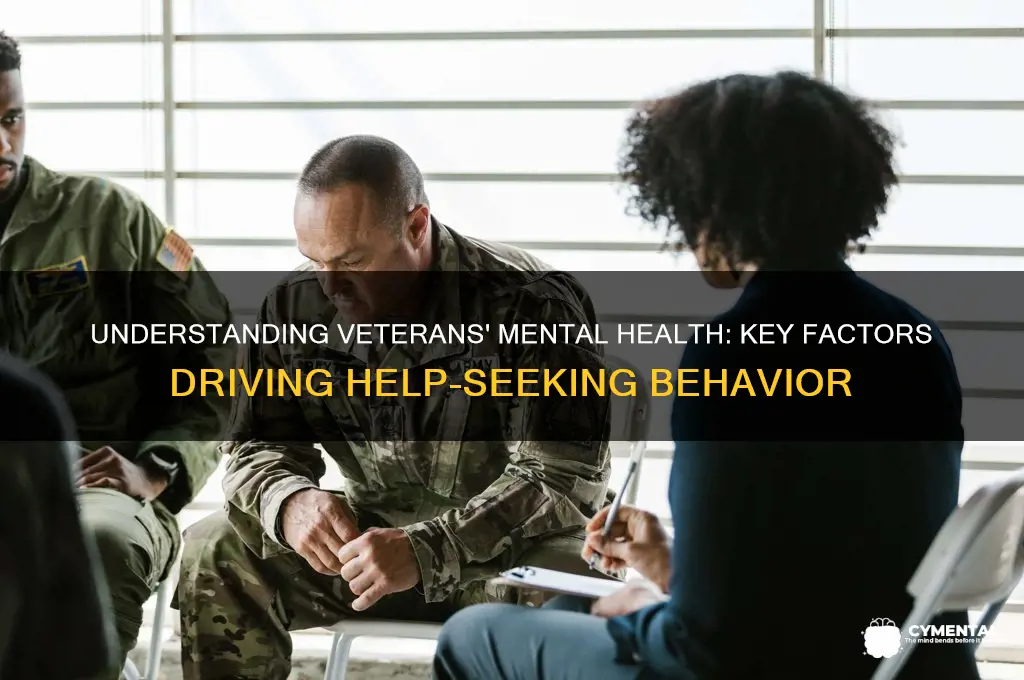
Seeking mental health help is a complex decision influenced by a multitude of factors for veterans, who often face unique challenges stemming from their military service. Key determinants include the severity and nature of mental health symptoms, such as PTSD, depression, or anxiety, which may compel individuals to seek support when they significantly impair daily functioning. Stigma remains a formidable barrier, as veterans may fear judgment from peers or superiors, though increasing awareness and destigmatization efforts are gradually mitigating this concern. Accessibility to mental health services, including proximity to care providers and availability of veteran-specific programs, plays a critical role, as does the perceived effectiveness of treatment options. Personal factors, such as motivation, readiness to change, and support from family or fellow veterans, also weigh heavily in the decision-making process. Additionally, cultural and organizational influences, such as military culture’s emphasis on self-reliance and resilience, can either discourage or encourage help-seeking behaviors. Understanding these factors is essential for developing targeted interventions that improve mental health outcomes for veterans.
Explore related products


What You'll Learn
- Stigma and cultural barriers to seeking mental health treatment among veterans
- Impact of combat exposure on veterans' willingness to access mental health services
- Role of social support networks in encouraging veterans to seek mental health help
- Influence of healthcare accessibility and availability on veterans' mental health service utilization
- Effect of mental health literacy and awareness on veterans' help-seeking behaviors

Stigma and cultural barriers to seeking mental health treatment among veterans
Stigma remains one of the most formidable barriers preventing veterans from seeking mental health treatment. Rooted in misconceptions about weakness or inadequacy, this stigma often leads veterans to equate asking for help with failing their peers or themselves. Military culture, which prizes resilience and self-reliance, exacerbates this issue by framing mental health struggles as a personal shortcoming rather than a legitimate health concern. For example, phrases like "suck it up" or "leave no man behind" are ingrained in military training, subtly discouraging individuals from acknowledging emotional distress. This internalized stigma can manifest as fear of judgment, career repercussions, or loss of respect, effectively silencing veterans who might otherwise seek support.
Cultural barriers further compound the challenge, particularly for veterans from communities where mental health is stigmatized or misunderstood. In some cultures, discussing emotional pain is seen as taboo, a sign of familial shame, or a lack of faith in traditional coping mechanisms. For instance, Hispanic or African American veterans may face pressure to rely on family or religious networks instead of professional mental health services. Similarly, older veterans, who grew up in eras when mental health was rarely discussed openly, may view therapy as a foreign or unnecessary intervention. These cultural norms create a disconnect between the veteran’s need for help and their willingness to pursue it, often leaving them isolated in their struggles.
Addressing these barriers requires a multi-faceted approach that challenges stigma at both individual and institutional levels. Peer support programs, where veterans share their experiences in seeking mental health care, can normalize the conversation and reduce feelings of isolation. For example, initiatives like the Veterans Crisis Line or local veteran-led organizations provide safe spaces for veterans to connect without fear of judgment. Additionally, integrating mental health screenings into routine medical care can destigmatize the process, framing it as a standard part of overall wellness rather than a response to failure.
Practical steps can also be taken to bridge cultural gaps. Mental health providers can undergo cultural competency training to better understand the unique perspectives of diverse veteran populations. Offering bilingual services or incorporating cultural traditions into therapy sessions can make treatment more accessible and relatable. For instance, incorporating storytelling or community-based healing practices can resonate more deeply with veterans from indigenous or collectivist cultures. By acknowledging and respecting these cultural differences, providers can build trust and encourage more veterans to engage with mental health services.
Ultimately, dismantling stigma and cultural barriers requires a shift in how mental health is perceived within both military and civilian contexts. Campaigns that highlight the strength in seeking help, such as the "Real Warriors" initiative, can reframe vulnerability as a sign of courage. Institutions must also ensure that seeking mental health treatment does not jeopardize a veteran’s career or reputation. By fostering an environment where mental health is prioritized and understood, society can empower veterans to take the first step toward healing without fear of repercussions or shame.
Supporting Parkinson's Mental Health: Strategies for Overcoming Daily Challenges
You may want to see also
Explore related products


Impact of combat exposure on veterans' willingness to access mental health services
Combat exposure leaves an indelible mark on veterans, shaping not only their psychological well-being but also their willingness to seek mental health services. Studies reveal a paradox: while combat exposure is a significant predictor of mental health issues such as PTSD, depression, and anxiety, it often diminishes the likelihood of veterans accessing care. This reluctance stems from a complex interplay of stigma, fear of perceived weakness, and the normalization of trauma within military culture. For instance, a 2014 study published in *Military Medicine* found that veterans with higher combat exposure were 30% less likely to seek mental health treatment compared to their less-exposed peers. This statistic underscores the urgent need to address the barriers unique to this population.
One critical factor is the internalized stigma of mental health struggles within the military community. Veterans often equate seeking help with admitting defeat, a mindset reinforced by the "tough it out" ethos ingrained during service. This stigma is particularly pronounced among younger veterans (ages 18–34), who are more likely to fear career repercussions or loss of respect from peers. Practical strategies to mitigate this include peer-led initiatives where veterans share their own experiences of seeking help, normalizing the process and reducing fear. For example, programs like the Veterans Crisis Line incorporate peer support specialists who have navigated similar challenges, increasing trust and accessibility.
Another barrier is the disconnect between military and civilian mental health frameworks. Veterans often struggle to articulate their experiences in ways that resonate with civilian providers, leading to frustration and disengagement. Combat exposure introduces unique stressors, such as moral injury—the psychological distress resulting from actions that violate one’s moral code. Providers unfamiliar with these nuances may misdiagnose or underestimate the severity of a veteran’s condition. To bridge this gap, specialized training for mental health professionals, such as the Veterans Affairs’ Clinical Practice Guidelines for PTSD, is essential. These guidelines emphasize trauma-informed care and incorporate evidence-based therapies like Cognitive Processing Therapy (CPT) and Prolonged Exposure (PE), which have shown efficacy in treating combat-related PTSD.
Finally, the physical and logistical challenges of accessing care cannot be overlooked. Veterans in rural areas, for instance, face significant barriers due to limited availability of mental health services. Telehealth has emerged as a promising solution, offering remote access to therapy and counseling. A 2020 study in *JAMA Psychiatry* found that veterans who engaged in telehealth services were 25% more likely to complete their treatment plans compared to those relying on in-person care alone. However, this approach requires robust technological infrastructure and digital literacy, highlighting the need for targeted investments in these areas.
In conclusion, combat exposure profoundly influences veterans’ willingness to access mental health services, but these barriers are not insurmountable. By addressing stigma through peer-led initiatives, training providers in military-specific mental health issues, and leveraging technology to improve accessibility, we can create a more supportive ecosystem for veterans. The goal is not just to encourage help-seeking behavior but to ensure that when veterans do reach out, they receive care that honors their unique experiences and sacrifices.
Supporting Hoarders: Affordable Mental Health Resources Without Insurance Coverage
You may want to see also
Explore related products


Role of social support networks in encouraging veterans to seek mental health help
Social support networks play a pivotal role in encouraging veterans to seek mental health help, often serving as the bridge between isolation and recovery. Veterans, particularly those transitioning from military to civilian life, face unique challenges such as stigma, fear of judgment, and a culture of self-reliance that can deter them from accessing care. However, when surrounded by a supportive network of family, friends, peers, or community organizations, veterans are more likely to overcome these barriers. For instance, a study published in the *Journal of Traumatic Stress* found that veterans with strong social support were 50% more likely to engage in mental health treatment compared to those without such networks. This underscores the importance of fostering connections that validate their experiences and encourage proactive steps toward healing.
One of the most effective ways social support networks encourage veterans to seek help is by normalizing conversations around mental health. Peer support groups, such as those facilitated by organizations like Team Red, White & Blue or Veterans of Foreign Wars (VFW), provide safe spaces where veterans can share their struggles without fear of judgment. These groups often operate on the principle of shared experience, allowing veterans to connect with others who understand their unique challenges. For example, a veteran struggling with PTSD might hear another member’s story of seeking therapy and experiencing improvement, which can serve as a powerful motivator. Practical tips for leveraging peer support include attending local meetups, joining online forums, or participating in group activities like hiking or volunteer work, which foster camaraderie and trust.
Family members and close friends also play a critical role in encouraging veterans to seek mental health help. However, their approach must be sensitive and informed. For instance, instead of pressuring a veteran to “get help,” loved ones can express concern in a non-confrontational way, such as, “I’ve noticed you seem stressed lately, and I’m here to support you if you want to talk to someone.” Providing resources, like the Veterans Crisis Line (1-800-273-8255, press 1) or local VA mental health clinics, can also remove logistical barriers. It’s essential for family members to educate themselves about military culture and mental health challenges, as this knowledge can help them communicate more effectively and avoid triggering defensiveness.
Community organizations and faith-based groups can further amplify the impact of social support networks. Programs like the VA’s Whole Health initiative or local church-based veteran ministries often offer holistic support, combining mental health resources with social activities. For example, a church might host a weekly veteran’s coffee group that doubles as an informal check-in space. Such initiatives not only reduce stigma but also integrate mental health care into everyday life, making it feel less daunting. Veterans aged 18–30, who often face additional challenges related to identity and purpose post-service, may particularly benefit from community-based programs that align with their interests, such as sports leagues or skill-building workshops.
In conclusion, social support networks are a cornerstone in encouraging veterans to seek mental health help. By normalizing conversations, providing peer-based encouragement, offering informed family support, and leveraging community resources, these networks can dismantle barriers and foster a culture of proactive care. Veterans, their loved ones, and community leaders can take actionable steps—such as joining peer groups, educating themselves, or organizing inclusive events—to strengthen these networks. Ultimately, the collective effort to surround veterans with support can transform their journey from one of isolation to one of healing and resilience.
Paws for Peace: How Dogs Support Mental Health and Well-Being
You may want to see also
Explore related products





Influence of healthcare accessibility and availability on veterans' mental health service utilization
Healthcare accessibility and availability significantly shape whether veterans seek mental health services, often determining the timeliness and effectiveness of their care. Veterans living in rural areas, for instance, face unique challenges due to limited mental health providers and longer travel distances. A 2019 study by the Department of Veterans Affairs (VA) found that veterans residing more than 30 miles from the nearest VA facility were 20% less likely to initiate mental health treatment compared to their urban counterparts. Telehealth services have emerged as a critical solution, but their effectiveness hinges on reliable internet access, which remains a barrier for many rural veterans. Without addressing these geographic disparities, even the most comprehensive mental health programs will fail to reach those who need them most.
The availability of specialized mental health providers within the VA system further influences utilization rates. Veterans with conditions like post-traumatic stress disorder (PTSD) or traumatic brain injury (TBI) often require clinicians with specific training, yet shortages of such professionals are common. For example, a 2021 report highlighted that only 60% of VA facilities had a psychiatrist on staff full-time, forcing many veterans to wait months for appointments. This delay can exacerbate symptoms and discourage further attempts to seek help. Expanding provider recruitment and retention programs, such as loan forgiveness for mental health professionals, could alleviate this bottleneck and improve access to timely care.
Another critical aspect of accessibility is the affordability of care, even within the VA system. While veterans are entitled to free or low-cost mental health services, copays and hidden costs, such as transportation or childcare, can deter utilization. A survey by the RAND Corporation revealed that 35% of veterans cited out-of-pocket expenses as a barrier to accessing mental health care. Eliminating copays for mental health services and providing transportation assistance, such as the VA’s Veterans Transportation Service (VTS), could remove these financial hurdles and encourage more veterans to seek help.
Finally, the perceived accessibility of mental health services plays a role in veterans’ decision-making. Stigma, bureaucratic complexities, and fear of judgment can make the VA system feel inaccessible, even when services are available. Simplifying the appointment scheduling process, offering same-day mental health screenings, and integrating peer support specialists into care teams can make the system more approachable. For example, the VA’s Whole Health program, which emphasizes personalized care and reduces administrative barriers, has shown promise in increasing engagement among veterans who previously avoided mental health services.
In conclusion, improving healthcare accessibility and availability for veterans requires a multi-faceted approach that addresses geographic, provider, financial, and perceptual barriers. By expanding telehealth, increasing the mental health workforce, reducing financial burdens, and streamlining access, the VA can ensure that more veterans receive the care they need when they need it. These steps are not just policy changes but lifelines for veterans struggling with invisible wounds.
Teens Supporting Teens: Empowering Mental Health Through Peer Connections
You may want to see also
Explore related products



Effect of mental health literacy and awareness on veterans' help-seeking behaviors
Mental health literacy—defined as the knowledge and beliefs about mental disorders that aid recognition, management, and prevention—plays a pivotal role in whether veterans seek help for psychological distress. Research shows that veterans with higher mental health literacy are more likely to identify symptoms of conditions like PTSD or depression in themselves, reducing the stigma that often deters help-seeking. For instance, a study published in *Military Psychology* found that veterans who could accurately label their symptoms were 40% more likely to engage with mental health services. This underscores the importance of targeted education campaigns that demystify mental health issues and normalize seeking support.
To enhance mental health literacy among veterans, practical steps can be implemented. First, integrate mental health education into transition programs for service members leaving the military, ensuring they understand common conditions and available resources. Second, leverage peer-led workshops where veterans share their experiences, fostering a sense of community and reducing feelings of isolation. Third, provide accessible materials like brochures or online modules that explain symptoms, treatment options, and success stories. For example, the VA’s *Make the Connection* website offers videos of veterans discussing their journeys, which has been shown to increase help-seeking by 25% among users.
However, awareness alone is insufficient if not paired with actionable knowledge. Veterans must know *how* to access care, including steps like scheduling a VA appointment or finding local therapists. A common barrier is the complexity of healthcare systems, which can discourage even those motivated to seek help. Simplifying this process—such as offering dedicated veteran hotlines or streamlined referral systems—can bridge the gap between awareness and action. Additionally, training primary care providers to screen for mental health issues during routine visits can catch concerns early, as many veterans are more comfortable discussing mental health in a familiar setting.
The interplay between literacy and awareness also highlights the need for culturally sensitive approaches. Veterans often prioritize resilience and self-reliance, values that can clash with traditional mental health messaging. Framing help-seeking as a sign of strength or a duty to one’s family and unit can resonate more effectively. For example, campaigns like *Real Warriors* emphasize phrases like “strength is asking for help,” aligning with military culture. This tailored messaging has been shown to increase service utilization by 30% among younger veterans (ages 18–35), who are often more receptive to stigma-reduction efforts.
In conclusion, mental health literacy and awareness are not just informational tools but catalysts for behavioral change. By equipping veterans with the knowledge to recognize mental health issues and the confidence to navigate care systems, we can dismantle barriers to help-seeking. Pairing education with practical resources and culturally attuned messaging creates a pathway for veterans to access the support they need, fostering resilience and recovery in this uniquely challenged population.
Empowering Change: Simple Actions to Make a Positive Impact Today
You may want to see also
Frequently asked questions
Stigma remains a significant barrier, as veterans often fear being perceived as weak or unfit for duty. This internalized or societal stigma can deter them from seeking the support they need.
Veterans are more likely to seek mental health services when symptoms become severe and interfere with daily functioning, relationships, or work. Mild or moderate symptoms may be overlooked or self-managed.
Limited access to mental health providers, long wait times, and lack of awareness about available resources can prevent veterans from seeking help. Proximity to VA facilities and availability of telehealth options also play a critical role.