Ava Ramirez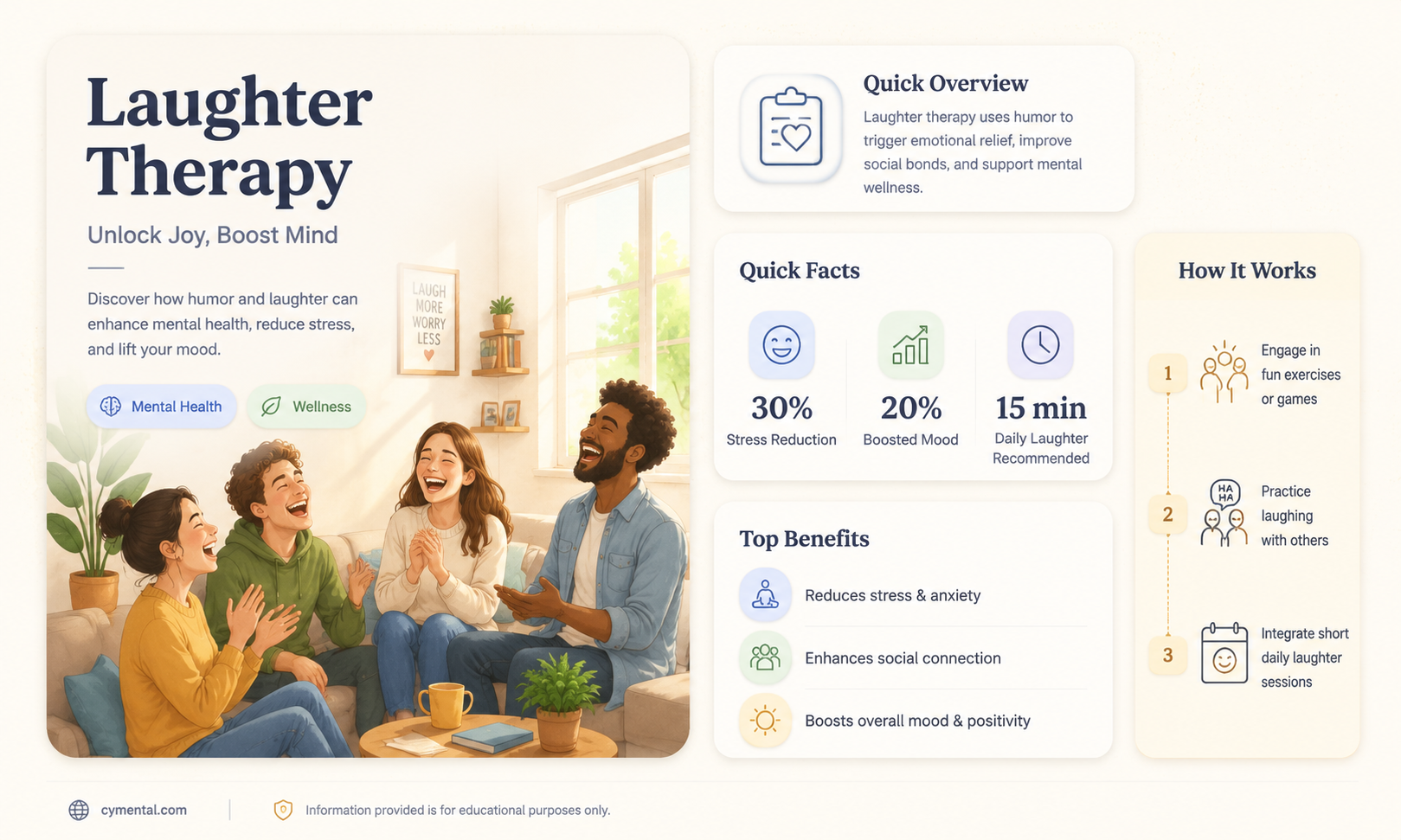
Laughter, often referred to as the best medicine, has long been celebrated for its ability to uplift spirits and foster connection, but its impact on mental health extends far beyond momentary joy. Emerging research suggests that laughter can trigger the release of endorphins, reduce stress hormones like cortisol, and promote relaxation, all of which contribute to improved mood and reduced anxiety. Additionally, shared laughter strengthens social bonds, combating feelings of isolation and loneliness, which are common contributors to mental health struggles. By serving as a natural coping mechanism, laughter may also help individuals reframe negative thoughts and build resilience, making it a valuable tool in the broader toolkit for managing and enhancing mental well-being.
Explore related products




What You'll Learn
- Laughter reduces stress hormones, promoting relaxation and alleviating anxiety symptoms effectively
- Endorphins released during laughter boost mood, combating depression and enhancing emotional well-being
- Social laughter strengthens connections, reducing loneliness and fostering supportive relationships for mental health
- Humor as coping mechanism helps reframe challenges, building resilience against mental health struggles
- Laughter improves cognitive function, reducing mental fatigue and enhancing focus and clarity

Laughter reduces stress hormones, promoting relaxation and alleviating anxiety symptoms effectively
Laughter, often dubbed the best medicine, has a profound impact on our physiological state, particularly in reducing stress hormones. When we laugh, our bodies release endorphins, which act as natural painkillers and mood elevators. Simultaneously, laughter decreases the levels of cortisol, the primary stress hormone. A study published in the *Journal of Behavioral Medicine* found that participants who engaged in laughter yoga experienced a significant drop in cortisol levels compared to a control group. This hormonal shift creates a biochemical environment conducive to relaxation, making laughter a powerful tool for stress management.
To harness laughter’s stress-reducing benefits, consider incorporating it into your daily routine. Start with 10–15 minutes of laughter exercises, such as watching a comedy clip, sharing jokes with friends, or practicing laughter yoga. For maximum effectiveness, aim for genuine, hearty laughter rather than forced chuckles. Research suggests that even simulated laughter can trigger physiological changes, but authentic laughter amplifies these effects. Pair this practice with deep breathing to enhance relaxation further, as the combination of laughter and controlled breathing optimizes oxygen intake and calms the nervous system.
Anxiety sufferers, in particular, can benefit from laughter’s ability to alleviate symptoms. Chronic anxiety often stems from heightened stress hormone activity, which laughter directly counteracts. A 2012 study in *Psychology Today* highlighted that individuals who engaged in regular laughter activities reported a 20% reduction in anxiety symptoms over six weeks. For those with mild to moderate anxiety, laughter can serve as a complementary therapy, reducing the reliance on medication or other interventions. However, it’s crucial to note that laughter should not replace professional treatment but rather supplement it for holistic well-being.
Practical tips for integrating laughter into anxiety management include creating a “laughter toolkit”—a collection of videos, podcasts, or books that reliably induce laughter. Schedule laughter breaks during stressful periods, such as before a big meeting or after a challenging interaction. For children and adolescents, who are increasingly affected by anxiety, incorporating laughter through games, silly songs, or family humor sessions can be particularly effective. The key is consistency; making laughter a habitual part of your routine ensures its long-term benefits in reducing stress hormones and promoting relaxation.
Anime's Impact: Exploring Mental Health Benefits and Emotional Healing
You may want to see also
Explore related products


Endorphins released during laughter boost mood, combating depression and enhancing emotional well-being
Laughter triggers the release of endorphins, often referred to as the body’s "feel-good" hormones. These chemicals act as natural painkillers and mood elevators, creating a sense of euphoria and relaxation. When you laugh, your brain’s limbic system, which regulates emotions, is activated, leading to a surge of endorphins. This biochemical response is why even forced laughter can improve mood—your brain doesn’t distinguish between genuine and simulated laughter, so both yield similar benefits. For instance, laughter yoga, a practice combining laughter exercises with yoga breathing, leverages this mechanism to enhance emotional well-being, even in individuals who don’t initially feel like laughing.
To harness the mood-boosting power of endorphins, aim for at least 10–15 minutes of laughter daily. This can be achieved through watching comedy shows, sharing jokes with friends, or joining a laughter club. Studies show that consistent laughter can reduce symptoms of depression by increasing endorphin levels and decreasing stress hormones like cortisol. For older adults, laughter sessions have been linked to improved mental health outcomes, as social engagement and humor can counteract feelings of isolation. Even in clinical settings, laughter therapy is increasingly used as a complementary treatment for depression, offering a low-cost, side-effect-free intervention.
While laughter’s benefits are clear, it’s not a standalone cure for depression or severe mental health conditions. Think of it as a tool in your emotional toolkit, not a replacement for professional treatment. Combining laughter with therapy, medication, or mindfulness practices can amplify its effects. For example, pairing laughter exercises with deep breathing enhances endorphin release while promoting relaxation. Caution should be taken not to force laughter if it feels inauthentic, as this can lead to frustration. Instead, focus on activities that naturally induce laughter, such as playing with pets, watching stand-up comedy, or engaging in playful activities with loved ones.
The science is compelling: laughter’s endorphin boost is a simple yet powerful way to combat depression and enhance emotional well-being. By incorporating humor into daily routines, individuals can tap into this natural mood enhancer. Start small—set aside time each day for something that makes you laugh, whether it’s a funny podcast or a comedy movie. For parents, encouraging laughter in children through games and storytelling can foster resilience and positive emotional development. Ultimately, laughter is a free, accessible resource that, when used consistently, can significantly improve mental health and quality of life.
Birth Control and Mental Health: Exploring Potential Benefits and Risks
You may want to see also
Explore related products

$12.23 $14.39


Social laughter strengthens connections, reducing loneliness and fostering supportive relationships for mental health
Laughter, particularly when shared socially, acts as a powerful adhesive in human relationships. Neurological studies reveal that social laughter activates the brain’s reward centers, releasing dopamine, which not only enhances pleasure but also strengthens social bonds. For instance, group laughter during a comedy show or a shared joke triggers mirror neurons, fostering a sense of unity and belonging. This biological mechanism explains why laughter in social settings feels inherently connective, counteracting feelings of isolation. By engaging in collective laughter, individuals unconsciously signal acceptance and camaraderie, laying the groundwork for deeper, more supportive relationships.
To harness the benefits of social laughter, consider incorporating structured activities into your routine. Laughter yoga, for example, combines voluntary laughter exercises with yogic breathing, promoting both physical and emotional well-being. A 20-minute session, practiced 3–4 times a week, has been shown to reduce stress hormones like cortisol while increasing oxytocin, the "bonding hormone." For older adults, community-based laughter groups can be particularly effective, as they combat age-related loneliness and provide a safe space for social interaction. Even simple acts, like hosting a weekly game night or sharing humorous videos with friends, can create opportunities for shared laughter and connection.
Contrastingly, the absence of social laughter can exacerbate mental health challenges. Loneliness, often described as a silent epidemic, weakens immune function and increases the risk of depression and anxiety. In a comparative study, individuals who reported infrequent social laughter were 30% more likely to experience chronic loneliness than those who laughed regularly with others. This highlights the importance of proactive efforts to integrate laughter into social interactions. For introverts or those with social anxiety, starting small—such as laughing with a trusted friend or joining a low-pressure social group—can build confidence and gradually reduce feelings of isolation.
A persuasive argument for prioritizing social laughter lies in its long-term impact on mental resilience. Supportive relationships, nurtured through shared humor, act as a buffer against life’s stressors. For example, couples who laugh together report higher relationship satisfaction and better conflict resolution skills. Similarly, workplace teams that incorporate humor into their dynamics exhibit greater collaboration and reduced burnout. By viewing laughter as a social tool rather than a spontaneous reaction, individuals can intentionally cultivate environments that foster connection and emotional well-being.
In practice, fostering social laughter requires mindfulness and intentionality. Start by identifying humor styles that resonate with your social circle—whether it’s witty banter, playful teasing, or absurd observations. Avoid sarcasm or humor at others’ expense, as these can undermine trust. Instead, focus on inclusive, lighthearted interactions that invite everyone to participate. For parents, modeling social laughter with children through games like "pretend laughter" can teach them the value of shared joy. Ultimately, social laughter is not just a byproduct of connection but a deliberate practice that strengthens the fabric of relationships, making it an essential tool for mental health.
Supporting Through Crisis: Texting Tips for Mental Breakdown Assistance
You may want to see also
Explore related products


Humor as coping mechanism helps reframe challenges, building resilience against mental health struggles
Laughter, often dubbed the best medicine, has a profound impact on mental health, particularly when harnessed as a coping mechanism. By injecting humor into difficult situations, individuals can shift their perspective, transforming overwhelming challenges into manageable—even amusing—obstacles. This reframing process is not merely a temporary distraction; it rewires the brain to approach adversity with greater flexibility and optimism. For instance, a study published in *Cognitive Therapy and Research* found that participants who used humor to cope reported lower levels of stress and higher levels of resilience compared to those who relied on passive coping strategies. The key lies in the ability to find the absurd or lighthearted in the midst of hardship, a skill that can be cultivated with practice.
To leverage humor as a coping mechanism, start by identifying the absurdity in everyday struggles. For example, if you’re stuck in traffic, imagine the cars as participants in a slow-motion race or narrate the scene as a dramatic soap opera. This technique, known as "reframing through humor," disrupts the cycle of negative thinking and creates emotional distance from the stressor. Practical tips include keeping a humor journal to jot down funny observations or watching comedy clips daily for a 10–15 minute "laughter dose." Even forced laughter, as in laughter yoga, triggers physiological benefits like reduced cortisol levels, proving that the act of laughing itself—regardless of the reason—can alleviate mental strain.
While humor is a powerful tool, it’s not a one-size-fits-all solution. For individuals with severe depression or anxiety, forced humor may feel inauthentic or even counterproductive. In such cases, it’s essential to pair humor with professional mental health support. A balanced approach might involve using humor as a supplementary strategy, not a replacement for therapy or medication. For younger age groups, like teenagers, humor can be particularly effective; incorporating memes, satirical videos, or comedic storytelling into coping routines can make mental health practices feel less daunting and more relatable.
Comparing humor to other coping mechanisms highlights its unique advantages. Unlike avoidance or substance use, humor actively engages the mind, fostering problem-solving skills and emotional agility. It also strengthens social connections, as shared laughter builds rapport and reduces feelings of isolation. For instance, group activities like improv classes or comedy nights can serve as both a coping mechanism and a social outlet. However, it’s crucial to distinguish between healthy humor, which uplifts and connects, and unhealthy humor, such as sarcasm or self-deprecation, which can exacerbate negative emotions.
Incorporating humor into daily life requires intentionality but yields long-term benefits. Start small: label one challenge per day as a "comedy sketch" and brainstorm a humorous angle. Over time, this practice builds resilience by training the brain to approach difficulties with creativity rather than dread. For families, creating a "laughter ritual," such as a weekly funny story night, can foster a collective sense of resilience. Ultimately, humor as a coping mechanism is not about denying pain but about reclaiming power over it, one laugh at a time.
Ice Bucket Challenge: Uniting Communities, Raising Awareness, and Boosting Mental Health
You may want to see also
Explore related products




Laughter improves cognitive function, reducing mental fatigue and enhancing focus and clarity
Laughter, often dismissed as a mere emotional response, is a powerful tool for enhancing cognitive function. Studies show that engaging in genuine laughter stimulates multiple regions of the brain, including the cerebral cortex, which is responsible for higher-order thinking. This activation not only sharpens focus but also improves information retention. For instance, a 2014 study published in the *Journal of Neuroscience* found that participants who watched humorous videos performed better on memory tests compared to those who watched non-humorous content. Incorporating 10–15 minutes of laughter daily, whether through comedy shows, social interactions, or humorous content, can serve as a cognitive workout, keeping mental processes agile and efficient.
Mental fatigue, a common byproduct of prolonged stress or overwork, can cloud judgment and hinder productivity. Laughter acts as a natural antidote by triggering the release of endorphins, which counteract stress hormones like cortisol. A 2011 study in the *International Journal of Stress Management* revealed that individuals who engaged in laughter yoga experienced significant reductions in mental exhaustion. To combat mental fatigue, try scheduling "laughter breaks" during intense work sessions. For example, take a 5-minute pause to watch a funny video or share jokes with colleagues. This simple practice can reset your mental state, restoring clarity and energy without disrupting your workflow.
While laughter’s benefits are clear, its effectiveness depends on authenticity. Forced laughter or humor that feels insincere may yield minimal cognitive gains. Instead, seek out sources of humor that genuinely resonate with you, such as stand-up comedy, memes, or lighthearted conversations with friends. For children and adolescents, whose brains are still developing, laughter can play a critical role in cognitive growth. Incorporating playful activities like games or storytelling into their routines not only fosters joy but also enhances their ability to concentrate and learn. Parents and educators can leverage this by creating environments that encourage laughter and spontaneity.
To maximize laughter’s cognitive benefits, combine it with mindfulness practices. For example, after a session of laughter, take a moment to focus on your breathing and observe how your mind feels lighter and more alert. This dual approach amplifies the positive effects, ensuring both immediate and long-term cognitive improvements. Additionally, track your progress by noting changes in your ability to focus or recall information over time. Consistency is key—make laughter a non-negotiable part of your daily routine, and you’ll soon notice a sharper mind and reduced mental fatigue.
Family Doctors: Your First Line in Mental Health Support?
You may want to see also
Frequently asked questions
Yes, laughter can positively impact mental health by reducing stress, releasing endorphins, and promoting relaxation. It helps lower cortisol levels, the stress hormone, and can improve mood and resilience.
Laughter therapy, also known as humor therapy, uses humor and laughter exercises to improve emotional well-being. It encourages positive thinking, enhances social connections, and provides a healthy coping mechanism for stress and anxiety.
While laughter alone cannot cure depression or anxiety, it can complement traditional treatments by boosting mood, reducing symptoms, and fostering a sense of joy. It’s most effective when combined with therapy, medication, or other mental health strategies.