Ava Ramirez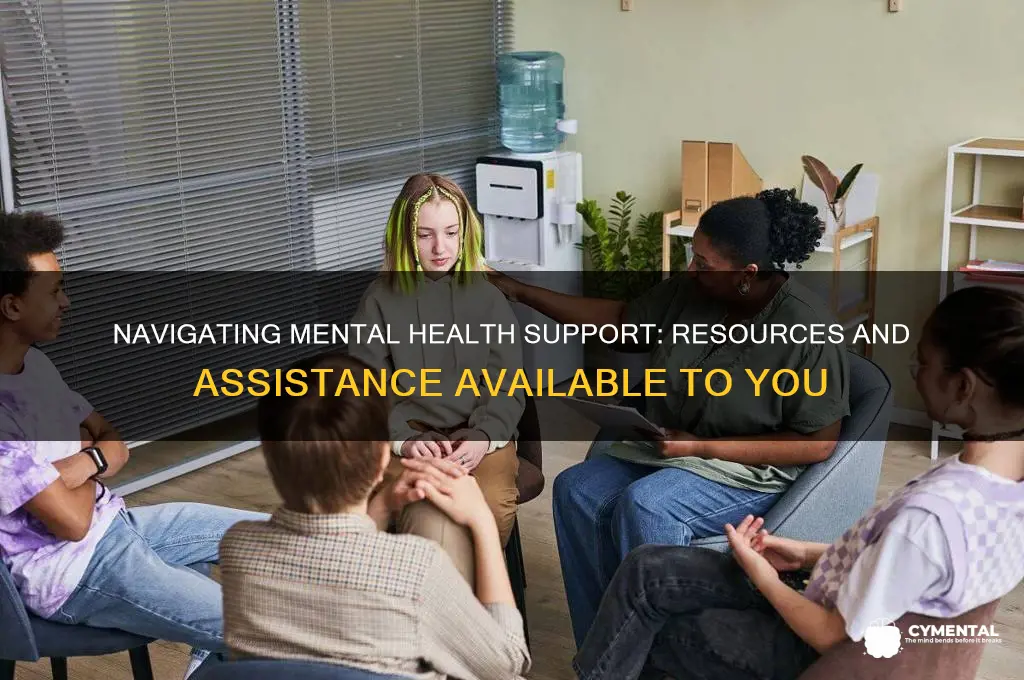
Navigating mental health challenges can feel overwhelming, but it’s important to know that you’re not alone and there are numerous resources available to support you. From professional therapy and counseling to medication, support groups, and self-help strategies, the options for mental health assistance are diverse and tailored to individual needs. Many countries offer free or subsidized mental health services through public healthcare systems, while online platforms and apps provide accessible tools for managing stress, anxiety, and depression. Additionally, community organizations, helplines, and peer support networks can offer immediate help and a sense of connection. Understanding the available resources is the first step toward finding the right support for your unique journey toward mental well-being.
Explore related products


What You'll Learn
- Therapy Options: Explore various therapies like CBT, DBT, and psychotherapy for tailored mental health support
- Medication Assistance: Learn about psychiatric medications, their uses, and how they complement mental health treatment
- Support Groups: Join peer-led or professional groups for shared experiences and emotional encouragement
- Crisis Hotlines: Access 24/7 helplines for immediate mental health crisis intervention and guidance
- Self-Care Strategies: Discover mindfulness, exercise, and journaling techniques to manage mental well-being daily

Therapy Options: Explore various therapies like CBT, DBT, and psychotherapy for tailored mental health support
Therapy isn’t one-size-fits-all. For instance, Cognitive Behavioral Therapy (CBT) is a structured, goal-oriented approach that typically spans 12 to 20 sessions. It’s highly effective for anxiety, depression, and phobias by targeting negative thought patterns and replacing them with constructive behaviors. Imagine it as a mental workout: you practice identifying distorted thinking, challenge it, and gradually rewire your brain’s default responses. Studies show that 50–75% of patients experience significant improvement, often within 3 to 4 months. If you’re someone who thrives on problem-solving and prefers a hands-on approach, CBT could be your best starting point.
For those struggling with emotional regulation or self-harm, Dialectical Behavior Therapy (DBT) offers a lifeline. Originally designed for borderline personality disorder, DBT combines individual therapy, group skills training, and phone coaching. Over 6 months to a year, you’ll learn mindfulness, distress tolerance, and interpersonal effectiveness. Unlike CBT, DBT emphasizes acceptance alongside change, making it ideal for individuals who feel overwhelmed by intense emotions. For example, a 20-minute daily mindfulness practice, as taught in DBT, has been shown to reduce emotional reactivity by up to 40% in just 8 weeks. It’s demanding but transformative, particularly for those with chronic emotional instability.
Psychotherapy, often called "talk therapy," is broader and more flexible than CBT or DBT. It explores deep-seated issues, past traumas, and relationship patterns over months or years. Sessions are less structured, allowing for free-flowing conversation. This approach is particularly beneficial for individuals seeking self-discovery or grappling with long-standing emotional wounds. For instance, a 50-year-old with unresolved childhood trauma might find psychotherapy more effective than CBT’s focused, short-term approach. However, progress can be slower, and it requires patience and commitment.
Choosing the right therapy depends on your needs, preferences, and goals. CBT is ideal for specific, actionable issues; DBT is a lifesaver for emotional crises; and psychotherapy offers a deep dive into personal history. Some therapists blend these approaches, tailoring sessions to your unique situation. For example, a therapist might use CBT techniques to address panic attacks while incorporating DBT mindfulness exercises for overall emotional balance. Practical tip: Before starting, ask your therapist about their approach, session frequency, and expected duration. Mental health is a journey, and the right therapy can be your compass.
Moderate Alcohol Consumption: Boosting Mental Function or Myth?
You may want to see also
Explore related products


Medication Assistance: Learn about psychiatric medications, their uses, and how they complement mental health treatment
Psychiatric medications are a cornerstone of treatment for many mental health conditions, often working in tandem with therapy and lifestyle changes to provide relief and stability. From antidepressants to antipsychotics, these medications target specific brain chemicals and pathways to alleviate symptoms like depression, anxiety, and mood swings. Understanding their uses, potential side effects, and how they fit into a broader treatment plan is essential for anyone considering this option. For instance, selective serotonin reuptake inhibitors (SSRIs), such as fluoxetine (Prozac) or sertraline (Zoloft), are commonly prescribed for depression and anxiety disorders, often starting at low doses (e.g., 20 mg/day) and adjusted based on response and tolerance.
While medication can be transformative, it’s not a one-size-fits-all solution. For example, antipsychotics like olanzapine or quetiapine are effective for schizophrenia and bipolar disorder but may cause weight gain or metabolic changes, requiring careful monitoring. Similarly, mood stabilizers such as lithium are vital for bipolar disorder but necessitate regular blood tests to ensure safe levels. Age and health status also play a role; adolescents and older adults may require lower doses or alternative medications due to differences in metabolism and sensitivity. Always consult a healthcare provider to tailor the treatment to your specific needs.
One of the most significant benefits of psychiatric medication is its ability to complement other forms of treatment. For instance, someone with severe depression may find that medication reduces their symptoms enough to engage meaningfully in therapy or adopt healthier habits like exercise and mindfulness. This synergy is particularly evident in conditions like obsessive-compulsive disorder (OCD), where medications like clomipramine or SSRIs enhance the effectiveness of exposure and response prevention therapy. However, medication alone is rarely sufficient; it’s a tool, not a cure, and works best as part of a comprehensive approach.
Practical tips can make medication management smoother. Always take medications as prescribed, even if you feel better, as abruptly stopping can lead to withdrawal symptoms or relapse. Keep a symptom journal to track changes and side effects, which can help your provider fine-tune your treatment. If cost is a barrier, explore patient assistance programs or generic options, which are often just as effective as brand-name drugs. Finally, be patient—it can take 4–6 weeks for some medications to reach full effect, and finding the right one may involve trial and adjustment.
In conclusion, medication assistance is a vital component of mental health treatment, offering symptom relief and stability for many conditions. By understanding how these medications work, their potential benefits and risks, and how they integrate with other therapies, individuals can make informed decisions about their care. With the right approach, psychiatric medications can be a powerful ally in the journey toward mental wellness.
Running for Mental Health: How Lacing Up Boosts Your Mind
You may want to see also
Explore related products




Support Groups: Join peer-led or professional groups for shared experiences and emotional encouragement
Support groups offer a unique sanctuary where individuals facing similar mental health challenges converge to share stories, strategies, and solace. Unlike one-on-one therapy, these groups harness the power of collective experience, transforming isolation into connection. Peer-led groups, often facilitated by individuals with lived experience, foster an environment of equality and understanding, while professionally led groups provide structured guidance rooted in clinical expertise. Both formats serve as lifelines, offering emotional encouragement and practical coping mechanisms in a non-judgmental space.
Consider the mechanics of joining a support group: start by identifying your specific needs—whether it’s anxiety, depression, grief, or addiction. Online platforms like Meetup, Psychology Today, or local community boards often list groups tailored to these concerns. For those hesitant about in-person meetings, virtual groups provide accessibility and anonymity. Age-specific groups, such as those for teenagers or seniors, ensure relevance and relatability. Once you’ve found a group, commit to attending regularly; consistency builds trust and deepens connections. Remember, the first session might feel awkward, but vulnerability is the cornerstone of healing.
The benefits of support groups extend beyond emotional relief. Research shows that participants often experience reduced symptoms of anxiety and depression, improved social skills, and a greater sense of belonging. Peer-led groups, in particular, empower members by demonstrating that recovery is possible through shared resilience. Professionally led groups, on the other hand, often incorporate evidence-based techniques like cognitive-behavioral therapy or mindfulness, offering a dual layer of support. For instance, a study published in the *Journal of Clinical Psychology* found that participants in professionally led groups reported a 40% reduction in stress levels after 12 weeks.
However, support groups are not a one-size-fits-all solution. They thrive on active participation, which can be daunting for introverts or those with severe social anxiety. Additionally, while peer-led groups offer camaraderie, they lack the clinical expertise to address complex mental health issues. It’s crucial to view these groups as a complement to, not a replacement for, individual therapy or medication. If a group feels unsupportive or triggers discomfort, don’t hesitate to seek another—finding the right fit is essential for growth.
In practice, support groups are a testament to the human capacity for empathy and resilience. They remind us that we are not alone in our struggles and that healing often begins when we share our burdens. Whether you’re navigating a new diagnosis or seeking ongoing support, these groups provide a safe harbor where experiences are validated, and hope is cultivated. Take the first step—reach out, join a group, and let the collective strength of shared stories guide you toward healing.
Early Intervention: Key to Better Outcomes for Mental Health?
You may want to see also
Explore related products


Crisis Hotlines: Access 24/7 helplines for immediate mental health crisis intervention and guidance
In moments of acute mental distress, immediate support can be a lifeline. Crisis hotlines offer 24/7 access to trained professionals who provide real-time intervention, guidance, and de-escalation strategies. These services are designed to bridge the gap between the onset of a crisis and the availability of in-person care, ensuring no one faces their darkest moments alone.
Consider this scenario: a young adult experiencing suicidal thoughts late at night. Instead of waiting until morning to seek help, they can call a crisis hotline like the National Suicide Prevention Lifeline (988 in the U.S.). The operator, trained in active listening and crisis management, assesses the situation, offers coping mechanisms, and connects the caller to local emergency services if necessary. This immediate response can be the difference between life and death.
Crisis hotlines are not just for suicidal emergencies. They assist with panic attacks, severe anxiety, self-harm urges, and overwhelming emotional pain. For instance, the Crisis Text Line (text HOME to 741741) caters to those who prefer texting over calling, providing discreet support for individuals in public spaces or uncomfortable with verbal communication. These services are anonymous, confidential, and free, removing barriers to access.
While crisis hotlines are invaluable, they are not a substitute for long-term mental health care. Think of them as a first-aid kit for the mind—essential in emergencies but insufficient for chronic conditions. After using a hotline, individuals should follow up with a mental health professional for ongoing treatment. Additionally, not all hotlines are created equal; some specialize in specific demographics, such as veterans (Veterans Crisis Line: 988, Press 1) or LGBTQ+ youth (The Trevor Project: 1-866-488-7386). Choosing the right service ensures culturally competent and tailored support.
Practical tip: Save crisis hotline numbers in your phone and share them with loved ones. In a crisis, every second counts, and having this information readily available can streamline access to help. Remember, reaching out is a sign of strength, not weakness, and these services exist to support you in your most vulnerable moments.
Exercise and Mental Health: Boosting Mood, Focus, and Resilience Naturally
You may want to see also
Explore related products


Self-Care Strategies: Discover mindfulness, exercise, and journaling techniques to manage mental well-being daily
Mental health challenges affect millions globally, yet self-care strategies offer accessible, daily tools to manage well-being. Among these, mindfulness, exercise, and journaling stand out for their simplicity and effectiveness. Each practice targets different aspects of mental health, from stress reduction to emotional clarity, and can be tailored to individual needs. By integrating these techniques into daily routines, individuals can build resilience and foster long-term mental wellness.
Mindfulness: The Art of Present-Moment Awareness
Mindfulness involves focusing on the present moment without judgment. Research shows that just 10 minutes of daily mindfulness meditation can reduce anxiety and improve emotional regulation. Start by sitting comfortably, closing your eyes, and observing your breath. When thoughts wander, gently return your focus to the sensation of breathing. Apps like Headspace or Calm offer guided sessions for beginners. For those with busy schedules, incorporate mindfulness into everyday activities, such as eating or walking, by paying full attention to the sensory experience. Caution: Avoid forcing mindfulness if it feels overwhelming; start small and gradually increase duration.
Exercise: A Natural Mood Booster
Physical activity is a powerful tool for mental health, releasing endorphins that combat depression and anxiety. The World Health Organization recommends at least 150 minutes of moderate-intensity exercise weekly, such as brisk walking or cycling. For maximum mental health benefits, combine aerobic exercise with strength training. Yoga, a dual mindfulness-exercise practice, is particularly effective for reducing stress and improving sleep. Practical tip: Break workouts into shorter sessions, like three 10-minute walks daily, if time is limited. Age-specific advice: Older adults should focus on low-impact activities like swimming or tai chi to minimize injury risk.
Journaling: Unraveling Thoughts and Emotions
Journaling provides a safe space to explore thoughts, emotions, and experiences. Studies indicate that expressive writing for 15–20 minutes daily can reduce symptoms of depression and improve overall mood. Start by setting a timer and writing freely without editing. Prompts like "What am I grateful for today?" or "What’s causing me stress?" can guide reflection. For structured journaling, try the "bullet journal" method, combining to-do lists, mood tracking, and goal setting. Caution: Avoid journaling late at night if it triggers anxiety; instead, opt for morning or afternoon sessions.
Synergy of Practices: Building a Holistic Routine
Combining mindfulness, exercise, and journaling creates a synergistic effect on mental well-being. For instance, a morning routine might include 10 minutes of meditation, 20 minutes of yoga, and 5 minutes of journaling. This holistic approach addresses mental, emotional, and physical health simultaneously. Tailor the routine to personal preferences and energy levels—some may prefer journaling at night to reflect on the day. Practical tip: Use a habit tracker to monitor consistency and celebrate progress.
By embracing mindfulness, exercise, and journaling, individuals can take proactive steps toward managing their mental health daily. These strategies are not one-size-fits-all but adaptable, empowering tools for anyone seeking to cultivate resilience and clarity in an often chaotic world. Start small, stay consistent, and watch the cumulative benefits unfold.
Tea's Soothing Power: Boosting Mental Health and Reducing Stress
You may want to see also
Frequently asked questions
Professional help includes therapy (e.g., cognitive-behavioral therapy, psychotherapy), counseling, medication prescribed by psychiatrists, and support from psychologists, social workers, or mental health nurses.
Yes, many communities offer free or low-cost resources such as government-funded clinics, non-profit organizations, helplines (e.g., crisis hotlines), and online platforms providing therapy or counseling at reduced rates.
Start by consulting your primary care doctor for a referral, researching local mental health services, or using online directories. Consider your specific needs (e.g., anxiety, depression) and preferences (e.g., in-person vs. online therapy) to find the best fit.