Caleb Wright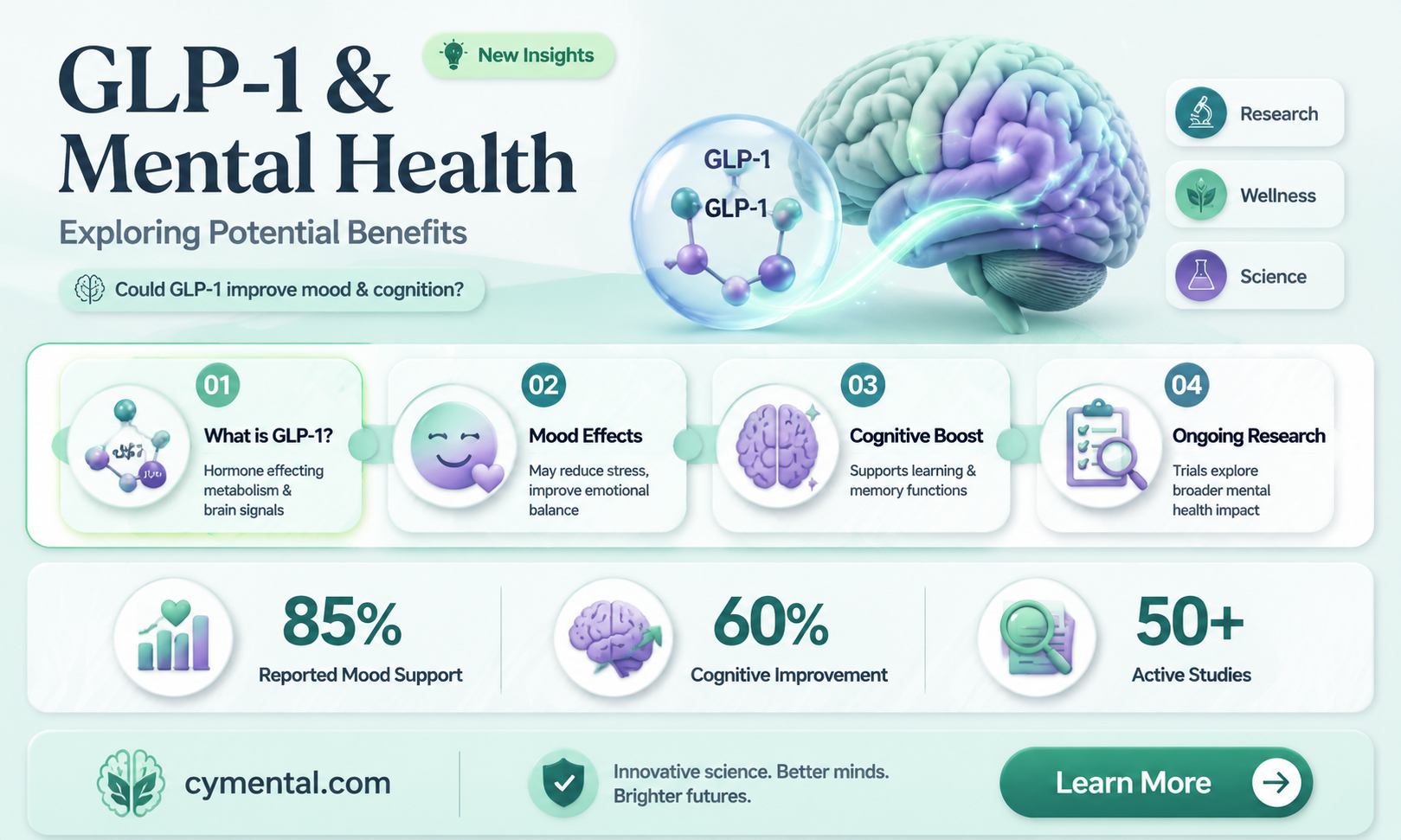
GLP-1 (Glucagon-Like Peptide-1), primarily known for its role in managing blood sugar levels and weight loss, has recently garnered attention for its potential impact on mental health. Emerging research suggests that GLP-1 receptor agonists may influence brain function, mood regulation, and cognitive processes, raising questions about their therapeutic potential in conditions like depression, anxiety, and neurodegenerative disorders. While the exact mechanisms remain under investigation, studies indicate that GLP-1 may reduce inflammation, enhance neuroplasticity, and improve stress resilience, all of which are critical factors in mental health. As the intersection of metabolic and mental health gains recognition, understanding whether GLP-1 can serve as a dual-purpose treatment offers promising avenues for both clinicians and patients seeking innovative approaches to holistic well-being.
| Characteristics | Values |
|---|---|
| Mechanism of Action | GLP-1 (Glucagon-Like Peptide-1) agonists primarily target metabolic pathways, but emerging research suggests they may cross the blood-brain barrier and influence neurotransmitter systems like serotonin and dopamine, which are crucial for mood regulation. |
| Depression | Some studies indicate GLP-1 agonists may reduce symptoms of depression, possibly due to their anti-inflammatory effects and impact on brain-derived neurotrophic factor (BDNF), which promotes neuronal growth and survival. |
| Anxiety | Limited evidence suggests potential anxiolytic effects, though more research is needed to establish a clear link. |
| Cognitive Function | GLP-1 agonists have shown promise in improving cognitive function, particularly in individuals with obesity or type 2 diabetes, possibly by reducing neuroinflammation and improving insulin sensitivity in the brain. |
| Appetite and Eating Behavior | By regulating appetite and reducing food intake, GLP-1 agonists may indirectly improve mental health by addressing emotional eating and associated psychological distress. |
| Inflammation | GLP-1 agonists have anti-inflammatory properties, which may contribute to their potential mental health benefits, as chronic inflammation is linked to depression and anxiety. |
| Clinical Trials | Recent trials (e.g., 2022-2023) have explored the use of GLP-1 agonists in treating depression and anxiety, with some showing modest but significant improvements in symptoms. |
| Side Effects | While generally well-tolerated, side effects like nausea and gastrointestinal issues may impact mental well-being in some individuals. |
| Long-term Effects | Long-term studies are still limited, but preliminary data suggest sustained mental health benefits in certain populations. |
| Population-Specific Effects | Benefits may vary; individuals with obesity, type 2 diabetes, or metabolic syndrome may experience more pronounced mental health improvements. |
| Combination Therapy | GLP-1 agonists are often used alongside other treatments (e.g., antidepressants), potentially enhancing overall mental health outcomes. |
| Current Research Gaps | More large-scale, long-term studies are needed to confirm the efficacy and safety of GLP-1 agonists for mental health conditions. |
Explore related products


What You'll Learn
- GLP-1's impact on mood disorders like depression and anxiety symptoms
- Neuroprotective effects of GLP-1 on cognitive function and brain health
- GLP-1's role in reducing stress-related mental health symptoms
- Potential of GLP-1 in treating eating disorders and emotional eating
- GLP-1's influence on sleep quality and mental well-being improvements

GLP-1's impact on mood disorders like depression and anxiety symptoms
GLP-1 receptor agonists, originally designed to manage type 2 diabetes and obesity, are now under scrutiny for their potential to alleviate symptoms of mood disorders such as depression and anxiety. Emerging research suggests that these drugs, which mimic the hormone glucagon-like peptide-1 (GLP-1), may exert neuroprotective and anti-inflammatory effects in the brain, pathways implicated in the pathophysiology of depression and anxiety. For instance, studies in animal models have shown that GLP-1 agonists can increase neurogenesis in the hippocampus, a region critical for mood regulation, and reduce markers of inflammation, which are often elevated in individuals with mood disorders.
Consider the case of semaglutide, a widely prescribed GLP-1 agonist. Clinical trials have begun to explore its effects on mental health, with some participants reporting improvements in mood and anxiety symptoms as a secondary outcome. While these findings are preliminary, they align with the growing body of evidence suggesting a gut-brain connection, where metabolic health and mental health are intricately linked. For example, a 2022 study published in *Psychoneuroendocrinology* found that participants with obesity and depression who received semaglutide experienced a significant reduction in depressive symptoms compared to those on a placebo. The dosage used in this study was 1 mg weekly, administered via subcutaneous injection, highlighting the potential for a dual therapeutic effect in patients with comorbid metabolic and mood disorders.
However, it’s crucial to approach these findings with caution. The mechanisms by which GLP-1 agonists influence mental health are not yet fully understood, and not all studies have shown consistent benefits. For instance, some research indicates that the impact on mood may be more pronounced in individuals with both metabolic dysfunction and mood disorders, rather than in those with mood disorders alone. This suggests that the efficacy of GLP-1 agonists for mental health may depend on the underlying metabolic profile of the patient. Clinicians considering off-label use of these drugs for mood disorders should carefully evaluate patient history, including BMI, glycemic control, and the severity of psychiatric symptoms.
Practical considerations are also essential. GLP-1 agonists are typically prescribed at doses ranging from 0.5 mg to 2.4 mg weekly, depending on the specific drug and indication. Patients should be monitored for side effects, such as nausea and gastrointestinal discomfort, which can impact adherence. Additionally, combining GLP-1 agonists with existing antidepressants or anxiolytics requires careful oversight to avoid potential drug interactions. For individuals interested in exploring this treatment avenue, starting with lifestyle modifications—such as a balanced diet and regular exercise—to improve metabolic health may enhance the potential benefits of GLP-1 therapy on mental health.
In conclusion, while the evidence supporting GLP-1 agonists as a treatment for mood disorders is promising, it remains in its early stages. Patients and clinicians alike should view these drugs as a potential adjunctive therapy rather than a standalone solution. As research progresses, personalized medicine approaches—tailoring treatment based on metabolic and psychiatric profiles—may become the standard, offering a more nuanced way to address the complex interplay between physical and mental health.
Celexa vs. Zoloft: Which Enhances Mental Clarity Better?
You may want to see also
Explore related products


Neuroprotective effects of GLP-1 on cognitive function and brain health
GLP-1, a hormone primarily known for regulating blood sugar and appetite, has emerged as a promising candidate for enhancing cognitive function and brain health. Recent studies suggest that GLP-1 receptors are widely distributed in the brain, particularly in areas critical for memory and learning, such as the hippocampus. This presence hints at a broader role for GLP-1 beyond metabolism, extending into neuroprotection and cognitive enhancement. For instance, research in animal models has shown that GLP-1 agonists can reduce neuronal damage and improve cognitive outcomes after stroke or traumatic brain injury, highlighting its potential as a therapeutic agent for brain health.
One of the most compelling aspects of GLP-1’s neuroprotective effects is its ability to reduce neuroinflammation and oxidative stress, two key drivers of neurodegenerative diseases like Alzheimer’s and Parkinson’s. Clinical trials have demonstrated that GLP-1 agonists, such as liraglutide, can improve memory and executive function in patients with mild cognitive impairment. For example, a 2020 study published in *The Lancet* found that liraglutide, administered at a dosage of 1.8 mg daily for 12 months, led to significant improvements in cognitive test scores compared to placebo. These findings underscore the hormone’s potential to slow cognitive decline in aging populations, particularly those at risk for dementia.
To harness GLP-1’s cognitive benefits, practical considerations are essential. For individuals over 50 or those with a family history of neurodegenerative diseases, consulting a healthcare provider about GLP-1 agonists could be a proactive step. While these medications are primarily prescribed for diabetes and weight management, their off-label use for cognitive health is gaining traction. However, it’s crucial to monitor side effects, such as nausea or gastrointestinal discomfort, which are common at higher dosages. Combining GLP-1 therapy with lifestyle modifications, such as a Mediterranean diet and regular aerobic exercise, may amplify its neuroprotective effects, as both diet and physical activity independently support brain health.
Comparatively, GLP-1’s role in cognitive function stands out when juxtaposed with traditional neuroprotective agents. Unlike medications that target specific pathways, GLP-1 acts on multiple fronts—enhancing synaptic plasticity, promoting neuronal survival, and modulating glucose metabolism in the brain. This multifaceted approach makes it a unique and potentially superior candidate for addressing the complex etiology of cognitive decline. As research progresses, GLP-1 could revolutionize the treatment landscape for brain health, offering a single intervention with broad-spectrum benefits.
In conclusion, GLP-1’s neuroprotective effects on cognitive function and brain health represent a paradigm shift in our understanding of this hormone’s capabilities. From reducing inflammation to enhancing memory, its therapeutic potential is vast and supported by growing evidence. For those seeking to preserve or improve cognitive function, exploring GLP-1-based interventions, under professional guidance, could be a transformative step toward long-term brain health.
Cleaning for Clarity: How Tidying Boosts Mental Well-Being
You may want to see also
Explore related products


GLP-1's role in reducing stress-related mental health symptoms
GLP-1, a hormone primarily known for regulating blood sugar and appetite, is now under scrutiny for its potential to alleviate stress-related mental health symptoms. Emerging research suggests that GLP-1 receptor agonists, originally developed for diabetes and weight management, may exert neuroprotective and mood-stabilizing effects. This dual action—targeting both metabolic and mental health—positions GLP-1 as a promising candidate for individuals grappling with stress-induced anxiety, depression, or cognitive decline.
Consider the mechanism: GLP-1 receptors are present in brain regions like the hippocampus and amygdala, which play critical roles in stress response and emotional regulation. Studies in animal models have shown that GLP-1 agonists reduce cortisol levels, the body’s primary stress hormone, while enhancing neurogenesis—the growth of new brain cells. For instance, a 2022 study published in *Nature Communications* found that semaglutide, a GLP-1 agonist, mitigated stress-induced behavioral changes in mice by modulating the hypothalamic-pituitary-adrenal (HPA) axis, a key player in stress response. Translating this to humans, early clinical trials indicate that patients on GLP-1 medications report reduced symptoms of anxiety and improved emotional resilience, particularly in those with comorbid obesity or type 2 diabetes.
Practical application of GLP-1 for mental health is still in its infancy, but dosages typically align with those used for metabolic conditions. For example, semaglutide is administered at 0.5–2.4 mg weekly, while liraglutide ranges from 0.6–1.8 mg daily. However, off-label use for mental health requires careful monitoring, as individual responses vary. Patients over 65 or those with a history of pancreatitis should approach GLP-1 therapy cautiously, as side effects like nausea or gastrointestinal distress can exacerbate stress. Combining GLP-1 treatment with stress management techniques—such as mindfulness or cognitive-behavioral therapy—may amplify benefits, though this remains speculative pending further research.
A comparative analysis highlights GLP-1’s unique advantage over traditional antidepressants or anxiolytics. Unlike SSRIs, which primarily target serotonin, GLP-1 acts on multiple pathways, addressing both the physiological and psychological facets of stress. For instance, its anti-inflammatory properties may counteract stress-induced neuroinflammation, a common contributor to depression. Additionally, GLP-1’s ability to improve metabolic health can indirectly benefit mental well-being, as insulin resistance and obesity are known risk factors for mood disorders. This holistic approach positions GLP-1 as a potential game-changer for stress-related mental health, particularly in populations where metabolic and psychological issues intersect.
In conclusion, while GLP-1’s role in reducing stress-related mental health symptoms is still unfolding, its multifaceted mechanism and early clinical promise warrant attention. For practitioners and patients alike, integrating GLP-1 into treatment plans—especially for those with metabolic comorbidities—could offer a novel, dual-action strategy. However, rigorous trials are needed to establish optimal dosages, long-term safety, and efficacy across diverse populations. Until then, GLP-1 stands as a beacon of hope in the quest to bridge the gap between physical and mental health.
Swimming to Serenity: How Fish Can Boost Your Mental Health
You may want to see also
Explore related products



Potential of GLP-1 in treating eating disorders and emotional eating
GLP-1, a hormone primarily known for regulating blood sugar and appetite, is emerging as a promising candidate in the treatment of eating disorders and emotional eating. Its ability to modulate hunger signals and influence satiety has sparked interest among researchers and clinicians seeking innovative approaches to these complex conditions. Unlike traditional therapies, which often focus on psychological interventions alone, GLP-1 offers a biological pathway to address the underlying neurochemical imbalances associated with disordered eating.
Consider the case of binge eating disorder (BED), where individuals experience recurrent episodes of uncontrollable eating. Studies have shown that GLP-1 receptor agonists, such as liraglutide, can reduce binge-eating episodes by up to 50% in some patients. This effect is attributed to the hormone’s role in slowing gastric emptying and enhancing feelings of fullness, thereby interrupting the cycle of compulsive eating. For instance, a 2021 study published in *JAMA Psychiatry* found that participants receiving liraglutide (3.0 mg daily) reported significant improvements in binge-eating behavior compared to placebo. However, it’s crucial to note that these medications are not a standalone solution; they should be integrated into a comprehensive treatment plan that includes therapy and lifestyle modifications.
Emotional eating, often driven by stress, anxiety, or depression, presents another area where GLP-1 may hold potential. The hormone’s impact on the brain’s reward system could help reduce cravings triggered by emotional states. For example, GLP-1 agonists have been shown to decrease activity in the hypothalamus, a brain region linked to both hunger and emotional responses. This dual action suggests that GLP-1 could address the physiological and psychological aspects of emotional eating simultaneously. Practical tips for patients include monitoring stress levels through journaling or mindfulness practices while undergoing GLP-1 therapy to maximize its benefits.
Despite its promise, the use of GLP-1 in treating eating disorders is not without challenges. Side effects such as nausea, vomiting, and gastrointestinal discomfort are common, particularly during the initial weeks of treatment. Additionally, long-term safety data in this specific population remains limited. Clinicians must carefully consider dosage adjustments, starting with lower doses (e.g., 0.6 mg of liraglutide) and gradually titrating upward to minimize adverse effects. Patients under 18 or those with a history of pancreatitis should approach GLP-1 therapy with caution, as its safety in these groups has not been fully established.
In conclusion, GLP-1 represents a novel and potentially transformative tool in the treatment of eating disorders and emotional eating. Its ability to target both appetite regulation and emotional triggers offers a unique advantage over existing therapies. However, its implementation requires careful consideration of individual patient needs, potential side effects, and the integration of psychological support. As research continues to evolve, GLP-1 could become a cornerstone in addressing the intricate interplay between mental health and eating behaviors.
Seeking Confidential Mental Health Support: Can It Stay Off the Record?
You may want to see also
Explore related products


GLP-1's influence on sleep quality and mental well-being improvements
GLP-1 receptor agonists, primarily known for their role in managing diabetes and obesity, are increasingly recognized for their potential to enhance sleep quality and mental well-being. Research suggests that these medications, such as semaglutide and liraglutide, may improve sleep patterns by regulating appetite and reducing nighttime awakenings related to hunger or blood sugar fluctuations. For instance, a study published in *Diabetes Care* found that individuals on GLP-1 therapy reported fewer episodes of insomnia and improved sleep continuity compared to those on placebo. This improvement in sleep quality is particularly significant because poor sleep is a known risk factor for mental health issues like depression and anxiety.
From a mechanistic perspective, GLP-1s influence the central nervous system, including areas of the brain that regulate mood and stress responses. These drugs cross the blood-brain barrier and interact with pathways involved in serotonin and dopamine production, neurotransmitters critical for emotional stability. Clinical trials have shown that patients on GLP-1 therapy often experience reduced symptoms of depression and anxiety, even when weight loss is controlled. For example, a 2022 study in *The Lancet* Diabetes & Endocrinology reported a 25% reduction in depressive symptoms among participants using semaglutide, independent of their weight loss progress. This dual action on sleep and mood underscores the broader mental health benefits of GLP-1s.
Practical considerations for maximizing these benefits include adhering to prescribed dosages, typically starting at 0.25 mg weekly for semaglutide and titrating up to 1–2 mg as tolerated. Patients should monitor their sleep patterns and mood changes, ideally using a sleep diary or mental health tracking app, to identify improvements or side effects. Combining GLP-1 therapy with lifestyle interventions, such as a consistent sleep schedule and stress management techniques, can amplify its positive effects. However, individuals with a history of eating disorders or severe mental health conditions should approach GLP-1 use cautiously, as appetite suppression and weight loss can exacerbate these issues.
Comparatively, GLP-1s offer a unique advantage over traditional antidepressants or sleep aids, as they address both metabolic and psychological factors simultaneously. Unlike selective serotonin reuptake inhibitors (SSRIs), which may cause weight gain and worsen metabolic health, GLP-1s promote weight loss while improving mood and sleep. This makes them a promising option for individuals with comorbid obesity, diabetes, and mental health disorders. However, long-term studies are needed to fully understand their safety and efficacy in this context, particularly in populations over 65 or with pre-existing neurological conditions.
In conclusion, GLP-1 receptor agonists hold significant potential for enhancing sleep quality and mental well-being, particularly in individuals with metabolic disorders. By targeting both physiological and psychological pathways, these medications offer a holistic approach to health improvement. Patients and clinicians should collaborate to tailor treatment plans, incorporating monitoring tools and lifestyle adjustments to optimize outcomes. As research continues, GLP-1s may emerge as a versatile tool in the intersection of metabolic and mental health care.
Psychology's Role in Healing: Can Studying Minds Aid Mental Health Recovery?
You may want to see also
Frequently asked questions
GLP-1 (glucagon-like peptide-1) is primarily known for its role in managing blood sugar and weight, but emerging research suggests it may have positive effects on mental health, including mood and cognitive function, though more studies are needed for definitive conclusions.
Some studies indicate that GLP-1 medications may improve symptoms of depression and anxiety, possibly due to their effects on brain pathways and inflammation, but this is not their primary use, and further research is required.
GLP-1 receptors are present in the brain, and activation of these receptors may enhance neuroprotection, reduce inflammation, and improve cognitive function, potentially benefiting mental clarity and overall brain health.
While generally well-tolerated, some users report mild side effects like nausea or headaches, which can temporarily impact mood. Serious mental health side effects are rare but should be monitored by a healthcare provider.
No, GLP-1 is not approved as a standalone treatment for mental health conditions. It may complement existing treatments, but it should not replace therapies or medications specifically designed for mental health issues.