Noah Parker
Mental fog, characterized by feelings of confusion, forgetfulness, and difficulty concentrating, can significantly impact daily functioning and overall well-being. Addressing this issue often involves a combination of lifestyle adjustments, cognitive strategies, and, in some cases, professional interventions. Regular physical activity, such as walking or yoga, has been shown to enhance blood flow to the brain and improve mental clarity. Adequate sleep, a balanced diet rich in omega-3 fatty acids and antioxidants, and staying hydrated are also essential for maintaining cognitive function. Mindfulness practices, such as meditation and deep breathing exercises, can help reduce stress and improve focus. Additionally, organizing tasks, setting priorities, and minimizing distractions can enhance productivity and reduce mental clutter. For persistent or severe symptoms, consulting a healthcare professional may be necessary to rule out underlying conditions or explore therapeutic options like cognitive-behavioral therapy or medication. By adopting these strategies, individuals can effectively combat mental fog and regain mental sharpness.
| Characteristics | Values |
|---|---|
| Physical Activity | Regular exercise (e.g., walking, yoga) improves blood flow and reduces fog. |
| Hydration | Drinking adequate water (8-10 glasses/day) prevents dehydration-related fog. |
| Balanced Diet | Consuming omega-3s, antioxidants, and whole foods supports brain clarity. |
| Quality Sleep | 7-9 hours of uninterrupted sleep per night reduces mental fog. |
| Stress Management | Practices like meditation, deep breathing, or mindfulness alleviate fog. |
| Cognitive Exercises | Puzzles, reading, or learning new skills enhance mental sharpness. |
| Limit Screen Time | Reducing digital overload minimizes cognitive fatigue and fog. |
| Herbal Supplements | Ginkgo biloba, lion’s mane, or rhodiola may improve focus and clarity. |
| Social Interaction | Engaging with others stimulates the brain and reduces fog. |
| Consistent Routine | Structured daily schedules improve cognitive function and reduce fog. |
| Avoiding Toxins | Limiting alcohol, caffeine, and processed foods prevents mental fog. |
| Vitamin D | Adequate sunlight or supplements boost mood and cognitive function. |
| Time Management | Prioritizing tasks and avoiding multitasking reduces mental overload. |
| Mindfulness Practices | Grounding techniques or journaling help clear mental clutter. |
| Professional Support | Consulting a therapist or doctor addresses underlying causes of fog. |
Explore related products


What You'll Learn
- Adequate Sleep: 7-9 hours nightly improves cognitive clarity and reduces mental fatigue effectively
- Hydration: Drinking enough water boosts brain function and prevents foggy thinking
- Balanced Diet: Nutrient-rich foods like omega-3s and antioxidants enhance mental sharpness
- Regular Exercise: Physical activity increases blood flow to the brain, improving focus
- Stress Management: Techniques like meditation and deep breathing clear mental clutter

Adequate Sleep: 7-9 hours nightly improves cognitive clarity and reduces mental fatigue effectively
Sleep is the cornerstone of cognitive function, yet it’s often the first sacrifice in our overbooked lives. Research consistently shows that 7–9 hours of sleep per night is the sweet spot for adults aged 18–64, optimizing brain performance and warding off mental fog. Falling short of this range disrupts memory consolidation, attention, and decision-making, while exceeding it can paradoxically increase fatigue and confusion. Think of this sleep window as your brain’s nightly maintenance cycle—skipping it leaves cognitive debris piling up.
To harness the full benefits of sleep, consistency is key. Irregular sleep patterns—like staying up late on weekends or napping excessively—fragment your brain’s recovery process. Aim to go to bed and wake up at the same time daily, even on weekends. For shift workers or those with erratic schedules, prioritize a dark, quiet sleep environment and consider blackout curtains or white noise machines to mimic nighttime conditions. Small adjustments like these can significantly improve sleep quality, translating to sharper focus and reduced mental fatigue.
One common misconception is that catching up on sleep during the weekend can undo midweek deficits. While extra rest may temporarily alleviate exhaustion, it doesn’t fully restore cognitive function or reverse the cumulative effects of sleep debt. Instead, adopt a proactive approach by setting a sleep alarm 30 minutes before bedtime to wind down. Limit screen time, avoid heavy meals, and incorporate relaxation techniques like deep breathing or reading. These habits signal to your body that it’s time to prepare for restorative sleep, not another hour of mental stimulation.
For those struggling to meet the 7–9 hour mark, start by incrementally adjusting your bedtime. Shifting it by 15 minutes earlier each week allows your body to adapt without feeling overwhelmed. Keep a sleep journal to track progress and identify patterns—are you tossing and turning due to stress, caffeine, or an uncomfortable mattress? Addressing these barriers can make achieving optimal sleep more attainable. Remember, adequate sleep isn’t a luxury; it’s a non-negotiable investment in your mental clarity and overall well-being.
Supporting Your Mentally Ill Spouse: Finding Help and Healing Together
You may want to see also
Explore related products


Hydration: Drinking enough water boosts brain function and prevents foggy thinking
Dehydration, even at a mild level, can impair cognitive performance, leading to symptoms like difficulty concentrating, memory lapses, and slowed reaction times—all hallmarks of mental fog. Studies show that a mere 1-2% loss of body water can negatively impact attention, alertness, and short-term memory. For context, this level of dehydration is easily achievable through everyday activities like skipping a glass of water or sweating during a mild workout. The brain, being 75% water, relies on proper hydration to maintain the balance of electrolytes and nutrients essential for neural communication. Without adequate fluid intake, cognitive processes slow down, mirroring the sluggishness one feels physically when dehydrated.
To combat mental fog through hydration, aim for a daily water intake tailored to your body weight and activity level. A common guideline is to drink at least 8 cups (64 ounces) of water daily, but this can vary. For instance, individuals weighing 150 pounds might aim for 75 ounces, while those weighing 200 pounds could target 100 ounces. Factors like climate, physical activity, and health conditions (e.g., pregnancy or breastfeeding) increase fluid needs. Practical tips include carrying a reusable water bottle, setting reminders to drink water, and incorporating hydrating foods like cucumbers, watermelon, and oranges into your diet. Monitoring urine color is another simple way to gauge hydration—pale yellow indicates adequate fluid levels, while dark yellow suggests dehydration.
Comparing hydration to other cognitive enhancers highlights its simplicity and effectiveness. While supplements or nootropic drugs may promise mental clarity, they often come with side effects or require significant financial investment. Hydration, on the other hand, is accessible, affordable, and free from adverse reactions when done correctly. Unlike caffeine, which can dehydrate if overconsumed, water provides sustained cognitive benefits without the crash. Even compared to mindfulness practices or exercise, hydration offers immediate results—studies show cognitive improvements within 20-30 minutes of rehydrating after mild dehydration. This makes it a quick, actionable solution for clearing mental fog.
A cautionary note: overhydration, though rare, can lead to hyponatremia, a condition where sodium levels in the blood become dangerously low. This typically occurs when excessive water intake outpaces the body’s ability to excrete it, often during endurance activities or when following extreme hydration advice. To avoid this, balance water intake with electrolyte consumption, especially during prolonged physical exertion. For most people, however, the risk of dehydration far outweighs that of overhydration. By prioritizing consistent, mindful hydration, you can effectively support brain function and keep mental fog at bay, ensuring clarity and focus throughout the day.
Social Media's Impact: Breaking Mental Health Stigma or Amplifying Struggles?
You may want to see also
Explore related products


Balanced Diet: Nutrient-rich foods like omega-3s and antioxidants enhance mental sharpness
Mental fog can cloud your ability to focus, remember, and think clearly, but your diet holds the power to lift it. Nutrient-rich foods, particularly those high in omega-3 fatty acids and antioxidants, act as fuel for your brain, sharpening cognitive function and enhancing mental clarity. These compounds reduce inflammation, protect brain cells from oxidative stress, and support neurotransmitter production, all of which are critical for optimal brain health.
Omega-3 fatty acids, found abundantly in fatty fish like salmon, mackerel, and sardines, are essential for brain structure and function. Aim for at least two servings of fatty fish per week, or consider a high-quality fish oil supplement providing 1,000–2,000 mg of combined EPA and DHA daily. For vegetarians or vegans, flaxseeds, chia seeds, and walnuts offer plant-based sources of ALA, a precursor to EPA and DHA, though conversion rates are lower. Pairing these foods with vitamin C-rich options like citrus fruits or bell peppers can enhance absorption.
Antioxidants, such as vitamins C and E, flavonoids, and carotenoids, combat oxidative stress that damages brain cells over time. Berries (blueberries, strawberries, blackberries), dark leafy greens (spinach, kale), and nuts (almonds, walnuts) are packed with these protective compounds. Incorporate a variety of colorful fruits and vegetables into your daily meals—aim for at least five servings—to ensure a broad spectrum of antioxidants. For instance, start your day with a spinach and berry smoothie, snack on a handful of almonds, and include a side of steamed broccoli with dinner.
A balanced diet isn’t just about adding specific foods; it’s also about eliminating or reducing those that contribute to mental fog. Refined sugars, processed foods, and excessive caffeine can spike blood sugar levels, leading to crashes that impair concentration. Replace sugary snacks with whole-food alternatives like Greek yogurt with berries or apple slices with almond butter. Stay hydrated—dehydration is a common yet overlooked cause of mental fog—by drinking at least eight glasses of water daily.
Finally, consistency is key. A single nutrient-rich meal won’t reverse mental fog overnight, but sustained dietary changes can yield noticeable improvements within weeks. Track your progress by noting changes in focus, memory, and energy levels. Pair your balanced diet with regular physical activity, adequate sleep, and stress management for a holistic approach to clearing mental fog and optimizing brain health.
Walking for Wellness: How Daily Steps Boost Mental Health
You may want to see also
Explore related products


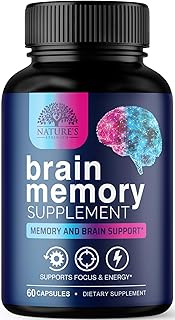

Regular Exercise: Physical activity increases blood flow to the brain, improving focus
Physical activity isn’t just about building muscle or burning calories—it’s a powerful tool for clearing mental fog. When you engage in regular exercise, your heart pumps more blood, delivering oxygen and nutrients to the brain. This increased blood flow stimulates the release of chemicals like dopamine and serotonin, which enhance cognitive function and mood. Studies show that even moderate exercise, such as a 30-minute brisk walk, can significantly improve focus and mental clarity. For those grappling with brain fog, this simple habit can be a game-changer.
Consider this: a sedentary lifestyle often exacerbates mental fog by reducing blood flow and promoting inflammation. In contrast, activities like jogging, swimming, or cycling boost circulation, ensuring your brain gets the fuel it needs to function optimally. For adults over 40, who may experience age-related cognitive decline, incorporating 150 minutes of moderate aerobic exercise weekly can be particularly beneficial. Younger individuals can aim for higher intensity workouts, such as HIIT or strength training, to maximize brain-boosting effects. The key is consistency—making physical activity a non-negotiable part of your routine.
However, not all exercise is created equal when it comes to mental clarity. Mind-body practices like yoga or tai chi combine physical movement with mindfulness, offering dual benefits. These activities reduce stress hormones like cortisol, which can cloud thinking, while improving focus and attention. For those with busy schedules, even short bursts of activity—like a 10-minute dance session or a quick stair climb—can provide immediate cognitive benefits. The takeaway? Choose activities you enjoy and can sustain, ensuring they become a natural part of your lifestyle.
Practical tips can make this habit stick. Start small by incorporating movement into daily routines—take the stairs instead of the elevator, or walk during phone calls. For desk workers, set reminders to stretch or do a quick lap around the office every hour. Tracking progress with a fitness app or journal can also keep you motivated. Remember, the goal isn’t to become an athlete but to prioritize movement for mental sharpness. By doing so, you’re not just investing in your physical health—you’re reclaiming your focus and clarity.
Seeking Mental Health Support: Navigating Relationship Challenges with Your Girlfriend
You may want to see also
Explore related products


Stress Management: Techniques like meditation and deep breathing clear mental clutter
Mental fog often stems from chronic stress, which floods the brain with cortisol, impairing focus and clarity. Stress management techniques like meditation and deep breathing counteract this by activating the parasympathetic nervous system, reducing cortisol levels, and restoring cognitive function. Studies show that just 10 minutes of daily meditation can improve attention and working memory, while deep breathing exercises, such as the 4-7-8 technique (inhale for 4 seconds, hold for 7, exhale for 8), quickly calm the mind and enhance mental clarity. These practices are accessible to all ages and require no special equipment, making them powerful tools for clearing mental clutter.
To integrate meditation into your routine, start with guided sessions using apps like Headspace or Calm, which offer structured programs tailored to beginners. Aim for consistency—even 5 minutes daily can yield noticeable benefits. For deep breathing, set reminders on your phone to practice twice a day, especially during peak stress times. Pair these techniques with mindful movement, such as yoga or walking, to amplify their effects. Remember, the goal isn’t to eliminate stress entirely but to build resilience and regain mental sharpness.
While meditation and deep breathing are effective, they’re not one-size-fits-all solutions. Some individuals may find meditation challenging due to restlessness or racing thoughts. In such cases, start with shorter sessions and gradually increase duration. Deep breathing might feel unnatural at first, so practice in a quiet space without distractions. Combining these techniques with other stress-reducing habits, like adequate sleep and hydration, maximizes their impact. Consistency is key—view these practices as non-negotiable self-care rather than optional tasks.
A comparative analysis reveals that meditation and deep breathing outperform quick fixes like caffeine or multitasking, which often exacerbate mental fog. While caffeine provides temporary alertness, it spikes cortisol and disrupts focus long-term. Multitasking, meanwhile, fragments attention and increases stress. In contrast, mindfulness practices address the root cause of mental fog by fostering calm and clarity. For instance, a 2018 study published in *Behavioral Brain Research* found that mindfulness meditation significantly improved cognitive performance compared to multitasking or caffeine use. This underscores the value of investing time in stress management for sustained mental clarity.
Incorporating these techniques into daily life doesn’t require drastic changes. Begin your morning with 5 minutes of deep breathing to set a calm tone for the day. Use meditation during lunch breaks to reset and recharge. Before bed, practice the 4-7-8 technique to unwind and improve sleep quality. Over time, these habits rewire the brain to handle stress more effectively, reducing mental fog and enhancing overall productivity. By prioritizing stress management, you not only clear mental clutter but also cultivate a resilient, focused mind.
Supporting Mental Health: Housing Solutions for Vulnerable Individuals
You may want to see also
Frequently asked questions
Consuming a balanced diet rich in omega-3 fatty acids, antioxidants, and whole foods while reducing processed sugars and refined carbs can improve cognitive clarity.
Regular physical activity increases blood flow to the brain, boosts neurotransmitter production, and reduces stress hormones, enhancing focus and mental sharpness.
Yes, staying properly hydrated is essential for brain function, as dehydration can impair concentration, memory, and overall cognitive performance.
Adequate, quality sleep allows the brain to repair and consolidate memories, reducing mental fog and improving cognitive function. Aim for 7-9 hours per night.