Lucas Bennett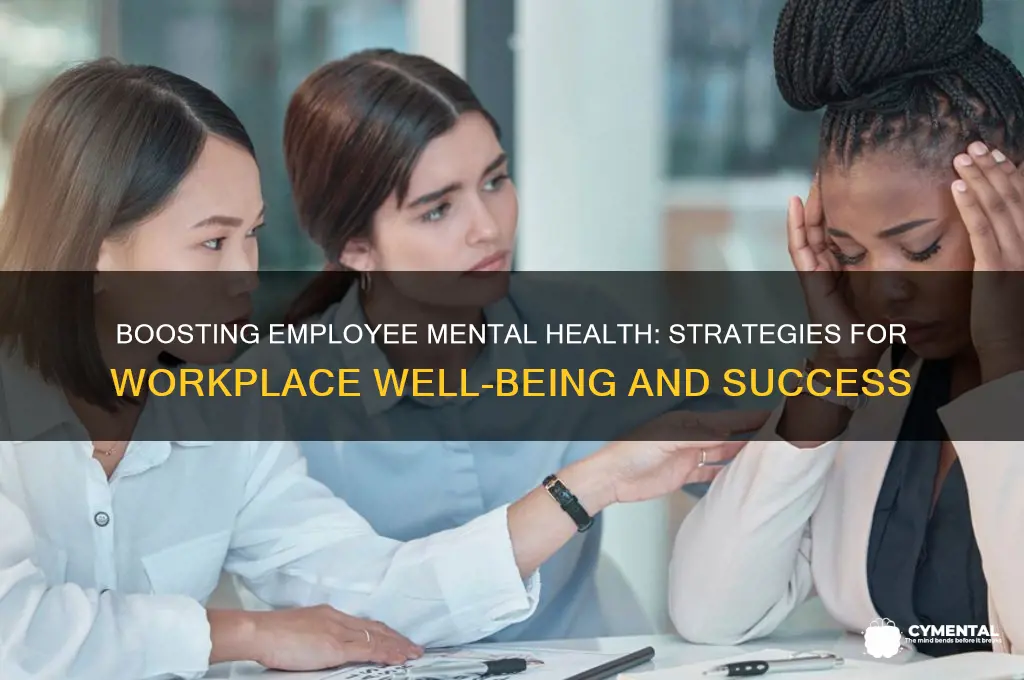
Improving employee mental health and well-being is essential for fostering a productive, engaged, and resilient workforce. Key strategies include creating a supportive work environment that prioritizes open communication, reduces stigma around mental health, and encourages work-life balance. Offering accessible resources such as Employee Assistance Programs (EAPs), mental health days, and wellness initiatives can provide employees with the tools they need to manage stress and maintain their mental health. Additionally, promoting a culture of empathy, recognition, and flexibility, alongside regular check-ins and leadership training on mental health awareness, can significantly contribute to a healthier, happier, and more motivated workforce.
| Characteristics | Values |
|---|---|
| Work-Life Balance | Flexible work hours, remote work options, paid time off, and no overtime culture. |
| Mental Health Support Programs | Access to counseling services, Employee Assistance Programs (EAPs), and mental health apps. |
| Stress Management Initiatives | Mindfulness sessions, yoga classes, and stress reduction workshops. |
| Open Communication | Regular check-ins, anonymous feedback channels, and supportive leadership. |
| Recognition and Appreciation | Employee recognition programs, rewards, and public acknowledgment. |
| Physical Health Promotion | Gym memberships, wellness challenges, and ergonomic workspaces. |
| Professional Development | Training programs, career growth opportunities, and skill-building workshops. |
| Inclusive and Diverse Environment | Diversity and inclusion initiatives, anti-discrimination policies, and cultural sensitivity training. |
| Financial Wellness | Financial planning workshops, retirement plans, and competitive compensation. |
| Social Connection | Team-building activities, social events, and mentorship programs. |
| Clear Expectations and Goals | Well-defined job roles, SMART goals, and regular performance reviews. |
| Healthy Work Environment | Safe and respectful workplace, conflict resolution mechanisms, and positive company culture. |
| Access to Resources | Mental health resources, self-help materials, and wellness toolkits. |
| Leadership Support | Empathetic leadership, mental health advocacy, and leading by example. |
| Regular Feedback and Evaluation | Constructive feedback, performance evaluations, and employee satisfaction surveys. |
| Technology and Tools | Stress-reducing software, time management tools, and digital wellness platforms. |
Explore related products


What You'll Learn
- Flexible Work Arrangements: Allows employees to balance work and life, reducing stress and burnout effectively
- Mental Health Resources: Access to counseling, apps, and support programs fosters emotional well-being and resilience
- Open Communication: Encourages dialogue about mental health, reducing stigma and promoting a supportive workplace culture
- Regular Check-Ins: Managers can identify and address employee concerns early, preventing long-term mental health issues
- Wellness Programs: Activities like yoga, mindfulness, and fitness initiatives boost physical and mental health

Flexible Work Arrangements: Allows employees to balance work and life, reducing stress and burnout effectively
Flexible work arrangements are a cornerstone of modern employee well-being strategies, directly addressing the pervasive issue of work-life imbalance. By allowing employees to tailor their schedules, locations, or hours, organizations empower individuals to manage personal responsibilities alongside professional demands. This autonomy reduces the chronic stress associated with rigid structures, where employees often feel forced to choose between work and life. For instance, a parent with a flexible schedule can attend a child’s school event without the guilt of taking unplanned leave, fostering a sense of control and reducing anxiety.
Implementing flexible work arrangements requires a strategic approach to ensure effectiveness. Start by assessing your workforce’s needs through surveys or focus groups to identify preferred options, such as remote work, compressed workweeks, or job-sharing. Clearly define expectations and boundaries to prevent overwork—for example, specify core hours when employees must be available and encourage them to disconnect outside those times. Provide managers with training to support flexible teams, emphasizing outcome-based performance metrics rather than hours logged. Tools like project management software and communication platforms can facilitate seamless collaboration, ensuring productivity remains high.
Critics often argue that flexibility leads to decreased accountability or team cohesion, but evidence suggests the opposite when executed thoughtfully. A 2021 study by McKinsey found that employees with flexible arrangements reported higher job satisfaction and engagement, while turnover rates dropped by 25%. To mitigate potential downsides, establish regular check-ins to monitor progress and address challenges. For remote workers, create virtual team-building activities to maintain social connections. By balancing flexibility with structure, organizations can cultivate a culture that values both performance and well-being.
The long-term benefits of flexible work arrangements extend beyond individual employees to the organization as a whole. Reduced burnout leads to lower healthcare costs and absenteeism, while increased job satisfaction boosts retention and attracts top talent. For example, companies like Salesforce and Microsoft have reported significant improvements in employee morale and productivity since adopting hybrid models. To maximize impact, pair flexibility with other wellness initiatives, such as mental health resources or ergonomic support for remote workers. Ultimately, flexible work arrangements are not just a perk but a strategic investment in a healthier, more resilient workforce.
Mirtazapine's Role in Enhancing Mental Health and Well-being
You may want to see also
Explore related products


Mental Health Resources: Access to counseling, apps, and support programs fosters emotional well-being and resilience
Employee mental health is no longer a peripheral concern but a central pillar of organizational success. Providing robust mental health resources—such as counseling, mental health apps, and support programs—directly correlates with improved emotional well-being and resilience. These tools offer employees accessible, scalable, and often confidential ways to address stressors, both personal and professional, before they escalate into chronic issues. For instance, companies like Google and Microsoft have integrated platforms like Headspace and Lyra Health into their benefits packages, demonstrating the tangible impact of such investments on productivity and retention.
Consider the role of counseling services, which remain one of the most effective interventions for mental health. Offering employees access to licensed therapists—whether in-person, via telehealth, or through an Employee Assistance Program (EAP)—normalizes seeking help and reduces stigma. A study by the American Psychological Association found that employees who utilized counseling services reported a 30% reduction in stress levels within three months. To maximize effectiveness, employers should ensure these services are free or low-cost, with flexible scheduling options to accommodate diverse work hours.
Mental health apps, meanwhile, provide a low-barrier entry point for employees who may not yet feel comfortable with traditional therapy. Apps like Calm, Sanvello, and Moodpath offer tools for mindfulness, cognitive-behavioral therapy (CBT), and mood tracking. However, not all apps are created equal. Employers should vet these platforms for evidence-based practices and data privacy compliance. For example, Sanvello’s CBT modules are backed by peer-reviewed research, while Calm’s sleep stories have been shown to improve sleep quality in 80% of users—a critical factor in mental health.
Support programs, such as peer support groups or mental health first aid training, foster a culture of empathy and proactive care. Peer support groups, facilitated by trained moderators, allow employees to share experiences and strategies in a safe space. Mental health first aid training equips managers and colleagues to recognize signs of distress and provide initial assistance. Companies like Unilever have reported a 20% increase in employee engagement after implementing such programs, highlighting their dual benefit of individual support and community building.
The key to success lies in integration and communication. Mental health resources should be woven into the fabric of workplace culture, not siloed as optional benefits. Regularly promote these offerings through multiple channels—email, intranet, and team meetings—and ensure leaders model their use. For example, a manager sharing their positive experience with a mental health app can encourage team members to explore it. Additionally, collect feedback to refine these programs, ensuring they meet evolving needs. By treating mental health resources as essential infrastructure, organizations not only support their employees but also cultivate a resilient, thriving workforce.
Building Resilience: How Legos Enhance Mental Health and Well-being
You may want to see also
Explore related products


Open Communication: Encourages dialogue about mental health, reducing stigma and promoting a supportive workplace culture
Workplace silence around mental health perpetuates stigma and isolates struggling employees. Open communication breaks this cycle by normalizing conversations and fostering a culture of empathy.
Consider a scenario: An employee, overwhelmed by deadlines and personal stressors, hesitates to seek support due to fear of judgment. In a workplace that prioritizes open communication, this employee would feel empowered to approach their manager or HR representative, knowing their concerns will be met with understanding rather than dismissal. This simple act of reaching out can prevent burnout, improve productivity, and strengthen team cohesion.
Implementing open communication requires intentionality. Start by integrating mental health discussions into existing channels: team meetings, newsletters, or dedicated wellness platforms. Encourage leaders to share their own experiences with mental health challenges, modeling vulnerability and authenticity. Provide training on active listening and empathetic communication, equipping employees with the skills to support colleagues effectively.
However, openness alone isn't enough. Establish clear boundaries and ensure confidentiality. Employees must feel safe disclosing their struggles without fear of repercussions. Implement policies that protect privacy and provide access to professional resources, such as counseling services or employee assistance programs. Regularly assess the effectiveness of these initiatives through anonymous surveys or focus groups, making adjustments based on feedback.
The benefits of open communication extend beyond individual well-being. When employees feel supported and understood, they are more engaged, creative, and loyal. A culture that prioritizes mental health attracts top talent and enhances organizational reputation. By fostering open dialogue, companies create a resilient workforce capable of navigating challenges and thriving in a demanding world.
Government Strategies to Enhance Mental Health Support and Awareness
You may want to see also
Explore related products


Regular Check-Ins: Managers can identify and address employee concerns early, preventing long-term mental health issues
Early intervention is key to preventing minor workplace stressors from escalating into chronic mental health issues. Regular check-ins between managers and employees create a structured opportunity to identify these stressors before they compound. For instance, a weekly 15-minute one-on-one meeting can serve as a safe space for employees to voice concerns about workload, team dynamics, or personal challenges. Managers trained to recognize signs of distress—such as changes in productivity, mood, or communication style—can then initiate supportive conversations, offering resources like flexible schedules, counseling referrals, or workload adjustments.
Consider the contrast between reactive and proactive management. In a reactive approach, a manager might only address an employee’s mental health after a crisis, such as burnout or absenteeism. By then, the issue has likely deepened, requiring more intensive intervention. In a proactive model, regular check-ins allow managers to spot early warning signs, such as increased irritability or missed deadlines, and intervene with targeted support. For example, a manager noticing an employee consistently working late might suggest prioritizing tasks or delegating responsibilities, preventing burnout before it occurs.
Implementing effective check-ins requires intentionality. Managers should frame these meetings as collaborative, not evaluative, using open-ended questions like, “How are you managing your current workload?” or “What support do you need to succeed?” Avoid generic inquiries; instead, tailor questions to the employee’s role, recent projects, or known stressors. For remote teams, virtual check-ins can be equally impactful, provided they’re consistent and focused. Tools like anonymous feedback surveys can supplement these conversations, offering employees an additional avenue to share concerns without fear of judgment.
A cautionary note: check-ins must be genuine, not performative. Employees can sense when managers are merely ticking a box, which erodes trust and undermines the purpose. Managers should approach these conversations with empathy, actively listening and following up on discussed concerns. For example, if an employee mentions feeling overwhelmed by a project, the manager should check in the following week to see if the situation has improved or if further adjustments are needed. Consistency and authenticity are non-negotiable for this strategy to succeed.
Ultimately, regular check-ins are a low-cost, high-impact tool for fostering employee mental health. They shift the managerial mindset from oversight to partnership, creating an environment where employees feel valued and supported. While not a cure-all, this practice, when combined with other initiatives like mental health training and accessible resources, can significantly reduce workplace stress and improve overall well-being. Start small—even monthly check-ins can yield noticeable benefits—and gradually increase frequency as trust and rapport build between managers and their teams.
Medicare Mental Health Support: Coverage and Benefits Explained
You may want to see also
Explore related products
$6.79 $14.99


Wellness Programs: Activities like yoga, mindfulness, and fitness initiatives boost physical and mental health
Workplace stress costs the global economy an estimated $1 trillion annually in lost productivity, absenteeism, and healthcare expenses. This staggering figure underscores the urgent need for proactive measures to support employee mental health. Wellness programs, particularly those incorporating yoga, mindfulness, and fitness initiatives, offer a tangible solution by addressing both physical and mental well-being. These activities not only reduce stress but also enhance focus, resilience, and overall job satisfaction.
Consider yoga, a practice rooted in ancient traditions but increasingly embraced in modern workplaces. A 2020 study published in the *Journal of Occupational Health Psychology* found that employees who participated in weekly 60-minute yoga sessions reported a 25% reduction in stress levels and a 20% improvement in mood over three months. Implementing yoga doesn’t require a dedicated studio—companies can offer virtual sessions or transform conference rooms into temporary yoga spaces. For maximum impact, encourage participation by integrating yoga into the workday, such as during lunch breaks or as a morning energizer.
Mindfulness, another cornerstone of wellness programs, equips employees with tools to manage stress and improve emotional regulation. A randomized controlled trial in *JAMA Internal Medicine* demonstrated that just 10 minutes of daily mindfulness meditation over eight weeks significantly reduced symptoms of anxiety and depression. To make mindfulness accessible, companies can provide guided meditation apps like Headspace or Calm, or host short, in-house sessions led by certified instructors. Pairing mindfulness with tangible goals, such as tracking daily practice, can further enhance engagement and results.
Fitness initiatives, whether through gym subsidies, on-site classes, or step challenges, complement yoga and mindfulness by fostering physical health, which is intrinsically linked to mental well-being. Research from the *British Journal of Sports Medicine* highlights that regular exercise reduces the risk of depression by 26%. To maximize participation, tailor fitness programs to diverse employee preferences—offer options like HIIT, yoga, or walking groups. Incentives, such as rewards for achieving milestones, can also boost motivation.
However, the success of wellness programs hinges on thoughtful implementation. Avoid a one-size-fits-all approach; instead, gather employee feedback to design programs that align with their needs and interests. For instance, younger employees might prefer high-energy fitness challenges, while older workers may gravitate toward low-impact activities like tai chi. Additionally, ensure these initiatives are inclusive and free from pressure, as forced participation can negate their benefits.
In conclusion, wellness programs centered on yoga, mindfulness, and fitness are not just perks—they’re strategic investments in employee health and productivity. By integrating these activities into workplace culture, organizations can create a healthier, more resilient workforce capable of thriving in today’s demanding environment.
Self Care and Mental Health: Unlocking Inner Peace and Resilience
You may want to see also
Frequently asked questions
A positive workplace culture that fosters trust, open communication, and support significantly improves employee mental health. Encouraging work-life balance, recognizing achievements, and promoting inclusivity reduces stress and enhances overall well-being.
Offering flexible work hours, remote work options, and paid time off allows employees to manage personal responsibilities and reduce burnout. Flexibility demonstrates trust and helps employees feel valued, leading to improved mental health.
Providing access to mental health programs, such as counseling services, wellness workshops, and stress management tools, empowers employees to address challenges proactively. These resources create a supportive environment and encourage a healthier work-life balance.