Ava Ramirez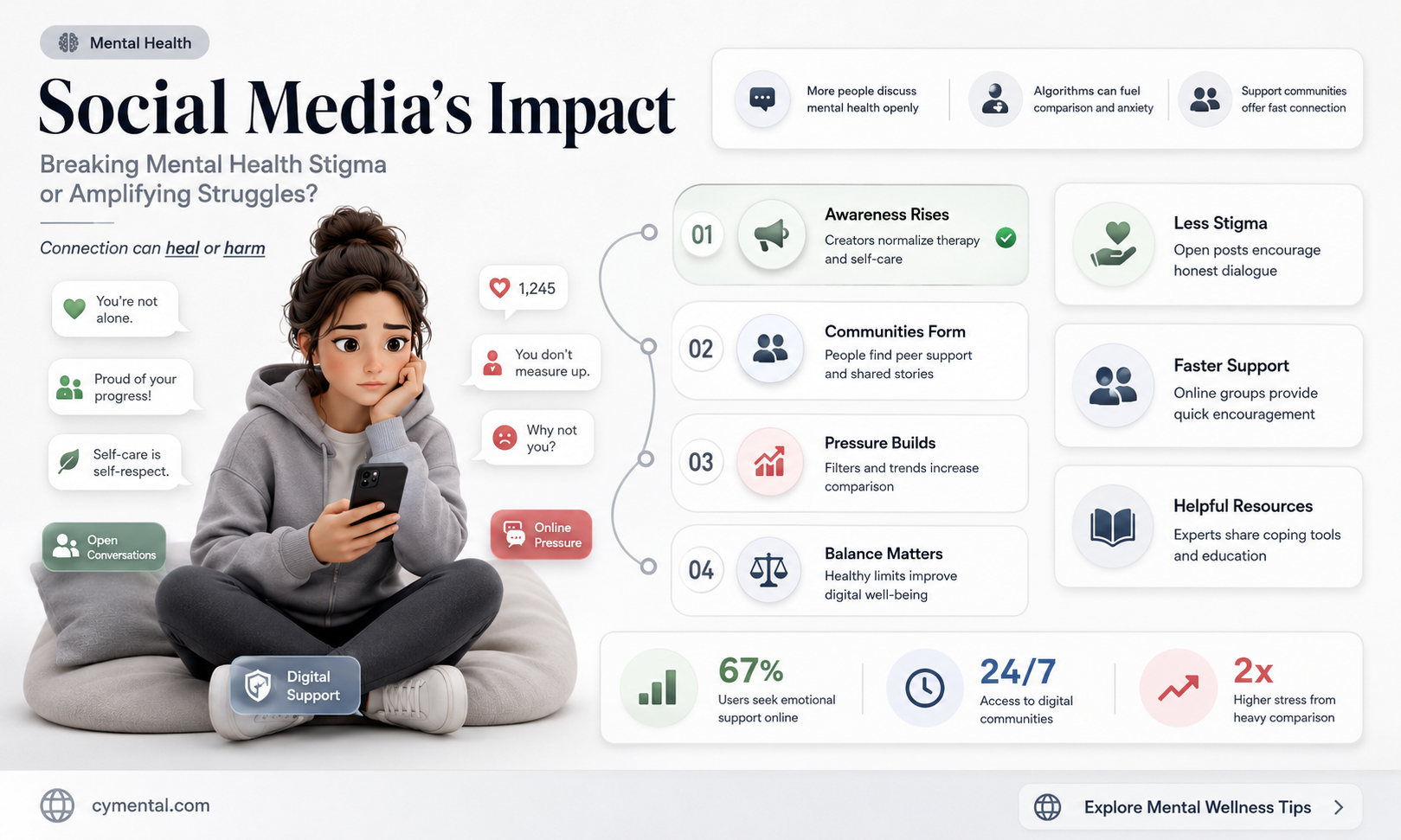
Social media has undeniably transformed the way we discuss mental health, creating a platform for open dialogue and breaking down long-standing stigmas. With millions of users sharing their personal experiences, struggles, and triumphs, platforms like Instagram, Twitter, and TikTok have become powerful tools for raising awareness and fostering a sense of community among those affected by mental health issues. Influencers, celebrities, and everyday individuals alike have used their online presence to normalize conversations about anxiety, depression, and other mental health challenges, encouraging others to seek help and support. However, while social media has undoubtedly amplified these discussions, it also raises questions about the authenticity of these conversations, the potential for misinformation, and the impact of curated online personas on users' mental well-being. As we navigate this digital landscape, it is essential to critically examine both the benefits and drawbacks of social media's role in shaping our understanding of mental health.
| Characteristics | Values |
|---|---|
| Increased Awareness | Social media campaigns (e.g., #BellLetsTalk, #MentalHealthAwarenessMonth) have significantly raised awareness about mental health issues. |
| Reduced Stigma | Open discussions on platforms like Instagram, Twitter, and TikTok have normalized conversations about mental health, reducing societal stigma. |
| Accessibility to Resources | Platforms provide easy access to mental health resources, helplines, and support groups (e.g., Crisis Text Line, Mental Health America). |
| Peer Support Networks | Communities and groups on Facebook, Reddit, and other platforms offer peer-to-peer support for individuals struggling with mental health. |
| Celebrity Advocacy | Celebrities and influencers sharing their mental health journeys (e.g., Demi Lovato, Simone Biles) have encouraged others to speak openly. |
| Educational Content | Mental health professionals and organizations use social media to share educational content, debunk myths, and provide coping strategies. |
| Real-Time Support | Live streams, stories, and posts allow individuals to seek and offer support in real-time during mental health crises. |
| Global Reach | Social media transcends geographical boundaries, enabling global conversations and support for mental health issues. |
| Anonymous Sharing | Platforms like Reddit and anonymous forums allow users to share their experiences without fear of judgment or exposure. |
| Challenges and Misinformation | While beneficial, social media can also spread misinformation or trigger negative emotions due to cyberbullying or comparison culture. |
| Data Privacy Concerns | Sharing mental health struggles online raises concerns about data privacy and potential misuse of personal information. |
| Algorithmic Impact | Algorithms may prioritize sensational or negative content, potentially exacerbating mental health issues for some users. |
| Youth Engagement | Younger generations (Gen Z and Millennials) are more likely to use social media to discuss mental health, fostering early intervention. |
| Corporate Initiatives | Companies like Instagram and TikTok have introduced features like content warnings and mental health resource hubs to support users. |
| Quantifiable Impact | Studies show increased help-seeking behavior and reduced feelings of isolation among social media users discussing mental health. |
Explore related products


What You'll Learn
- Increased awareness and visibility of mental health issues through social media campaigns
- Online communities providing safe spaces for sharing personal struggles and support
- Influencers and celebrities normalizing mental health conversations on platforms
- Challenges of misinformation and stigma persisting despite open discussions
- Impact of algorithms on mental health content reach and engagement

Increased awareness and visibility of mental health issues through social media campaigns
Social media campaigns have become powerful catalysts for raising awareness about mental health, transforming isolated struggles into collective conversations. Initiatives like #BellLetsTalk in Canada and #MentalHealthAwarenessMonth globally have leveraged platforms to amplify voices, share stories, and normalize discussions around mental health. These campaigns often partner with influencers, celebrities, and organizations to reach broader audiences, ensuring that messages of support and resources are accessible to millions. For instance, #BellLetsTalk has generated over 1.5 billion interactions since its inception, with each post, tweet, or share triggering a donation to mental health programs, demonstrating the tangible impact of digital activism.
Analyzing the mechanics of these campaigns reveals their effectiveness in breaking stigma. By using relatable narratives, infographics, and interactive content, they simplify complex mental health concepts and encourage engagement. For example, Instagram’s #HereForYou campaign introduced AI-driven tools to detect distress signals in posts and comments, offering users resources like crisis hotlines or calming exercises. Such innovations not only increase visibility but also provide immediate support, bridging the gap between awareness and action. However, the success of these campaigns relies on authenticity; audiences are quick to dismiss efforts perceived as performative or profit-driven.
To maximize the impact of social media campaigns, organizers must follow strategic steps. First, define clear objectives—whether it’s reducing stigma, fundraising, or educating specific demographics (e.g., teens, veterans). Second, collaborate with mental health professionals to ensure accuracy and sensitivity in messaging. Third, employ storytelling techniques, such as sharing personal testimonies or case studies, to foster empathy and connection. Caution should be taken to avoid sensationalism or triggering content; for instance, campaigns addressing suicide should adhere to guidelines like those from the Reporting on Suicide framework to prevent harmful portrayals.
Comparing traditional advocacy methods with social media campaigns highlights the latter’s unique advantages. Unlike static posters or TV ads, digital campaigns allow for real-time interaction, enabling participants to ask questions, share experiences, and form communities. Platforms like TikTok have popularized mental health content through short, engaging videos, reaching younger audiences who might otherwise feel alienated by formal resources. For example, the #TherapyIsNotPunishment trend on TikTok debunked myths about therapy, attracting over 50 million views and sparking conversations in comment sections. This interactive nature fosters a sense of belonging, making mental health advocacy more inclusive and impactful.
In conclusion, social media campaigns have revolutionized mental health awareness by combining creativity, technology, and community engagement. Their ability to reach diverse populations, provide actionable resources, and dismantle stigma makes them indispensable tools in the fight for mental health equity. However, their success hinges on ethical execution and sustained effort. As digital landscapes evolve, so must these campaigns, adapting to new platforms and audience needs while staying rooted in empathy and authenticity. By doing so, they can continue to transform awareness into meaningful change, one post at a time.
Social Media's Impact: Boosting or Burdening Your Mental Well-Being?
You may want to see also
Explore related products



Online communities providing safe spaces for sharing personal struggles and support
Social media platforms have become unexpected sanctuaries for those navigating the complexities of mental health. Online communities, often centered around specific hashtags, forums, or groups, offer a level of anonymity and accessibility that traditional support systems sometimes lack. For instance, Reddit’s r/depression and Instagram’s #MentalHealthAwareness have grown into thriving spaces where individuals share their struggles, exchange coping strategies, and offer empathy without judgment. These digital safe spaces are particularly vital for those who face stigma in their offline environments or lack access to professional help.
Consider the mechanics of these communities: they operate on principles of shared vulnerability and collective resilience. Members often post about their darkest moments, from panic attacks to suicidal ideation, and receive responses that range from practical advice to simple affirmations like “You’re not alone.” A study published in *Computers in Human Behavior* found that participants who engaged in mental health forums reported reduced feelings of isolation and increased self-esteem. However, it’s crucial to approach these spaces with caution. Not all advice is evidence-based, and emotional venting without actionable steps can sometimes perpetuate distress. To maximize benefits, users should seek communities moderated by mental health professionals or those with clear guidelines for constructive engagement.
For those hesitant to join, starting small can be key. Begin by lurking—reading posts without commenting—to gauge the tone and dynamics of the group. Once comfortable, contribute by sharing a personal experience or asking a specific question. For example, “Has anyone tried mindfulness apps for anxiety? Which one worked for you?” This approach fosters meaningful interactions while maintaining boundaries. Additionally, setting limits on screen time and avoiding late-night scrolling can prevent emotional overwhelm. Tools like app timers or designated “offline hours” can help maintain a healthy balance.
Comparatively, offline support groups often require physical attendance, which can be daunting for those with social anxiety or mobility issues. Online communities eliminate these barriers, allowing individuals to engage from the comfort of their homes. However, the lack of face-to-face interaction means nonverbal cues are absent, which can sometimes lead to misunderstandings. To mitigate this, users should practice clarity in their posts and assume good intent in responses. Emojis, for instance, can help convey tone where words might fall short.
Ultimately, online communities are not a replacement for professional therapy but serve as a complementary resource. They democratize access to support, especially for marginalized groups who may face systemic barriers to mental health care. For example, LGBTQ+ individuals often find solace in platforms like The Trevor Project’s forums, where they can connect with peers who share similar experiences. By fostering a culture of openness and mutual aid, these digital spaces are reshaping how we approach mental health—one post, one comment, one connection at a time.
Planned Parenthood's Role in Supporting Mental Health: What You Need to Know
You may want to see also
Explore related products

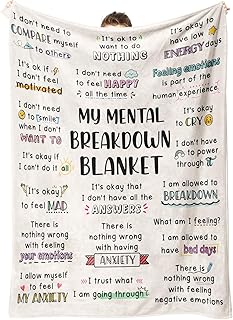


Influencers and celebrities normalizing mental health conversations on platforms
Social media platforms have become stages for influencers and celebrities to share their mental health journeys, transforming these spaces into arenas of vulnerability and connection. Figures like Selena Gomez and Demi Lovato have openly discussed their struggles with anxiety and depression, leveraging their massive followings to destigmatize these issues. By sharing personal stories, they humanize mental health challenges, making them relatable to millions. This transparency encourages followers to reflect on their own experiences and seek support, fostering a culture of openness.
Consider the ripple effect of such disclosures. When a celebrity posts about therapy or medication, it normalizes these practices for their audience. For instance, Simone Biles’s decision to prioritize her mental health during the Olympics sparked global conversations about self-care and boundaries. These moments serve as teachable instances, showing that seeking help is not a sign of weakness but a step toward wellness. However, it’s crucial to approach these narratives critically, recognizing that not all followers have access to the same resources as celebrities.
To maximize the positive impact of these conversations, influencers can take specific steps. First, they should provide actionable resources alongside their stories, such as helpline numbers or links to mental health organizations. Second, they must avoid glamorizing struggles, ensuring their content doesn’t romanticize mental illness. Lastly, collaborating with mental health professionals can add credibility and depth to their messaging. For example, YouTuber Emma Chamberlain partnered with therapists to create content that balances personal anecdotes with expert advice.
Despite the benefits, there are pitfalls to navigate. Over-reliance on celebrity narratives can overshadow diverse voices, particularly those from marginalized communities. Additionally, the curated nature of social media may lead to unrealistic expectations about recovery. To counter this, platforms should amplify stories from everyday individuals, ensuring a broader representation of experiences. Encouraging users to share their own journeys in comments or via dedicated hashtags can further democratize these conversations.
In conclusion, influencers and celebrities play a pivotal role in normalizing mental health discussions on social media. Their reach and relatability can dismantle stigma, but their efforts must be strategic and inclusive. By combining personal stories with practical resources and diverse perspectives, they can create a more compassionate and informed digital space. For followers, engaging critically with this content—and seeking professional guidance when needed—ensures these conversations translate into meaningful change.
Moving Out: A Mental Health Boost or Added Stress?
You may want to see also
Explore related products


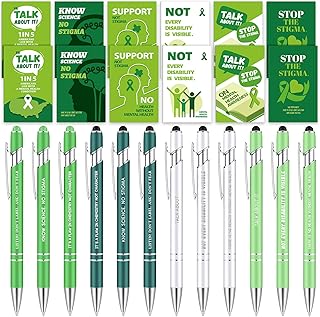


Challenges of misinformation and stigma persisting despite open discussions
Social media has undeniably amplified conversations around mental health, but the persistence of misinformation and stigma remains a critical challenge. Despite increased openness, the very platforms that foster dialogue often become breeding grounds for unverified claims and harmful stereotypes. For instance, viral posts touting "miracle cures" for depression or anxiety, such as specific diets or supplements, frequently lack scientific backing. A 2022 study found that 60% of mental health content on TikTok was misleading, with only 15% providing accurate information. This flood of misinformation not only confuses vulnerable individuals but also undermines evidence-based practices, leaving many to navigate their struggles with flawed guidance.
Consider the case of a teenager seeking advice for anxiety on Instagram. They might encounter well-intentioned but misguided influencers suggesting essential oils or meditation as standalone treatments, overshadowing the need for professional therapy or medication. While these practices can complement care, presenting them as cures perpetuates the myth that mental health issues are easily solvable without expert intervention. This oversimplification can delay access to proper treatment, exacerbating symptoms and fostering a sense of failure in those who don’t achieve instant relief.
Stigma, too, thrives in the digital space, often disguised as "awareness." Hashtag campaigns like #EndTheStigma may encourage dialogue, but they rarely dismantle deeply ingrained biases. For example, posts framing mental illness as purely tragic or inspirational (e.g., "overcoming depression made me stronger") reduce complex experiences to simplistic narratives. Such portrayals fail to acknowledge the chronic, relapsing nature of many conditions, leaving those who don’t "overcome" their struggles feeling invalidated. A 2021 survey revealed that 43% of individuals with mental health diagnoses avoided sharing their experiences online due to fear of judgment, highlighting how stigma persists even in seemingly supportive spaces.
To combat these challenges, users must adopt a critical approach to consuming mental health content online. Start by verifying sources: prioritize accounts run by licensed professionals, reputable organizations, or peer-reviewed studies. For example, the National Alliance on Mental Illness (NAMI) and the World Health Organization (WHO) offer reliable resources. Engage with content that emphasizes nuance, such as posts discussing the multifaceted nature of treatment, including therapy, medication, and lifestyle changes. Additionally, challenge stigmatizing narratives by amplifying diverse voices—share stories that highlight the spectrum of mental health experiences, not just the "success" stories.
Ultimately, while social media has opened doors to mental health conversations, its potential is hindered by misinformation and stigma. By fostering media literacy, demanding accountability from content creators, and promoting inclusive narratives, users can transform these platforms into tools for genuine understanding and support. The goal isn’t just to talk about mental health—it’s to talk about it responsibly, ensuring that openness leads to empowerment, not confusion or shame.
Early Rising: Boosting Mental Health Through Morning Routines
You may want to see also
Explore related products


Impact of algorithms on mental health content reach and engagement
Social media algorithms, designed to maximize engagement, wield significant influence over the visibility of mental health content. These algorithms prioritize posts likely to generate clicks, shares, and comments, often favoring sensational or emotionally charged material. While this can amplify awareness, it also risks reducing complex mental health issues to simplistic narratives or viral trends. For instance, a heartfelt personal story about depression might reach millions, but only if it aligns with algorithmic preferences for brevity, relatability, or shock value. This dynamic raises a critical question: are algorithms shaping mental health discourse to prioritize engagement over depth and accuracy?
Consider the case of TikTok, where mental health content has exploded in popularity. Hashtags like #MentalHealthAwareness garner billions of views, but the platform’s algorithm often surfaces content that is easily digestible or entertaining. A 60-second video on "5 Signs You’re Burned Out" may outperform a nuanced 10-minute discussion on systemic barriers to mental health care. While the former raises awareness, the latter fosters understanding. This disparity highlights how algorithms can inadvertently skew the mental health conversation toward surface-level engagement, leaving more complex or less "shareable" topics under-represented.
To navigate this landscape effectively, content creators must strategically align their messaging with algorithmic preferences without compromising integrity. For example, breaking down long-form content into bite-sized segments or using trending audio can increase visibility. However, creators should also leverage features like Instagram’s "Guides" or YouTube’s "Chapters" to provide deeper context. Additionally, audiences can actively support quality content by engaging with posts that go beyond viral trends, signaling to algorithms that depth matters. For instance, spending 30 seconds leaving a thoughtful comment or sharing a post with a personal note can boost its reach more than a quick like or scroll.
Despite these strategies, the algorithmic prioritization of engagement poses ethical concerns. Mental health content that garners the most attention isn’t always the most helpful or accurate. A study by the *Journal of Medical Internet Research* found that while mental health content on social media increases awareness, only 30% of it is evidence-based. This discrepancy underscores the need for platforms to balance engagement metrics with content quality, perhaps by partnering with mental health professionals to verify or promote accurate information. Until then, users must remain critical consumers, cross-referencing viral content with trusted sources like the WHO or NAMI.
In conclusion, while algorithms have democratized access to mental health conversations, their impact on content reach and engagement is a double-edged sword. They amplify voices and foster community but risk oversimplifying or misrepresenting critical issues. By understanding algorithmic biases and adopting strategic engagement practices, both creators and audiences can harness social media’s potential to deepen, rather than dilute, the mental health dialogue. The challenge lies in ensuring that the pursuit of engagement doesn’t overshadow the pursuit of truth.
Hop to Happiness: How Rabbits Can Boost Your Mental Health
You may want to see also
Frequently asked questions
Yes, social media has significantly contributed to reducing stigma by amplifying conversations about mental health, sharing personal stories, and normalizing discussions that were once taboo.
Social media platforms provide easy access to mental health information, support groups, and professional resources, making it simpler for individuals to seek help and connect with others facing similar challenges.
Yes, while social media fosters openness, it can also contribute to anxiety, depression, and comparison culture, highlighting the need for balanced usage and mindful engagement.
Absolutely, social media has given a voice to marginalized groups, allowing them to share their unique mental health struggles and advocate for greater awareness and support.