Harper Lewis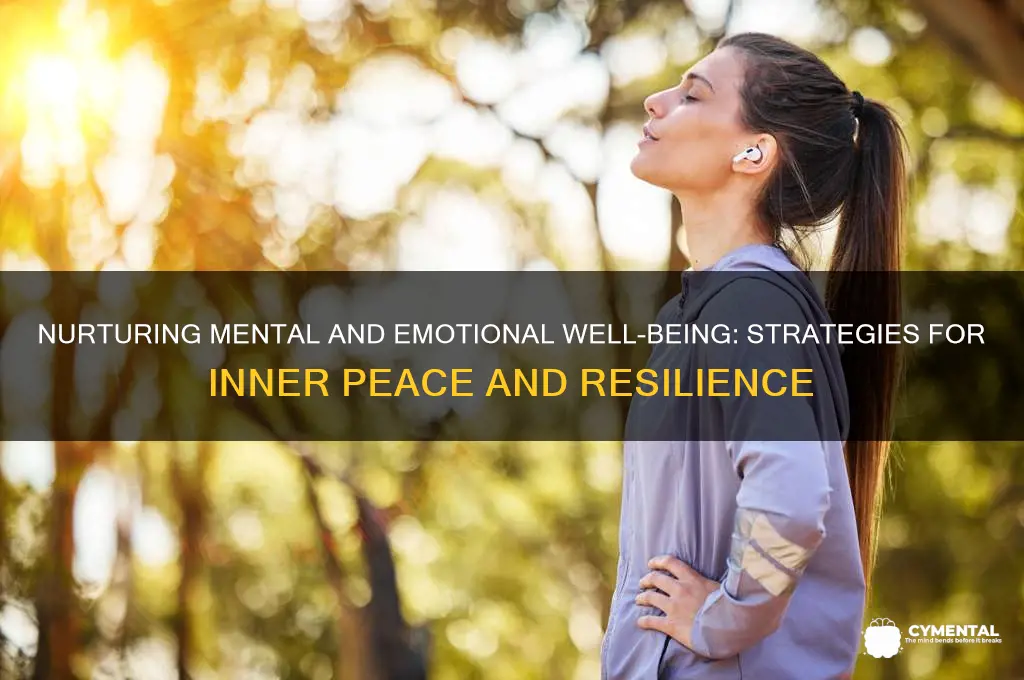
Maintaining mental and emotional well-being is essential for overall health, and several strategies can significantly contribute to this balance. Engaging in regular physical activity, such as walking, yoga, or dancing, releases endorphins that reduce stress and improve mood. Practicing mindfulness and meditation helps cultivate awareness and calmness, allowing individuals to manage anxiety and negative thoughts more effectively. Building strong, supportive relationships and fostering open communication with friends, family, or a therapist provides emotional grounding and perspective. Adequate sleep, a balanced diet, and limiting caffeine and alcohol intake also play crucial roles in stabilizing emotions and mental clarity. Additionally, pursuing hobbies, setting realistic goals, and practicing gratitude can enhance a sense of purpose and positivity, ultimately fostering resilience and emotional health.
Explore related products


What You'll Learn
- Mindfulness & Meditation: Practices like mindfulness and meditation reduce stress, improve focus, and enhance emotional well-being
- Physical Activity: Regular exercise releases endorphins, boosts mood, and reduces symptoms of anxiety and depression
- Social Connections: Strong relationships and social support foster resilience, reduce loneliness, and improve mental health
- Healthy Sleep Habits: Quality sleep regulates emotions, improves cognitive function, and supports overall mental stability
- Therapy & Counseling: Professional guidance helps process emotions, develop coping strategies, and address mental health challenges

Mindfulness & Meditation: Practices like mindfulness and meditation reduce stress, improve focus, and enhance emotional well-being
Stress, anxiety, and emotional turbulence are near-universal experiences, yet their remedies often lie in practices both ancient and scientifically validated: mindfulness and meditation. These techniques aren’t just buzzwords; they’re tools backed by neuroscience, showing measurable changes in brain structure and function. Studies using MRI scans reveal that regular meditators exhibit increased gray matter density in areas associated with memory, empathy, and stress regulation, such as the hippocampus and prefrontal cortex. Conversely, the amygdala, responsible for fear and anxiety, shrinks in size, correlating with reduced stress reactivity. This biological rewiring underscores why mindfulness and meditation are more than fleeting trends—they’re evidence-based interventions for mental and emotional health.
To harness these benefits, start small. Beginners often find guided meditation apps like Headspace or Calm helpful, offering sessions as short as 5 minutes. Consistency trumps duration; practicing daily, even briefly, yields more significant results than sporadic longer sessions. For mindfulness, incorporate it into daily routines: focus on the sensation of breathing while brushing your teeth, or observe the texture and flavor of food during meals. These micro-practices train the brain to stay present, breaking the cycle of rumination that fuels stress and anxiety. Over time, this cultivates a mental resilience that extends beyond the meditation cushion into everyday life.
A common misconception is that meditation requires emptying the mind, a goal both unrealistic and counterproductive. Instead, it’s about observing thoughts without judgment, akin to watching clouds drift across the sky. When the mind wanders—as it inevitably will—gently redirect attention to the breath or a chosen anchor. This process strengthens the brain’s attentional networks, improving focus and reducing the mental clutter that often overwhelms emotional well-being. For those with busy minds, mantra-based meditation or body scan techniques can provide structure, making it easier to sustain attention.
While mindfulness and meditation are powerful, they’re not one-size-fits-all solutions. Individuals with trauma or severe anxiety may find certain practices triggering; in such cases, working with a trained therapist to adapt techniques is crucial. Additionally, combining mindfulness with other modalities—like cognitive-behavioral therapy or physical exercise—can amplify its effects. For instance, a 2018 study in *JAMA Internal Medicine* found that mindfulness-based stress reduction (MBSR) programs, typically 8 weeks long with weekly 2.5-hour sessions and daily 45-minute home practice, significantly reduced symptoms of anxiety and depression in participants. This structured approach highlights the importance of commitment and professional guidance for optimal outcomes.
Ultimately, mindfulness and meditation are not quick fixes but lifelong skills. Their transformative potential lies in their simplicity and accessibility—no equipment, special environments, or financial investment required. By anchoring the mind in the present moment, these practices dissolve the grip of past regrets and future worries, fostering a sense of calm and clarity. Whether you’re a skeptic or a seasoned practitioner, the invitation is the same: sit, breathe, and observe. In doing so, you unlock a reservoir of inner peace that no external circumstance can diminish.
Can Hospitals Provide Effective Mental Health Support and Treatment?
You may want to see also
Explore related products


Physical Activity: Regular exercise releases endorphins, boosts mood, and reduces symptoms of anxiety and depression
Physical activity isn’t just about building muscle or losing weight—it’s a powerful tool for mental and emotional health. When you engage in regular exercise, your brain releases endorphins, often called "feel-good" hormones, which act as natural painkillers and mood elevators. This biochemical response can provide immediate relief from stress, anxiety, and even symptoms of depression. For instance, a 30-minute brisk walk or a 20-minute jog can trigger this effect, making it an accessible and cost-effective way to improve your mental state.
Consider the dosage: studies suggest that 150 minutes of moderate aerobic activity or 75 minutes of vigorous activity per week can significantly reduce symptoms of anxiety and depression. This doesn’t mean you need to hit the gym every day—breaking it down into smaller sessions, like three 10-minute walks or two 25-minute bike rides, can be just as effective. Consistency is key; aim to incorporate movement into your daily routine, whether it’s yoga, dancing, or even gardening. The goal is to find an activity you enjoy, as this increases the likelihood of sticking with it long-term.
For those struggling with mental health, exercise can serve as a complementary strategy alongside therapy or medication. It’s not a cure-all, but it can provide a sense of control and accomplishment, which is particularly beneficial for individuals dealing with depression. For example, strength training has been shown to improve self-esteem and body image, while mindfulness-based exercises like tai chi or yoga can reduce anxiety by promoting relaxation and focus. Even on days when motivation is low, starting with a small activity—like stretching or a short walk—can create a positive feedback loop, encouraging further engagement.
Practical tips can make incorporating physical activity easier. Schedule workouts as you would any important appointment to prioritize them. If time is an issue, combine exercise with daily tasks—take the stairs instead of the elevator, walk during phone calls, or do bodyweight exercises during TV commercials. For older adults or those with physical limitations, low-impact activities like swimming or chair-based exercises can still yield mental health benefits. The key is to adapt the activity to your abilities and preferences, ensuring it feels manageable rather than overwhelming.
In comparison to other mental health strategies, physical activity stands out for its dual benefits—it improves both physical and mental well-being simultaneously. While therapy or medication address specific symptoms, exercise offers a holistic approach, enhancing overall quality of life. It’s also accessible to most people, regardless of age or income, making it a democratic tool for mental health. By understanding the science behind it and implementing practical strategies, anyone can harness the power of movement to foster emotional resilience and stability.
Ozempic and Mental Health: Exploring Its Potential Benefits and Impact
You may want to see also
Explore related products



Social Connections: Strong relationships and social support foster resilience, reduce loneliness, and improve mental health
Human beings are inherently social creatures, and our connections with others play a pivotal role in shaping our mental and emotional well-being. Research consistently shows that individuals with strong social support networks are better equipped to handle stress, recover from adversity, and maintain a positive outlook on life. For instance, a study published in the *Journal of Health and Social Behavior* found that social integration can reduce the risk of depression by up to 25%. This highlights the profound impact that relationships can have on our mental health, serving as a protective factor against common psychological challenges.
To harness the benefits of social connections, it’s essential to cultivate meaningful relationships rather than merely accumulating acquaintances. Quality trumps quantity here. Aim to spend at least 1–2 hours per week engaging in deep, meaningful conversations with close friends or family members. These interactions should involve active listening, empathy, and mutual sharing of thoughts and feelings. For example, instead of small talk, discuss personal goals, challenges, or experiences that foster emotional intimacy. Additionally, joining community groups or clubs aligned with your interests can help you build connections with like-minded individuals, creating a sense of belonging and shared purpose.
However, not all social interactions are created equal. Toxic relationships or superficial connections can undermine mental health, increasing stress and anxiety. It’s crucial to assess the health of your relationships regularly. If a relationship consistently leaves you feeling drained, undervalued, or stressed, consider setting boundaries or seeking support to address the issue. Conversely, prioritize relationships that uplift and empower you. For older adults, who may face increased social isolation, programs like senior centers or virtual meetups can provide valuable opportunities for connection. Even something as simple as a weekly phone call with a loved one can make a significant difference in reducing loneliness.
One practical strategy to strengthen social connections is to practice acts of kindness and reciprocity. Small gestures, such as sending a thoughtful message, offering help, or celebrating someone’s achievements, can deepen bonds and create a culture of mutual support. For instance, volunteering in your community not only helps others but also expands your social network and fosters a sense of fulfillment. Research from the *Corporation for National and Community Service* shows that volunteers are 20% less likely to experience depression, underscoring the mental health benefits of giving back.
In conclusion, social connections are a cornerstone of mental and emotional resilience. By prioritizing quality relationships, setting healthy boundaries, and engaging in acts of kindness, individuals can build a robust support system that enhances their well-being. Whether through deep conversations, community involvement, or small acts of generosity, investing in social connections pays dividends in mental health. Remember, fostering these relationships requires intentional effort, but the rewards—reduced loneliness, increased resilience, and improved mental health—are well worth it.
Mastering Self-Regulation: Empowering Mental Health and Emotional Resilience
You may want to see also
Explore related products




Healthy Sleep Habits: Quality sleep regulates emotions, improves cognitive function, and supports overall mental stability
Sleep is the cornerstone of emotional resilience and cognitive clarity. During deep sleep, the brain processes and consolidates emotions, effectively "resetting" our emotional thermostat. Studies show that individuals who get 7-9 hours of uninterrupted sleep are better equipped to manage stress, regulate mood swings, and maintain a positive outlook. Conversely, sleep deprivation amplifies emotional reactivity, making even minor irritations feel overwhelming. This biological process underscores why prioritizing sleep is non-negotiable for mental health.
To harness the emotional benefits of sleep, establish a consistent sleep schedule. Go to bed and wake up at the same time every day, even on weekends. This reinforces your body’s internal clock, promoting deeper, more restorative sleep. Incorporate a relaxing bedtime routine—reading, meditation, or gentle stretching—to signal to your brain that it’s time to wind down. Avoid screens at least an hour before bed, as the blue light emitted by devices suppresses melatonin, the hormone that regulates sleep. For those struggling with insomnia, cognitive-behavioral therapy for insomnia (CBT-I) has proven effective, offering strategies to reframe sleep-related anxiety.
The cognitive benefits of quality sleep are equally profound. During sleep, the brain clears out toxins and strengthens neural connections, enhancing memory, problem-solving, and decision-making. A study published in *Nature* found that participants who slept after learning retained information 20% better than those who stayed awake. For students and professionals, this translates to improved productivity and performance. To optimize cognitive function, aim for two full sleep cycles (about 90 minutes each) of deep sleep per night. Tools like sleep trackers can help monitor sleep stages, though they should be used as guides, not obsessions.
However, achieving healthy sleep isn’t always straightforward. Factors like caffeine, alcohol, and irregular work schedules can disrupt sleep patterns. Caffeine has a half-life of 6 hours, meaning half of it remains in your system long after consumption. Limit intake to before noon, and avoid alcohol within three hours of bedtime, as it fragments sleep and reduces REM cycles. For shift workers, blackout curtains and white noise machines can create a sleep-friendly environment during the day. Additionally, exposure to natural light in the morning helps reset the circadian rhythm, making it easier to fall asleep at night.
Incorporating these habits requires commitment but yields transformative results. Start small—set a bedtime alarm, swap evening coffee for herbal tea, or invest in a comfortable mattress. Over time, these changes compound, fostering emotional stability and cognitive sharpness. Remember, sleep isn’t a luxury; it’s a biological necessity. By treating it as such, you empower yourself to navigate life’s challenges with clarity, composure, and resilience.
Empowering Minds: Practical Steps to Promote Mental Health Awareness
You may want to see also
Explore related products

$11.6 $19.99




Therapy & Counseling: Professional guidance helps process emotions, develop coping strategies, and address mental health challenges
Professional guidance through therapy and counseling is a cornerstone for navigating the complexities of mental and emotional health. Unlike self-help strategies, which often rely on trial and error, therapy offers a structured, evidence-based approach tailored to individual needs. Whether it’s cognitive-behavioral therapy (CBT) for anxiety, dialectical behavior therapy (DBT) for emotional regulation, or psychodynamic therapy for deep-seated issues, these modalities provide frameworks to understand and transform thought patterns and behaviors. For instance, CBT typically involves 12 to 20 sessions, focusing on identifying and challenging negative thought cycles, while DBT incorporates skills training in mindfulness, distress tolerance, and interpersonal effectiveness.
Consider the process of therapy as a collaborative journey rather than a quick fix. During sessions, therapists employ techniques like active listening, reflection, and guided questioning to help clients explore emotions, uncover underlying issues, and develop actionable coping strategies. For example, a therapist might use grounding exercises for someone experiencing panic attacks or role-playing scenarios to improve communication skills. These methods are not one-size-fits-all; they are adapted to the client’s age, cultural background, and specific challenges. Adolescents, for instance, may benefit from family therapy to address relational dynamics, while older adults might focus on life transitions or grief.
One of the most compelling aspects of therapy is its ability to address both immediate crises and long-term growth. For someone struggling with depression, therapy can provide tools to manage symptoms while also exploring root causes, such as unresolved trauma or chronic stress. Similarly, counseling can help individuals build resilience, fostering a mindset that views challenges as opportunities for growth rather than insurmountable obstacles. Research shows that consistent therapy, combined with practices like journaling or mindfulness, can lead to measurable improvements in mood, relationships, and overall quality of life.
However, engaging in therapy requires commitment and openness. It’s not uncommon for clients to feel vulnerable or resistant during the process, especially when confronting painful emotions or behaviors. To maximize benefits, set realistic expectations—therapy is a gradual process, not an overnight solution. Practical tips include keeping a journal to track progress, practicing skills between sessions, and communicating openly with your therapist about what’s working (or not). For those hesitant to start, consider beginning with shorter sessions or group therapy, which can provide a less intimidating entry point.
In a world where mental health challenges are increasingly prevalent, therapy and counseling stand out as vital resources. They offer more than just a listening ear; they provide a roadmap for healing and self-discovery. By investing time and effort into professional guidance, individuals can not only alleviate distress but also cultivate emotional intelligence, healthier relationships, and a more fulfilling life. Whether you’re seeking support for a specific issue or aiming for personal growth, therapy is a powerful tool to transform struggles into strengths.
Propranolol for Anxiety: Efficacy, Benefits, and Mental Health Impact
You may want to see also
Frequently asked questions
Engaging in regular physical activity, practicing mindfulness or meditation, maintaining a balanced diet, getting adequate sleep, and connecting with supportive relationships can significantly help manage stress and enhance mental well-being.
Journaling helps clarify thoughts and feelings, reduces stress by providing an outlet for emotions, and allows for reflection on personal growth and challenges, promoting emotional awareness and healing.
Yes, spending time in nature reduces stress, anxiety, and depression by promoting relaxation, improving mood, and increasing feelings of connection and mindfulness.
Therapy provides a safe space to explore thoughts, emotions, and behaviors, offering tools and strategies to cope with challenges, heal from trauma, and improve overall mental and emotional resilience.
Quality sleep is essential for emotional regulation, cognitive function, and stress management. Poor sleep can exacerbate anxiety, depression, and irritability, while consistent rest supports mental clarity and emotional stability.


![NatureWise Vitamin B12 1000 mcg - Dietary Supplement for Supporting Energy Metabolism, Mental Clarity, Nervous System Health - Easy-to-Swallow, Soy & Gluten-Free, Non-GMO - 60 Softgels[60-Day Supply]](https://m.media-amazon.com/images/I/71x8t3wybPL._AC_UL320_.jpg)