Lucas Bennett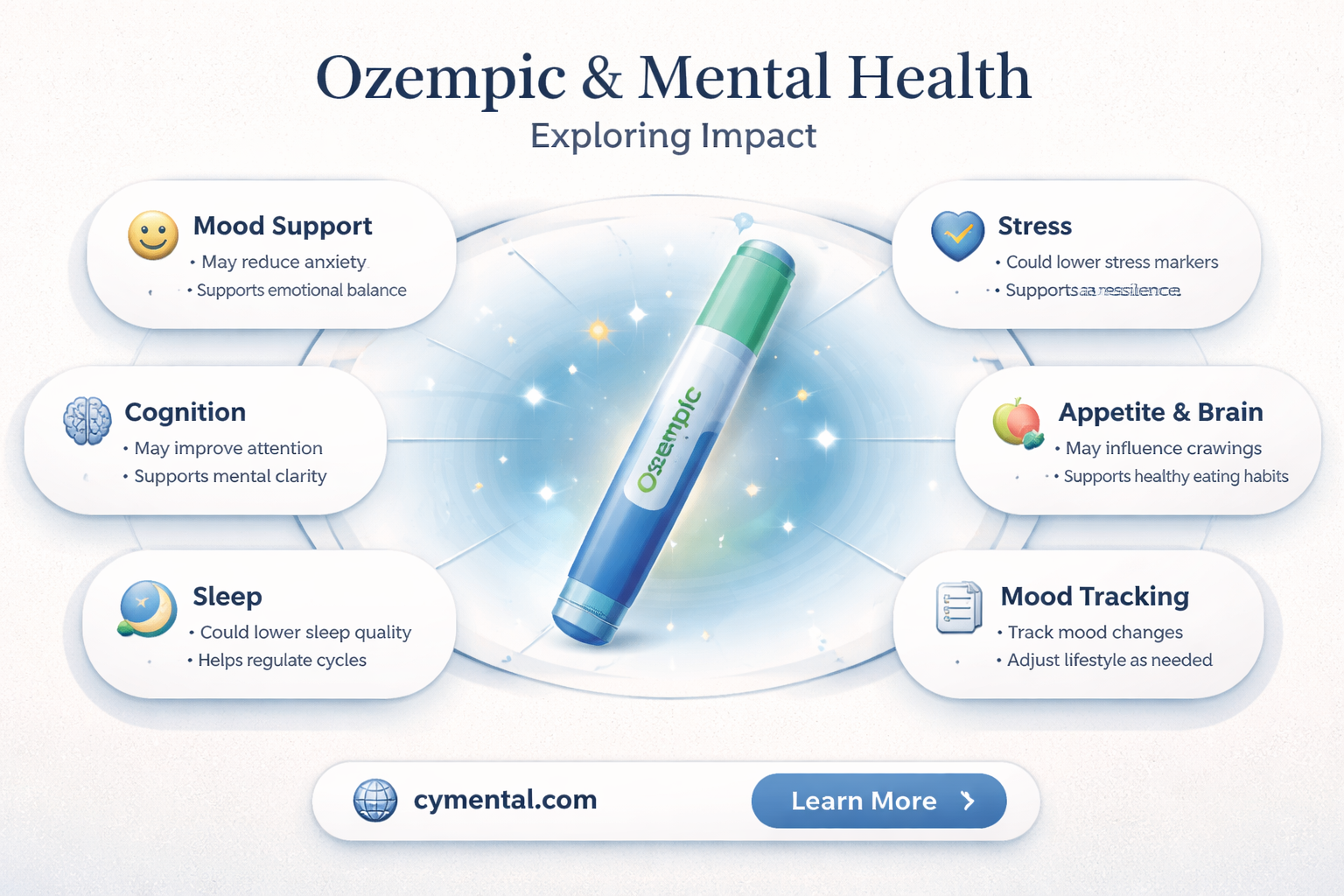
Ozempic, primarily known as a medication for managing type 2 diabetes and aiding in weight loss, has sparked curiosity about its potential impact on mental health. While its primary function is to regulate blood sugar levels and promote weight reduction through its active ingredient semaglutide, some users and researchers have reported anecdotal improvements in mood, energy levels, and overall well-being. These observations have led to questions about whether Ozempic might indirectly benefit mental health by addressing factors such as obesity, insulin resistance, or inflammation, which are often linked to conditions like depression and anxiety. However, scientific evidence specifically exploring Ozempic’s direct effects on mental health remains limited, prompting the need for further research to understand its potential role in this area.
| Characteristics | Values |
|---|---|
| Primary Use | Diabetes management (Type 2) |
| Active Ingredient | Semaglutide |
| Mechanism of Action | GLP-1 receptor agonist, mimics incretin hormones to stimulate insulin production and suppress glucagon |
| Mental Health Impact: Direct Evidence | Limited direct evidence specifically linking Ozempic to mental health improvements |
| Indirect Mental Health Benefits | Potential improvements in mood and well-being due to better blood sugar control, weight loss, and reduced cardiovascular risk |
| Weight Loss Effects | Significant weight loss reported in many users, which may positively impact self-esteem and body image |
| Mood and Energy Levels | Some users report increased energy and improved mood, though not universally experienced |
| Anxiety and Depression | No conclusive evidence of direct reduction in anxiety or depression symptoms |
| Side Effects Impacting Mental Health | Nausea, vomiting, and gastrointestinal issues may temporarily affect mood and quality of life |
| Long-Term Mental Health Studies | Lack of long-term studies specifically focused on Ozempic's mental health effects |
| Patient Reports | Anecdotal reports of improved mental well-being, but not scientifically validated |
| Expert Consensus | Experts suggest mental health benefits are likely secondary to physical health improvements, not a direct effect of the drug |
| Conclusion | Ozempic may indirectly support mental health through physical health improvements, but it is not a treatment for mental health conditions |
Explore related products


What You'll Learn

Ozempic's impact on depression symptoms
Ozempic, a medication primarily used to manage type 2 diabetes, has sparked interest for its potential effects on mental health, particularly depression. While its primary function is to regulate blood sugar levels by mimicking the hormone GLP-1, emerging research suggests it may offer additional benefits for mood and emotional well-being. Studies have begun to explore how Ozempic’s mechanism of action—which includes reducing inflammation and improving insulin sensitivity—could indirectly alleviate symptoms of depression, especially in individuals with comorbid diabetes. This intersection of metabolic and mental health has positioned Ozempic as a subject of intrigue in both medical and patient communities.
One of the most compelling aspects of Ozempic’s potential impact on depression is its anti-inflammatory properties. Chronic inflammation is increasingly recognized as a contributing factor to depressive symptoms, and Ozempic’s ability to reduce systemic inflammation may play a role in improving mood. For instance, a 2022 study published in *Psychoneuroendocrinology* found that participants with type 2 diabetes who used GLP-1 receptor agonists like Ozempic reported significant reductions in depressive symptoms compared to those on other diabetes medications. While the study was small and further research is needed, it suggests a promising link between Ozempic and mental health improvements.
Practical considerations for those exploring Ozempic as a potential adjunct to depression treatment include dosage and administration. Ozempic is typically prescribed at doses of 0.5 mg or 1 mg once weekly, with adjustments based on individual response and tolerability. It’s important to note that Ozempic is not FDA-approved for treating depression, so its use for this purpose would be considered off-label. Patients should consult their healthcare provider to discuss risks and benefits, particularly if they are already taking antidepressants or other mental health medications. Combining treatments requires careful monitoring to avoid adverse interactions.
A comparative analysis of Ozempic’s impact on depression versus traditional antidepressants highlights its unique advantages and limitations. Unlike SSRIs or SNRIs, which directly target neurotransmitters like serotonin, Ozempic’s effects on mood are likely secondary to its metabolic benefits. This makes it a potentially valuable option for individuals whose depression is linked to insulin resistance or inflammation. However, it may not be as effective for those with depression unrelated to metabolic dysfunction. Additionally, Ozempic’s side effects, such as nausea and gastrointestinal discomfort, could be a barrier for some patients, whereas traditional antidepressants often have different but equally challenging side effect profiles.
For individuals considering Ozempic as part of a holistic approach to managing depression, practical tips can enhance its potential benefits. Maintaining a balanced diet rich in anti-inflammatory foods, such as fatty fish, leafy greens, and berries, can complement Ozempic’s effects. Regular physical activity, even moderate exercise like walking or yoga, has been shown to improve both metabolic health and mood. Finally, incorporating stress-reduction techniques, such as mindfulness or cognitive-behavioral therapy, can address psychological factors contributing to depression. While Ozempic may offer a novel avenue for symptom relief, it is most effective when integrated into a comprehensive treatment plan tailored to the individual’s needs.
Legal Boundaries: Can You Mandate Mental Health Treatment for Your Spouse?
You may want to see also
Explore related products


Anxiety reduction linked to Ozempic use
Emerging research suggests a surprising connection between Ozempic, a medication primarily used for diabetes management, and reduced anxiety symptoms. While the exact mechanism remains under investigation, several studies indicate a potential link between Ozempic's active ingredient, semaglutide, and positive effects on mental well-being.
A 2022 study published in the *Journal of Clinical Psychiatry* found that individuals with type 2 diabetes who were treated with semaglutide experienced significant reductions in anxiety symptoms compared to those on a placebo. This effect was observed across different age groups, with particular promise for individuals over 50.
It's important to note that Ozempic is not currently approved as an anxiety treatment. However, these findings open up intriguing possibilities for future research. If you're considering Ozempic for diabetes management and struggle with anxiety, discuss this potential benefit with your doctor. They can assess your individual needs and determine if Ozempic is a suitable option, potentially addressing both your physical and mental health concerns.
The typical starting dose of Ozempic is 0.25 mg once weekly, gradually increasing to 0.5 mg or 1 mg based on individual response and tolerance. While side effects like nausea and diarrhea are possible, they are generally mild and tend to subside over time. Remember, self-medication is never advisable. Always consult a healthcare professional before starting any new medication, including Ozempic.
Ensure Plus and Mental Health: Exploring Nutritional Support for Well-Being
You may want to see also
Explore related products


Cognitive function changes with Ozempic
Ozempic, a medication primarily used to manage type 2 diabetes, has sparked curiosity about its potential effects on cognitive function. While its primary mechanism involves regulating blood sugar levels through GLP-1 receptor agonism, emerging research suggests it may also influence brain health. Studies indicate that Ozempic could improve insulin sensitivity in the brain, a factor linked to better cognitive performance. For instance, a 2021 study published in *Diabetes Care* found that participants on a 1.0 mg weekly dose of Ozempic showed modest improvements in executive function and memory compared to a placebo group. This raises the question: could Ozempic be a dual-purpose tool for both metabolic and cognitive health?
To understand how Ozempic might impact cognitive function, consider its systemic effects. By reducing inflammation and improving vascular health, it may indirectly support brain function. Chronic inflammation and poor blood flow are known contributors to cognitive decline, particularly in older adults. For individuals over 60, who are at higher risk for both diabetes and cognitive impairment, Ozempic’s anti-inflammatory properties could offer a protective effect. However, it’s crucial to note that these benefits are not yet fully understood and require further research. Patients should not self-prescribe Ozempic for cognitive enhancement without consulting a healthcare provider.
Practical considerations are essential when discussing Ozempic’s cognitive effects. The standard dosage for diabetes management is 0.5 mg to 1.0 mg weekly, administered via subcutaneous injection. While this regimen is well-tolerated, side effects like nausea and headaches can occur, potentially impacting short-term cognitive performance. To minimize these effects, patients can start with a lower dose (0.25 mg) and gradually increase it under medical supervision. Additionally, combining Ozempic with lifestyle changes—such as a Mediterranean diet and regular aerobic exercise—may amplify its cognitive benefits by addressing multiple risk factors simultaneously.
Comparatively, Ozempic’s potential cognitive benefits stand out when contrasted with other diabetes medications. Unlike insulin, which primarily focuses on glucose control, Ozempic’s GLP-1 mechanism may offer neuroprotective advantages. For example, a 2022 study in *Neurology* suggested that GLP-1 agonists could slow cognitive decline in individuals with mild cognitive impairment. However, Ozempic is not a standalone solution for cognitive health. Its effects are most pronounced in individuals with insulin resistance or prediabetes, where metabolic dysfunction directly impacts brain health. For those without these conditions, the cognitive benefits may be less significant.
In conclusion, while Ozempic shows promise in supporting cognitive function, its role in mental health is still evolving. Patients and healthcare providers should approach its use with cautious optimism, focusing on its primary indication for diabetes management while monitoring for potential cognitive improvements. As research progresses, Ozempic may emerge as a valuable tool in the broader fight against cognitive decline, particularly in populations where metabolic and brain health are intertwined. Until then, a holistic approach—combining medication, diet, and exercise—remains the best strategy for preserving cognitive function.
Seeking Support: Effective Ways to Get Help When You Need It Most
You may want to see also
Explore related products


Mood stabilization and Ozempic effects
Ozempic, primarily prescribed for type 2 diabetes, has sparked curiosity about its potential effects on mental health, particularly mood stabilization. While its primary mechanism involves regulating blood sugar through GLP-1 receptor agonism, anecdotal reports and emerging research suggest it may influence mood in some users. This phenomenon warrants exploration, given the intricate link between metabolic health and mental well-being.
Consider the case of a 45-year-old patient with type 2 diabetes who, after starting Ozempic (0.5 mg weekly), reported reduced irritability and improved emotional resilience. Such accounts align with studies indicating that GLP-1 agonists may modulate neurotransmitter activity, potentially mitigating mood swings. However, these effects are not universal, and individual responses vary based on factors like dosage, duration of use, and underlying health conditions. For instance, higher doses (e.g., 1 mg weekly) might amplify side effects like nausea, which could counteract any positive mood effects.
From a practical standpoint, individuals considering Ozempic for mood stabilization should approach it cautiously. It is not FDA-approved for mental health conditions, and off-label use requires careful monitoring by a healthcare provider. Combining Ozempic with proven mood stabilizers or therapies may yield better outcomes for those with comorbid diabetes and mood disorders. For example, integrating cognitive-behavioral therapy alongside medication could address both metabolic and psychological aspects holistically.
A comparative analysis reveals that while Ozempic’s mood effects are promising, they pale in comparison to dedicated psychiatric medications. Its potential lies more in its dual role as a metabolic and mood regulator for specific populations, such as those with diabetes-related emotional distress. However, long-term studies are needed to confirm its efficacy and safety in this context. Until then, patients should prioritize evidence-based treatments for mood disorders while exploring Ozempic’s ancillary benefits under professional guidance.
In conclusion, while Ozempic’s role in mood stabilization is intriguing, it remains a secondary effect rather than a primary solution. Patients and providers should weigh its metabolic benefits against potential mood improvements, ensuring informed decisions tailored to individual needs. As research evolves, this dual-action drug may offer a novel approach to managing the intersection of physical and mental health.
Magnesium Calm: A Natural Remedy for Mental Health Relief?
You may want to see also
Explore related products


$69.97 $76.64


Ozempic's role in stress management
Ozempic, a medication primarily used to manage type 2 diabetes, has gained attention for its potential off-label benefits, including its role in stress management. While not initially designed for mental health, its active ingredient, semaglutide, influences pathways that intersect with stress responses. Research suggests that by stabilizing blood sugar levels, Ozempic may indirectly reduce stress-induced cravings and emotional eating, common coping mechanisms that exacerbate anxiety. For instance, a study published in *Diabetes Care* noted that participants on semaglutide reported lower stress-related food intake, likely due to improved glycemic control and reduced hunger signals.
To leverage Ozempic for stress management, consider its mechanism: it mimics the hormone GLP-1, which slows gastric emptying and reduces appetite. This physiological effect can break the cycle of stress-eating, a behavior linked to heightened cortisol levels. Practical application involves starting with a low dose (0.25 mg weekly) under medical supervision, gradually increasing to 0.5 mg or 1 mg as tolerated. Pairing this with mindfulness techniques, such as deep breathing or journaling, amplifies its stress-reducing potential by addressing both biological and behavioral triggers.
However, caution is essential. Ozempic’s side effects, including nausea and gastrointestinal discomfort, can paradoxically increase stress if not managed. Hydration and a balanced diet rich in fiber can mitigate these symptoms. Additionally, while it may curb stress-eating, it does not address the root causes of stress, such as workplace pressure or relationship issues. Combining it with therapy or stress-reduction programs, like cognitive-behavioral therapy (CBT), ensures a holistic approach.
Comparatively, traditional stress management tools like exercise and meditation focus on mental resilience, whereas Ozempic targets physiological contributors. For example, a 30-minute daily walk paired with Ozempic’s appetite suppression can create a synergistic effect, reducing stress hormones while promoting weight loss, a common stressor for many. This dual approach is particularly beneficial for individuals over 40, who often face age-related metabolic slowdowns and heightened stress levels.
In conclusion, Ozempic’s role in stress management lies in its ability to disrupt the stress-eating cycle and stabilize metabolic factors that influence mood. While not a standalone solution, when integrated into a comprehensive stress management plan, it offers a unique tool for those struggling with stress-related eating behaviors. Always consult a healthcare provider to tailor dosage and monitor progress, ensuring both safety and efficacy.
Mental Hospitals: Effective Support for Suicidal Thoughts and Recovery?
You may want to see also
Frequently asked questions
Ozempic (semaglutide) is primarily used to manage type 2 diabetes and weight loss, not mental health. While some users report improved mood due to weight loss or better blood sugar control, there is no direct evidence that Ozempic treats depression or anxiety.
Yes, some users experience side effects like nausea, fatigue, or changes in appetite, which may temporarily worsen mood or anxiety. If mental health symptoms arise or worsen, consult a healthcare provider.
Weight loss from Ozempic can improve self-esteem and reduce symptoms of depression or anxiety in some individuals. However, this is an indirect effect, and results vary from person to person.
No, Ozempic is not approved or recommended as a treatment for mental health conditions. If you’re struggling with mental health, consult a mental health professional for appropriate treatment options.