Harper Lewis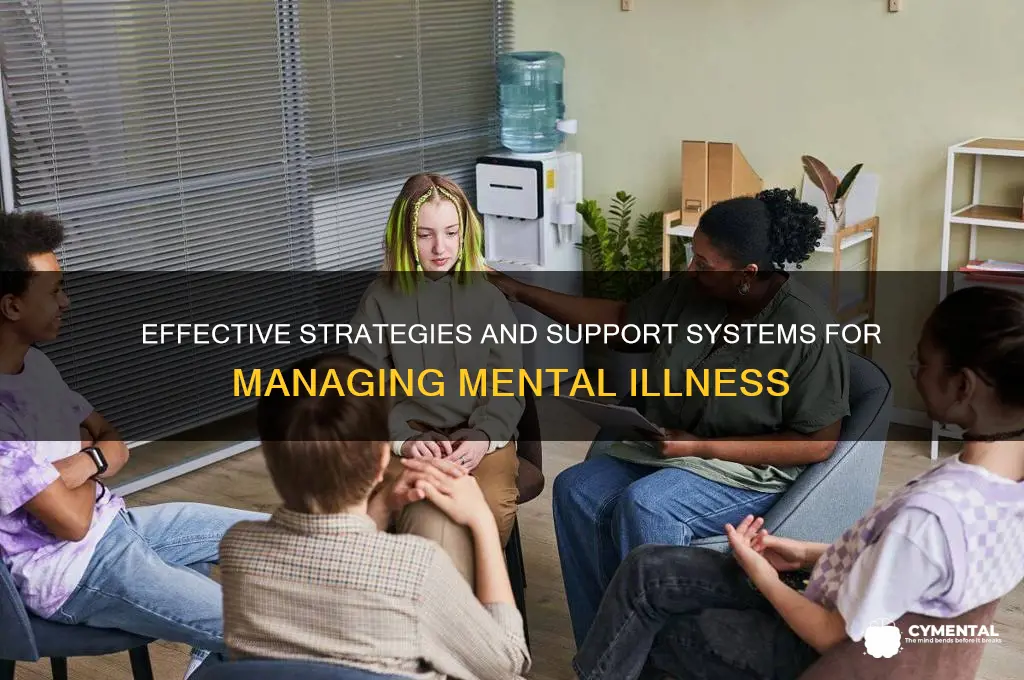
Mental illness, encompassing conditions like depression, anxiety, and bipolar disorder, affects millions worldwide, but numerous strategies and resources can significantly aid in managing symptoms and improving overall well-being. Effective approaches often include a combination of professional treatment, such as therapy and medication, alongside lifestyle changes like regular exercise, a balanced diet, and sufficient sleep. Building a strong support network of friends, family, or support groups can also provide emotional relief and encouragement. Additionally, mindfulness practices, such as meditation and journaling, have proven beneficial for many individuals. Access to education and awareness about mental health further empowers people to seek help and reduce stigma, fostering a more compassionate and informed society.
| Characteristics | Values |
|---|---|
| Therapy | Cognitive Behavioral Therapy (CBT), Dialectical Behavior Therapy (DBT), Psychodynamic Therapy, Group Therapy, Family Therapy |
| Medication | Antidepressants, Antipsychotics, Mood Stabilizers, Anxiolytics (prescribed by a psychiatrist) |
| Lifestyle Changes | Regular exercise, Healthy diet, Adequate sleep, Stress management techniques |
| Social Support | Strong relationships, Support groups, Community involvement, Peer support |
| Mindfulness Practices | Meditation, Yoga, Deep breathing exercises, Mindfulness-based stress reduction (MBSR) |
| Self-Care | Setting boundaries, Engaging in hobbies, Journaling, Time management |
| Professional Help | Psychiatrists, Psychologists, Counselors, Mental health coaches |
| Education & Awareness | Learning about mental health, Reducing stigma, Self-education through books and resources |
| Routine & Structure | Consistent daily schedules, Goal setting, Breaking tasks into manageable steps |
| Avoidance of Triggers | Identifying and avoiding stressors, Limiting exposure to negative media or environments |
| Holistic Approaches | Acupuncture, Herbal supplements (consult a doctor), Art or music therapy |
| Technology & Apps | Mental health apps (e.g., Calm, Headspace), Online therapy platforms, Telehealth services |
| Crisis Resources | Hotlines (e.g., National Suicide Prevention Lifeline), Emergency services, Crisis intervention teams |
| Workplace Support | Employee Assistance Programs (EAPs), Flexible work hours, Mental health days |
| Spiritual Practices | Prayer, Religious or spiritual communities, Finding purpose and meaning |
| Physical Health Management | Regular check-ups, Managing chronic conditions, Avoiding substance abuse |
Explore related products


What You'll Learn
- Therapy Options: Cognitive Behavioral Therapy, psychotherapy, group therapy, and online counseling improve mental health effectively
- Lifestyle Changes: Regular exercise, balanced diet, sleep hygiene, and mindfulness practices support mental well-being
- Medication Management: Antidepressants, mood stabilizers, and antipsychotics prescribed by professionals can alleviate symptoms
- Social Support: Strong relationships, support groups, and community connections reduce isolation and stress
- Self-Care Strategies: Journaling, hobbies, setting boundaries, and relaxation techniques enhance emotional resilience

Therapy Options: Cognitive Behavioral Therapy, psychotherapy, group therapy, and online counseling improve mental health effectively
Mental health struggles often require tailored interventions, and therapy stands as a cornerstone in effective treatment. Among the myriad options, Cognitive Behavioral Therapy (CBT) emerges as a highly structured, goal-oriented approach. Typically conducted over 12 to 20 sessions, CBT focuses on identifying and challenging negative thought patterns to alter behavior. For instance, a person with anxiety might learn to reframe catastrophic thinking into more balanced perspectives, reducing distress over time. Its efficacy is backed by decades of research, making it a first-line treatment for conditions like depression, anxiety, and PTSD.
While CBT targets specific issues, psychotherapy—often referred to as "talk therapy"—offers a broader, more exploratory approach. This modality encourages individuals to delve into past experiences, emotions, and relationships to gain insight and foster healing. Unlike CBT, psychotherapy sessions may extend over months or years, depending on the individual’s needs. For example, someone grappling with unresolved trauma might use psychotherapy to process emotions and rebuild a sense of self. Its flexibility makes it suitable for a wide range of mental health concerns, though progress may be slower compared to more structured therapies.
Group therapy introduces a communal dimension to mental health treatment, leveraging shared experiences to foster connection and support. Typically consisting of 6 to 12 participants led by one or two therapists, these sessions provide a safe space to practice social skills, receive feedback, and reduce feelings of isolation. For instance, individuals with social anxiety might find group therapy particularly beneficial, as it allows them to confront fears in a controlled environment. While it may feel intimidating initially, many participants report significant improvements in self-esteem and interpersonal skills after consistent attendance.
The digital age has ushered in online counseling as a convenient, accessible alternative to traditional therapy. Platforms like BetterHelp and Talkspace connect individuals with licensed therapists via video, chat, or phone sessions, eliminating barriers like geography or mobility. This format is especially valuable for those in remote areas or with busy schedules. However, it’s important to ensure a stable internet connection and a private space for sessions. While online counseling may lack the in-person dynamic, studies show it can be equally effective for conditions like depression and anxiety, particularly when combined with self-help resources.
Each therapy option offers unique benefits, and the choice often depends on individual preferences, the nature of the mental health issue, and practical considerations. For instance, someone seeking quick, actionable strategies might opt for CBT, while another prioritizing emotional exploration may choose psychotherapy. Group therapy excels in building community, and online counseling provides unmatched flexibility. Combining these approaches—such as pairing CBT with group therapy—can also yield comprehensive results. Ultimately, the key is finding a modality that resonates with the individual’s needs, ensuring consistent engagement for lasting improvement.
Capturing Moments: Photography's Healing Power for Mental Well-Being
You may want to see also
Explore related products


Lifestyle Changes: Regular exercise, balanced diet, sleep hygiene, and mindfulness practices support mental well-being
Physical activity is a powerful tool in the management of mental health. Numerous studies have shown that regular exercise can be as effective as medication or therapy in reducing symptoms of depression and anxiety. The key lies in its ability to stimulate the release of endorphins, our body's natural 'feel-good' chemicals, which act as natural painkillers and mood elevators. Aim for at least 150 minutes of moderate-intensity exercise weekly, such as brisk walking, swimming, or cycling. For those who prefer more intense workouts, 75 minutes of vigorous activity like running or HIIT can be equally beneficial. Consistency is crucial; even short, daily sessions can make a significant difference. For instance, a 30-minute walk each day can improve mood, reduce stress, and enhance overall mental clarity.
The old adage 'you are what you eat' holds a profound truth when it comes to mental health. A balanced diet, rich in nutrients, can significantly impact our brain function and emotional well-being. Omega-3 fatty acids, found in fatty fish like salmon and mackerel, are known to boost brain health and reduce symptoms of depression. Incorporating complex carbohydrates, such as whole grains, provides a steady release of energy, stabilizing mood and preventing the crashes associated with refined sugars. Additionally, a diet rich in fruits and vegetables ensures an adequate intake of vitamins and minerals, which are essential for brain function. For example, vitamin D, often obtained from sunlight but also from foods like fortified dairy and eggs, has been linked to a lower risk of depression.
Sleep is a non-negotiable pillar of mental health. Poor sleep hygiene can exacerbate existing mental health issues and even trigger new ones. Establishing a consistent sleep schedule is paramount; aim for 7-9 hours of quality sleep each night. Create a relaxing bedtime routine, avoiding stimulating activities and screens at least an hour before bed. Instead, opt for reading, light stretching, or journaling. The bedroom environment is also key: ensure it's cool, dark, and quiet. For those struggling with insomnia, cognitive-behavioral therapy for insomnia (CBT-I) is a proven technique, often more effective than medication, to reset your body's sleep patterns.
Mindfulness, the practice of being present and fully engaged in the current moment, is a potent tool for managing mental illness. It involves observing your thoughts and feelings without judgment, allowing you to respond to them rather than react impulsively. Mindfulness-based stress reduction (MBSR) and mindfulness-based cognitive therapy (MBCT) are structured programs that have shown significant benefits for depression, anxiety, and stress. These programs typically involve weekly group meetings and daily meditation practices, ranging from 30 to 45 minutes. Even shorter, regular mindfulness exercises, such as focused breathing for 5-10 minutes daily, can improve emotional regulation and reduce the intensity of negative thoughts.
Incorporating these lifestyle changes can be a transformative journey towards better mental health. Each element—exercise, diet, sleep, and mindfulness—interconnects, creating a holistic approach to well-being. For instance, regular exercise improves sleep quality, and a balanced diet provides the energy needed for physical activity. Mindfulness can enhance the benefits of both, fostering a deeper connection between the mind and body. While these changes may require dedication and patience, the cumulative effect can lead to significant improvements in mental health, offering a natural and empowering way to manage and prevent mental illness. This comprehensive approach empowers individuals to take control of their mental well-being, providing a foundation for long-term resilience and a healthier, happier life.
Mental Disorders and Bankruptcy: Unraveling the Complex Financial Impact
You may want to see also
Explore related products


Medication Management: Antidepressants, mood stabilizers, and antipsychotics prescribed by professionals can alleviate symptoms
Medication management stands as a cornerstone in the treatment of mental illness, offering a structured approach to alleviating symptoms and improving quality of life. Antidepressants, mood stabilizers, and antipsychotics, when prescribed by qualified professionals, can target specific biochemical imbalances in the brain, providing relief where therapy or lifestyle changes alone may fall short. For instance, selective serotonin reuptake inhibitors (SSRIs), a common class of antidepressants, work by increasing serotonin levels, often prescribed at dosages ranging from 10 to 60 mg daily, depending on the severity of depression and individual response. This precision in treatment underscores the importance of professional oversight, as self-medication can lead to ineffective outcomes or adverse effects.
The process of medication management is not one-size-fits-all; it requires careful consideration of the individual’s unique symptoms, medical history, and potential side effects. Mood stabilizers like lithium, often used in bipolar disorder, demand regular blood tests to monitor therapeutic levels (typically 0.6 to 1.2 mEq/L) and prevent toxicity. Similarly, antipsychotics, such as quetiapine or olanzapine, may be prescribed at lower doses initially (e.g., 25–50 mg) and adjusted based on symptom control and tolerability. This iterative approach highlights the collaborative nature of medication management, where patients and providers work together to fine-tune treatment plans.
One critical aspect of medication management is adherence, as inconsistent use can undermine therapeutic benefits. Practical tips, such as using pill organizers or setting daily reminders, can help individuals stay on track. Additionally, open communication with healthcare providers about side effects—whether it’s drowsiness from antipsychotics or weight gain from certain antidepressants—is essential. Providers may suggest strategies like splitting doses or switching medications to minimize discomfort while maintaining efficacy. For younger patients, particularly adolescents, close monitoring is crucial, as developing brains may respond differently to these medications.
Comparatively, while therapy and lifestyle interventions are vital components of mental health treatment, medication management often serves as the foundation for stability. For example, a person with severe schizophrenia may find antipsychotics indispensable in managing hallucinations, enabling them to engage more effectively in psychotherapy. Similarly, mood stabilizers can prevent the extreme highs and lows of bipolar disorder, creating a baseline for coping skills learned in therapy. This synergy between medication and other treatments illustrates why medication management is not just about prescribing pills but about integrating them into a holistic care plan.
In conclusion, medication management is a dynamic, patient-centered process that requires expertise, patience, and collaboration. By leveraging antidepressants, mood stabilizers, and antipsychotics, professionals can address the biochemical roots of mental illness, offering tangible relief to those in need. However, success hinges on individualized care, consistent monitoring, and proactive problem-solving. For anyone navigating mental illness, understanding this process empowers them to take an active role in their treatment, fostering hope and progress in their journey toward recovery.
Empowering Clients: Mental Health Providers' Role in Securing SSDI Benefits
You may want to see also
Explore related products




Social Support: Strong relationships, support groups, and community connections reduce isolation and stress
Human beings are inherently social creatures, and our mental health thrives on connection. Studies consistently show a strong link between social isolation and increased risk for depression, anxiety, and even cognitive decline. Conversely, robust social support acts as a protective factor, buffering against life's stressors and fostering resilience.
Imagine a safety net woven from threads of understanding, empathy, and shared experience. This is the essence of social support in the context of mental health.
Building this safety net requires intentionality. Start by nurturing existing relationships. Prioritize quality time with loved ones, engaging in activities that foster connection and open communication. Vulnerability is key; sharing your struggles strengthens bonds and invites reciprocity. For those facing specific challenges, support groups offer a unique haven. Connecting with individuals who truly "get it" provides a sense of belonging and reduces feelings of alienation. Online communities can be a valuable supplement, offering 24/7 access to support and shared experiences, especially for those with limited mobility or in remote areas.
Remember, support isn't solely about receiving; it's a two-way street. Offering help to others, whether through active listening, practical assistance, or simply a kind word, strengthens your own sense of purpose and belonging.
While the benefits of social support are undeniable, it's crucial to acknowledge potential pitfalls. Toxic relationships, characterized by criticism, judgment, or emotional drain, can exacerbate mental health issues. Setting healthy boundaries and prioritizing relationships that uplift and empower you is essential. Additionally, relying solely on social support as a substitute for professional help can be detrimental. Therapy and medication, when needed, provide crucial tools for managing mental health conditions.
Think of social support as a vital nutrient for your mental well-being. Just as a balanced diet requires a variety of foods, a healthy support system thrives on diversity. Cultivate relationships with family, friends, and community members, and don't hesitate to seek out specialized support groups when needed. Remember, reaching out for help is a sign of strength, not weakness. By weaving a strong social safety net, you empower yourself to navigate life's challenges with greater resilience and hope.
Cleaning for Clarity: How Tidying Boosts Mental Well-Being
You may want to see also
Explore related products





Self-Care Strategies: Journaling, hobbies, setting boundaries, and relaxation techniques enhance emotional resilience
Journaling isn’t just about recording your day; it’s a tool for unpacking emotions, identifying patterns, and gaining clarity. Studies show that expressive writing for 15–20 minutes, 3–5 times a week, can reduce symptoms of anxiety and depression by helping individuals process traumatic or stressful experiences. Start by setting a timer and writing freely without judgment. Focus on how situations made you feel rather than just what happened. For added structure, try prompts like, “What’s weighing on me today?” or “What am I grateful for?” Keep your journal accessible—whether it’s a physical notebook or a digital app—to make the practice consistent and convenient.
Hobbies aren’t frivolous distractions; they’re essential for rebuilding a sense of purpose and joy. Engaging in activities you love—whether painting, gardening, or playing an instrument—triggers the release of dopamine, a neurotransmitter linked to pleasure and motivation. Aim for at least 30 minutes of hobby time daily, even if it’s broken into smaller chunks. If you’re unsure where to start, revisit childhood interests or explore new areas like cooking, photography, or hiking. The key is to choose something that feels intrinsically rewarding, not another task to check off your list. Over time, hobbies can become anchors of stability during turbulent emotional periods.
Setting boundaries is less about saying “no” and more about defining what you need to thrive. Start by identifying areas where you feel drained—whether it’s overcommitting at work or absorbing others’ emotions. Practice small, assertive statements like, “I’m not available for that right now,” or “I need some time to recharge.” Be specific about your limits; for example, designate tech-free hours after 8 PM to protect your sleep. Remember, boundaries aren’t selfish—they’re acts of self-preservation that allow you to show up as your best self in relationships and responsibilities.
Relaxation techniques aren’t one-size-fits-all; experimentation is key to finding what works for you. Deep breathing exercises, such as the 4-7-8 method (inhale for 4 seconds, hold for 7, exhale for 8), can calm the nervous system in under 2 minutes. Progressive muscle relaxation, where you tense and release each muscle group, is another evidence-based practice that reduces physical tension. For a more active approach, try yoga or tai chi, which combine movement with mindfulness. Incorporate at least one technique into your daily routine, even if it’s just 10 minutes before bed, to build emotional resilience over time.
Together, these self-care strategies form a toolkit for managing mental health challenges. Journaling provides insight, hobbies restore joy, boundaries protect energy, and relaxation techniques soothe the mind and body. Consistency is more important than perfection—start small, adapt as needed, and view setbacks as opportunities to learn. By integrating these practices into your life, you’re not just surviving; you’re actively cultivating emotional resilience and reclaiming your well-being.
Birth Control and Mental Health: Exploring Potential Benefits and Risks
You may want to see also
Frequently asked questions
Self-care practices such as regular exercise, maintaining a balanced diet, getting adequate sleep, practicing mindfulness or meditation, and engaging in hobbies or activities you enjoy can significantly support mental health.
Therapy or counseling provides a safe space to explore thoughts, emotions, and behaviors with a trained professional. It helps individuals develop coping strategies, gain insight into their mental health challenges, and work toward healing and recovery.
Yes, having a strong support system of friends, family, or support groups can make a big difference. Social connections reduce feelings of isolation, provide emotional encouragement, and offer practical help during difficult times.