Noah Parker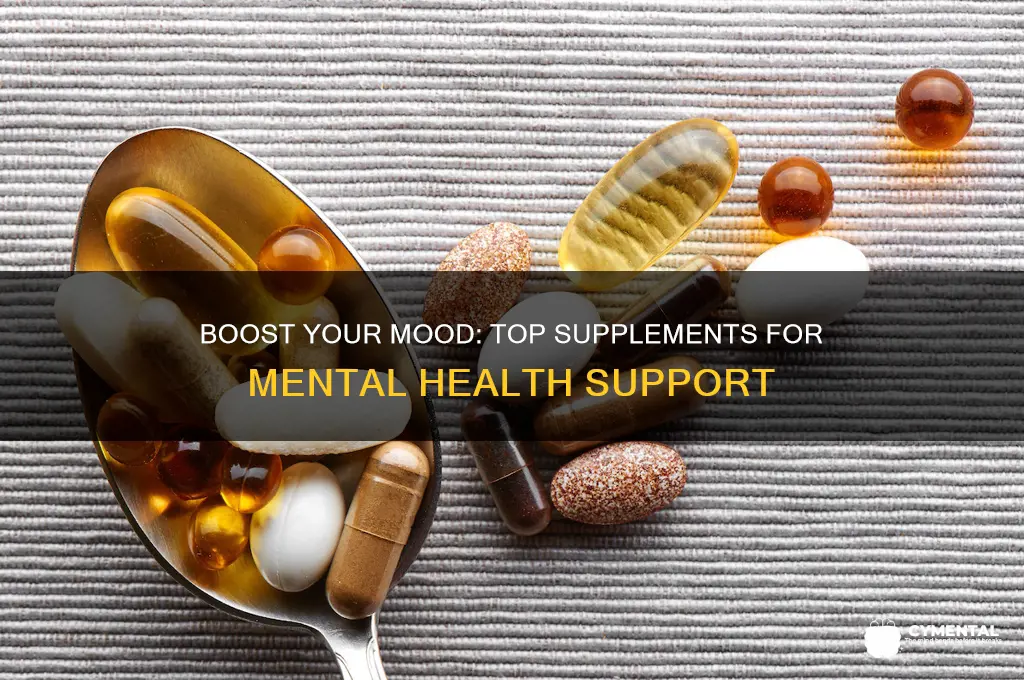
Supplements can play a supportive role in maintaining and improving mental health by addressing nutritional deficiencies, reducing inflammation, and supporting brain function. While they are not a substitute for professional treatment, certain supplements like omega-3 fatty acids, vitamin D, magnesium, and probiotics have shown promise in alleviating symptoms of anxiety, depression, and stress. Omega-3s, for instance, are crucial for brain health, while vitamin D deficiency has been linked to mood disorders. Adaptogens like ashwagandha and herbal remedies such as St. John’s wort are also popular for their potential to reduce stress and enhance mood. However, it’s essential to consult a healthcare provider before starting any supplement regimen to ensure safety and effectiveness, as individual needs and responses can vary.
Explore related products


What You'll Learn
- Omega-3 Fatty Acids: Supports brain function, reduces depression, anxiety symptoms, and inflammation
- Vitamin D: Boosts mood, reduces depression, essential for brain health
- Probiotics: Improves gut-brain axis, reduces anxiety, stress, and depression
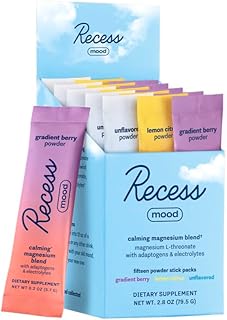
- Magnesium: Promotes relaxation, reduces stress, anxiety, and improves sleep quality
- B Vitamins: Enhances neurotransmitter production, reduces stress, supports cognitive function

Omega-3 Fatty Acids: Supports brain function, reduces depression, anxiety symptoms, and inflammation
Omega-3 fatty acids, particularly EPA (eicosapentaenoic acid) and DHA (docosahexaenoic acid), are foundational for brain health, yet most diets fall short of optimal intake. Found predominantly in fatty fish like salmon, mackerel, and sardines, these essential fats compose a significant portion of brain cell membranes, influencing fluidity and function. For those who don’t consume fish regularly, supplementation becomes critical. Studies suggest that omega-3s can modulate neurotransmitter pathways, reduce neuroinflammation, and enhance synaptic plasticity—mechanisms linked to improved mood and cognitive resilience.
Consider this: a meta-analysis published in *Translational Psychiatry* found that omega-3 supplementation significantly reduced depressive symptoms, particularly in individuals with clinical depression. The recommended dosage typically ranges from 1,000 to 2,000 mg of combined EPA and DHA daily, though higher doses (up to 4,000 mg) may be advised for severe cases under professional guidance. For anxiety, while evidence is less consistent, omega-3s have shown promise in reducing symptoms by lowering cortisol levels and promoting GABA activity, a calming neurotransmitter.
Practicality matters. When choosing a supplement, opt for molecularly distilled fish oil to avoid contaminants like mercury. Vegan alternatives, such as algae-based DHA, are equally effective. Pairing omega-3s with a meal containing healthy fats (e.g., avocado or nuts) enhances absorption. For children and adolescents, whose brains are still developing, omega-3s can support focus and emotional regulation; pediatric doses typically range from 250 to 500 mg daily, depending on age.
A cautionary note: omega-3s can thin the blood, so consult a healthcare provider if you’re on anticoagulants or have a bleeding disorder. Additionally, while generally safe, high doses may cause mild gastrointestinal discomfort. The takeaway? Omega-3s aren’t a cure-all, but their role in supporting mental health is backed by robust science. Incorporating them into a holistic approach—diet, exercise, and therapy—can amplify their benefits, offering a tangible step toward emotional well-being.
Supporting a Friend with Mental Illness: Practical Ways to Show You Care
You may want to see also
Explore related products

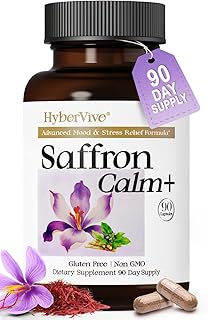
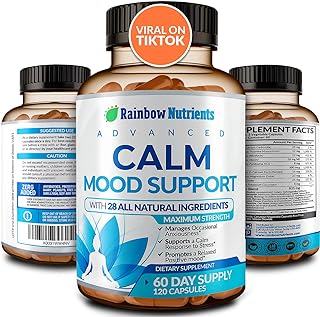


Vitamin D: Boosts mood, reduces depression, essential for brain health
Vitamin D, often dubbed the "sunshine vitamin," plays a pivotal role in mental health, yet its significance is frequently overlooked. Research indicates that adequate levels of this nutrient are associated with improved mood and reduced symptoms of depression. This is particularly relevant in regions with limited sunlight, where deficiency rates soar. For instance, a study published in the *Journal of Affective Disorders* found that individuals with vitamin D deficiency were more likely to experience depressive symptoms compared to those with sufficient levels. This highlights the need to monitor and maintain optimal vitamin D status, especially during winter months or for those with indoor lifestyles.
To harness its mental health benefits, understanding dosage is key. The recommended daily intake varies by age and health status, but adults typically require 600–800 IU (International Units) of vitamin D daily. However, individuals with deficiency may need higher doses, often ranging from 2,000 to 4,000 IU, under medical supervision. It’s crucial to avoid self-prescribing high doses, as excessive intake can lead to toxicity. Blood tests can determine your levels, allowing for personalized supplementation. Pairing vitamin D with vitamin K2 can enhance absorption and ensure calcium is properly utilized, reducing the risk of arterial calcification.
Practical tips for boosting vitamin D levels extend beyond supplements. Sun exposure remains the most natural source, with just 10–30 minutes of midday sunlight on the face and arms several times a week being sufficient for many. Dietary sources like fatty fish (salmon, mackerel), fortified foods (milk, cereals), and egg yolks can also contribute to intake. For those with dietary restrictions or limited sun exposure, supplements become essential. Opt for vitamin D3 (cholecalciferol), the form most effective at raising blood levels, over D2 (ergocalciferol).
Comparatively, while other supplements like omega-3 fatty acids and magnesium also support mental health, vitamin D stands out for its dual role in mood regulation and brain function. It interacts with neurotransmitters like serotonin, often referred to as the "feel-good" hormone, which is critical for mood stability. Additionally, vitamin D receptors are present in brain regions linked to depression, suggesting its direct impact on mental health. This unique mechanism sets it apart from other nutrients, making it a cornerstone of mental wellness strategies.
In conclusion, vitamin D is not just a bone-health nutrient; it’s a powerful ally for mental well-being. By combining mindful supplementation, sun exposure, and dietary choices, individuals can effectively support their mood and reduce depression risk. Whether you’re a desk worker in a sun-deprived city or someone with a diagnosed deficiency, prioritizing vitamin D could be a game-changer for your mental health. Always consult a healthcare provider to tailor your approach and ensure safety.
Navigating Mental Health Coverage: A Guide to Obamacare Support
You may want to see also
Explore related products
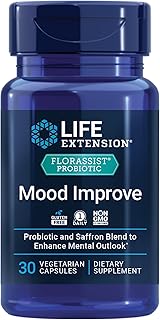

$16.97 $19.99
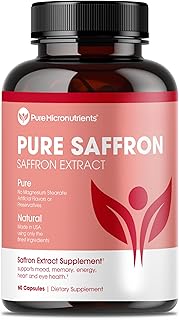
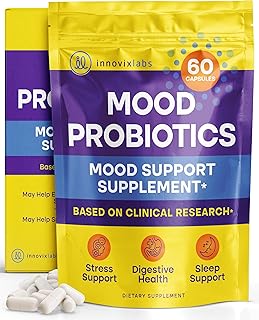


Probiotics: Improves gut-brain axis, reduces anxiety, stress, and depression
The gut-brain axis is a bidirectional communication network linking emotional and cognitive centers of the brain with intestinal functions. Probiotics, often referred to as "good bacteria," play a pivotal role in modulating this connection. Research indicates that specific strains, such as *Lactobacillus* and *Bifidobacterium*, can reduce anxiety, stress, and depression by influencing neurotransmitter production and reducing inflammation. For instance, a 2019 study published in *Psychopharmacology* found that participants who consumed a probiotic blend containing *Lactobacillus helveticus* and *Bifidobacterium longum* reported significant reductions in anxiety and cortisol levels compared to a placebo group.
To harness these benefits, consider incorporating probiotic-rich foods like yogurt, kefir, sauerkraut, or kimchi into your daily diet. Alternatively, opt for a high-quality probiotic supplement with at least 10–30 billion CFUs (colony-forming units) per dose. Look for products containing clinically studied strains like *Lactobacillus rhamnosus* GG or *Bifidobacterium bifidum*. For adults, a daily dose is generally recommended, while children and older adults should consult a healthcare provider for age-appropriate guidance. Consistency is key; probiotics may take 4–6 weeks to show noticeable effects on mental health.
While probiotics are generally safe, potential side effects include mild digestive discomfort, especially during the first few days of use. Those with compromised immune systems or severe illnesses should exercise caution and seek medical advice before starting supplementation. Additionally, not all probiotics are created equal—avoid products with excessive additives or insufficient strain diversity. Pairing probiotics with prebiotic fibers (found in garlic, bananas, and oats) can enhance their efficacy by promoting the growth of beneficial bacteria.
The science behind probiotics and mental health is still evolving, but current evidence suggests they are a valuable tool in managing mood disorders. Their ability to strengthen the gut-brain axis offers a holistic approach to mental well-being, complementing traditional therapies like medication and counseling. For individuals seeking natural, evidence-based strategies to reduce anxiety, stress, and depression, probiotics represent a promising and accessible option. Start small, monitor your response, and adjust as needed to optimize their mental health benefits.
Healing Through Cinema: How Movies Support Mental Health Struggles
You may want to see also
Explore related products


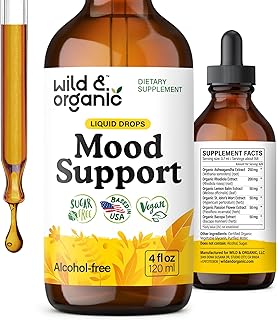


Magnesium: Promotes relaxation, reduces stress, anxiety, and improves sleep quality
Magnesium, an often-overlooked mineral, plays a pivotal role in mental well-being by acting as a natural relaxant for both the mind and body. It regulates neurotransmitters that calm the nervous system, making it a powerful ally against stress and anxiety. Studies suggest that magnesium deficiency is linked to heightened anxiety and poor sleep quality, underscoring its importance in mental health. For adults, a daily intake of 310–420 mg is recommended, depending on age and sex, though individual needs may vary. Incorporating magnesium-rich foods like spinach, almonds, and black beans can complement supplementation, ensuring a balanced approach to mental wellness.
To harness magnesium’s benefits effectively, consider its various forms and their specific uses. Magnesium glycinate, known for its calming properties, is ideal for reducing anxiety and improving sleep. Magnesium citrate, on the other hand, has a gentle laxative effect, making it less suitable for evening use but beneficial for those with digestive issues. For topical application, magnesium chloride in the form of oils or Epsom salt baths can bypass the digestive system, offering quick absorption and relaxation. Start with a low dose (200–400 mg daily) and gradually increase to assess tolerance, especially if you’re new to supplementation.
While magnesium’s benefits are compelling, it’s crucial to approach supplementation with caution. Excessive intake can lead to diarrhea, nausea, or even more severe side effects in rare cases. Individuals with kidney disease or those taking certain medications, such as antibiotics or diuretics, should consult a healthcare provider before starting magnesium supplements. Additionally, relying solely on magnesium to address mental health issues is not advisable; it should complement, not replace, a holistic approach that includes therapy, lifestyle changes, and other evidence-based treatments.
Practical integration of magnesium into daily routines can maximize its mental health benefits. For instance, taking magnesium glycinate 30–60 minutes before bedtime can enhance sleep quality by promoting muscle relaxation and reducing nighttime awakenings. Pairing magnesium supplementation with stress-reducing practices like mindfulness or yoga can amplify its calming effects. Keep track of your symptoms over time to gauge its impact, and adjust dosage or form as needed. By treating magnesium as a tool within a broader mental health toolkit, you can unlock its full potential for relaxation, stress reduction, and improved sleep.
Children and Mental Health: Are They Aware of Available Support?
You may want to see also
Explore related products


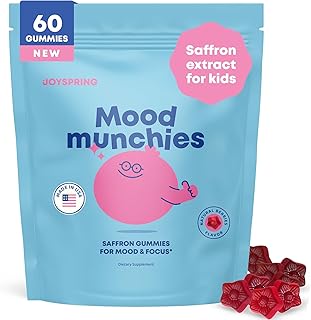

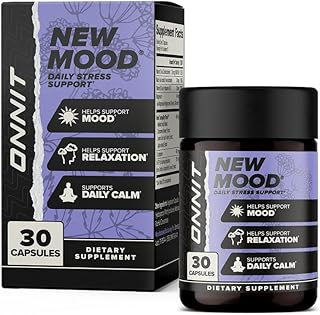

B Vitamins: Enhances neurotransmitter production, reduces stress, supports cognitive function
B vitamins are essential micronutrients that play a pivotal role in brain health, yet their impact often goes unnoticed in discussions about mental well-being. These water-soluble vitamins, particularly B6, B9 (folate), and B12, are critical for synthesizing neurotransmitters like serotonin, dopamine, and norepinephrine—chemicals that regulate mood, stress response, and cognitive function. Without adequate B vitamin levels, the brain struggles to maintain balance, potentially leading to symptoms like irritability, fatigue, and even depression. For instance, a deficiency in B12 can cause neurological issues, while low folate levels have been linked to increased anxiety and depression.
To harness the mental health benefits of B vitamins, consider incorporating them through diet or supplementation. Foods rich in B vitamins include leafy greens, eggs, fish, and whole grains. However, supplementation may be necessary for those with dietary restrictions or absorption issues. The recommended daily intake varies by age and health status: adults typically need 1.3–2.4 mcg of B12, 400 mcg of folate, and 1.3–1.7 mg of B6. For older adults or individuals with malabsorption issues, sublingual B12 tablets or methylated forms of B vitamins (like methylfolate) can enhance absorption. Always consult a healthcare provider before starting a new supplement regimen, especially if you’re taking medications that may interact with B vitamins.
One practical tip for optimizing B vitamin intake is to pair them with foods that enhance absorption. For example, consuming B12 with vitamin C-rich foods like bell peppers or citrus fruits can improve its bioavailability. Additionally, since B vitamins are water-soluble and not stored in the body, consistent daily intake is key. For those under chronic stress or with high cognitive demands, a B-complex supplement may be more effective than individual vitamins, as these work synergistically to support brain function.
While B vitamins are generally safe, excessive intake (especially of synthetic forms) can lead to imbalances or side effects like nausea or skin reactions. It’s also important to note that B vitamins alone aren’t a cure-all for mental health issues—they’re one piece of a larger puzzle that includes lifestyle factors like sleep, exercise, and social support. However, for individuals with deficiencies or increased needs, supplementing with B vitamins can be a game-changer in reducing stress, enhancing focus, and stabilizing mood. By addressing the biochemical foundation of mental health, B vitamins empower the brain to function at its best.
Magnesium Calm: A Natural Remedy for Mental Health Relief?
You may want to see also
Frequently asked questions
Supplements like omega-3 fatty acids, vitamin D, magnesium, and probiotics are commonly recommended for supporting mental health. Omega-3s (EPA and DHA) are linked to reduced symptoms of depression and anxiety, while vitamin D deficiency is associated with mood disorders. Magnesium helps regulate stress and sleep, and probiotics support gut health, which is connected to brain function via the gut-brain axis.
Yes, St. John’s Wort is widely used for mild to moderate depression, though it can interact with medications, so consult a healthcare provider. Saffron has also shown promise in reducing symptoms of depression and anxiety in some studies. However, these supplements should not replace prescribed treatments without professional guidance.
Adaptogens like ashwagandha and rhodiola are believed to help the body manage stress by balancing cortisol levels. Nootropics like L-theanine (found in green tea) and bacopa monnieri may improve focus and reduce anxiety. While these supplements show potential, individual responses vary, and it’s important to choose high-quality products and consult a healthcare provider.