Noah Parker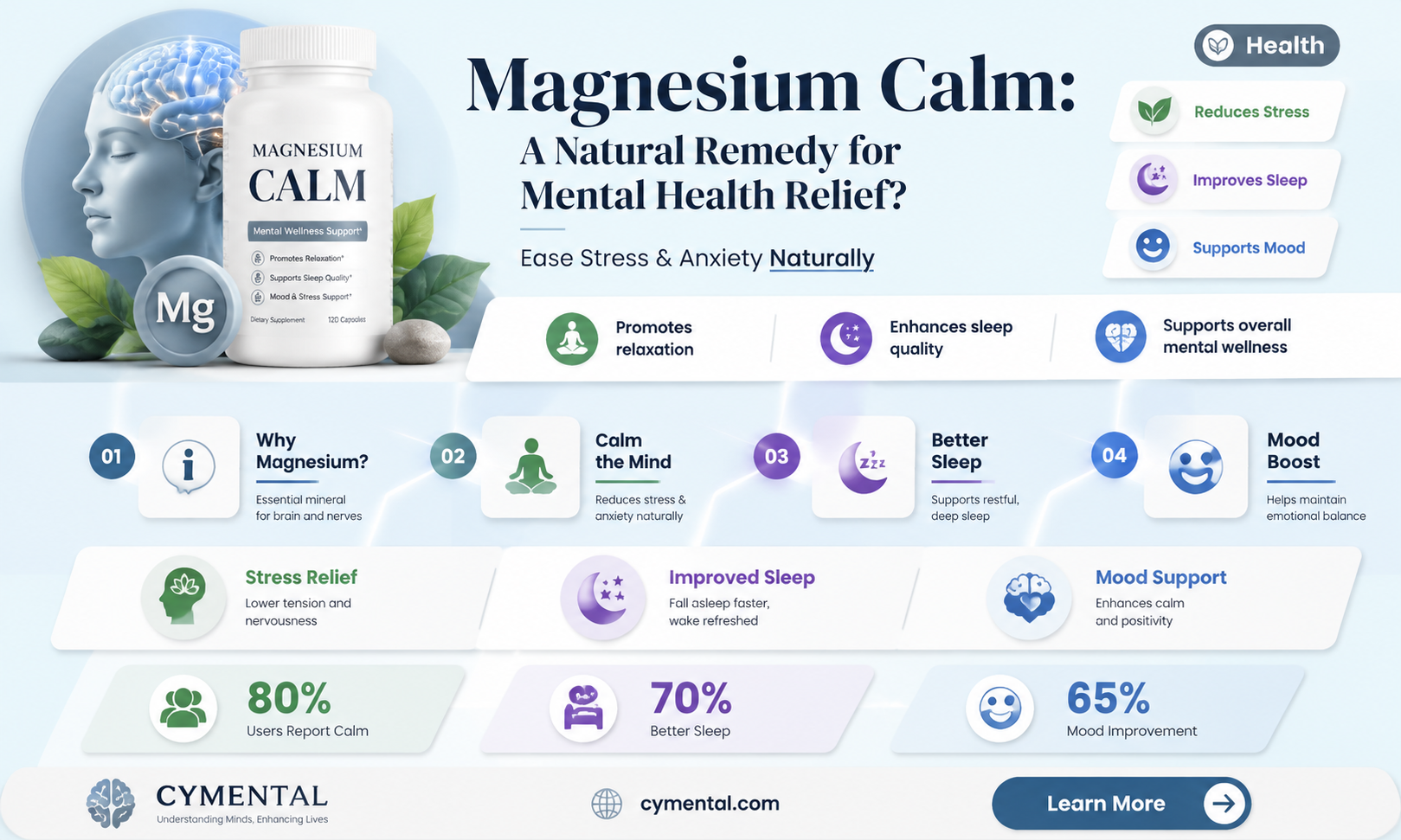
Magnesium, an essential mineral involved in over 300 biochemical reactions in the body, has gained attention for its potential role in supporting mental health. Often referred to as nature's tranquilizer, magnesium is believed to help regulate neurotransmitters, reduce inflammation, and promote relaxation, all of which are critical for maintaining emotional balance. Studies suggest that magnesium deficiency may be linked to anxiety, depression, and stress, while supplementation with forms like magnesium glycinate or magnesium threonate has shown promise in alleviating these symptoms. While research is still evolving, many individuals report feeling calmer and more focused after incorporating magnesium into their wellness routines, making it a topic of growing interest in the realm of mental health and holistic care.
| Characteristics | Values |
|---|---|
| Anxiety Reduction | Magnesium, particularly in the form of magnesium glycinate (often referred to as "Magnesium Calm"), may help reduce symptoms of anxiety by regulating neurotransmitters and promoting relaxation. |
| Stress Relief | It supports the adrenal glands, which play a key role in managing stress responses, potentially reducing overall stress levels. |
| Improved Sleep Quality | Magnesium can enhance sleep by regulating melatonin and GABA, neurotransmitters involved in sleep-wake cycles, aiding in better rest and mental health. |
| Mood Stabilization | Studies suggest magnesium may help stabilize mood by modulating serotonin and dopamine levels, potentially alleviating symptoms of depression. |
| Neuroprotection | Magnesium has neuroprotective properties, supporting brain health and reducing the risk of mental health disorders. |
| Muscle Relaxation | By acting as a natural muscle relaxant, magnesium can reduce physical tension, indirectly benefiting mental well-being. |
| Anti-Inflammatory Effects | Chronic inflammation is linked to mental health issues; magnesium’s anti-inflammatory properties may mitigate these effects. |
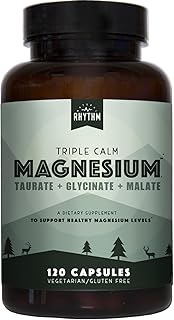
| Dosage and Forms | Common forms include magnesium glycinate, citrate, and threonate. Dosage varies but typically ranges from 200–400 mg/day for mental health benefits. |
| Side Effects | Generally safe, but high doses may cause diarrhea, nausea, or stomach cramps. Consult a healthcare provider for personalized advice. |
| Research Support | While promising, more large-scale studies are needed to conclusively prove magnesium’s efficacy in mental health treatment. |
Explore related products




What You'll Learn

Magnesium's role in reducing anxiety symptoms
Magnesium, an essential mineral involved in over 300 biochemical reactions, plays a pivotal role in regulating neurotransmitters and stress hormones, both of which are central to anxiety management. Studies suggest that magnesium deficiency can exacerbate symptoms of anxiety by impairing the body’s ability to regulate the hypothalamic-pituitary-adrenal (HPA) axis, the system responsible for stress response. For instance, a 2017 review in *Nutrients* found that magnesium supplementation significantly reduced subjective measures of anxiety in individuals with mild to moderate symptoms. This highlights the mineral’s potential as a complementary approach to anxiety relief.
To harness magnesium’s anxiolytic effects, consider incorporating magnesium-rich foods into your diet, such as spinach, almonds, and black beans. However, dietary intake alone may not suffice for those with deficiencies or heightened needs. Supplementation with magnesium glycinate or magnesium threonate, typically 200–400 mg daily, is often recommended for anxiety relief due to their high bioavailability and calming properties. Always consult a healthcare provider before starting supplements, especially if you have kidney issues or are taking medications, as excessive magnesium can cause adverse effects like diarrhea or nausea.
A comparative analysis of magnesium forms reveals that magnesium glycinate is particularly effective for anxiety due to its ability to cross the blood-brain barrier, promoting relaxation and improving sleep quality. Magnesium citrate, while beneficial for constipation, may not be as effective for anxiety due to its laxative effect, which can disrupt sleep—a critical factor in anxiety management. For older adults, who are at higher risk of magnesium deficiency due to reduced absorption, a lower starting dose of 100–200 mg daily may be more appropriate, gradually increasing under medical supervision.
Practical tips for maximizing magnesium’s anxiety-reducing benefits include pairing supplementation with stress-reduction techniques like mindfulness or yoga. Additionally, avoiding excessive caffeine and alcohol, which deplete magnesium levels, can enhance its efficacy. For those with severe anxiety, magnesium should complement, not replace, evidence-based treatments like cognitive-behavioral therapy or medication. Monitoring symptoms over 4–6 weeks can help determine the effectiveness of magnesium supplementation, with adjustments made as needed in consultation with a healthcare professional.
Exploring THC's Potential Role in Mental Health Treatment
You may want to see also
Explore related products




Impact of magnesium on stress hormone regulation
Magnesium, an often-overlooked mineral, plays a pivotal role in regulating the body’s stress response by modulating the production and activity of cortisol, the primary stress hormone. Research indicates that magnesium deficiency is linked to elevated cortisol levels, which can exacerbate anxiety, insomnia, and overall mental strain. Conversely, adequate magnesium intake helps dampen the hypothalamic-pituitary-adrenal (HPA) axis, the body’s central stress response system, promoting a calmer physiological state. For instance, a study published in *Neuropharmacology* found that magnesium supplementation reduced cortisol levels in participants exposed to acute stress, highlighting its direct impact on hormonal regulation.
To harness magnesium’s stress-regulating benefits, consider incorporating magnesium-rich foods into your diet, such as spinach, almonds, and black beans. For targeted support, magnesium glycinate or threonate supplements are recommended, as they have high bioavailability and are less likely to cause digestive discomfort. Adults typically benefit from 200–400 mg daily, but individual needs vary based on factors like age, sex, and stress levels. Always consult a healthcare provider before starting supplementation, especially if you have underlying health conditions or are taking medications.
A comparative analysis of magnesium forms reveals that magnesium glycinate is particularly effective for stress relief due to its calming effect on the nervous system, while magnesium citrate is better suited for digestive issues. Magnesium threonate, on the other hand, crosses the blood-brain barrier, making it a prime choice for cognitive and stress-related benefits. For those under chronic stress, combining dietary sources with a supplement can provide synergistic effects, ensuring consistent magnesium levels throughout the day.
Practical tips for optimizing magnesium’s stress-regulating effects include taking supplements in the evening, as magnesium also supports sleep quality, which is critical for stress recovery. Pairing magnesium with vitamin B6 can enhance its absorption and efficacy, as B6 aids in the conversion of magnesium into its active form. Additionally, reducing caffeine and alcohol intake can prevent magnesium depletion, as both substances interfere with its absorption and retention. By strategically incorporating magnesium into your routine, you can effectively mitigate the hormonal drivers of stress and foster a more resilient mental state.
Mental Health Courts: Reducing Recidivism Through Supportive Justice Approaches
You may want to see also
Explore related products



Magnesium supplementation for depression management
Magnesium, an essential mineral involved in over 300 biochemical reactions, plays a pivotal role in brain function and mood regulation. Research suggests that magnesium deficiency is linked to an increased risk of depression, as it affects neurotransmitter release and neuronal plasticity. Studies have shown that individuals with depression often have lower serum magnesium levels, sparking interest in magnesium supplementation as a potential adjunctive treatment. While not a standalone cure, magnesium may offer a natural, low-risk way to support mental health when combined with traditional therapies.
To explore magnesium supplementation for depression management, start with a daily dose of 200–400 mg of elemental magnesium, preferably in bioavailable forms like magnesium glycinate or threonate. These forms are better absorbed and less likely to cause digestive discomfort compared to magnesium oxide. For best results, take magnesium in divided doses with meals to enhance absorption and minimize side effects. It’s crucial to consult a healthcare provider before starting, especially if you’re taking medications like antibiotics or diuretics, as magnesium can interact with certain drugs.
One practical tip is to pair magnesium supplementation with lifestyle changes that naturally boost magnesium levels, such as incorporating magnesium-rich foods like spinach, almonds, and black beans into your diet. Additionally, reducing stress through mindfulness practices or regular exercise can enhance magnesium’s calming effects on the nervous system. For older adults or those with digestive issues, transdermal magnesium (e.g., Epsom salt baths or magnesium oil) may be a more effective alternative, as absorption through the skin bypasses gastrointestinal limitations.
While evidence supporting magnesium’s role in depression management is promising, it’s not a one-size-fits-all solution. Individual responses vary based on factors like baseline magnesium levels, the severity of depression, and overall health. A 2017 meta-analysis published in *PLOS ONE* found that magnesium supplementation significantly improved depressive symptoms in adults, particularly when used over 8 weeks or longer. However, more research is needed to establish optimal dosing and long-term effects. Monitoring your progress with a healthcare provider can help determine if magnesium is a valuable addition to your mental health regimen.
In conclusion, magnesium supplementation holds potential as a complementary approach to managing depression, particularly for those with documented deficiencies. By starting with a moderate dose, choosing the right form, and combining it with dietary and lifestyle adjustments, individuals may experience improved mood and overall well-being. While it’s not a replacement for conventional treatments, magnesium’s safety profile and multifaceted benefits make it a worthwhile consideration in the holistic approach to mental health. Always prioritize professional guidance to tailor supplementation to your specific needs.
Can Mental Health Case Managers Assist in Securing Disability Benefits?
You may want to see also
Explore related products


Effects of magnesium on sleep quality improvement
Magnesium, an essential mineral involved in over 300 biochemical reactions in the body, plays a pivotal role in regulating sleep. Research indicates that magnesium deficiency is associated with sleep disorders, including insomnia and restless leg syndrome. By promoting GABA production, a neurotransmitter that inhibits brain activity, magnesium helps calm the nervous system, facilitating easier onset and deeper stages of sleep. Studies suggest that individuals with higher magnesium levels tend to enjoy better sleep quality, longer sleep duration, and reduced instances of nighttime awakenings.
To harness magnesium’s sleep-enhancing benefits, consider incorporating magnesium-rich foods into your diet, such as spinach, almonds, black beans, and pumpkin seeds. However, dietary intake alone may not suffice for those with deficiencies or heightened needs. Supplementation with magnesium glycinate or magnesium threonate, known for their calming and sleep-promoting properties, can be effective. A typical dosage ranges from 200 to 400 mg taken 30–60 minutes before bedtime. Always consult a healthcare provider to determine the appropriate dosage, especially for older adults or individuals with underlying health conditions.
Comparing magnesium to other sleep aids highlights its advantages. Unlike melatonin, which primarily regulates sleep-wake cycles, magnesium addresses underlying stress and muscle tension, common culprits of sleep disturbances. Unlike prescription sleep medications, magnesium is non-habit-forming and lacks sedative side effects. However, it’s important to note that magnesium’s effects are gradual and may take several weeks to manifest fully. Patience and consistency are key when using magnesium as a sleep aid.
Practical tips for maximizing magnesium’s sleep benefits include pairing supplementation with a relaxing bedtime routine. Incorporate activities like reading, meditation, or gentle stretching to enhance its calming effects. Avoid caffeine and electronic screens at least two hours before bed, as these can counteract magnesium’s benefits. Additionally, ensure adequate hydration, as magnesium absorption relies on proper fluid balance. For those with digestive sensitivities, transdermal magnesium, such as Epsom salt baths or magnesium oil, offers an alternative to oral supplements.
In conclusion, magnesium’s role in improving sleep quality is supported by its ability to regulate neurotransmitters, reduce stress, and alleviate muscle tension. Whether through diet, supplements, or topical applications, integrating magnesium into your nightly regimen can lead to more restful and rejuvenating sleep. By understanding its mechanisms and adopting practical strategies, individuals can unlock magnesium’s potential as a natural, effective sleep aid.
Does a Mental Health Worker Certificate Boost Your Career?
You may want to see also
Explore related products


Link between magnesium and mood stabilization
Magnesium, an essential mineral involved in over 300 biochemical reactions, plays a pivotal role in brain function and emotional regulation. Research suggests that magnesium deficiency is linked to heightened anxiety, depression, and irritability. Studies have shown that individuals with low magnesium levels often exhibit symptoms of mood disorders, indicating a potential causal relationship. For instance, a 2017 review in *Nutrients* found that magnesium supplementation significantly reduced symptoms of anxiety in participants, particularly those with mild to moderate deficiency. This evidence underscores the mineral’s importance in maintaining emotional equilibrium.
To harness magnesium’s mood-stabilizing benefits, consider incorporating it into your daily routine through diet or supplements. Foods rich in magnesium include leafy greens, nuts, seeds, and whole grains. For supplementation, the recommended daily allowance (RDA) for adults is 310-420 mg, depending on age and sex. However, dosages for mood stabilization may vary; some studies suggest 200-400 mg of elemental magnesium (e.g., glycinate or threonate forms) taken daily can improve mood and reduce stress. Always consult a healthcare provider before starting supplementation, especially if you have underlying health conditions or are taking medications.
A comparative analysis of magnesium forms reveals that not all supplements are created equal. Magnesium glycinate is highly absorbable and gentle on the stomach, making it ideal for those with sensitive digestion. Magnesium threonate, on the other hand, has been shown to cross the blood-brain barrier effectively, potentially enhancing its mood-stabilizing effects. In contrast, magnesium oxide has lower bioavailability and is often used for laxative purposes rather than mental health support. Choosing the right form can maximize benefits while minimizing side effects like diarrhea or nausea.
Practical tips for optimizing magnesium’s impact on mood include pairing supplementation with vitamin D, as both nutrients work synergistically to support brain health. Additionally, reducing caffeine and alcohol intake can prevent magnesium depletion. For those struggling with stress or mood swings, combining magnesium with mindfulness practices like meditation or yoga may amplify its calming effects. Monitoring your mood over time can help determine the effectiveness of magnesium supplementation, allowing for adjustments as needed. By integrating these strategies, individuals can leverage magnesium as a natural tool for mood stabilization.
Can Your GP Support Mental Health? Exploring Primary Care Options
You may want to see also
Frequently asked questions
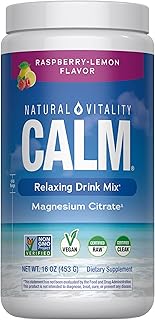
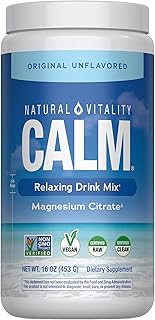
Yes, magnesium calm, which typically contains magnesium citrate, may help reduce anxiety by promoting relaxation and supporting healthy nerve function. Magnesium plays a role in regulating neurotransmitters that influence mood and stress responses.
A: Yes, magnesium calm can improve sleep quality by helping to regulate melatonin production and relax muscles, which are essential for restful sleep. Better sleep often contributes to improved mental health.
Magnesium calm may support mental health by addressing magnesium deficiencies, which are linked to depression. While it’s not a standalone treatment, it can complement other therapies by promoting overall brain function.
The effects of magnesium calm vary by individual, but some people report feeling calmer within 30 minutes to an hour after consumption. Consistent, long-term use is typically needed for noticeable mental health benefits.