Harper Lewis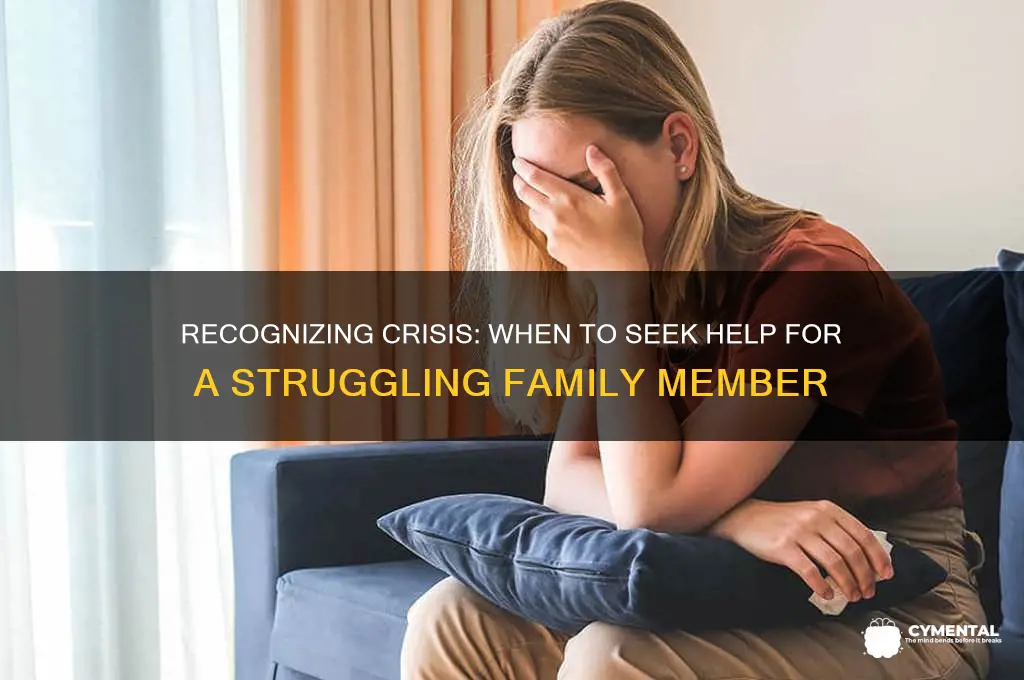
Recognizing when to seek professional help for a family member struggling with mental health issues is crucial for their well-being and the support of the entire family. Signs that may indicate the need for intervention include significant changes in behavior, such as withdrawal from social activities, persistent sadness or irritability, difficulty functioning in daily life, or expressions of self-harm or suicidal thoughts. It’s important to approach the situation with empathy and understanding, while also acknowledging the limits of personal support. Consulting a mental health professional can provide guidance on how to best assist your loved one, whether through therapy, medication, or other resources. Early intervention often leads to better outcomes, so trusting your instincts and taking action when concerns arise is essential for ensuring they receive the care they need.
Explore related products


What You'll Learn
- Recognizing Crisis Signs: Sudden behavior changes, threats of harm, severe mood swings, or extreme withdrawal
- Assessing Immediate Danger: Active self-harm, suicidal attempts, violence, or inability to care for oneself
- Persistent Symptoms: Ongoing hallucinations, delusions, severe depression, or anxiety disrupting daily life
- Substance Abuse Concerns: Drug or alcohol misuse combined with mental health symptoms worsening behavior
- When to Involve Professionals: If de-escalation fails, symptoms escalate, or safety risks become unmanageable?

Recognizing Crisis Signs: Sudden behavior changes, threats of harm, severe mood swings, or extreme withdrawal
Sudden behavior changes in a family member can be a red flag, signaling an underlying mental health crisis. Imagine a once-social teenager who now avoids friends, skips meals, and spends hours in their room. Or an adult who abruptly quits their job, sells belongings, and talks about “starting over” without a clear plan. These shifts, especially when they occur rapidly and without explanation, warrant attention. Behavioral changes often precede more severe symptoms, making early recognition critical. Keep a mental baseline of your family member’s usual habits, so deviations stand out. If you notice persistent alterations in sleep, appetite, hygiene, or social engagement, it’s time to act.
Threats of harm, whether self-directed or toward others, demand immediate intervention. Verbal statements like “I can’t take it anymore” or “Everyone would be better off without me” should never be dismissed as attention-seeking. Even indirect references to death, violence, or hopelessness require urgent attention. In children and adolescents, threats may manifest as drawings, writings, or sudden fascination with weapons. Adults might exhibit more overt signs, such as stockpiling medication or researching harmful methods. If you suspect immediate danger, call emergency services. For less acute situations, contact a mental health professional or crisis hotline for guidance on de-escalation and next steps.
Severe mood swings that disrupt daily functioning are another crisis indicator. While everyone experiences emotional ups and downs, rapid, extreme shifts—like going from euphoric to suicidal within hours—suggest conditions like bipolar disorder or severe depression. Pay attention to patterns: Does your family member cycle through moods unpredictably? Do these swings interfere with work, school, or relationships? Document specific incidents to share with a healthcare provider. Mood stabilizers or therapy may be necessary, but the first step is acknowledging the severity of the swings and their impact on the individual’s life.
Extreme withdrawal from social interactions, responsibilities, or previously enjoyed activities can signal a deepening mental health crisis. This goes beyond occasional solitude; it’s a complete retreat from the world. For example, a college student who stops attending classes, ignores calls, and neglects personal care may be experiencing severe depression or anxiety. In older adults, withdrawal might appear as refusal to leave the house, disinterest in hobbies, or silence during family gatherings. Prolonged isolation exacerbates mental health issues, creating a vicious cycle. Encourage gentle re-engagement, but also seek professional help to address the root cause of the withdrawal.
Walking for Wellness: Boosting Mental Health One Step at a Time
You may want to see also
Explore related products


$15.49 $29.99


Assessing Immediate Danger: Active self-harm, suicidal attempts, violence, or inability to care for oneself
In moments of crisis, recognizing the signs of immediate danger in a family member with mental health issues is crucial. Active self-harm, such as cutting or burning, is a red flag that demands immediate attention. Suicidal attempts, whether overt or subtle, require swift intervention. Violence directed at others or the inability to perform basic self-care tasks, like eating or hygiene, are equally urgent indicators. These behaviors signal a breakdown in coping mechanisms and necessitate professional help to prevent irreversible harm.
Assessing the severity of these situations involves observing both verbal and non-verbal cues. Explicit statements like "I want to die" or "I can’t take it anymore" should never be dismissed. Non-verbal signs, such as giving away prized possessions, sudden isolation, or a noticeable decline in physical health, can also indicate a crisis. For instance, a young adult who stops attending classes, neglects personal hygiene, and expresses hopelessness may be at risk of self-harm or suicide. In cases of violence, look for patterns of aggression, such as breaking objects or threatening behavior, which may escalate without intervention.
When immediate danger is suspected, follow a structured response plan. First, ensure your own safety before attempting to help. Contact emergency services (911 in the U.S.) if there is an active threat of harm to self or others. For less acute but still critical situations, reach out to a mental health crisis hotline, such as the National Suicide Prevention Lifeline (988), for guidance. If the family member is a minor, notify their primary care physician or a child and adolescent psychiatrist immediately. Document the observed behaviors and any relevant details to provide to professionals, as this information is vital for accurate assessment and treatment.
Comparing this scenario to less urgent mental health concerns highlights the need for proportional responses. While occasional sadness or stress may warrant supportive conversations, immediate danger requires external intervention. For example, a teenager expressing fleeting thoughts of self-harm during a therapy session differs from one actively attempting suicide at home. The former may benefit from increased therapy sessions, while the latter needs hospitalization. Understanding this distinction prevents both overreaction and underreaction, ensuring the appropriate level of care.
Finally, practical tips can empower families to act decisively. Keep a list of emergency contacts, including local crisis centers and healthcare providers, readily accessible. Educate all household members on recognizing danger signs and the steps to take. For individuals with a history of self-harm or violence, consider creating a "safety plan" with a therapist, outlining specific actions for different levels of risk. Remember, seeking help is not a failure but a necessary step in protecting your loved one and your family. Acting promptly in these situations can save lives and provide a pathway to recovery.
Mental Health Support: A Key to Stable Housing Solutions
You may want to see also
Explore related products


Persistent Symptoms: Ongoing hallucinations, delusions, severe depression, or anxiety disrupting daily life
Persistent symptoms like ongoing hallucinations, delusions, severe depression, or anxiety that disrupt daily life are red flags demanding immediate attention. These aren’t fleeting moments of distress but chronic conditions eroding a person’s ability to function. For instance, a family member experiencing auditory hallucinations that prevent them from holding a conversation or completing tasks at work requires urgent intervention. Similarly, delusions that lead to self-isolation or severe anxiety causing panic attacks multiple times a week are not manageable without professional help. Recognizing these signs early can prevent long-term deterioration of mental health and quality of life.
When these symptoms persist, they often create a ripple effect, impacting not just the individual but the entire family dynamic. A parent with untreated severe depression may struggle to care for children, while a sibling with debilitating anxiety might withdraw from social interactions, leaving others to fill the void. It’s crucial to assess how these symptoms interfere with basic activities like eating, sleeping, or maintaining hygiene. For example, if a family member skips meals due to depression or avoids leaving the house because of anxiety, these are clear indicators that professional help is necessary. Practical steps include documenting specific behaviors and their frequency to provide a clear picture to healthcare providers.
Comparing these persistent symptoms to acute episodes highlights the need for a different approach. Acute episodes, like a panic attack or a temporary delusion, may resolve with immediate support, but chronic symptoms require sustained treatment. Medication, therapy, or hospitalization might be recommended, depending on the severity. For instance, antipsychotics for hallucinations or delusions often start at low doses (e.g., 2 mg of risperidone daily) and are adjusted based on response. Similarly, cognitive-behavioral therapy (CBT) can help manage anxiety and depression over 12–16 sessions. Families should advocate for a comprehensive treatment plan tailored to the individual’s needs.
One common hesitation in seeking help is the fear of stigmatizing the family member or worsening their condition. However, delaying intervention often exacerbates the problem. Persuasively, consider this: untreated psychosis can lead to self-harm or harm to others in extreme cases, while prolonged depression increases the risk of suicide. Practical tips include approaching the conversation with empathy, using phrases like, “I’ve noticed you’re struggling, and I want to help,” rather than accusatory statements. Encourage the individual to see a mental health professional, offering to accompany them if needed. Remember, persistence in seeking help is as vital as addressing the symptoms themselves.
In conclusion, persistent symptoms like hallucinations, delusions, severe depression, or anxiety are not conditions to manage alone. They require a structured, professional response to restore the individual’s ability to function. Families play a critical role in recognizing these signs, advocating for treatment, and providing ongoing support. By acting promptly and decisively, you can help your loved one regain control of their life and prevent further deterioration.
Vitamin B's Role in Boosting Mental Health and Well-being
You may want to see also
Explore related products




![healblend 10 in 1 Immune Support Supplement Booster with Elderberry, Zinc, Echinacea, Turmeric, Lactobacillus Acidophilus, for Adults [120 Capsules]](https://m.media-amazon.com/images/I/71U7ywpCSFL._AC_UL320_.jpg)

Substance Abuse Concerns: Drug or alcohol misuse combined with mental health symptoms worsening behavior
Substance abuse and mental health issues often intertwine in a dangerous dance, exacerbating each other’s severity. When a family member struggles with both, the situation demands immediate attention. For instance, a person with untreated depression might turn to alcohol as a coping mechanism, only to find their depressive symptoms deepening due to the depressant effects of alcohol. Similarly, someone with anxiety may misuse benzodiazepines, leading to increased dependency and heightened anxiety during withdrawal. Recognizing this dual threat is the first step in determining when to seek help.
Steps to Identify the Need for Intervention:
- Monitor Behavioral Changes: Look for signs like increased secrecy, sudden financial troubles, or neglect of responsibilities. A 20-year-old college student who starts failing classes after experimenting with stimulants, for example, may be spiraling into a dual diagnosis.
- Track Substance Use Patterns: Note if alcohol consumption exceeds 14 drinks per week for men or 7 for women, as per NIH guidelines, or if prescription medications are taken beyond prescribed dosages.
- Assess Mental Health Symptoms: Worsening paranoia, aggression, or suicidal ideation paired with substance use signals a critical juncture.
Cautions in Approaching the Situation:
Avoid confrontation without preparation. Accusatory language can trigger defensiveness, pushing the individual further into isolation. Instead, use "I" statements to express concern, such as, "I’ve noticed you’ve been drinking more, and I’m worried about how it’s affecting you." Additionally, refrain from enabling behaviors, like covering up mistakes or providing financial bailouts, as these perpetuate the cycle of abuse.
Practical Tips for Immediate Support:
- Educate Yourself: Understand the specific substances involved and their interactions with mental health conditions. For example, opioids can worsen depression, while cannabis may amplify psychotic symptoms in schizophrenia.
- Encourage Professional Help: Offer to accompany your family member to a dual diagnosis treatment center, where both issues are addressed simultaneously.
- Establish Boundaries: Clearly communicate limits, such as refusing to allow substance use in your home, to protect your own well-being while encouraging change.
The combination of substance abuse and worsening mental health symptoms is a red flag that cannot be ignored. Early intervention, informed by understanding and compassion, can prevent irreversible damage. By recognizing the signs, approaching the situation strategically, and seeking professional help, families can play a pivotal role in guiding their loved ones toward recovery.
Can You Force Someone to Seek Mental Health Treatment?
You may want to see also
Explore related products


When to Involve Professionals: If de-escalation fails, symptoms escalate, or safety risks become unmanageable
De-escalation techniques, such as active listening and creating a calm environment, are often the first line of defense when a family member experiences a mental health crisis. However, these methods are not foolproof. If your attempts to de-escalate the situation consistently fail, it’s a clear signal that professional intervention is necessary. For instance, if a loved one becomes increasingly agitated despite your efforts to communicate calmly, or if they refuse to engage in dialogue altogether, the situation may be beyond your capacity to manage alone. Recognizing these limits is not a failure but a critical step in ensuring everyone’s safety.
Symptom escalation is another red flag that demands professional involvement. Mental health conditions can worsen rapidly, especially during acute episodes. For example, if a family member with depression begins expressing suicidal thoughts or if someone with schizophrenia starts experiencing severe hallucinations that impair their judgment, immediate professional help is essential. Monitoring symptoms is crucial, but when they intensify to the point of disrupting daily functioning or posing a danger, it’s time to call in experts. Mental health professionals can provide assessments, medications, or therapies that family members cannot administer effectively.
Safety risks are perhaps the most urgent reason to involve professionals. If a family member’s behavior becomes unpredictable or violent, or if they pose a threat to themselves or others, waiting is not an option. For instance, if someone with bipolar disorder in a manic phase begins engaging in reckless behavior like spending large sums of money or driving dangerously, or if they become physically aggressive, emergency services should be contacted. In such cases, crisis intervention teams or psychiatric emergency services can step in to stabilize the situation. Practical steps include keeping local crisis hotline numbers readily available and knowing the location of the nearest emergency psychiatric facility.
Involving professionals doesn’t mean you’re abandoning your family member; it means you’re prioritizing their well-being and your own. Professionals bring expertise, objectivity, and resources that can address complex mental health issues more effectively than family members can. For example, a psychiatrist can prescribe medications like antipsychotics or mood stabilizers, while a therapist can provide evidence-based interventions like cognitive-behavioral therapy. Additionally, professionals can help navigate legal options, such as involuntary commitment, if necessary, ensuring care is provided even when the individual resists. By recognizing when to step back and let experts take over, you contribute to a more sustainable and effective support system for your loved one.
Supporting Teens: Practical Ways to Aid Mental Health Struggles
You may want to see also
Frequently asked questions
It’s time to seek help if your family member’s mental health issues are significantly impacting their daily functioning, relationships, or safety. Warning signs include severe mood swings, withdrawal from social activities, self-harm, suicidal thoughts, or an inability to care for themselves.
If your family member refuses help, try having an open, non-judgmental conversation about your concerns. You can also consult a mental health professional for guidance on intervention strategies, such as family therapy or crisis support. In emergencies, contact local crisis services for assistance.
Call emergency services if your family member is at immediate risk of harming themselves or others, expresses suicidal intent, or is experiencing severe psychosis. Do not hesitate to act in these situations, as prompt intervention can save lives.
While waiting for professional help, create a safe and supportive environment, listen without judgment, and encourage healthy habits like sleep and nutrition. Educate yourself about their condition, and consider joining support groups for caregivers. Avoid enabling harmful behaviors and prioritize your own well-being.