Ava Ramirez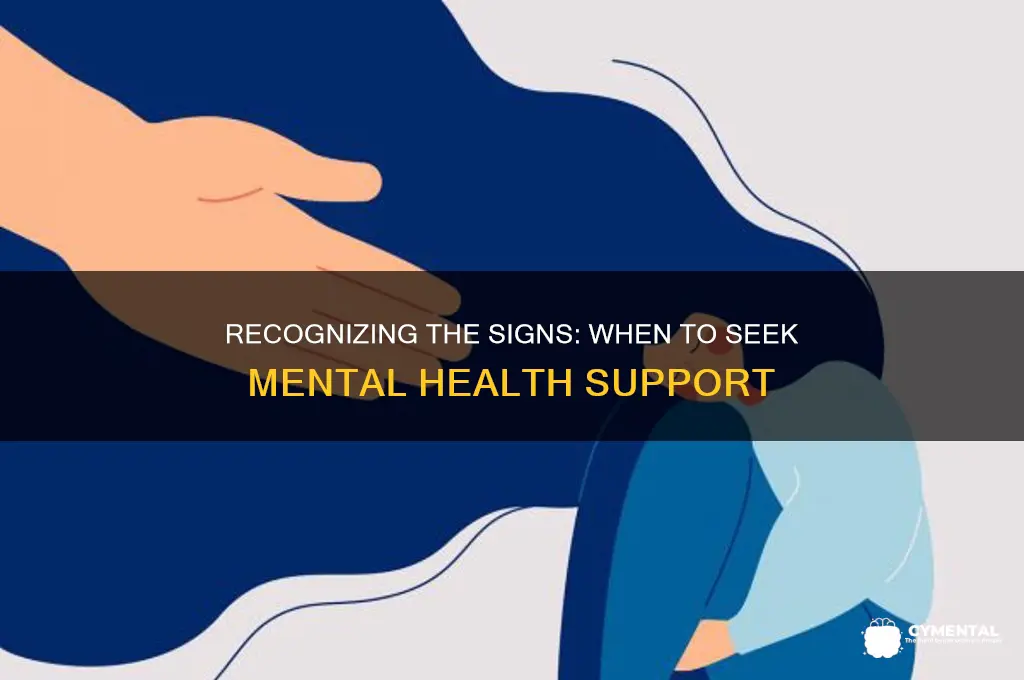
Recognizing when to seek mental health help is crucial for overall well-being, yet many struggle to identify the right moment. It’s important to ask for support when persistent feelings of sadness, anxiety, or hopelessness interfere with daily life, relationships, or work. Other signs include changes in sleep or appetite, difficulty concentrating, or thoughts of self-harm. Seeking help is not a sign of weakness but a proactive step toward healing. Whether you’re experiencing mild distress or severe symptoms, reaching out to a mental health professional, trusted friend, or helpline can provide guidance and relief. Early intervention often leads to better outcomes, so trust your instincts and prioritize your mental health when you feel something isn’t right.
Explore related products


What You'll Learn
- Recognizing Symptoms: Persistent sadness, anxiety, or changes in behavior may signal the need for help
- Impact on Daily Life: Struggling with work, relationships, or self-care indicates seeking support
- Suicidal Thoughts: Immediate help is crucial if experiencing thoughts of self-harm or suicide
- Substance Abuse: Using drugs or alcohol to cope warrants professional intervention
- When to Wait: Minor stress or temporary mood swings may not require immediate assistance?

Recognizing Symptoms: Persistent sadness, anxiety, or changes in behavior may signal the need for help
Persistent sadness, anxiety, or changes in behavior are not merely fleeting emotions but potential red flags that your mental health needs attention. These symptoms often manifest as a prolonged sense of hopelessness, excessive worry, or noticeable shifts in how you interact with the world. For instance, if you find yourself crying for no apparent reason, feeling constantly on edge, or withdrawing from activities you once enjoyed, it’s time to pause and assess. These signs are your mind’s way of signaling that something deeper is amiss, and ignoring them can lead to more severe issues down the line.
Analyzing these symptoms requires a nuanced approach. Persistent sadness, for example, goes beyond temporary disappointment or grief. It’s a heavy, unrelenting feeling that lasts for weeks or months, often accompanied by fatigue, changes in appetite, or difficulty concentrating. Anxiety, on the other hand, isn’t just pre-presentation jitters; it’s a chronic state of dread that interferes with daily life, manifesting as physical symptoms like rapid heartbeat, insomnia, or gastrointestinal distress. Behavioral changes, such as sudden aggression, neglect of personal hygiene, or drastic shifts in sleep patterns, are equally telling. These aren’t quirks—they’re cries for help.
To address these symptoms effectively, start by tracking their frequency and intensity. Keep a journal to note how often you feel overwhelmed, sad, or disconnected. For example, if you experience anxiety for more than 15 days a month, or if sadness disrupts your ability to work or socialize, it’s a clear indicator to seek help. Practical steps include reaching out to a trusted friend, scheduling an appointment with a primary care physician, or using online mental health assessment tools. Remember, acknowledging these symptoms isn’t a sign of weakness—it’s the first step toward reclaiming your well-being.
Comparatively, untreated mental health symptoms can spiral into more serious conditions like depression or generalized anxiety disorder. For instance, persistent sadness left unaddressed can lead to self-isolation, while unchecked anxiety may evolve into panic attacks. Early intervention, however, can mitigate these risks. Therapies like cognitive-behavioral therapy (CBT) or medications such as selective serotonin reuptake inhibitors (SSRIs) have proven effective for many. The key is to act before these symptoms become entrenched, making recovery more challenging.
In conclusion, recognizing persistent sadness, anxiety, or behavioral changes is crucial for timely intervention. These symptoms are not character flaws but indicators of underlying issues that deserve attention. By monitoring their impact, seeking support, and exploring treatment options, you can take control of your mental health. Remember, asking for help isn’t a last resort—it’s a proactive step toward a healthier, more balanced life.
Trained Professionals Offering Mental Health Support: Who Can Help?
You may want to see also
Explore related products


Impact on Daily Life: Struggling with work, relationships, or self-care indicates seeking support
Mental health struggles often manifest in subtle yet profound ways, disrupting the rhythm of daily life. When tasks that once felt manageable—like meeting deadlines, maintaining connections, or even brushing your teeth—become Herculean efforts, it’s a red flag. For instance, a 30-year-old professional might notice they’re missing work deadlines despite working overtime, or a college student might isolate themselves from friends, citing exhaustion. These aren’t just "off days"; they’re persistent patterns signaling deeper distress. If you’re spending more than 50% of your week feeling overwhelmed or disconnected, it’s time to consider professional help.
Consider the ripple effect of untreated mental health issues on relationships. A partner might withdraw from conversations, a parent might snap at their children over minor mishaps, or a friend might cancel plans repeatedly without explanation. These behaviors strain bonds, often leading to misunderstandings or resentment. Research shows that untreated anxiety or depression can reduce relationship satisfaction by up to 40%. If you find yourself avoiding loved ones or lashing out, it’s not just about personal struggle—it’s a sign your mental health is affecting those around you. Seeking support isn’t selfish; it’s a step toward repairing and strengthening connections.
Self-care, often dismissed as indulgent, is a critical barometer of mental well-being. Skipping meals, neglecting hygiene, or abandoning hobbies you once loved are not minor lapses. For example, a 25-year-old who stops exercising—a proven mood booster—might spiral into lethargy and guilt. Similarly, a 40-year-old who forgoes sleep to meet demands risks exacerbating stress and anxiety. Experts recommend at least 30 minutes daily for self-care activities, whether it’s meditation, journaling, or a walk. If you can’t sustain these practices despite intending to, it’s a clear indicator that professional intervention could help restore balance.
The workplace is another arena where mental health struggles become glaringly apparent. A once-productive employee might start procrastinating, missing meetings, or making uncharacteristic errors. According to the World Health Organization, depression and anxiety cost the global economy $1 trillion annually in lost productivity. If you’re using sick days frequently for mental health reasons or feel chronically unmotivated, it’s not just your job at stake—it’s your overall well-being. Employers often offer Employee Assistance Programs (EAPs) with free counseling sessions; leveraging these resources can be a practical first step.
Finally, the cumulative impact of these struggles can lead to a dangerous cycle of self-blame and avoidance. You might think, "I should be able to handle this," but mental health challenges aren’t a measure of weakness. Just as you’d seek help for a physical injury, reaching out for mental health support is a proactive decision. Start with small steps: schedule a telehealth appointment, join a support group, or confide in a trusted friend. Remember, acknowledging the need for help isn’t failure—it’s the first step toward reclaiming control over your daily life.
Sex and Mental Health: Exploring the Surprising Benefits and Connections
You may want to see also
Explore related products





Suicidal Thoughts: Immediate help is crucial if experiencing thoughts of self-harm or suicide
Suicidal thoughts are a mental health emergency, demanding immediate action. They are not a sign of weakness or a character flaw, but a symptom of severe distress. If you or someone you know is experiencing these thoughts, prioritize safety above all else. Call emergency services, a suicide hotline, or a trusted mental health professional without delay. Time is critical; every moment counts in preventing irreversible tragedy.
Recognizing the urgency of suicidal thoughts requires understanding their complexity. They often stem from a perfect storm of factors: overwhelming emotional pain, feelings of hopelessness, and a distorted perception of reality. Individuals may feel trapped, believing death is the only escape. This mental state can cloud judgment and impair the ability to seek help independently. That's why external intervention is often necessary. Remember, these thoughts are treatable, and recovery is possible with prompt and appropriate support.
"
Unlike other mental health concerns that may allow for gradual intervention, suicidal ideation necessitates a swift and decisive response. Imagine a fire alarm blaring – you wouldn't wait to see if it stops; you'd evacuate immediately. Suicidal thoughts are that alarm, signaling a life-threatening situation. Don't hesitate to reach out, even if you're unsure of the severity. Hotlines like the National Suicide Prevention Lifeline (988 in the US) are staffed with trained professionals who can provide immediate support and guide you towards further resources.
"
While seeking professional help is paramount, there are temporary coping mechanisms that can buy crucial time. These include deep breathing exercises, grounding techniques (focusing on your senses in the present moment), and connecting with a trusted friend or family member. However, these are not substitutes for professional intervention. They are merely tools to manage the intensity of the crisis until expert help arrives. Remember, reaching out for help is a sign of strength, not weakness. It takes immense courage to acknowledge the darkness and seek a path towards light.
Refusing Mental Health Support: Consequences and Paths to Encouraging Acceptance
You may want to see also
Explore related products


Substance Abuse: Using drugs or alcohol to cope warrants professional intervention
Turning to drugs or alcohol as a coping mechanism is a red flag that demands immediate attention. It’s not just about occasional use; it’s the intent behind it. If you’re relying on substances to numb emotional pain, escape reality, or manage stress, your brain is rewiring itself to associate relief with these chemicals. Over time, this pattern escalates tolerance, meaning you’ll need higher doses to achieve the same effect. For example, what starts as one drink after a rough day can spiral into a nightly ritual, with the average binge-drinking session exceeding 4–5 drinks for women and 5–6 for men, according to the NIH. This isn’t sustainable—it’s a temporary bandage on a deeper wound.
Consider the mechanics of this behavior. Substances like alcohol and benzodiazepines depress the central nervous system, offering short-term calm but disrupting long-term emotional regulation. Opioids or stimulants might provide fleeting euphoria or focus, but they deplete neurotransmitters like dopamine and serotonin, leaving you more vulnerable to anxiety and depression. The brain’s reward system becomes hijacked, prioritizing substance use over healthier coping strategies. If you’re skipping social events, work, or hobbies to use, or if withdrawal symptoms (e.g., shakes, insomnia, irritability) emerge when you stop, these are critical signs of dependency.
Professional intervention isn’t just about quitting; it’s about rewiring your coping toolkit. Therapies like Cognitive Behavioral Therapy (CBT) help identify triggers and replace substance use with adaptive strategies, such as mindfulness or exercise. Medication-assisted treatment (MAT) can ease withdrawal for severe cases—for instance, methadone or buprenorphine for opioid addiction, or naltrexone to block alcohol cravings. Support groups like AA or SMART Recovery provide accountability, but they’re most effective when paired with individualized care. A mental health professional can tailor a plan to address both the addiction and its underlying causes, such as trauma or untreated mental illness.
Here’s a practical tip: Track your usage honestly. Note the time, amount, and emotions preceding each use. Patterns will emerge, revealing triggers you can address proactively. For instance, if anxiety spikes before social events, practice deep breathing or attend with a sober ally. If insomnia drives nighttime drinking, establish a sleep hygiene routine—limit screens, avoid caffeine after 2 p.m., and keep the bedroom cool and dark. These small changes reduce reliance on substances while you seek professional help.
Delaying intervention compounds the problem. Substance abuse alters brain chemistry, making it harder to quit without support. It also increases risks like liver disease, overdose, or strained relationships. Seeking help isn’t a sign of weakness—it’s a strategic move to reclaim control. Start with a primary care physician or a confidential hotline (e.g., SAMHSA’s 1-800-662-HELP) to explore options. Remember, the goal isn’t perfection but progress. Each step toward healthier coping is a step toward breaking the cycle.
AI's Role in Mental Health: Support, Challenges, and Future Potential
You may want to see also
Explore related products


$10.49 $21


When to Wait: Minor stress or temporary mood swings may not require immediate assistance
Not every emotional dip or stressful day warrants an emergency call to a therapist. Our minds, like our bodies, experience fluctuations. A minor stressor—a missed deadline, a disagreement with a friend, or pre-exam jitters—can trigger temporary mood swings without signaling a deeper issue. Recognizing the difference between these transient states and persistent mental health concerns is crucial. For instance, feeling irritable after a sleepless night is normal; it’s when irritability persists for weeks, disrupting daily life, that professional help becomes necessary.
Consider this analogy: Just as a minor headache doesn’t require a trip to the ER, fleeting feelings of sadness or anxiety often resolve with time and self-care. Practical strategies like deep breathing, a short walk, or journaling can effectively manage these moments. For adults aged 18–65, the American Psychological Association recommends starting with such self-soothing techniques before seeking external help. Adolescents, particularly those aged 13–17, may benefit from parental guidance or peer support during these episodes, as their emotional regulation skills are still developing.
However, waiting doesn’t mean ignoring. Track the duration and intensity of your symptoms. If stress or mood swings last longer than two weeks, interfere with work or relationships, or include physical symptoms like insomnia or appetite changes, it’s time to consult a professional. Apps like Moodpath or journaling tools can help monitor patterns objectively. Remember, self-assessment is a tool, not a diagnosis—it’s a way to decide when to act, not a reason to delay.
Waiting can also be an act of self-awareness. Reflect on whether the stressor is situational or chronic. A job interview or family conflict may cause temporary distress, while ongoing issues like workplace bullying or financial strain require proactive intervention. For young adults (18–25), who often face transitional stressors, distinguishing between growth-related anxiety and clinical anxiety is key. Universities typically offer counseling services, providing a low-stakes entry point for exploring concerns.
Finally, waiting doesn’t mean suffering in silence. Minor stress can be an opportunity to build resilience. Techniques like mindfulness, exercise, or setting boundaries can empower you to navigate future challenges. For children under 12, parents can model these behaviors, teaching them emotional coping skills. Waiting, in this context, is about trusting your ability to heal while knowing when to ask for help—a balance that strengthens mental health over time.
Breaking the Silence: Why Some Resist Mental Health Support
You may want to see also
Frequently asked questions
It’s time to seek help if you’re experiencing persistent feelings of sadness, anxiety, or hopelessness that interfere with your daily life, relationships, or work. Other signs include changes in sleep or appetite, difficulty concentrating, or thoughts of self-harm. Trust your instincts—if you feel like you need support, reaching out is a sign of strength.
No, you don’t need to wait until symptoms are severe. Early intervention can prevent issues from worsening. If you notice changes in your mood, behavior, or functioning that concern you, it’s a good idea to seek help. Mental health support is beneficial at any stage, not just in crisis situations.
Start by reaching out to a trusted friend, family member, or your primary care doctor. They can offer support and guide you to appropriate resources, such as a therapist, counselor, or mental health hotline. If you’re unsure where to begin, many communities offer free or low-cost mental health services or helplines.