Noah Parker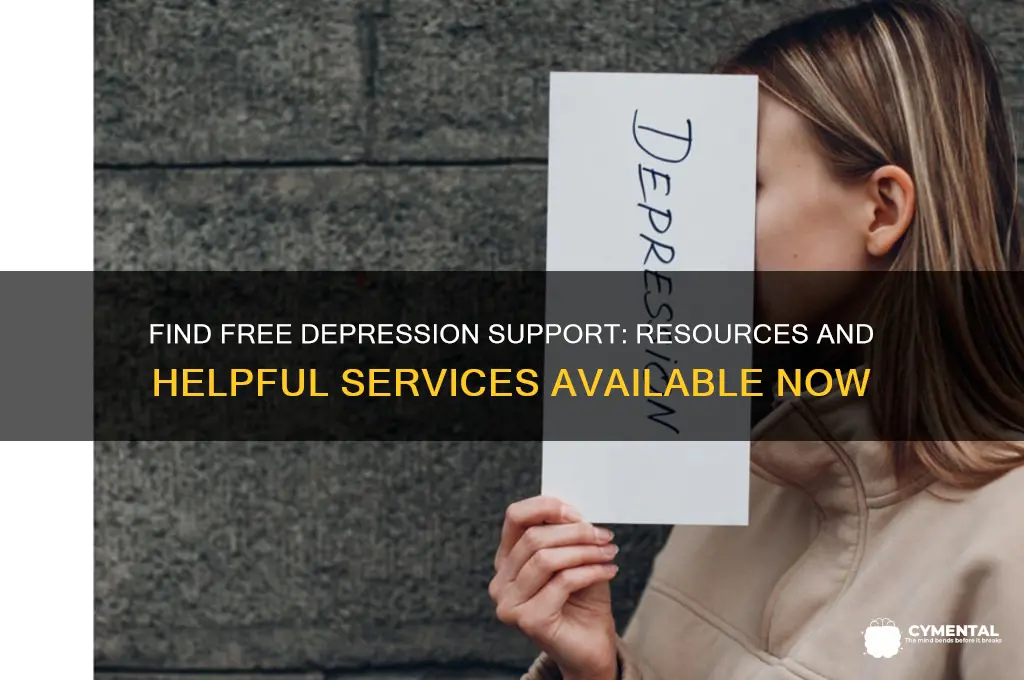
Depression is a serious mental health condition that affects millions of people worldwide, and seeking help is a crucial step toward recovery. Fortunately, there are numerous resources available to provide free support for those struggling with depression. From helplines and online therapy platforms to community-based organizations and support groups, individuals can access professional guidance, peer support, and valuable tools to manage their symptoms. Many countries offer national mental health hotlines, such as the National Suicide Prevention Lifeline in the United States or the Samaritans in the UK, which provide immediate assistance and confidential conversations. Additionally, websites and apps like 7 Cups and Moodpath offer free counseling and self-assessment tools, making mental health support more accessible than ever. Local community centers, churches, and universities often host free workshops, therapy sessions, or support groups, fostering a sense of connection and understanding among participants. By exploring these options, individuals can find the help they need to navigate their journey toward better mental health without financial barriers.
Explore related products


What You'll Learn
- Online Therapy Platforms: Access free counseling services through websites or apps offering limited sessions or peer support
- Community Health Clinics: Local clinics often provide free mental health screenings and basic treatment options
- Support Groups: Join free peer-led groups for shared experiences and emotional support in your area
- Hotlines & Helplines: Call or text 24/7 crisis lines for immediate, free, and confidential assistance
- Nonprofit Organizations: Many nonprofits offer free resources, workshops, and counseling for depression and mental health

Online Therapy Platforms: Access free counseling services through websites or apps offering limited sessions or peer support
Online therapy platforms have emerged as a lifeline for those seeking free or low-cost mental health support, particularly for depression. Websites and apps like 7 Cups and Befrienders Worldwide offer peer support, connecting users with trained listeners or volunteers who provide a safe space to share struggles. While not a substitute for professional therapy, these platforms can be a starting point for individuals hesitant to seek formal help or facing financial barriers. The anonymity and accessibility of these services make them particularly appealing to younger adults and those in remote areas.
For those seeking structured counseling, platforms like BetterHelp or Talkspace occasionally offer free trials or limited sessions, though these often require a credit card and may transition to paid plans. A more consistently free option is BlahTherapy, which provides both peer support and access to licensed therapists for a limited number of sessions. These platforms typically use chatbots or intake forms to assess users’ needs, ensuring they’re matched with appropriate resources. However, it’s crucial to read the fine print, as “free” services may have hidden costs or data privacy concerns.
Peer support communities, such as those on Reddit’s r/depression or Depression Understood, offer another layer of free assistance. These forums foster a sense of belonging and allow users to exchange coping strategies, though they lack professional oversight. For teens and young adults, TeenCounseling (part of BetterHelp) provides limited free sessions tailored to younger age groups, addressing the unique challenges of adolescent depression. While these platforms vary in structure, they share a common goal: making mental health support accessible to those who might otherwise go without.
When using online therapy platforms, it’s essential to manage expectations. Free services often come with limitations, such as session caps, wait times, or less personalized care. Users should also prioritize platforms that adhere to ethical guidelines, such as those listed on the International Association for Peer Support Services directory. Combining these resources with self-care practices—like journaling or mindfulness apps—can maximize their effectiveness. Ultimately, while online therapy platforms aren’t a cure-all, they serve as a vital bridge to professional care for many.
Supporting Through Crisis: Texting Tips for Mental Breakdown Assistance
You may want to see also
Explore related products


Community Health Clinics: Local clinics often provide free mental health screenings and basic treatment options
Community health clinics are often the unsung heroes in the fight against depression, offering a vital safety net for those who might otherwise slip through the cracks. These clinics, typically funded by a mix of government grants, donations, and sliding-scale fees, provide free or low-cost mental health screenings and basic treatment options. For individuals without insurance or with limited financial resources, they serve as a critical first step toward managing depression. Many clinics operate on a walk-in basis, removing barriers like long wait times or complicated appointment systems, making it easier for people to seek help when they need it most.
Consider the process: a person experiencing symptoms of depression can visit a community health clinic for a free mental health screening. This typically involves a brief questionnaire or conversation with a trained professional to assess the severity of symptoms. If depression is suspected, the clinic may offer basic treatment options such as counseling sessions, group therapy, or referrals to psychiatrists for medication evaluation. For example, a clinic might provide up to six free counseling sessions with a licensed therapist, enough to stabilize a patient and create a long-term treatment plan. Some clinics also offer workshops on stress management, mindfulness, or coping strategies, equipping individuals with tools to manage their condition independently.
One of the strengths of community health clinics lies in their local focus. They are often embedded within the neighborhoods they serve, staffed by professionals who understand the unique challenges of the community. This localized approach fosters trust and reduces stigma, as individuals are more likely to seek help from a familiar, accessible resource. For instance, a clinic in an urban area might address depression linked to socioeconomic stressors, while a rural clinic could focus on isolation and limited access to care. This tailored approach ensures that treatment is not only free but also relevant and effective.
However, it’s important to note that community health clinics are not a one-size-fits-all solution. While they excel at providing initial screenings and basic treatment, they may lack the resources for intensive or specialized care. For severe or treatment-resistant depression, patients may need to be referred to higher-level providers. Additionally, availability can vary widely by location, with urban areas often having more clinics than rural regions. To maximize their utility, individuals should research local clinics in advance, understanding their services, hours, and any eligibility requirements. Websites like *Find a Health Center* (healthcenter.hrsa.gov) can help locate nearby clinics offering mental health services.
In conclusion, community health clinics play a pivotal role in providing free help for depression, offering screenings and basic treatment options that are both accessible and culturally sensitive. By leveraging these resources, individuals can take the first steps toward managing their mental health without financial burden. While clinics may not address every need, their localized, low-barrier approach makes them an indispensable part of the mental health care ecosystem. For anyone struggling with depression, reaching out to a community health clinic could be the first step toward healing.
Animal Companionship: Boosting Mental Health and Emotional Well-Being in Humans
You may want to see also
Explore related products


Support Groups: Join free peer-led groups for shared experiences and emotional support in your area
Depression often thrives in isolation, but support groups offer a powerful antidote by connecting individuals with shared experiences. These free, peer-led gatherings provide a safe space to express emotions, gain perspective, and learn coping strategies from others who truly understand. Unlike clinical settings, support groups foster a sense of community and mutual aid, reducing feelings of loneliness and stigma.
Finding a local support group is easier than you might think. Start by contacting community mental health centers, which often host or have information about free groups. Churches, libraries, and community centers are also common venues. Online platforms like Meetup and Facebook can connect you with groups in your area, though it’s essential to verify the group’s legitimacy and focus before attending. For those uncomfortable with in-person meetings, virtual support groups offer flexibility and anonymity, often accessible through organizations like the Depression and Bipolar Support Alliance (DBSA).
Participating in a support group requires no special skills or preparation, but there are practical tips to maximize its benefits. Arrive open-minded and willing to share, even if it feels uncomfortable at first. Active listening is as important as speaking—acknowledging others’ experiences fosters trust and connection. Be patient with yourself and others; healing is not linear, and progress varies. If a group doesn’t feel like the right fit, don’t hesitate to try another—finding the right community is key to its effectiveness.
While support groups are not a substitute for professional treatment, they complement therapy and medication by providing emotional reinforcement and practical advice. Members often share strategies for managing symptoms, such as mindfulness techniques, exercise routines, or journaling prompts. The collective wisdom of the group can offer fresh perspectives on challenges that feel insurmountable alone. Over time, regular attendance can build resilience, improve social skills, and create lasting friendships rooted in empathy and understanding.
Supporting Teens: Practical Strategies for Navigating Mental Health Challenges
You may want to see also
Explore related products


$9.39 $17.99

Hotlines & Helplines: Call or text 24/7 crisis lines for immediate, free, and confidential assistance
In moments of overwhelming despair, the simple act of reaching out can feel insurmountable. Yet, hotlines and helplines offer a lifeline—a direct connection to trained professionals who provide immediate, free, and confidential support. These services are designed to meet you where you are, whether you’re in crisis or just need someone to talk to. Available 24/7, they ensure that help is always within reach, no matter the hour or the depth of your struggle.
Consider the National Suicide Prevention Lifeline (988 in the U.S.), a prime example of a resource tailored for those grappling with depression or suicidal thoughts. A single call or text connects you to a compassionate listener who can de-escalate crises, offer coping strategies, and guide you toward local resources. For those who prefer texting, Crisis Text Line (text HOME to 741741) provides a silent yet powerful alternative, ideal for situations where speaking aloud isn’t feasible. These services are staffed by volunteers and professionals trained in active listening, ensuring you’re heard without judgment.
While hotlines are invaluable, it’s essential to understand their scope. They are not a substitute for long-term therapy or medical treatment but rather a bridge to stability. If you’re on medication, continue taking it as prescribed, and use these calls as a complementary tool. For minors or those calling on behalf of a child, be aware that some helplines have age-specific protocols, such as the Teen Line (800-852-8336), which caters to adolescents. Always provide accurate information to ensure the best support.
The beauty of these services lies in their accessibility and anonymity. No insurance? No problem. No appointment needed? Check. Whether you’re in a rural area or a bustling city, a simple call or text can connect you to someone who cares. For non-English speakers, many hotlines offer multilingual support, ensuring language barriers don’t hinder access to help. Practical tip: Save these numbers in your phone or write them down somewhere visible, so they’re readily available when needed.
In a world where depression often thrives in silence, hotlines and helplines shatter that isolation. They remind us that we don’t have to face our darkest moments alone. By offering immediate, judgment-free support, these services empower individuals to take the first step toward healing. Reach out—it’s free, it’s confidential, and it could change everything.
Finding Support: Where to Seek Help for Depression and Healing
You may want to see also
Explore related products


Nonprofit Organizations: Many nonprofits offer free resources, workshops, and counseling for depression and mental health
Nonprofit organizations often serve as a lifeline for individuals seeking free support for depression, filling critical gaps left by costly or inaccessible mental health services. Unlike for-profit entities, these organizations prioritize community well-being over financial gain, leveraging donations, grants, and volunteers to provide resources at no cost. For instance, the National Alliance on Mental Illness (NAMI) offers free peer-led support groups, educational programs like "Family-to-Family," and a helpline staffed by trained volunteers. Similarly, the Depression and Bipolar Support Alliance (DBSA) hosts free peer-led support groups nationwide, fostering connection and understanding among individuals facing similar challenges. These organizations demonstrate how nonprofits can deliver high-quality mental health support without financial barriers.
To access these services, start by identifying nonprofits aligned with your needs. Websites like Guidestar or Charity Navigator allow you to search for mental health-focused organizations with strong transparency and accountability records. Local community centers or libraries often have brochures or directories listing nearby nonprofits offering free workshops or counseling. For example, the Jed Foundation provides free mental health programs and resources for teens and young adults, while the Anxiety and Depression Association of America (ADAA) offers free webinars and toolkits. Once you’ve identified an organization, reach out via their website or helpline to inquire about eligibility and availability—many require no formal diagnosis or referral.
While nonprofit resources are invaluable, it’s important to manage expectations. Free counseling services, for instance, may have waitlists or limited session availability due to high demand and resource constraints. Workshops and support groups, however, are often more accessible and can provide immediate relief through education and community connection. For example, NAMI’s "Ending the Silence" program offers free mental health education sessions for students, parents, and teachers, equipping them with tools to recognize and address depression. Pairing these resources with self-care practices, such as mindfulness or journaling, can enhance their effectiveness.
One of the most compelling aspects of nonprofit support is its emphasis on empowerment and peer connection. Unlike traditional therapy, which often involves a one-on-one dynamic, nonprofit programs frequently incorporate group settings. This fosters a sense of belonging and reduces the stigma surrounding depression. For instance, DBSA’s peer-led groups are facilitated by individuals with lived experience, creating a safe space for sharing and learning. Such models not only provide emotional support but also equip participants with coping strategies and advocacy skills. By leveraging these resources, individuals can take proactive steps toward managing depression while contributing to a broader community of healing.
Supporting Through Crisis: Essential Steps to Aid Mental Health Emergencies
You may want to see also
Frequently asked questions
Many organizations offer free online resources, such as the National Alliance on Mental Illness (NAMI), Mental Health America (MHA), and the Anxiety and Depression Association of America (ADAA). Websites like 7 Cups and BetterHelp also provide free or low-cost counseling and peer support.
Yes, many communities have free or low-cost mental health clinics, often run by local health departments, universities, or nonprofits. Organizations like Federally Qualified Health Centers (FQHCs) and community mental health centers may also provide free services based on income.
Absolutely. Helplines like the National Suicide Prevention Lifeline (988), Crisis Text Line (text HOME to 741741), and the SAMHSA National Helpline (1-800-662-HELP) offer free, confidential support 24/7 for individuals struggling with depression or other mental health issues.