Ava Ramirez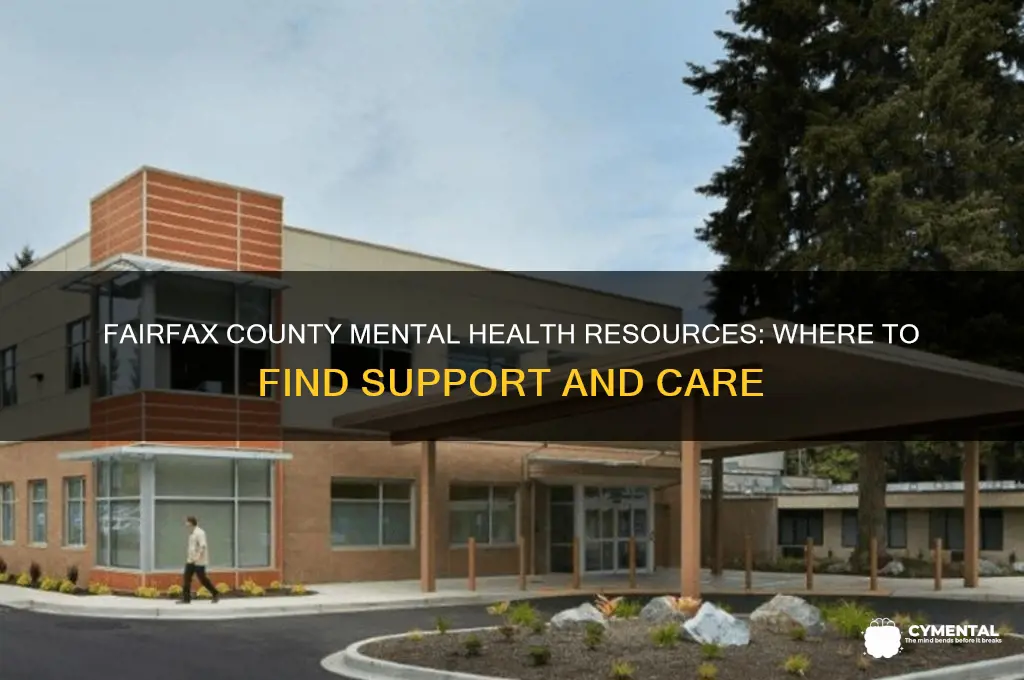
Fairfax County offers a variety of resources for individuals seeking mental health support, ensuring accessible and comprehensive care for its residents. From community-based organizations like the Fairfax-Falls Church Community Services Board, which provides counseling, crisis intervention, and psychiatric services, to private practices and telehealth options, there are numerous avenues to address mental health needs. Additionally, local hospitals, such as Inova Fairfax Hospital, offer emergency and outpatient mental health services, while schools and universities in the area often provide counseling for students. For those seeking peer support, organizations like the National Alliance on Mental Illness (NAMI) Northern Virginia offer education and advocacy programs. With a focus on inclusivity, many services cater to diverse populations, including children, veterans, and multicultural communities, making Fairfax County a supportive environment for mental health care.
Explore related products


What You'll Learn
- Community Services Board: Offers crisis intervention, counseling, and support for mental health and substance use
- Private Therapists: Licensed professionals providing personalized therapy and treatment plans in Fairfax County
- Nonprofit Organizations: Free or low-cost mental health resources and support groups for residents
- Hospitals & Clinics: Inpatient and outpatient mental health services at local medical facilities
- School-Based Programs: Mental health support and counseling available in Fairfax County schools

Community Services Board: Offers crisis intervention, counseling, and support for mental health and substance use
In Fairfax County, the Community Services Board (CSB) stands as a critical resource for individuals facing mental health crises or substance use challenges. Operating 24/7, the CSB’s Merrick Crisis Intervention Team provides immediate assistance for those in acute distress, offering assessments, stabilization, and referrals to ongoing care. This team is trained to de-escalate emergencies, ensuring safety while connecting individuals to appropriate services. Whether you’re experiencing suicidal thoughts, severe anxiety, or a psychotic episode, calling the CSB’s crisis line at (703) 573-5679 is a direct pathway to help.
Beyond crisis intervention, the CSB offers comprehensive counseling and therapy services tailored to diverse needs. Adults, adolescents, and families can access individual, group, or family therapy sessions led by licensed professionals. For substance use disorders, the CSB provides evidence-based treatments, including medication-assisted therapy (e.g., methadone, buprenorphine) and recovery support groups. Notably, the CSB’s Same-Day Access Program allows individuals to receive an initial assessment and treatment plan within hours of contacting them, reducing barriers to care. This program is particularly valuable for those unsure of where to start or hesitant to commit to long-term treatment.
A unique strength of the CSB is its integrated approach to mental health and substance use services. Unlike standalone clinics, the CSB addresses co-occurring disorders simultaneously, recognizing the interconnectedness of these issues. For example, someone struggling with depression and alcohol dependence would receive coordinated care from a multidisciplinary team, including therapists, psychiatrists, and case managers. This holistic model improves outcomes by treating the whole person, not just isolated symptoms.
Practical considerations are essential when engaging with the CSB. Services are income-based, meaning fees are adjusted according to ability to pay, ensuring accessibility for all residents. Appointments can be scheduled by calling (703) 383-8500, and walk-ins are accepted at the CSB’s South County Center for urgent needs. For adolescents, the Under 18 Clinic offers specialized care, including school-based services to minimize disruption to daily life. Additionally, the CSB provides peer support programs, where individuals in recovery mentor others, fostering a sense of community and hope.
In conclusion, the Community Services Board is a cornerstone of mental health and substance use support in Fairfax County, offering a spectrum of services from crisis intervention to long-term recovery. Its accessibility, integrated care model, and focus on individualized treatment make it a vital resource for anyone seeking help. By leveraging the CSB’s programs, residents can navigate challenges with professional guidance and compassion, moving toward healing and stability.
Opioids and Mental Health: Exploring Their Role in Disorder Management
You may want to see also
Explore related products


Private Therapists: Licensed professionals providing personalized therapy and treatment plans in Fairfax County
Fairfax County residents seeking mental health support often turn to private therapists for their expertise and personalized approach. These licensed professionals offer a range of therapeutic modalities tailored to individual needs, ensuring a unique treatment plan for each client. Unlike group settings or standardized programs, private therapy provides a one-on-one environment where clients can explore their concerns deeply and at their own pace. This individualized attention is particularly beneficial for those dealing with complex issues such as trauma, anxiety, or depression, where a cookie-cutter approach may fall short.
When selecting a private therapist in Fairfax County, it’s essential to verify their credentials and areas of specialization. Licensed professionals in this field typically hold degrees in psychology, counseling, or social work, along with state licensure (e.g., LPC, LCSW, or PsyD). Many therapists also pursue additional certifications in specific modalities like Cognitive Behavioral Therapy (CBT), Dialectical Behavior Therapy (DBT), or Eye Movement Desensitization and Reprocessing (EMDR). For instance, a therapist specializing in CBT might work with clients to reframe negative thought patterns over 12–16 sessions, while EMDR could be recommended for trauma resolution, often requiring 6–12 sessions. Researching these details ensures alignment between the therapist’s expertise and your specific needs.
Cost and accessibility are practical considerations when opting for private therapy. While fees vary widely—ranging from $100 to $250 per session—many therapists in Fairfax County offer sliding scale fees or accept insurance to make services more affordable. It’s advisable to contact therapists directly to inquire about payment options and insurance compatibility. Additionally, telehealth services have become increasingly popular, allowing clients to access therapy remotely. This flexibility is particularly valuable for individuals with busy schedules, mobility challenges, or those residing in less accessible areas of the county.
A key advantage of private therapy is the therapeutic alliance—the collaborative relationship between client and therapist. This bond is critical for effective treatment, as it fosters trust, openness, and mutual respect. To maximize this relationship, clients should feel empowered to ask questions, express concerns, and provide feedback throughout the process. For example, if a treatment approach doesn’t resonate, discussing alternatives with the therapist can lead to adjustments that better meet your needs. This proactive engagement ensures the therapy remains client-centered and goal-oriented.
In conclusion, private therapists in Fairfax County offer a specialized and personalized pathway to mental health support. By prioritizing credentials, understanding treatment modalities, and addressing practical considerations, individuals can find a therapist who aligns with their unique needs. The therapeutic alliance, when nurtured, becomes a powerful tool for healing and growth. For those seeking tailored, professional care, private therapy stands out as a viable and effective option in the county’s mental health landscape.
Red Light Therapy: A Mental Health Game-Changer or Myth?
You may want to see also
Explore related products


Nonprofit Organizations: Free or low-cost mental health resources and support groups for residents
Fairfax County residents facing mental health challenges have access to a network of nonprofit organizations offering free or low-cost resources and support groups. These organizations fill critical gaps in care, providing accessible services to individuals who might otherwise struggle to afford treatment. Among them, Northern Virginia Family Service (NVFS) stands out for its comprehensive approach, offering counseling, crisis intervention, and support groups tailored to diverse populations, including youth, families, and seniors. Their sliding fee scale ensures affordability based on income, making professional mental health support within reach for many.
Another key player is The National Alliance on Mental Illness (NAMI) Northern Virginia, which focuses on education, advocacy, and peer support. Their free programs, such as Family-to-Family and Peer-to-Peer, empower individuals and families affected by mental illness through shared experiences and evidence-based strategies. For those seeking community-based support, Fairfax-Falls Church Community Services Board (CSB) collaborates with nonprofits to offer drop-in groups, workshops, and crisis stabilization services at minimal or no cost. These initiatives demonstrate how nonprofits leverage partnerships to expand access to care.
For specialized needs, organizations like Doorways for Women and Families provide targeted support for survivors of domestic violence and sexual assault, integrating mental health services into their crisis response. Their counseling and support groups are free and designed to address trauma-related challenges. Similarly, Insight Into Action Therapy offers low-cost therapy sessions and workshops on topics like mindfulness and stress management, catering to adults and adolescents. These examples highlight the diversity of nonprofit offerings, ensuring residents can find resources aligned with their specific circumstances.
To maximize these resources, residents should research eligibility criteria and application processes, as some programs require proof of income or residency. Additionally, attending introductory sessions or calling ahead can clarify what to expect from support groups. Nonprofits often rely on donations and volunteers, so contributing time or funds can help sustain these vital services. By tapping into this network, Fairfax County residents can access compassionate, affordable mental health care tailored to their needs.
Unlock Creativity: Practical Uses of Mental Mapping for Productivity
You may want to see also
Explore related products


Hospitals & Clinics: Inpatient and outpatient mental health services at local medical facilities
Fairfax County residents facing mental health crises or seeking ongoing care have access to a robust network of hospitals and clinics offering both inpatient and outpatient services. These facilities provide a continuum of care tailored to the severity and nature of the individual’s needs, from emergency stabilization to long-term therapy. Understanding the distinctions between inpatient and outpatient services is crucial for making informed decisions about where to seek help.
Inpatient mental health services are designed for individuals experiencing acute psychiatric episodes that require 24-hour supervision and intensive treatment. Facilities like Inova Fairfax Hospital and Inova Alexandria Hospital offer psychiatric units where patients receive medication management, individual and group therapy, and crisis intervention. Admission typically follows an assessment by a mental health professional, and stays can range from a few days to several weeks, depending on the patient’s progress. For adolescents, specialized programs such as the Inova Kellar Center provide age-appropriate care, addressing issues like depression, anxiety, and behavioral disorders in a structured environment.
Outpatient mental health services, on the other hand, cater to individuals who do not require hospitalization but need regular support to manage their conditions. Fairfax County’s Community Services Board operates multiple clinics, including the Fairfax-Falls Church Community Services Board’s Merrifield Center, which offers therapy, psychiatric evaluations, and medication management. These services are ideal for those with mild to moderate symptoms or those transitioning from inpatient care. Outpatient programs often include group therapy sessions, which can provide peer support and coping strategies for conditions like substance use disorders or chronic mental illness.
Choosing between inpatient and outpatient care depends on the individual’s current state and long-term goals. For instance, someone experiencing suicidal ideation or severe psychosis may require immediate inpatient stabilization, while someone with generalized anxiety disorder might benefit from weekly outpatient therapy. It’s essential to consult with a healthcare provider to determine the most appropriate level of care. Additionally, many facilities offer step-down programs, allowing patients to transition gradually from inpatient to outpatient settings as they stabilize.
Practical considerations, such as insurance coverage and location, also play a role in selecting a facility. Most hospitals and clinics in Fairfax County accept major insurance plans, but it’s advisable to verify coverage for mental health services beforehand. For uninsured or underinsured individuals, sliding-scale fee programs and state-funded services are available, ensuring that financial barriers do not prevent access to care. By leveraging the county’s diverse array of inpatient and outpatient resources, residents can find the support they need to achieve mental wellness.
Supporting Your Daughter's Mental Health: A Guide for Parents
You may want to see also
Explore related products


School-Based Programs: Mental health support and counseling available in Fairfax County schools
Fairfax County Public Schools (FCPS) recognize that mental health is integral to a student's overall well-being and academic success. To address this, they have implemented comprehensive school-based mental health programs, ensuring that support is accessible where students spend a significant portion of their day. These initiatives are designed to provide early intervention, crisis management, and ongoing counseling, fostering a nurturing environment conducive to learning and personal growth.
A Multi-Tiered Approach to Student Support
FCPS employs a tiered system of support, aligning with the national Response to Intervention (RtI) framework. Tier 1 includes universal prevention strategies, such as classroom lessons on emotional regulation and stress management, integrated into health and physical education curricula. For instance, the "Second Step" program, used in elementary schools, teaches skills like emotion identification and problem-solving through age-appropriate activities. Tier 2 targets students with mild to moderate needs, offering small-group counseling sessions focused on topics like anxiety reduction or social skills development. These groups typically meet weekly for 6–8 weeks, with each session lasting 45–60 minutes. Tier 3 provides intensive, individualized support for students with severe or persistent mental health challenges, including one-on-one counseling and collaboration with external providers.
Staff Training and Collaboration
School counselors, psychologists, and social workers form the backbone of these programs, but FCPS also trains teachers and administrators to recognize signs of distress and respond appropriately. For example, the "Mental Health First Aid" training equips staff to identify students in crisis and connect them to resources. Additionally, partnerships with local agencies, such as the Fairfax-Falls Church Community Services Board, ensure seamless referrals for specialized care. This collaborative model maximizes the impact of school-based services while addressing gaps in community-based access.
Innovative Programs and Accessibility
FCPS has introduced innovative initiatives to meet diverse student needs. The "Sources of Strength" program, implemented in several high schools, uses peer leaders to promote help-seeking behaviors and reduce stigma around mental health. Another notable effort is the expansion of telehealth services, allowing students to access counseling remotely during school hours, particularly beneficial for those with transportation barriers or mild anxiety about in-person sessions. Schools also host wellness events, such as mindfulness workshops and parent education nights, to engage the broader community in supporting student mental health.
Challenges and Future Directions
Despite these robust offerings, challenges remain. High caseloads for school counselors can limit the frequency of individual sessions, and not all families are aware of available resources. FCPS is addressing these issues by hiring additional staff and enhancing outreach efforts, such as multilingual informational materials and school-based mental health fairs. By continually refining these programs, Fairfax County schools aim to ensure that every student has the support they need to thrive emotionally and academically.
Seeking Support: Adult Mental Health Assistance Rates Revealed
You may want to see also
Frequently asked questions
Fairfax County offers a range of mental health services, including the Fairfax-Falls Church Community Services Board (CSB), which provides counseling, crisis intervention, and outpatient programs. Additionally, local clinics, private therapists, and telehealth options are available.
For immediate help, contact the CSB’s Emergency Services at (703) 573-5679, available 24/7. You can also visit the Merrifield Center or go to a local hospital emergency room for urgent mental health needs.
Yes, the CSB offers specialized programs for youth, including therapy, school-based services, and family support. Organizations like the National Alliance on Mental Illness (NAMI) Northern Virginia also provide resources and support groups for families.
The CSB provides services on a sliding scale based on income, making care accessible to uninsured or low-income individuals. Nonprofit organizations and community clinics also offer affordable or free mental health services.
NAMI Northern Virginia hosts support groups for individuals and families. The CSB and local churches or community centers also offer groups focused on specific issues like depression, anxiety, or grief. Check their websites for schedules and locations.